Teshima Factory, 2024 — Teshima
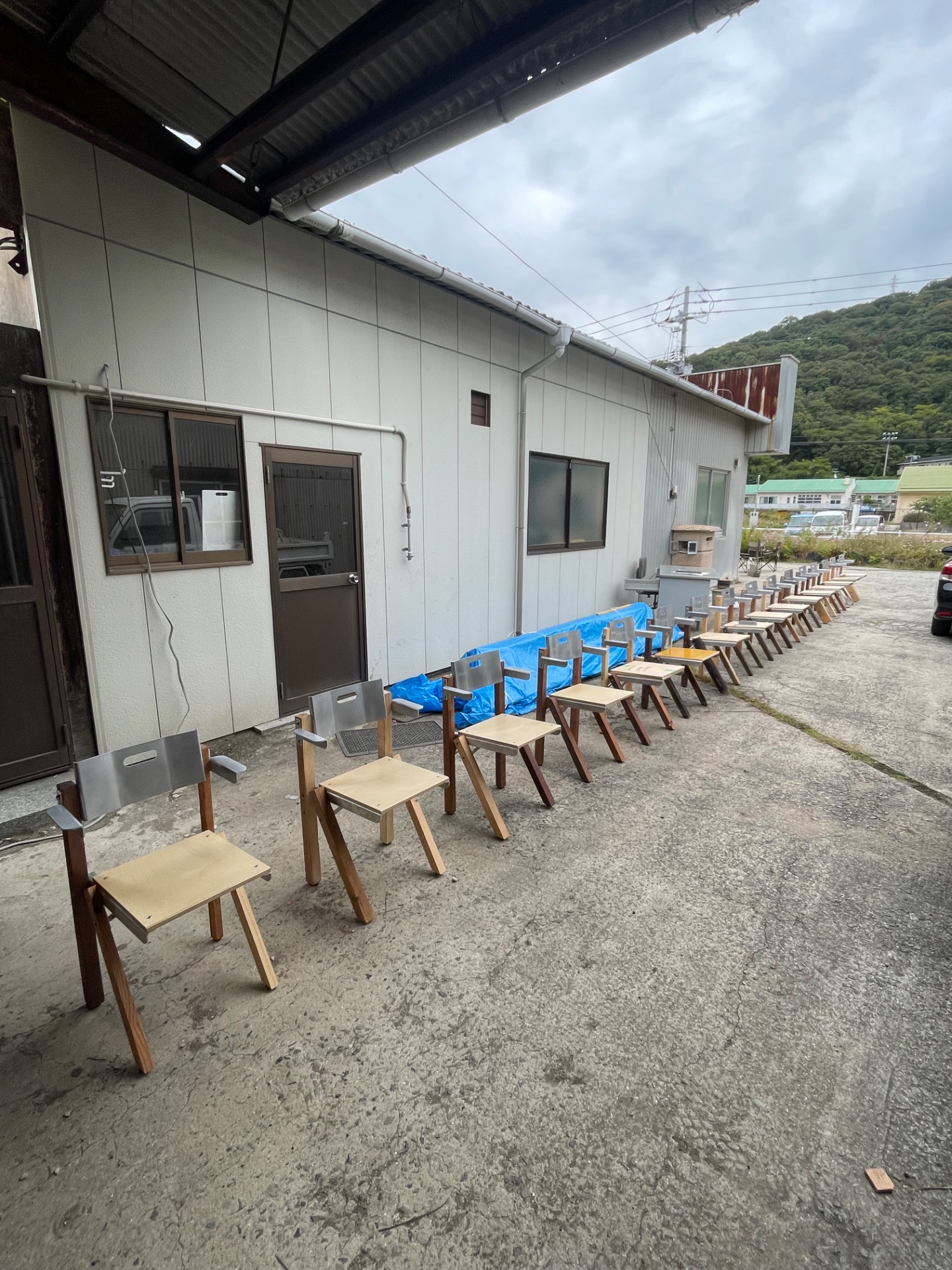
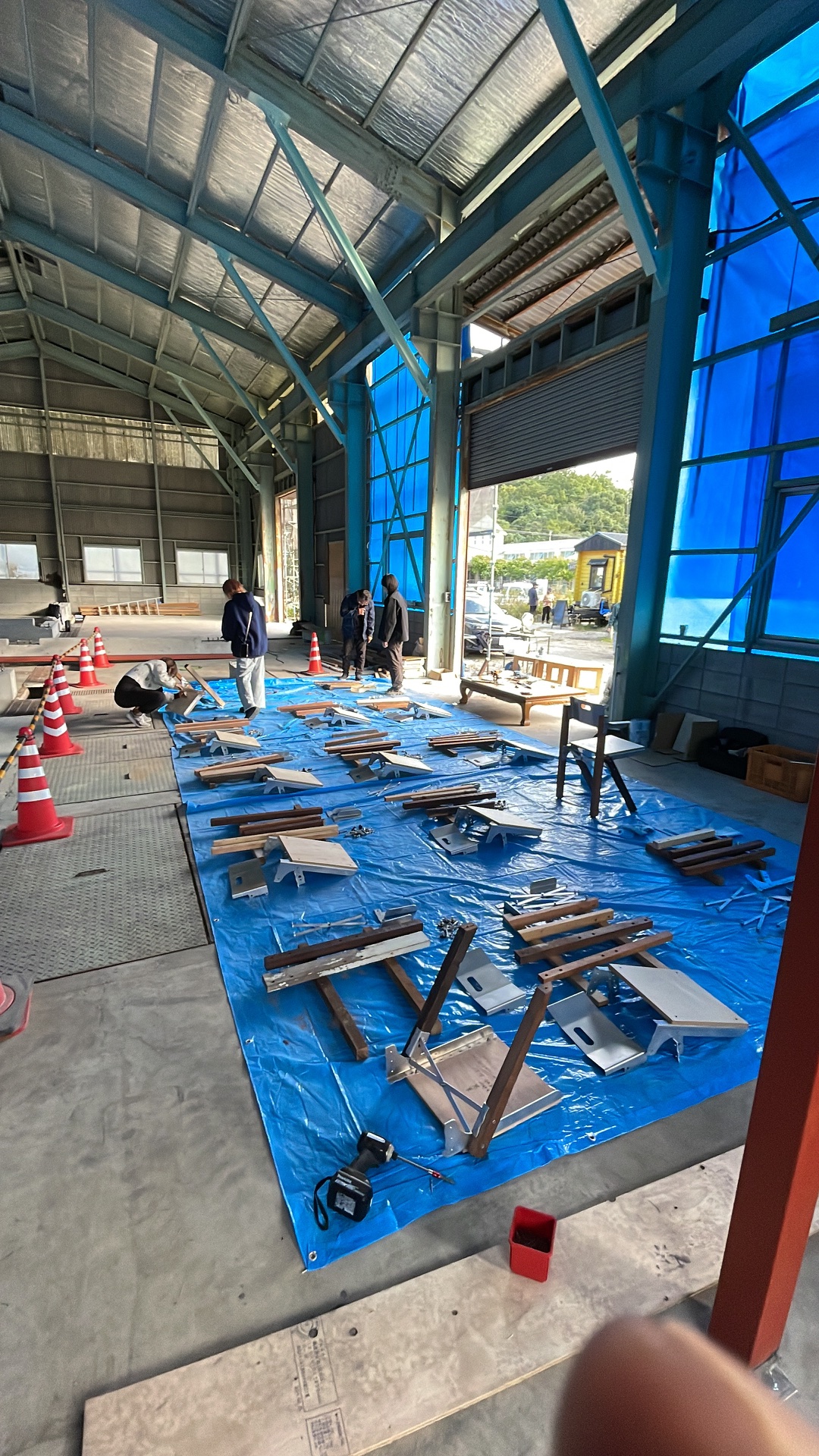
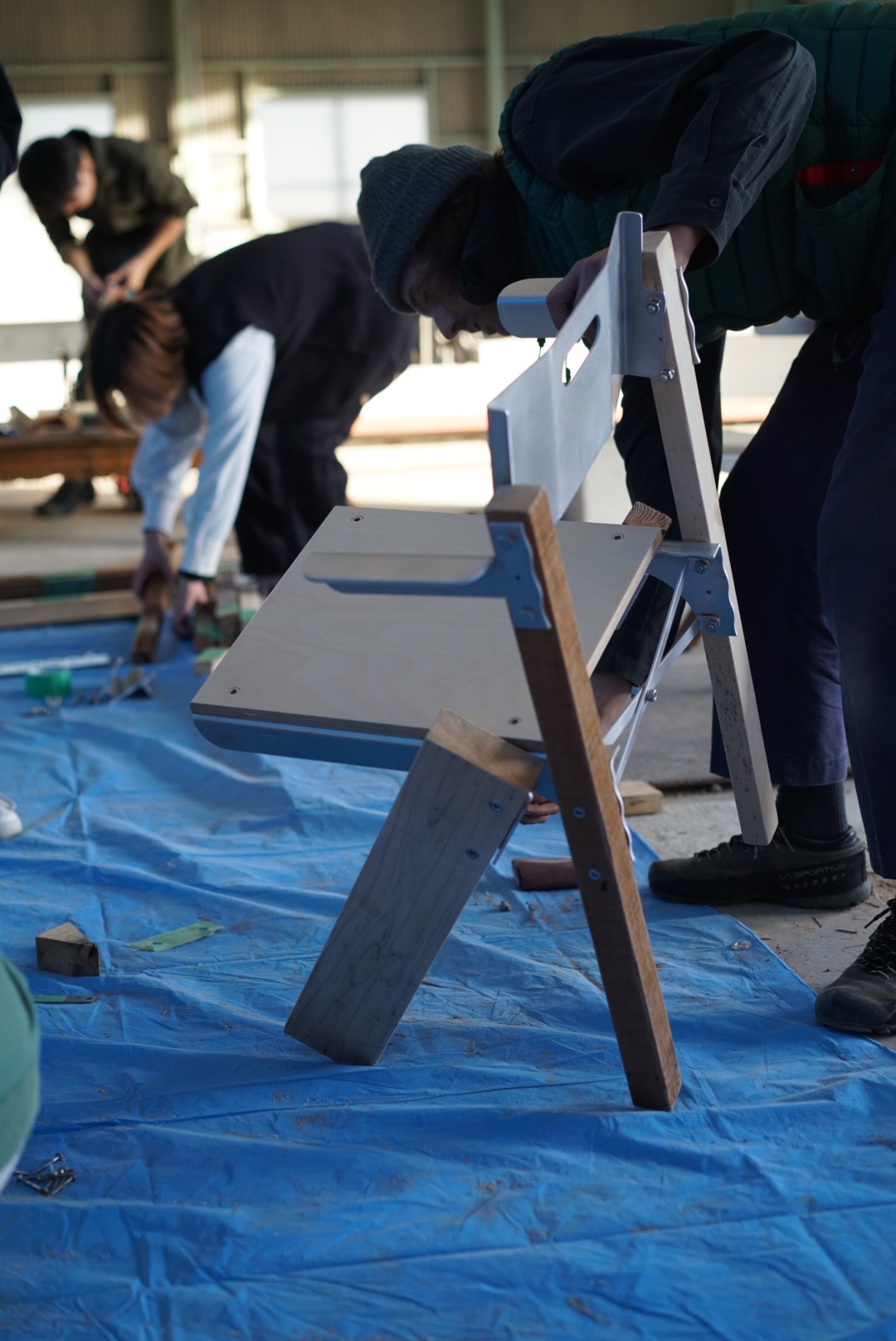
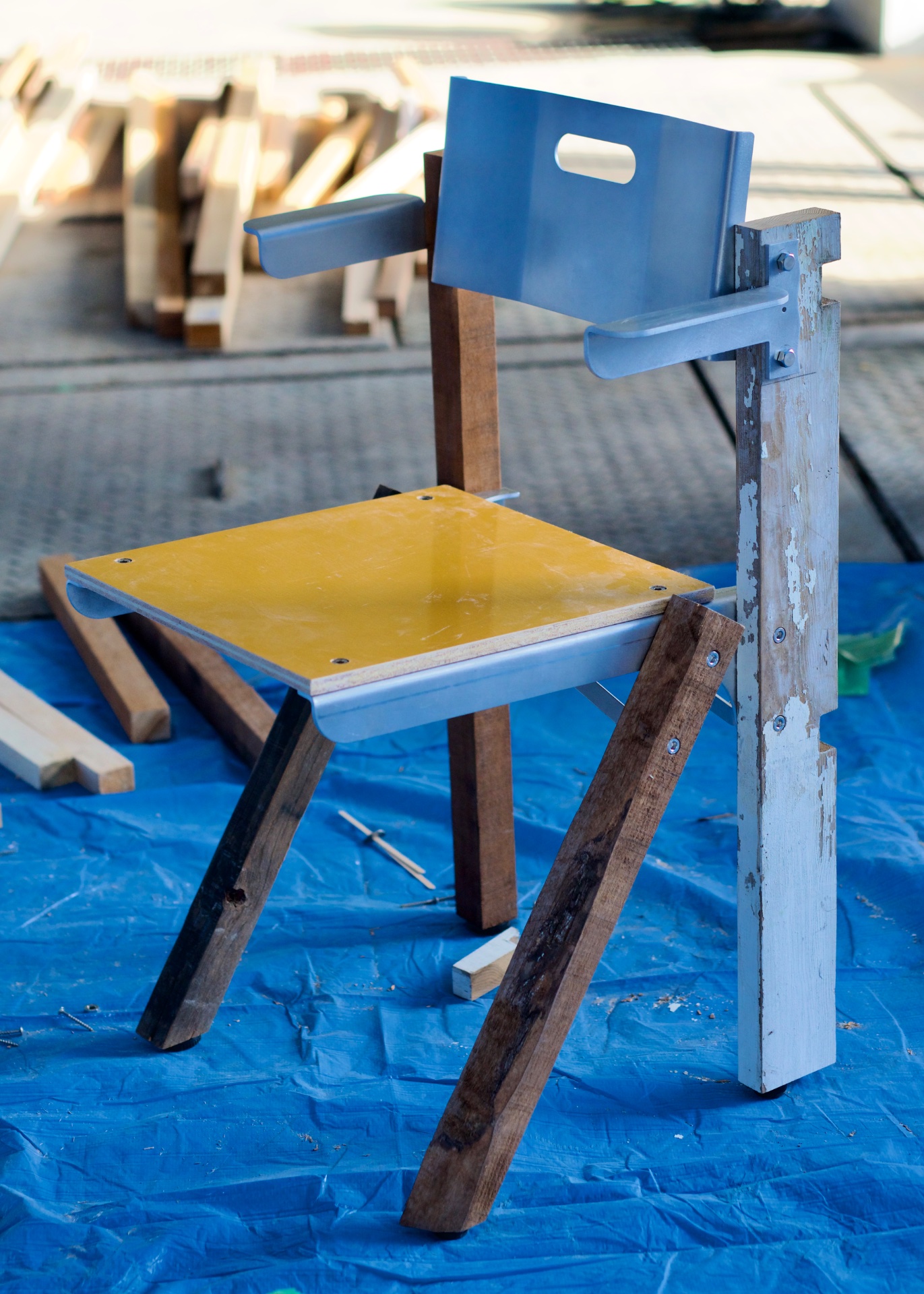
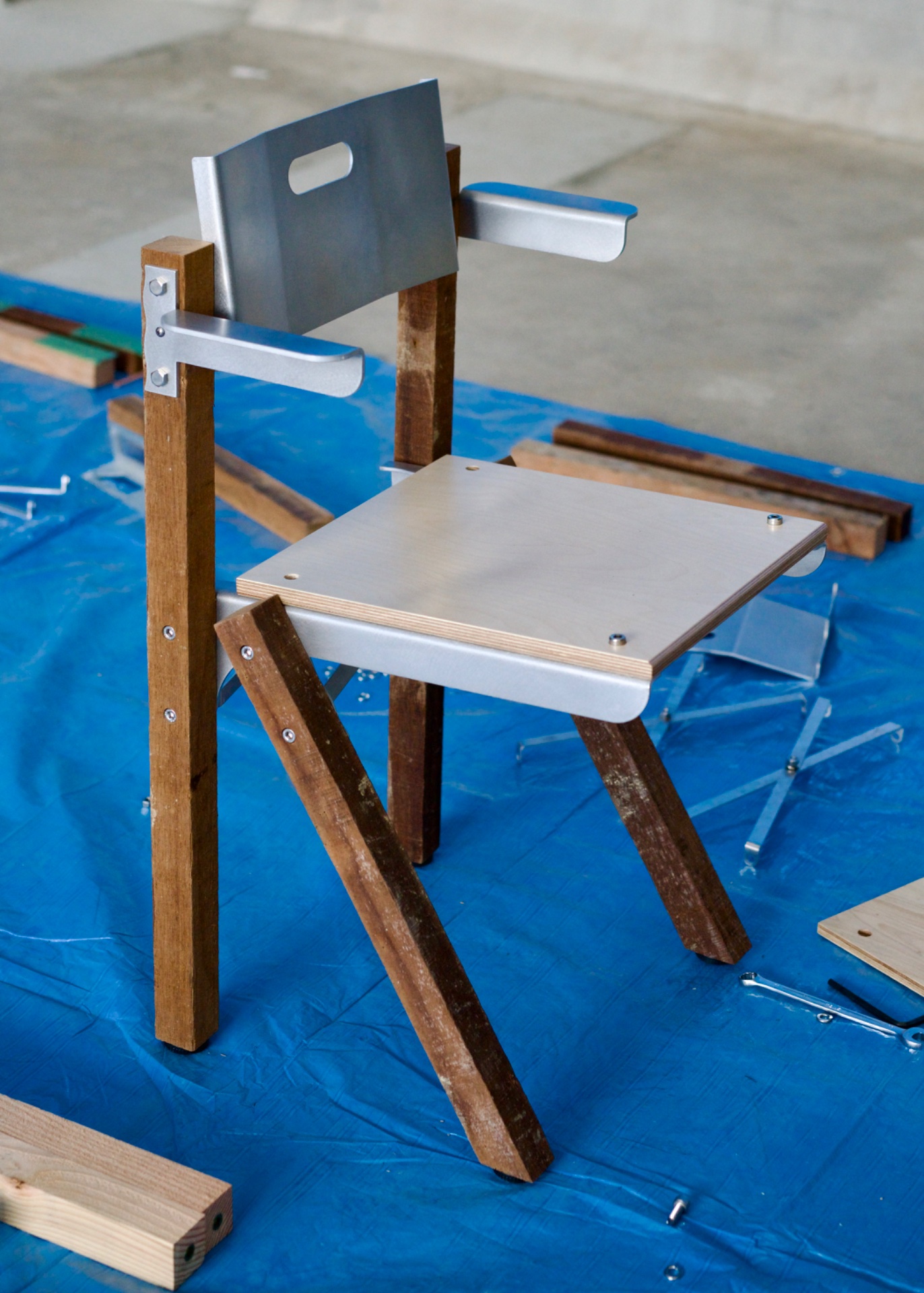
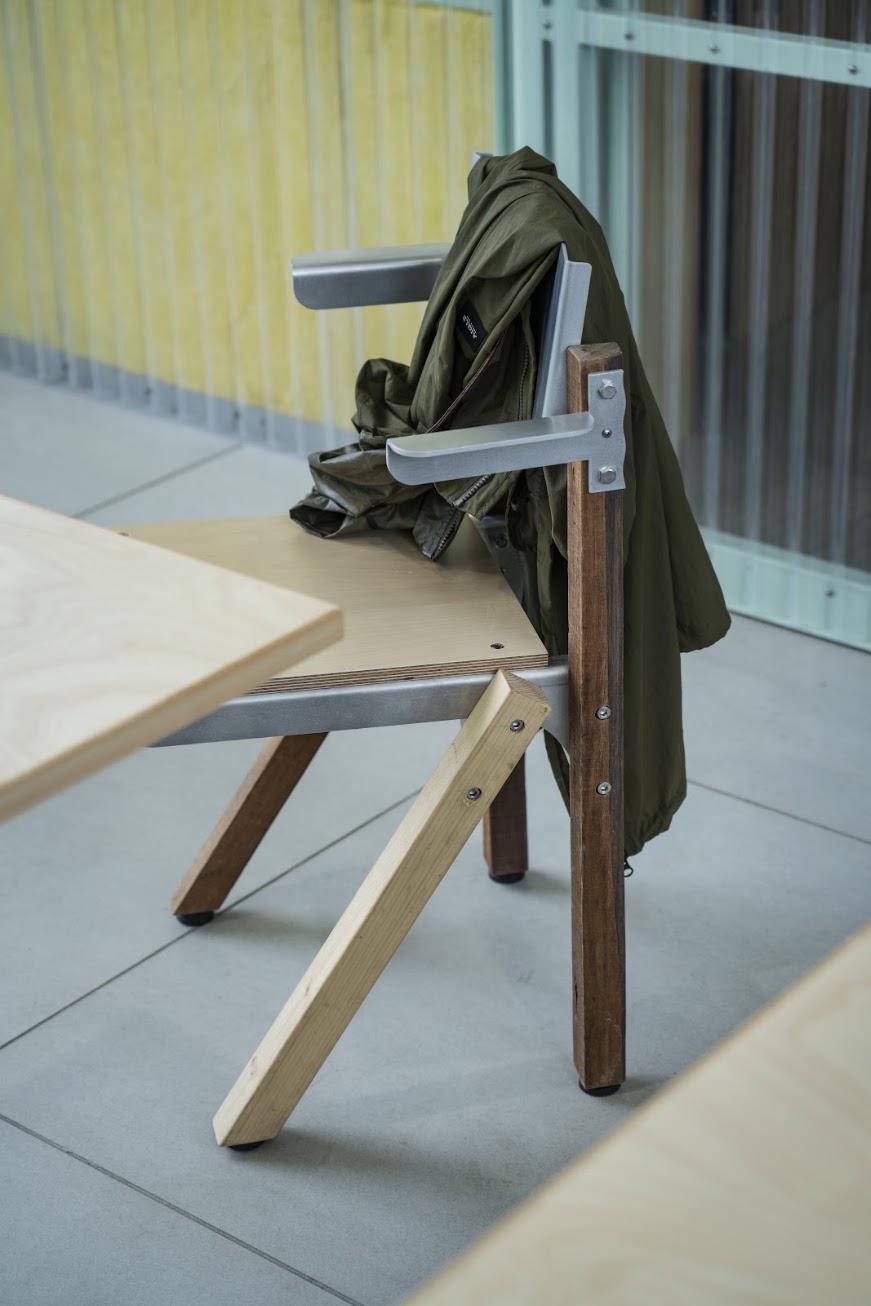
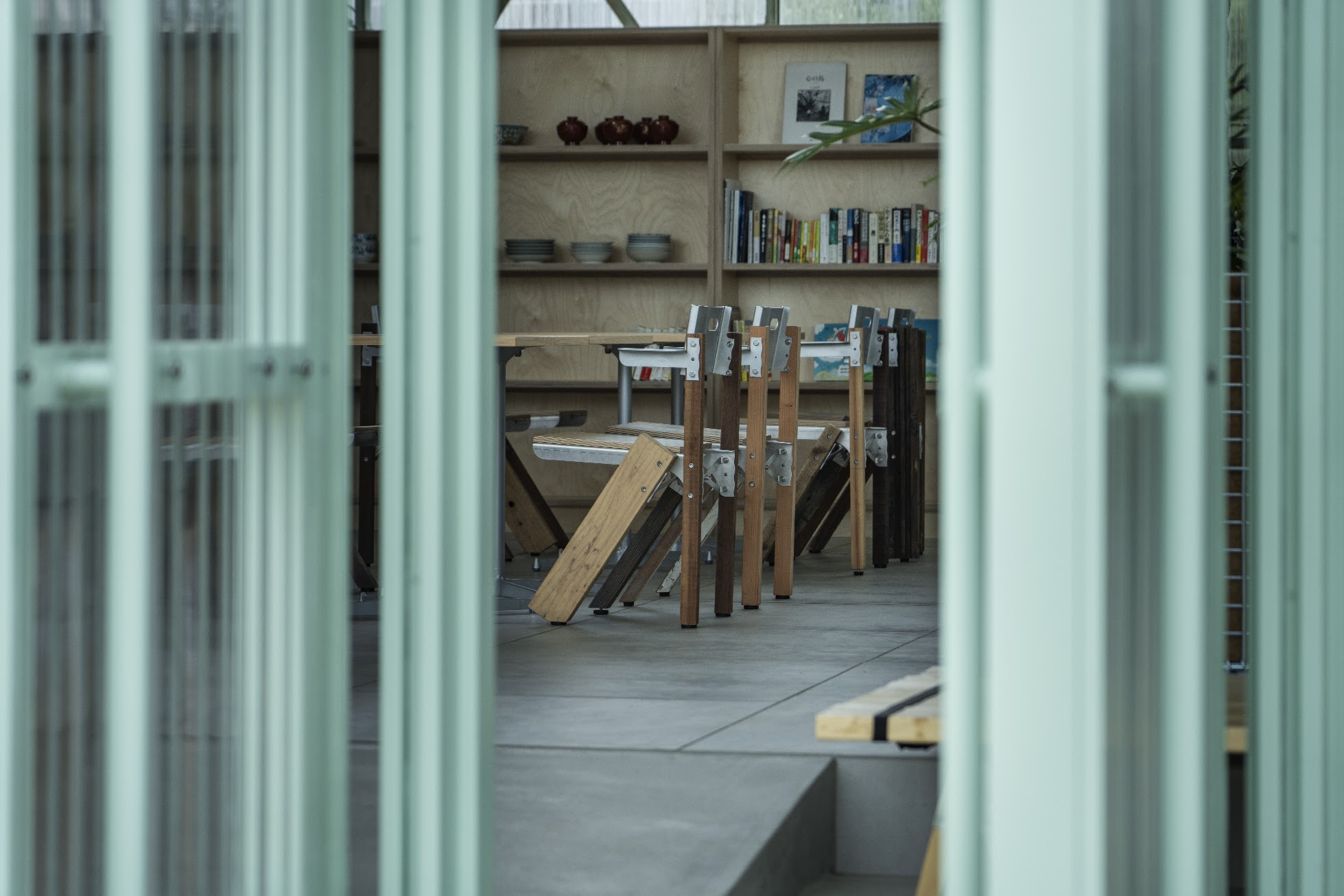
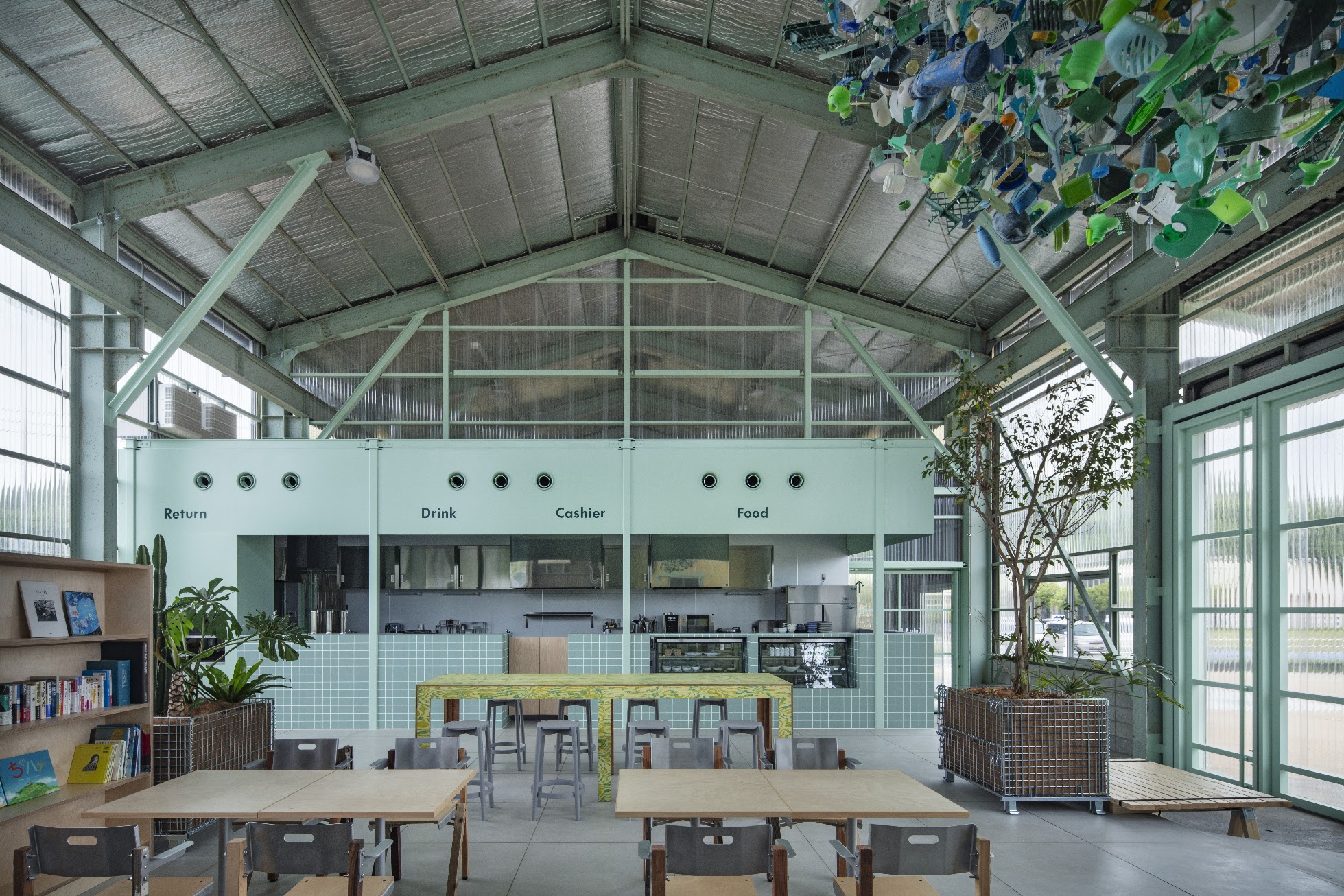
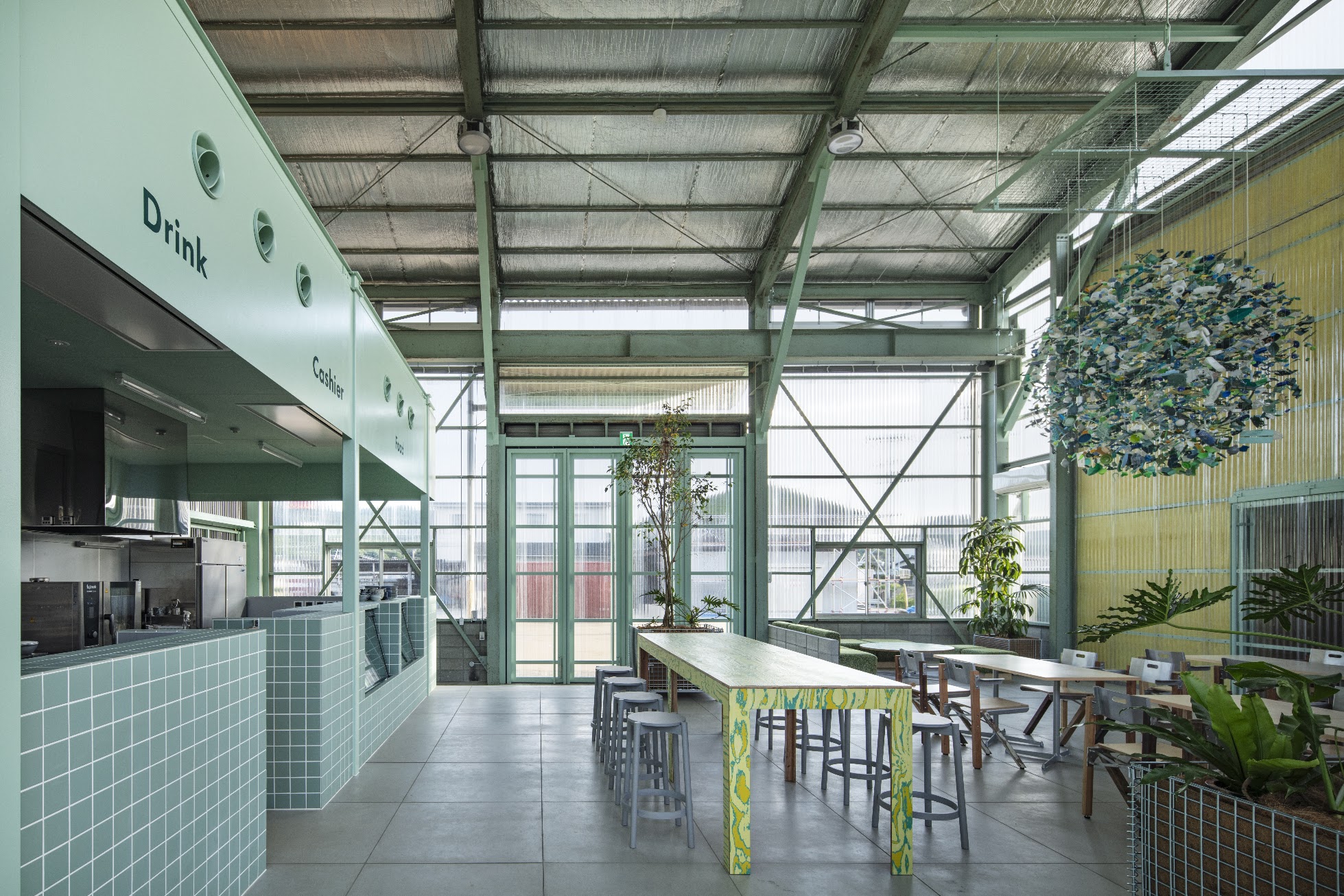
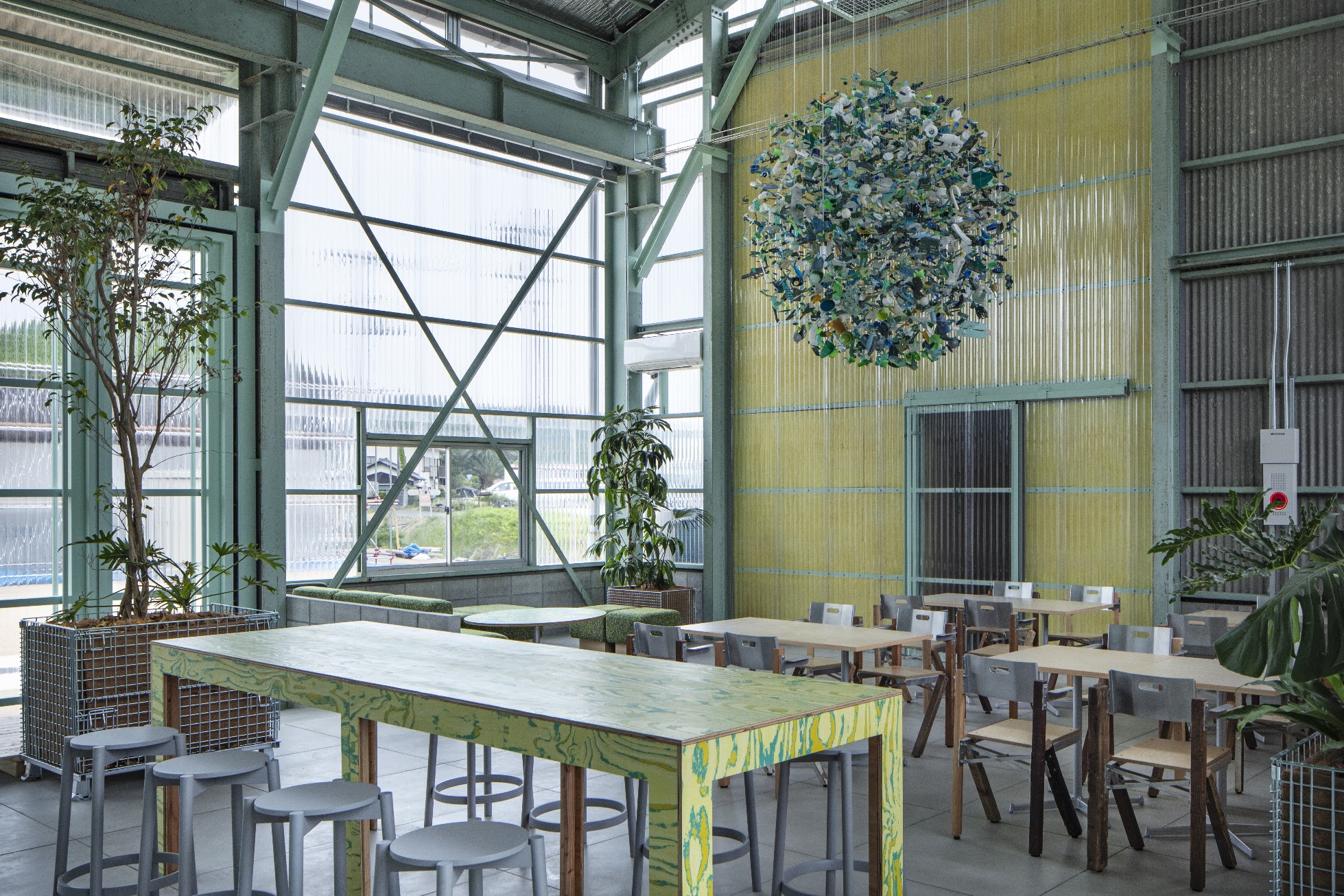
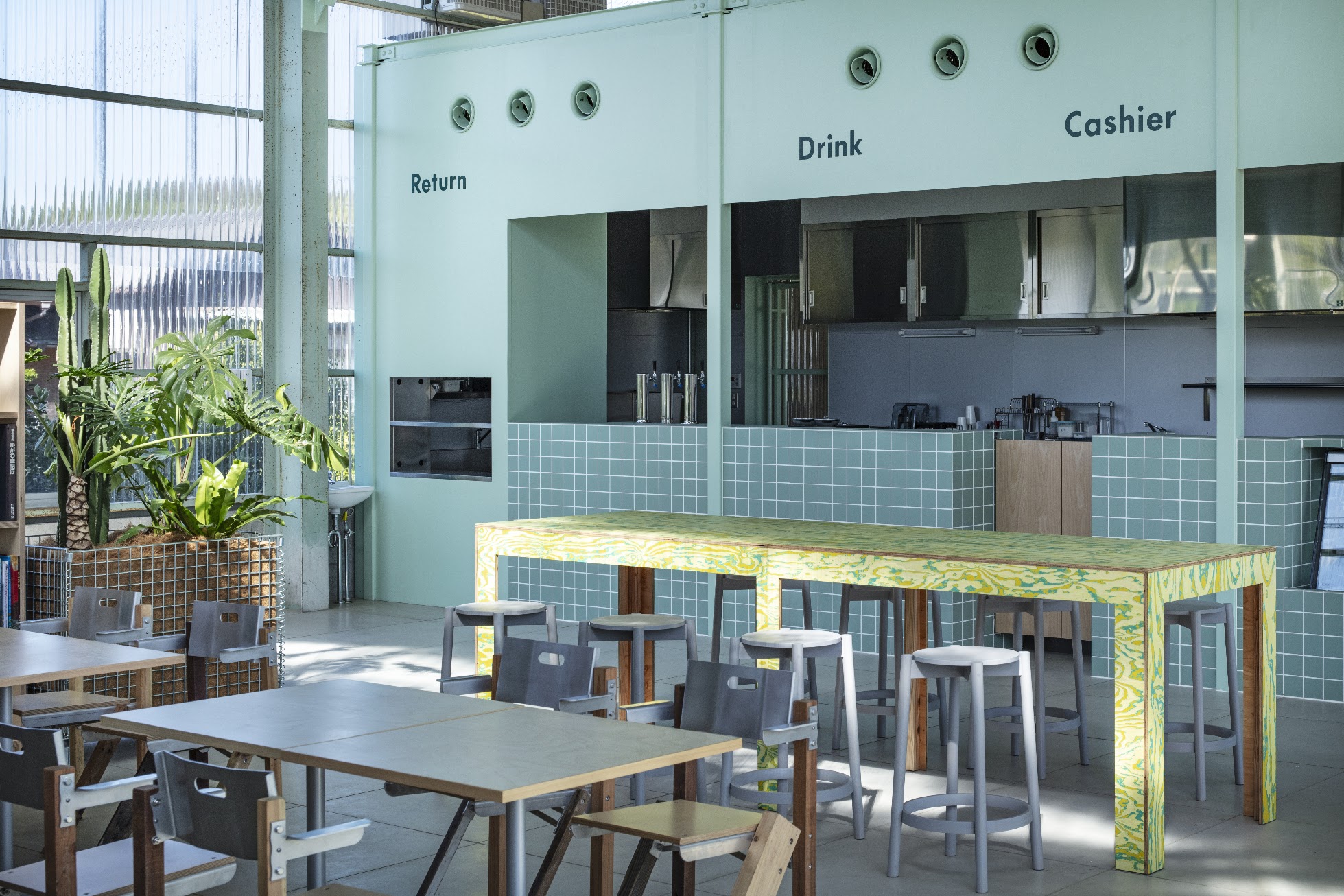
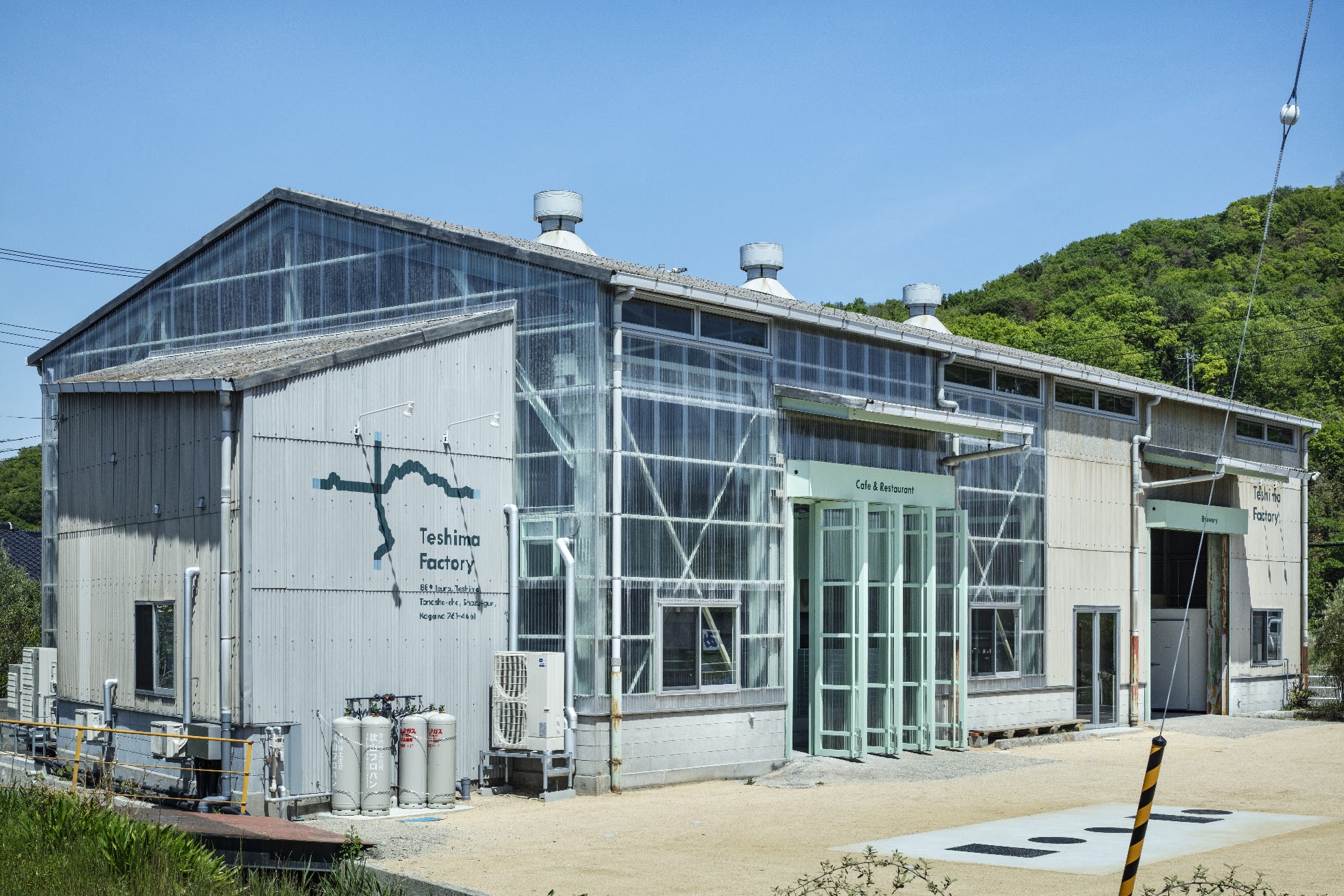
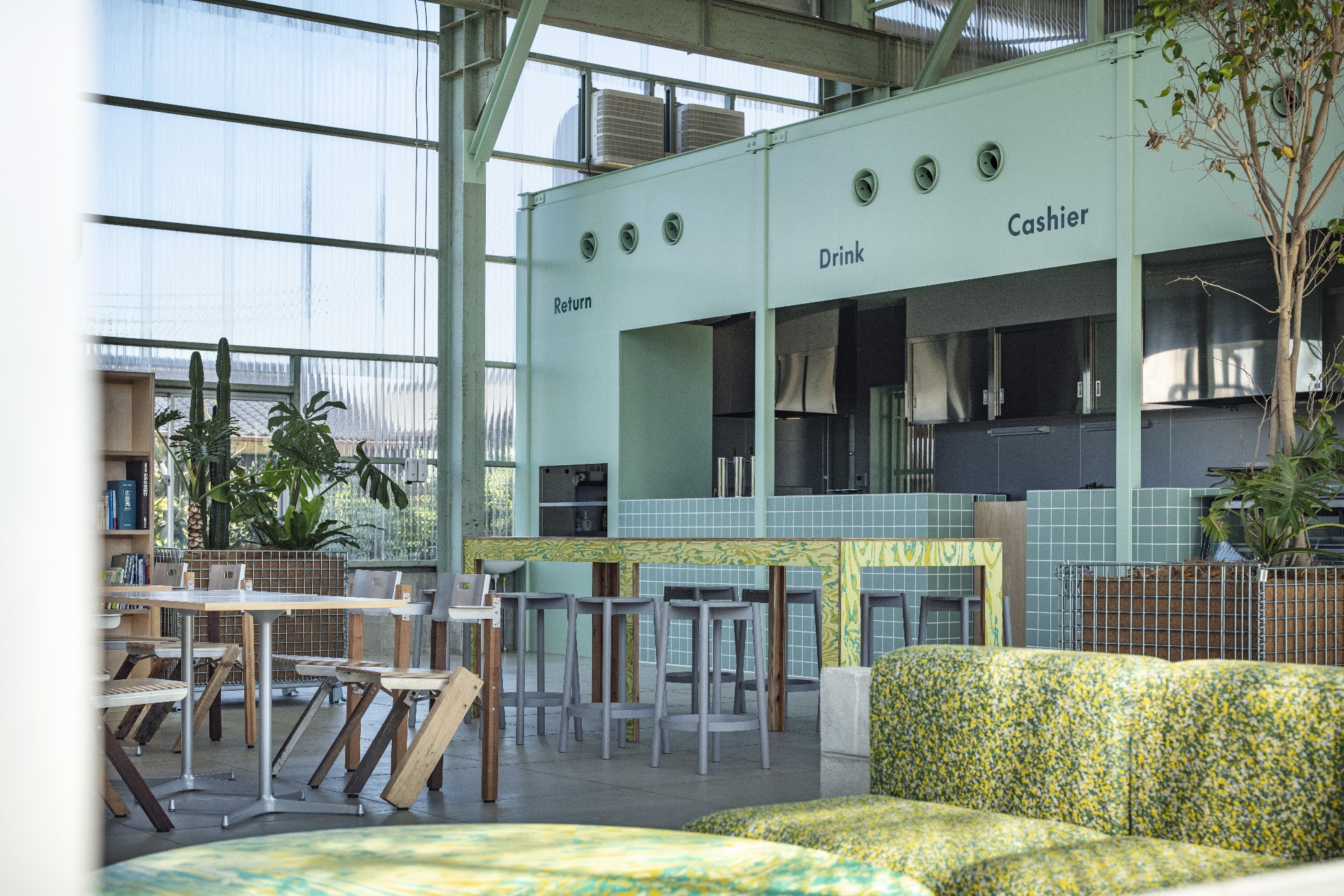
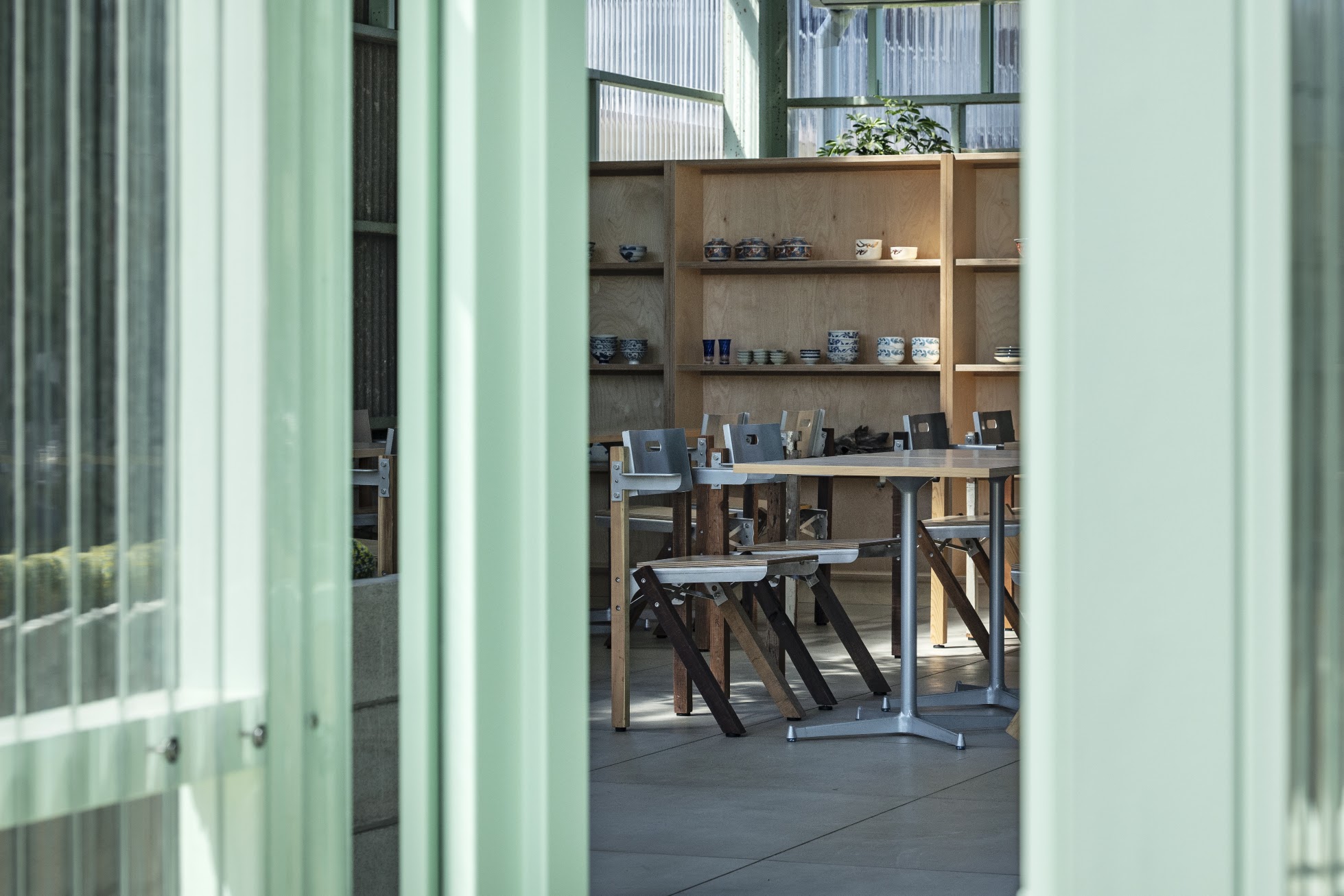
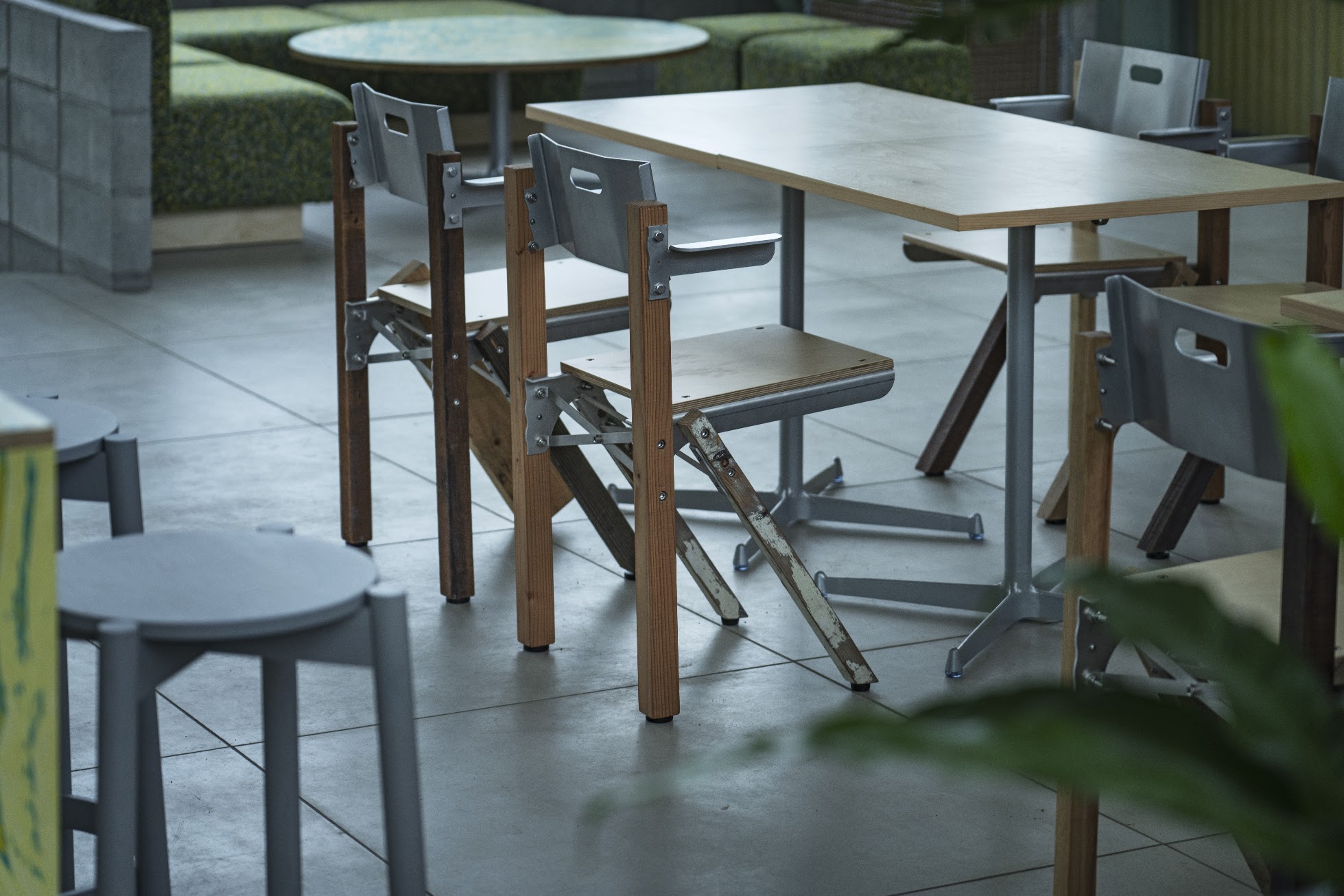
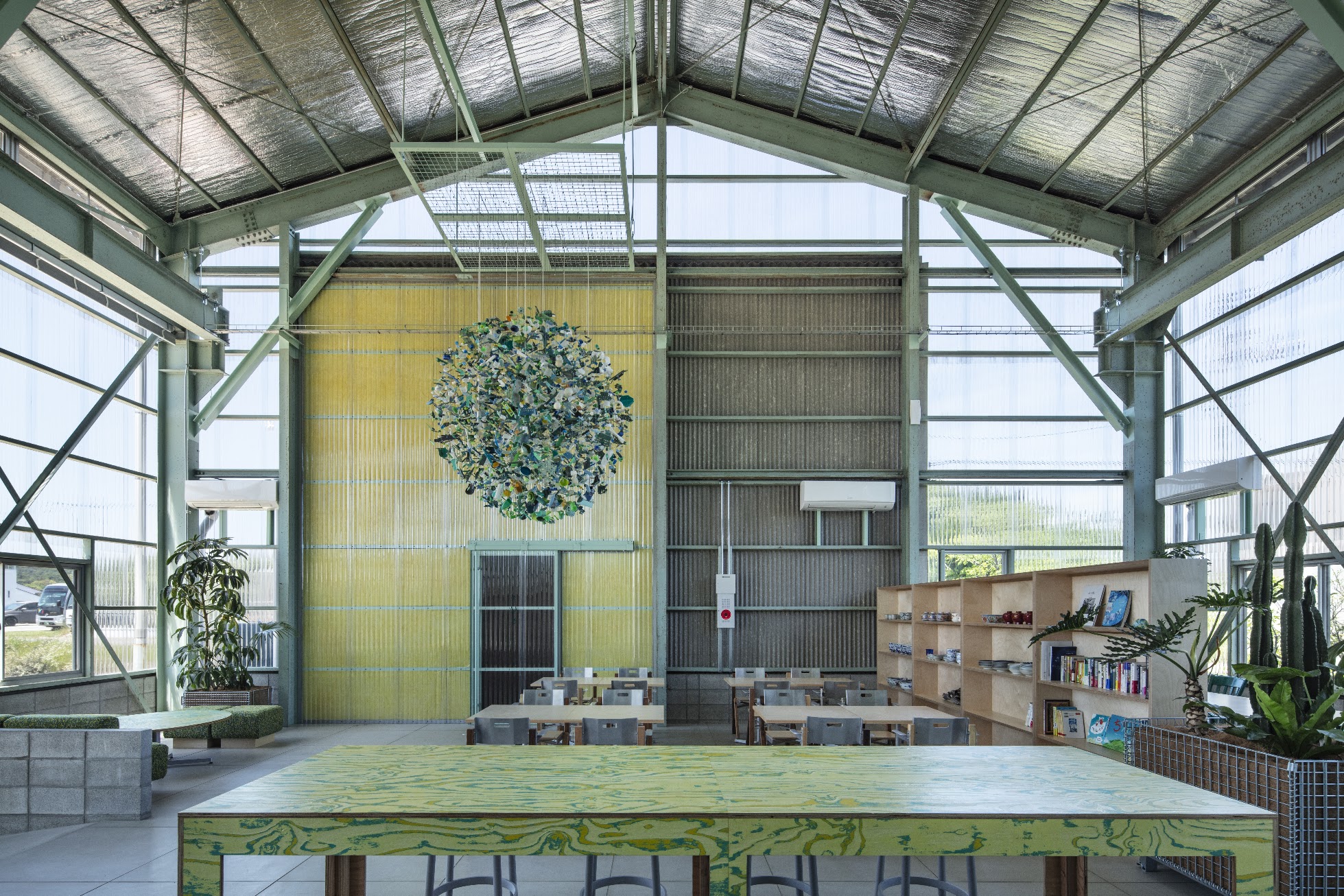
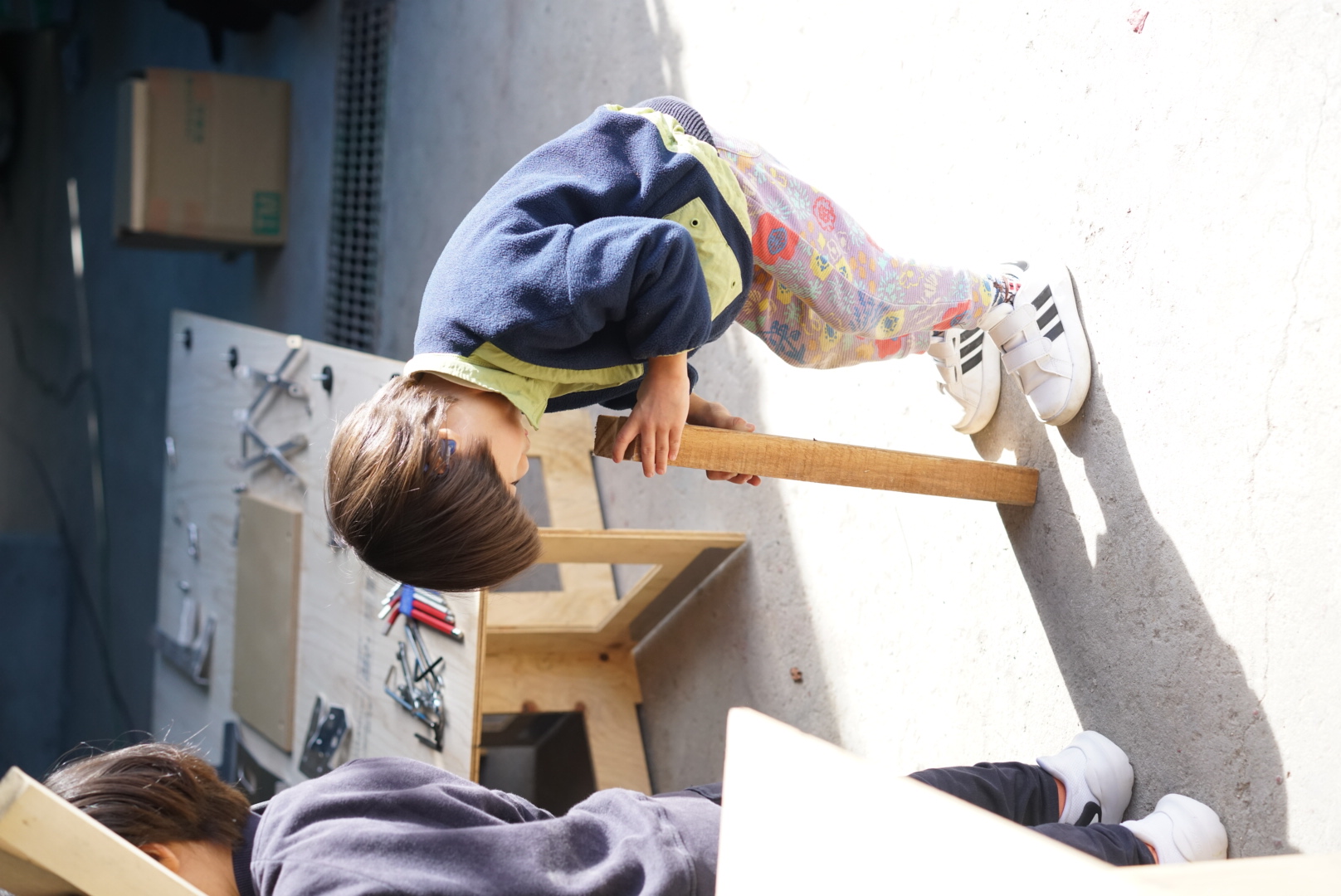
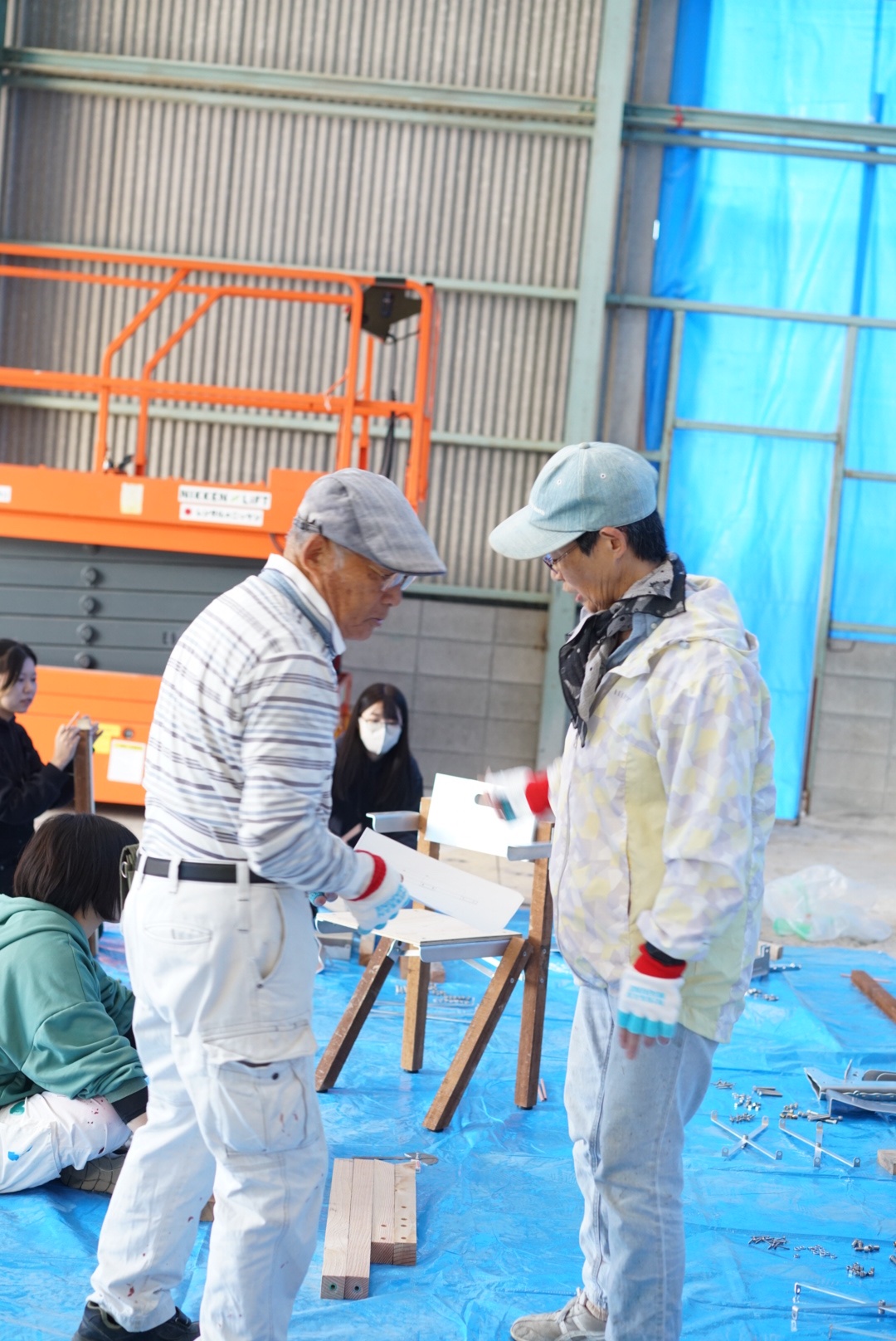
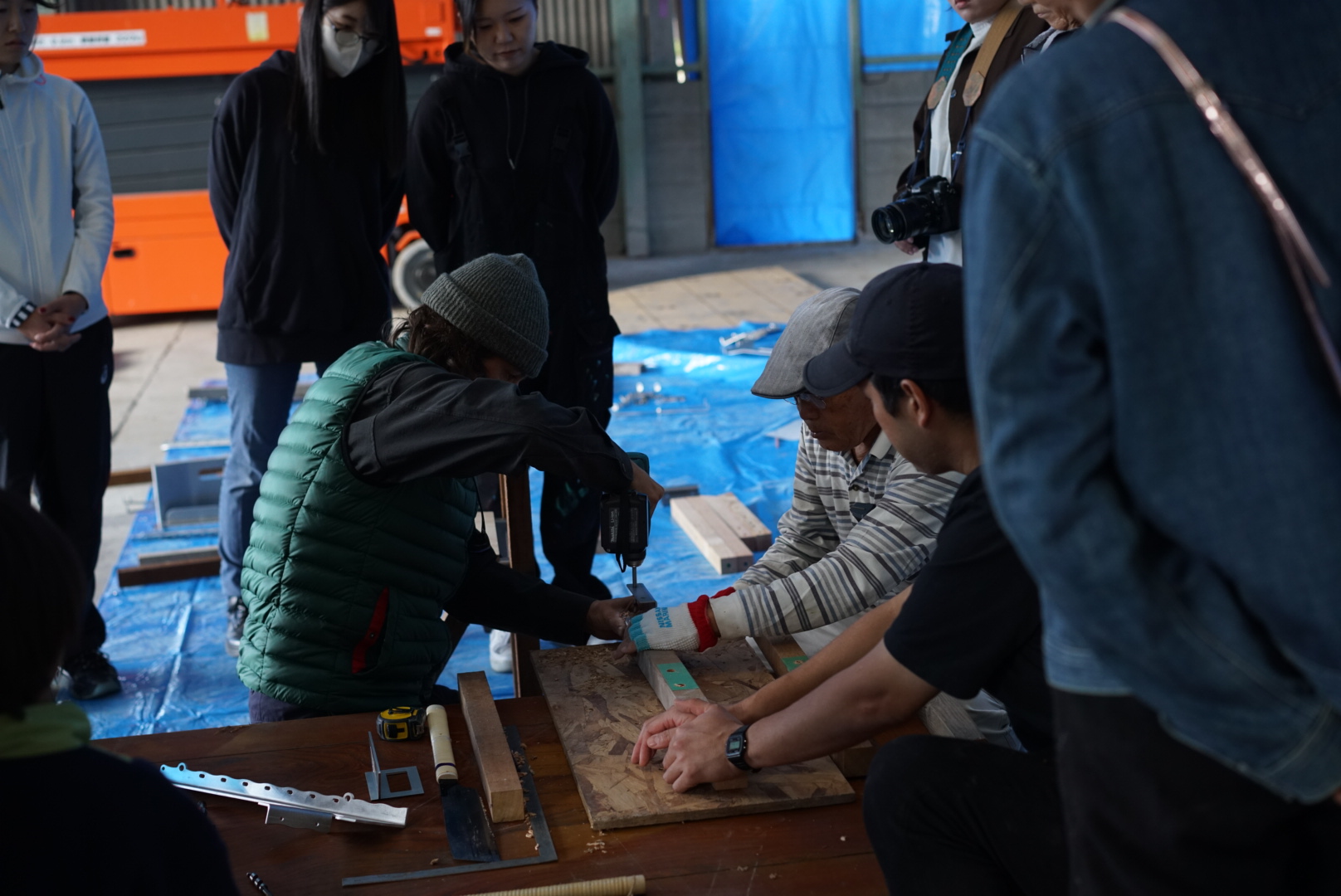
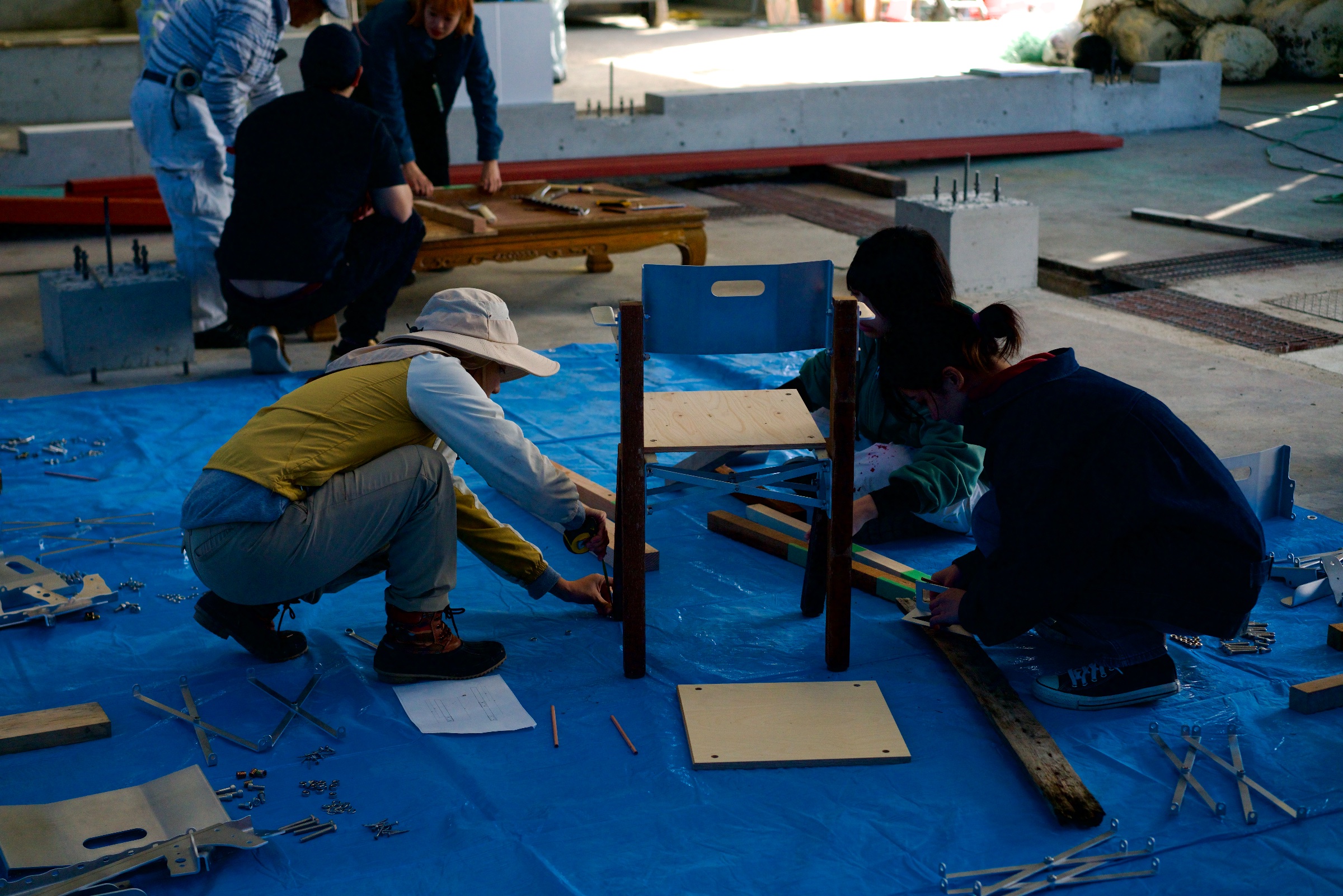
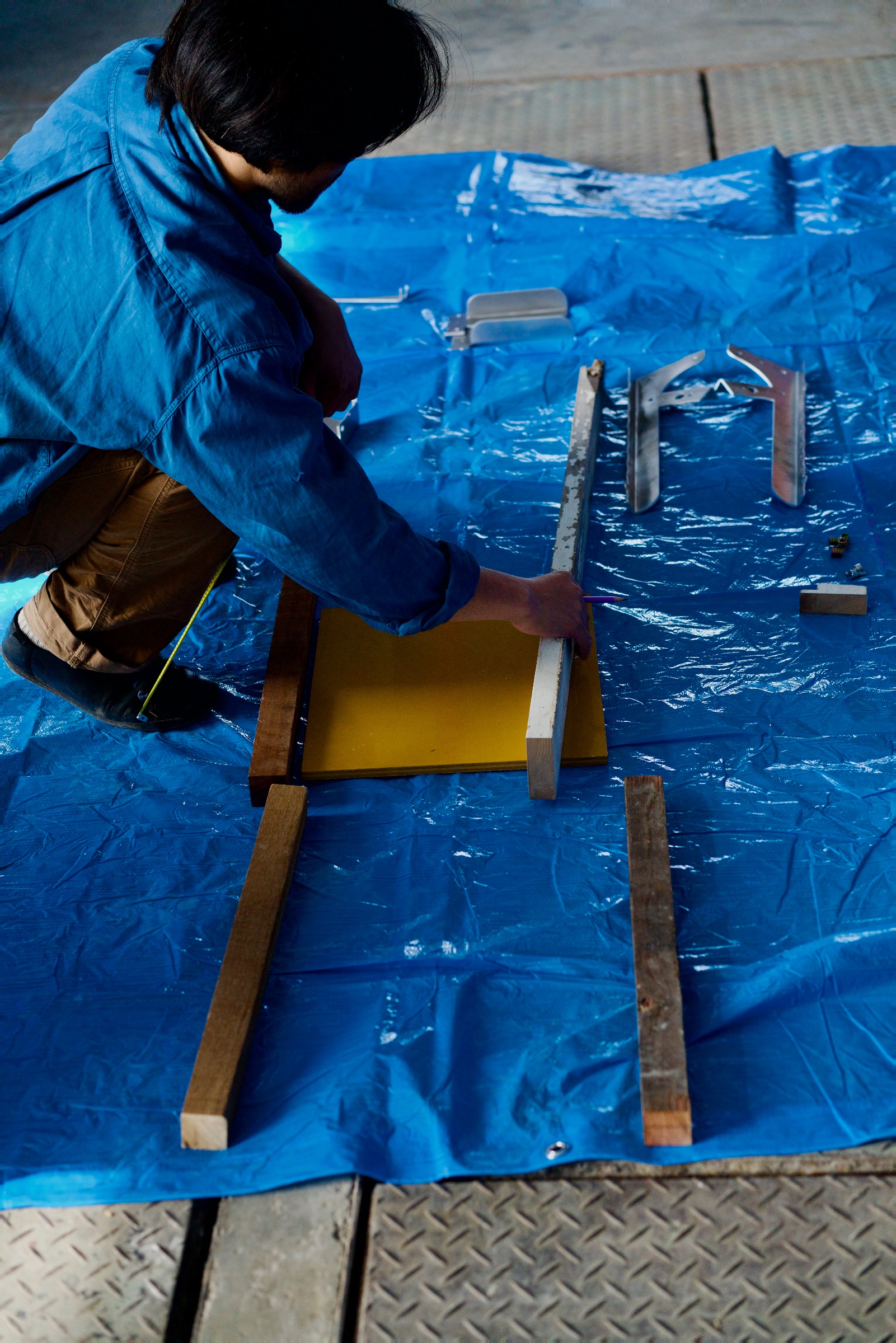
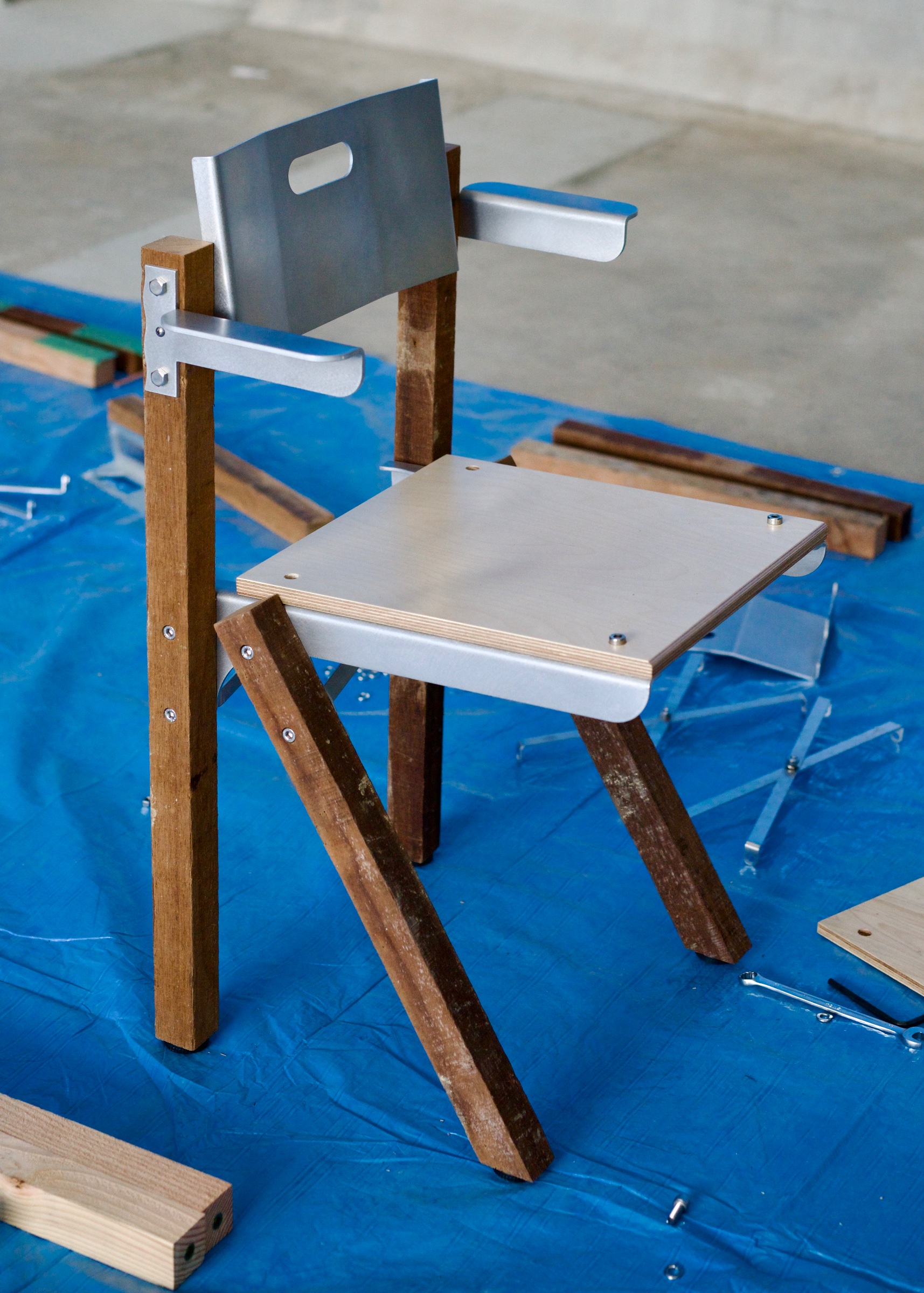
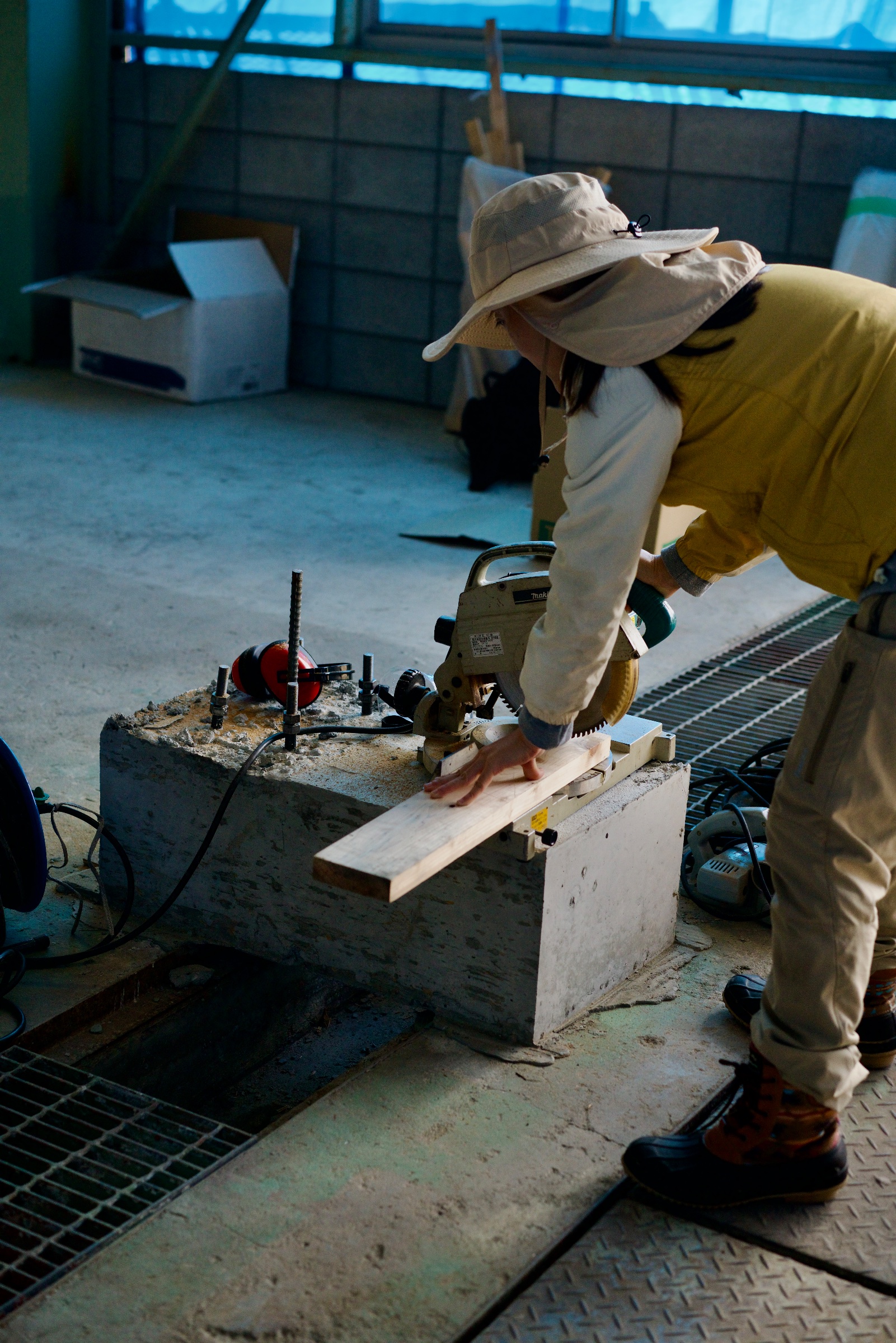
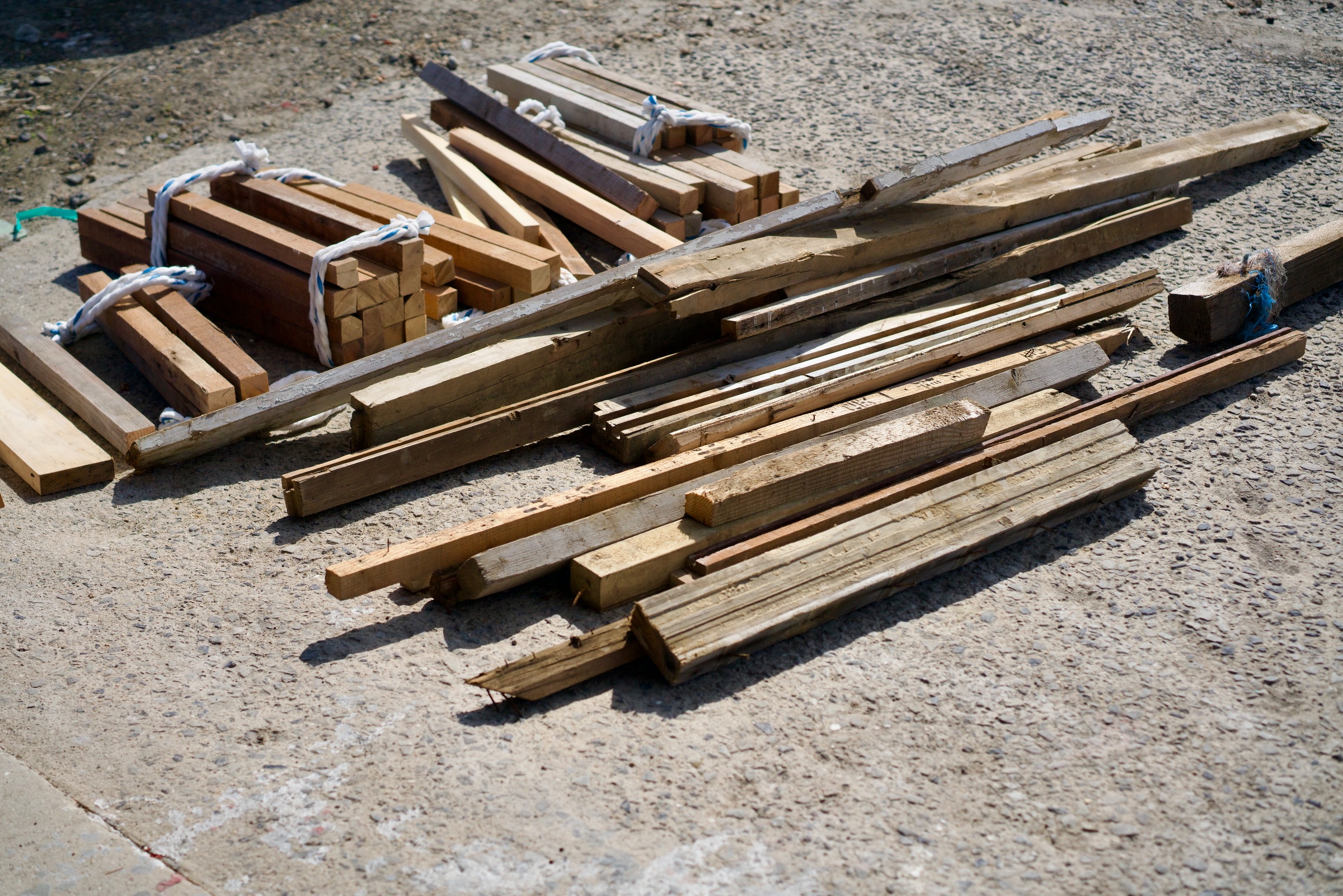
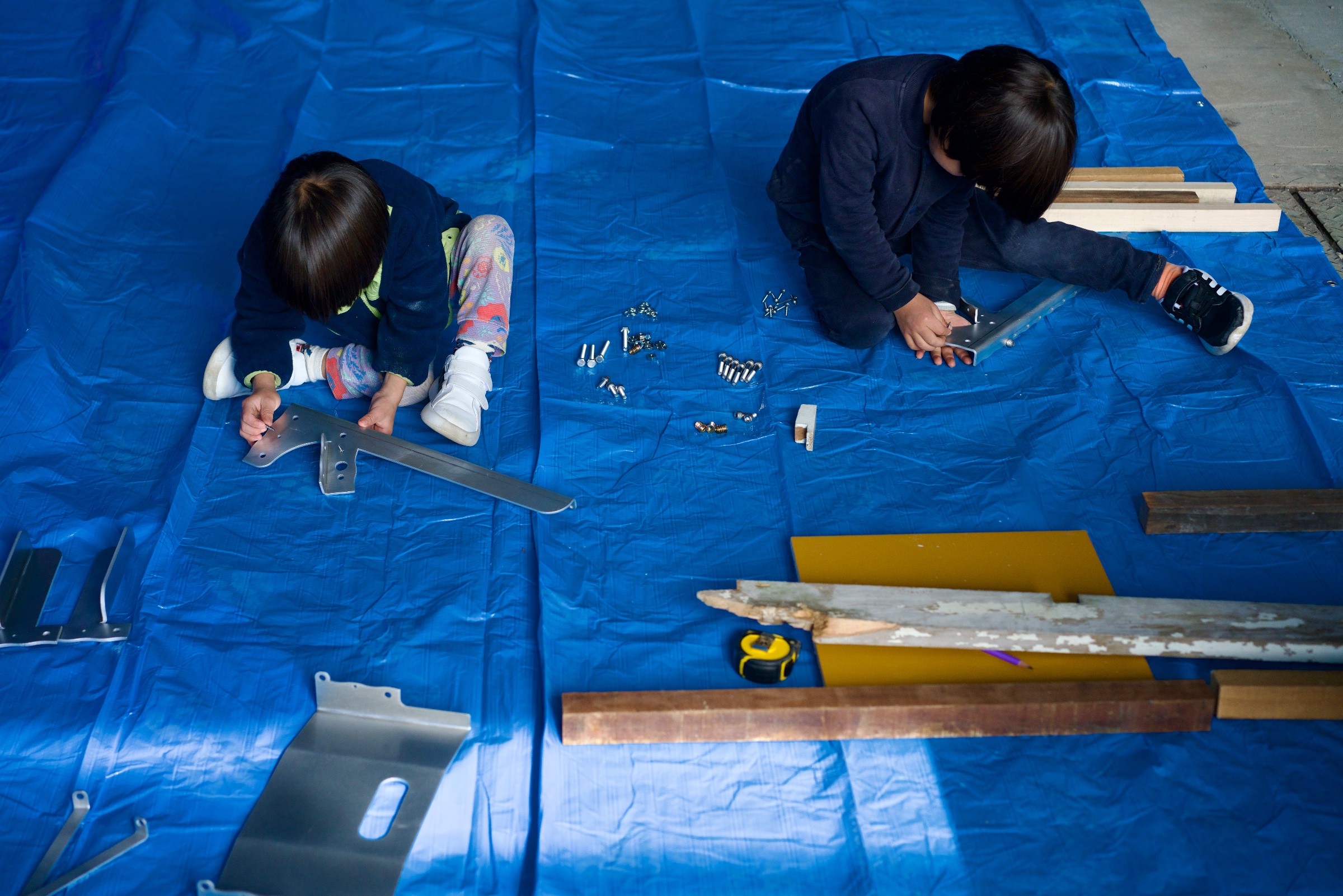
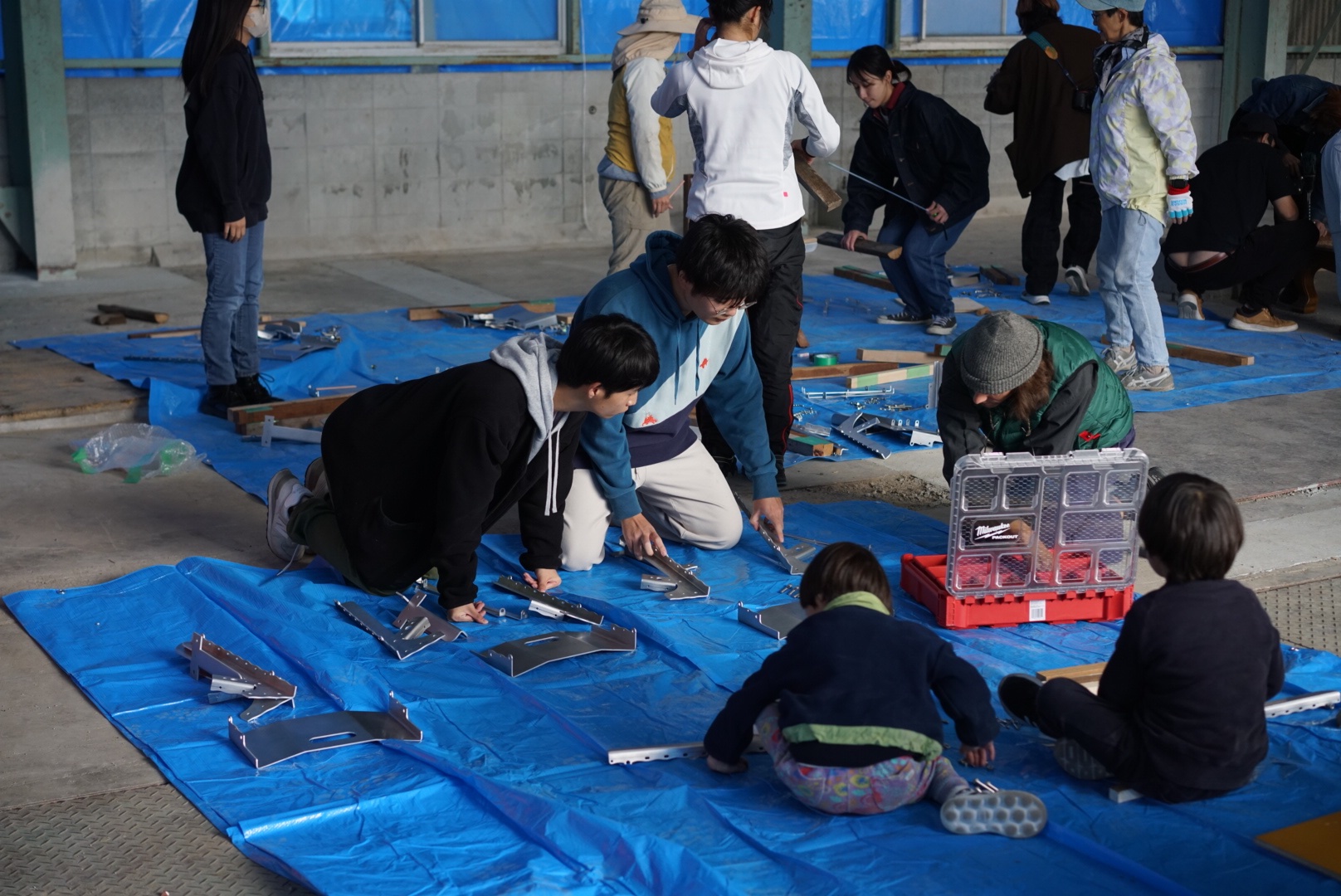
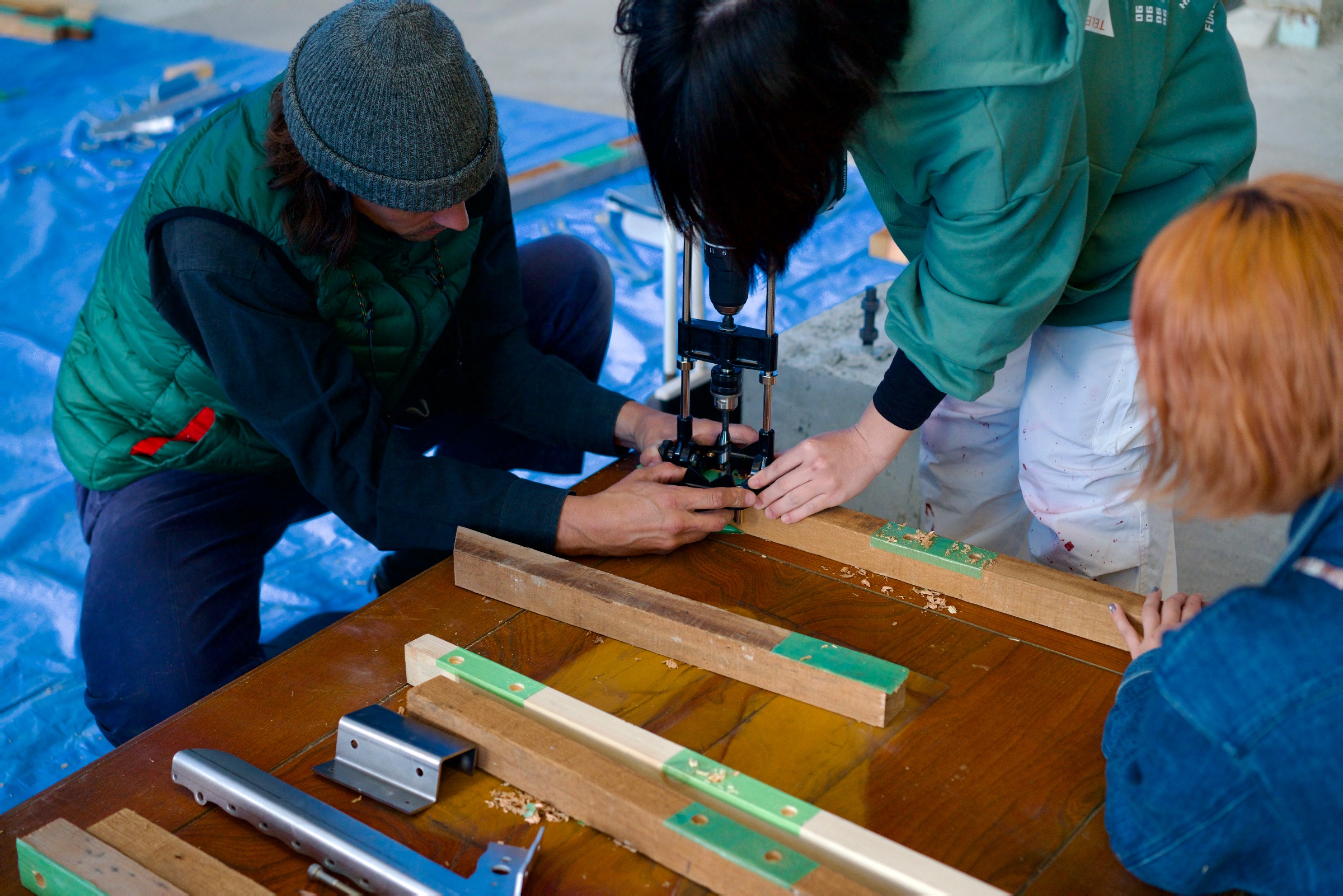
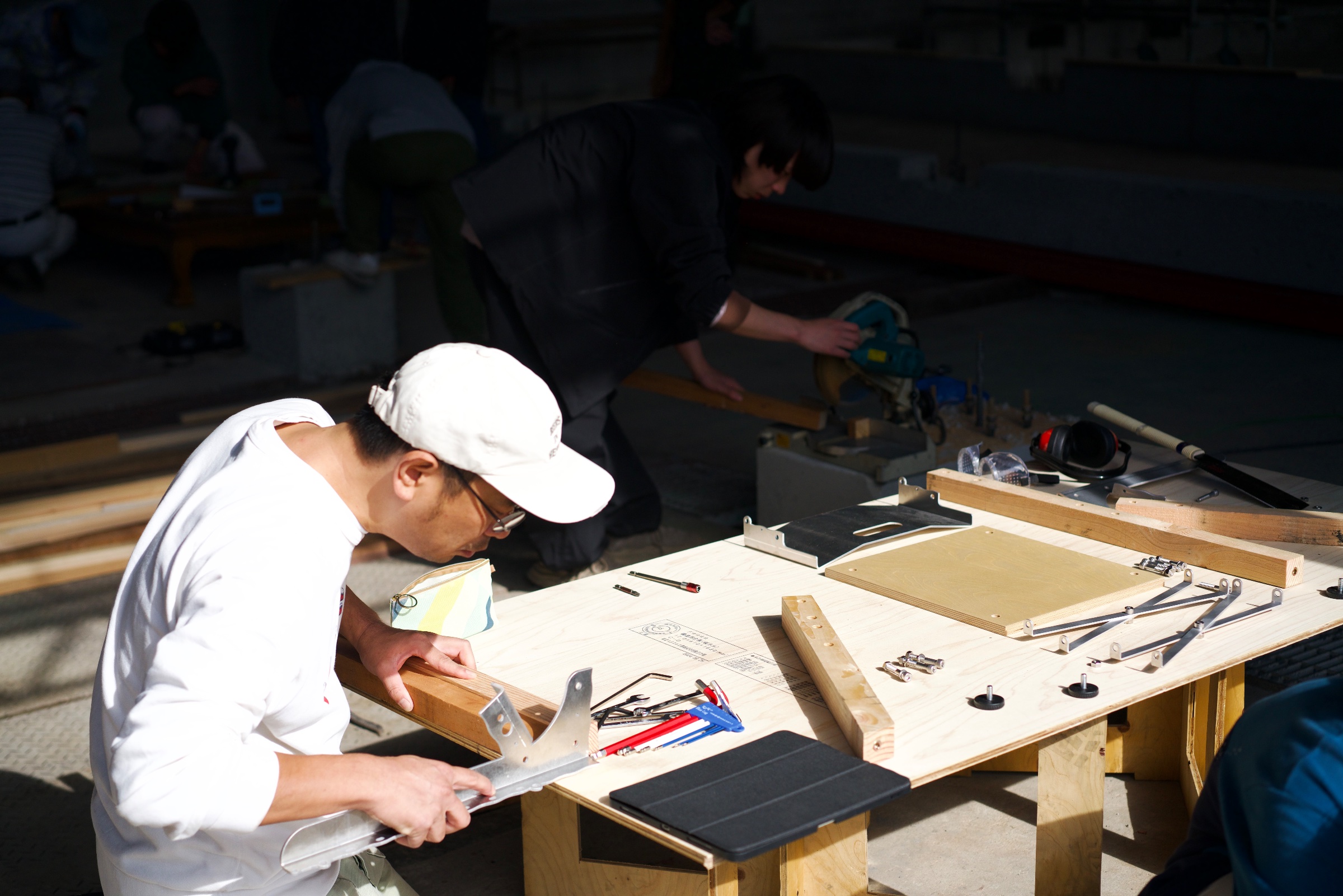
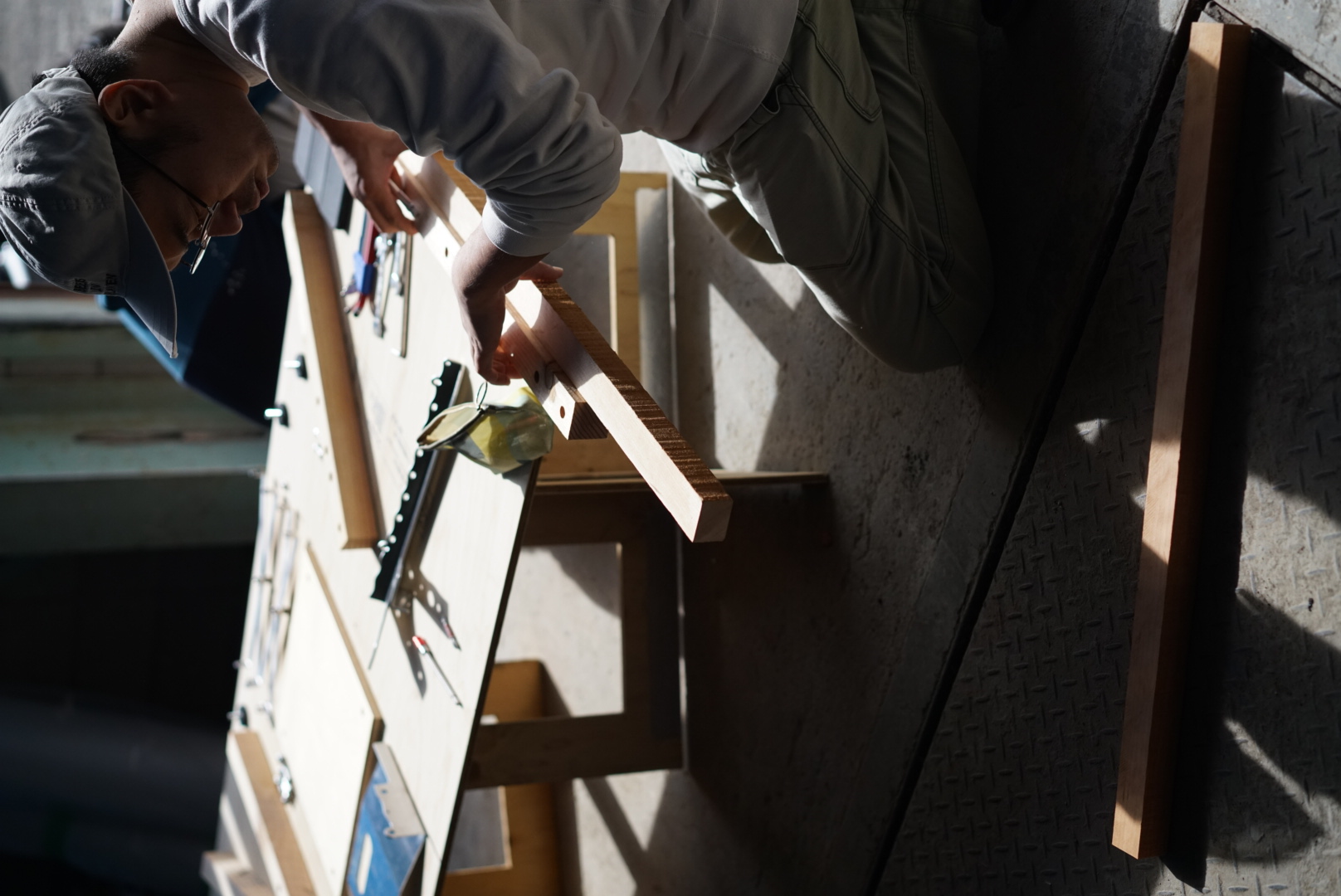
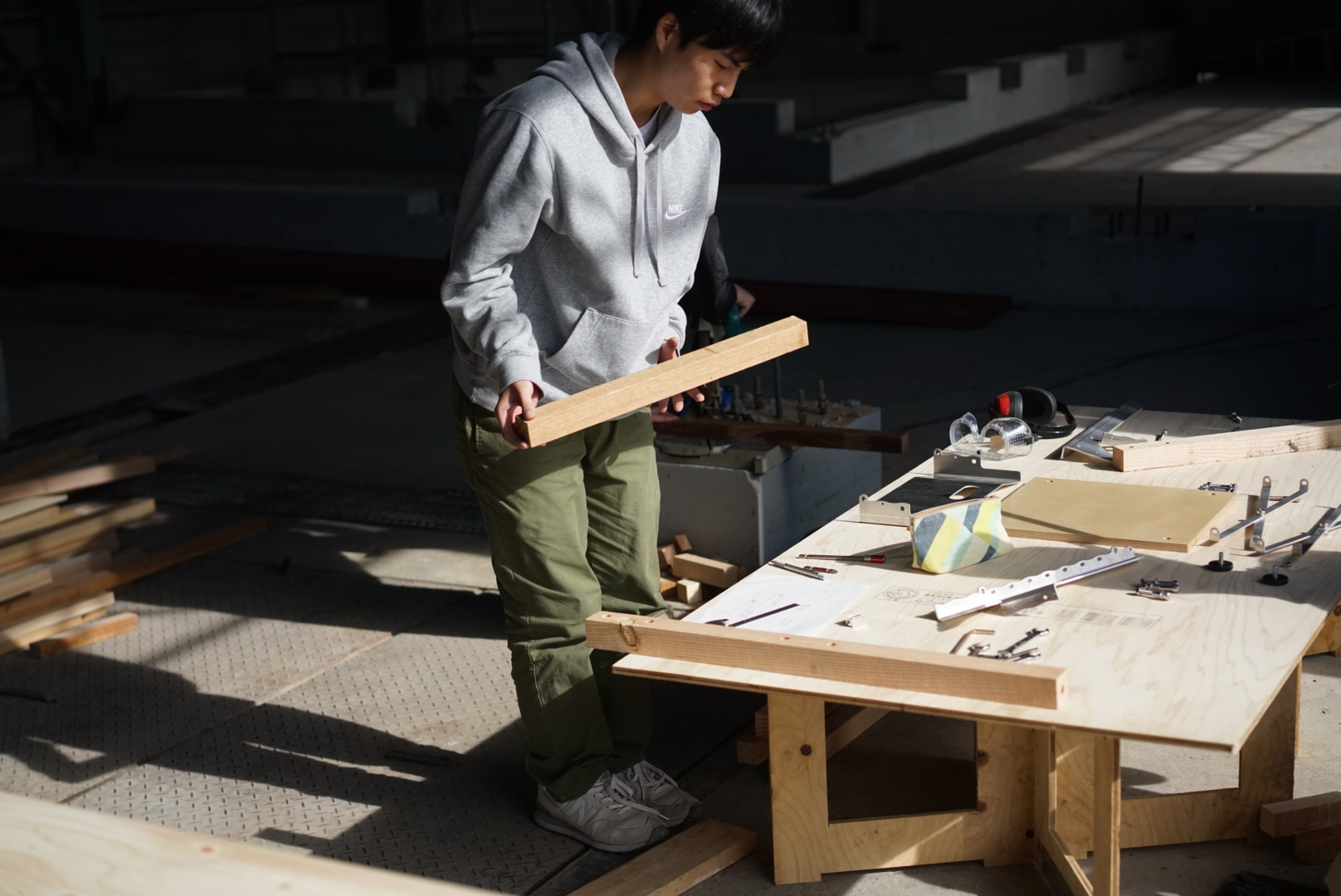
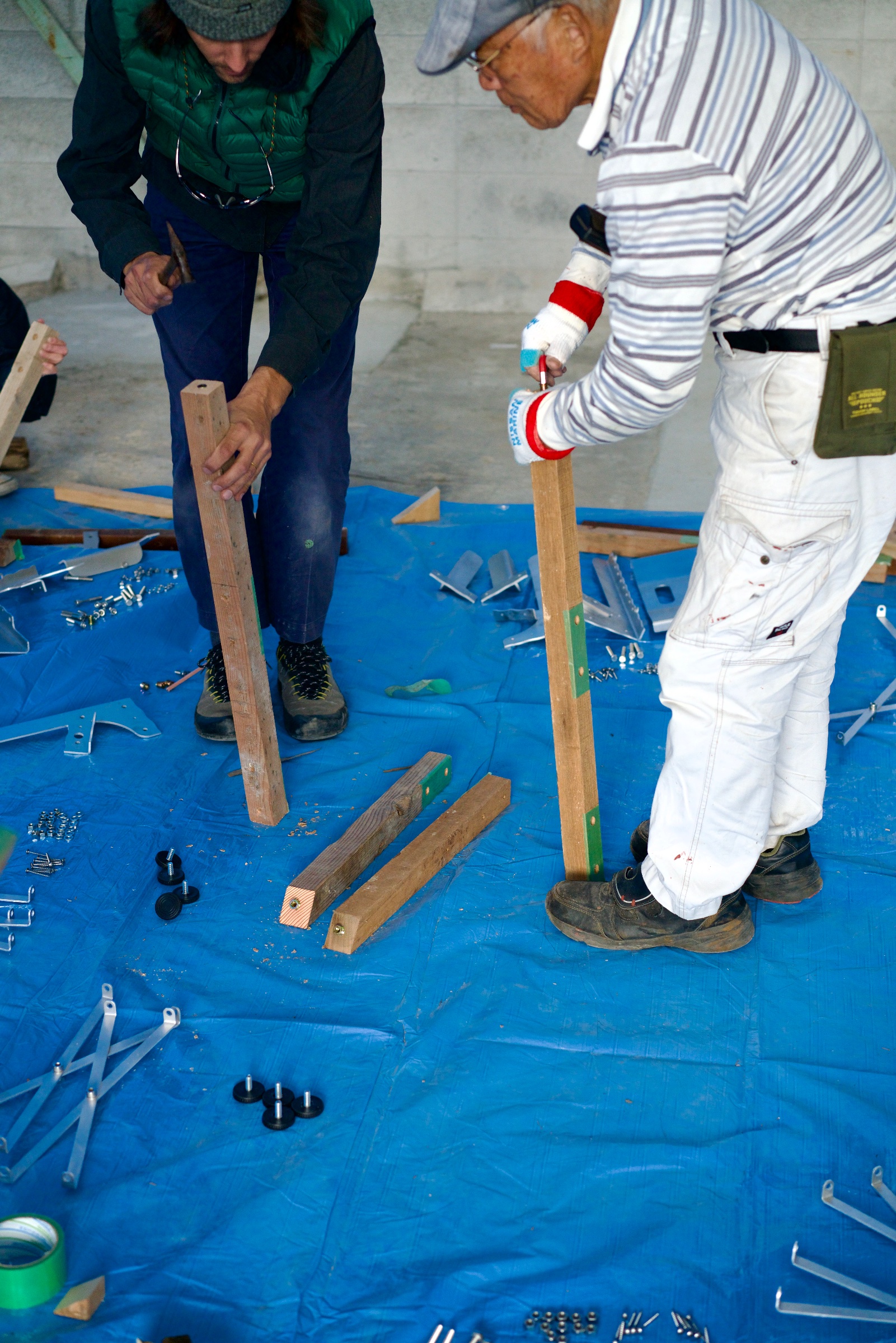
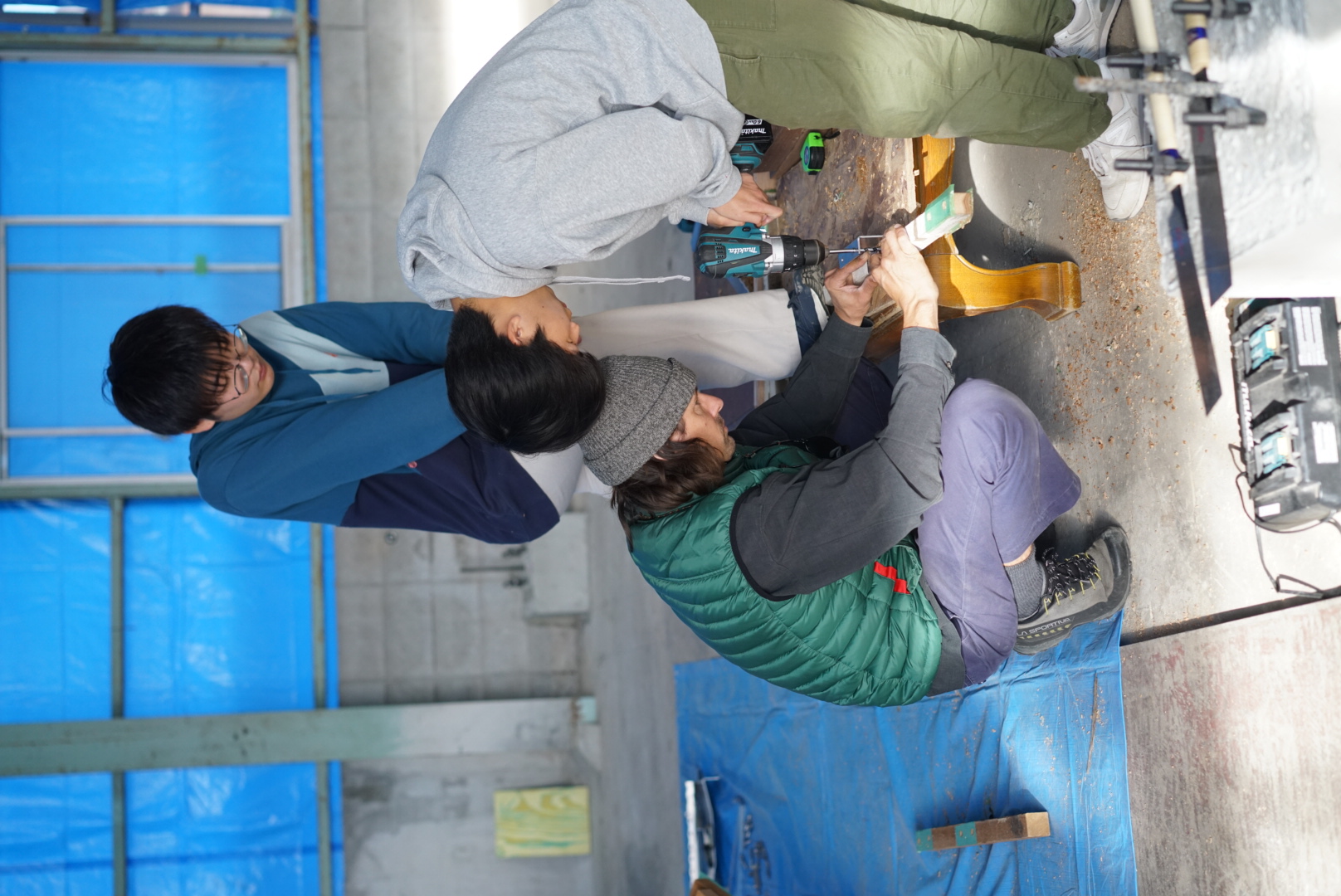
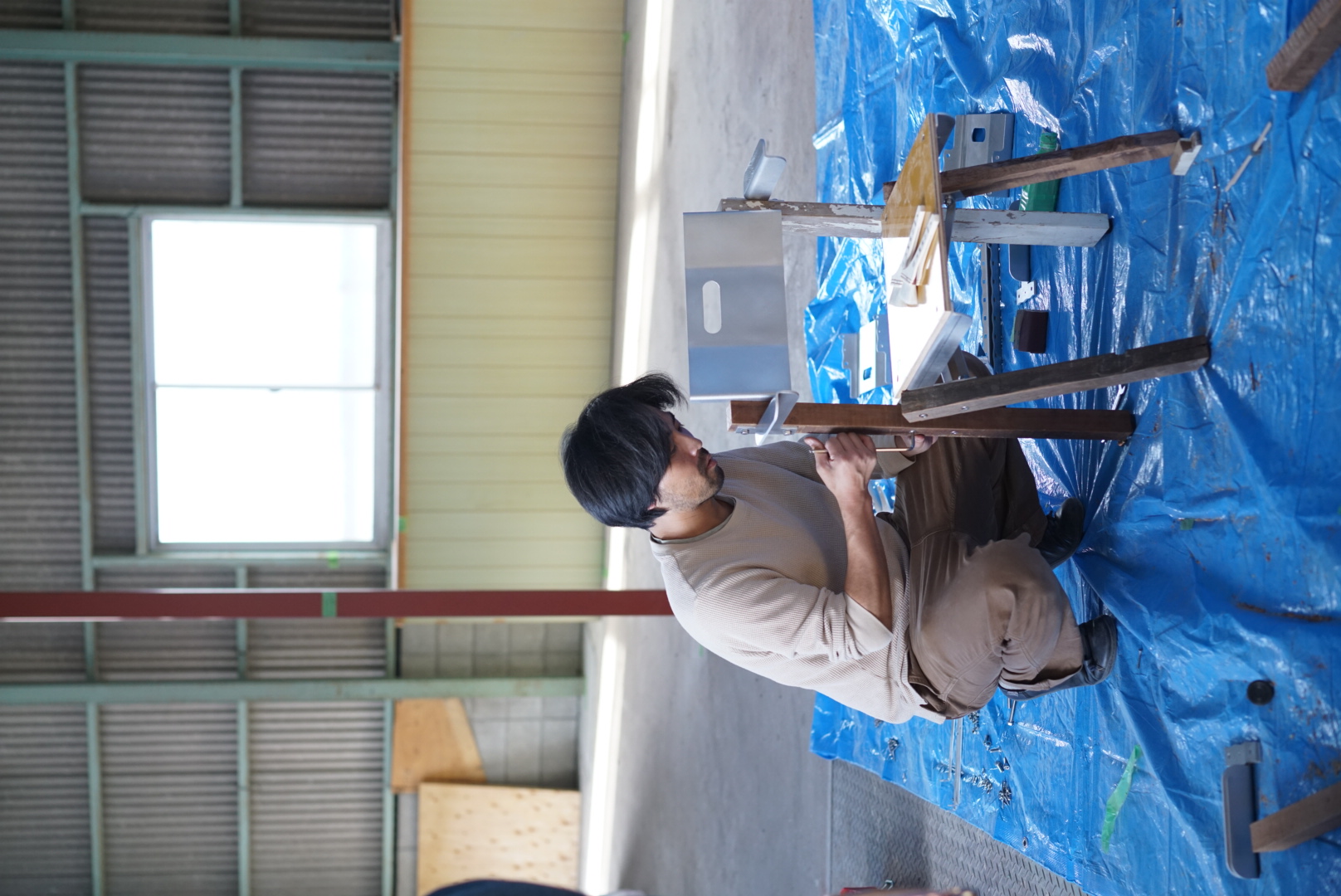
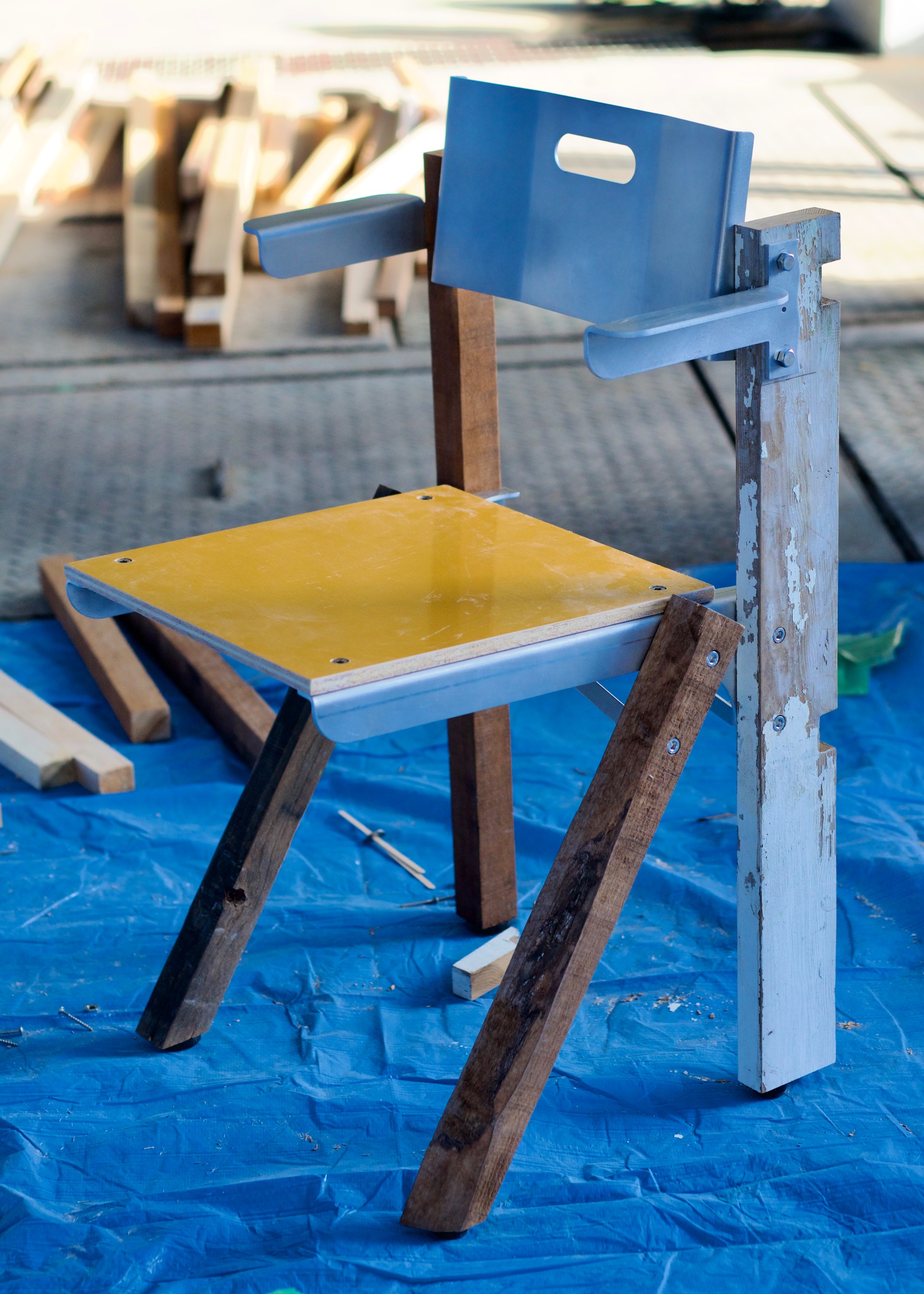
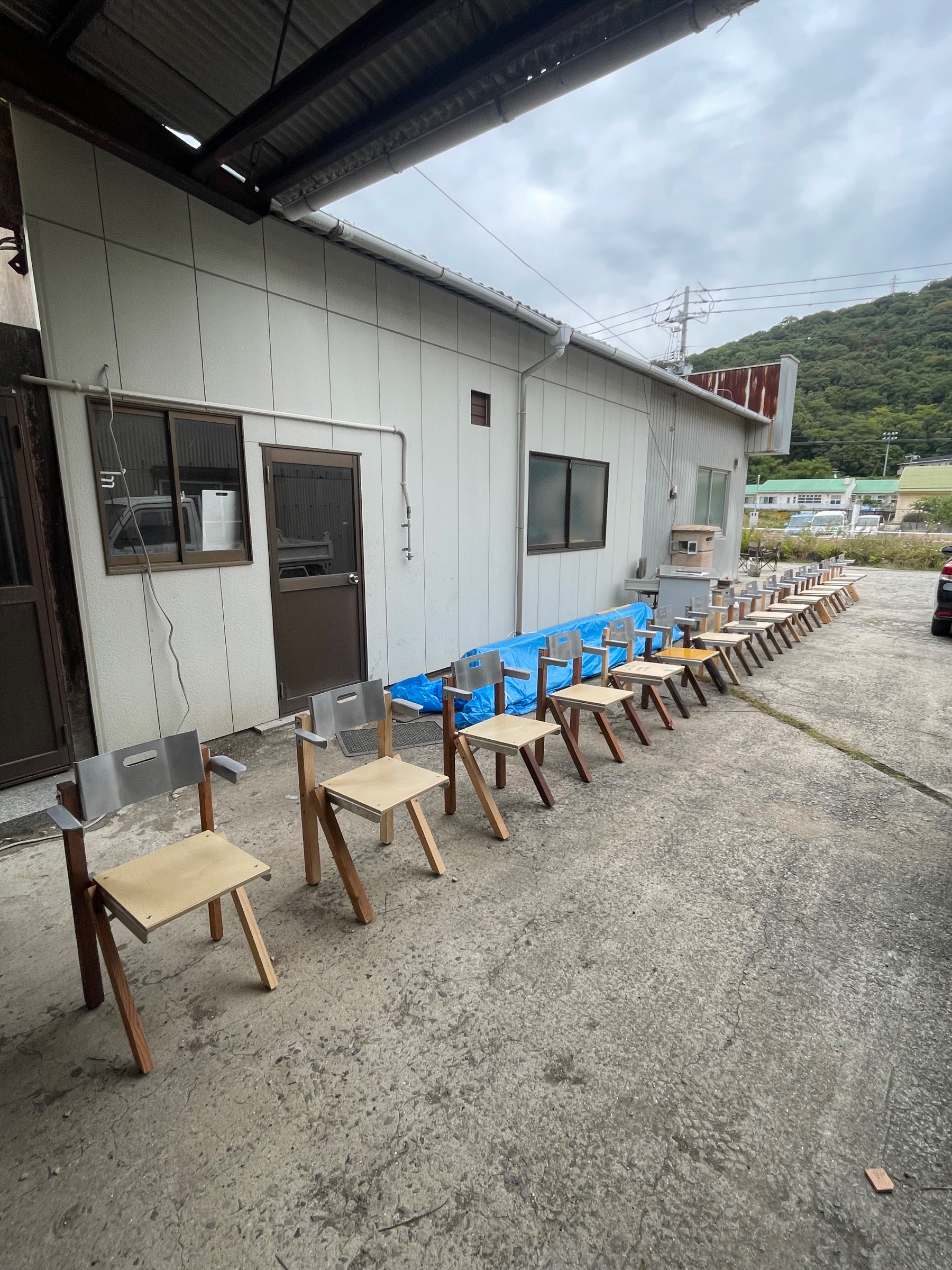
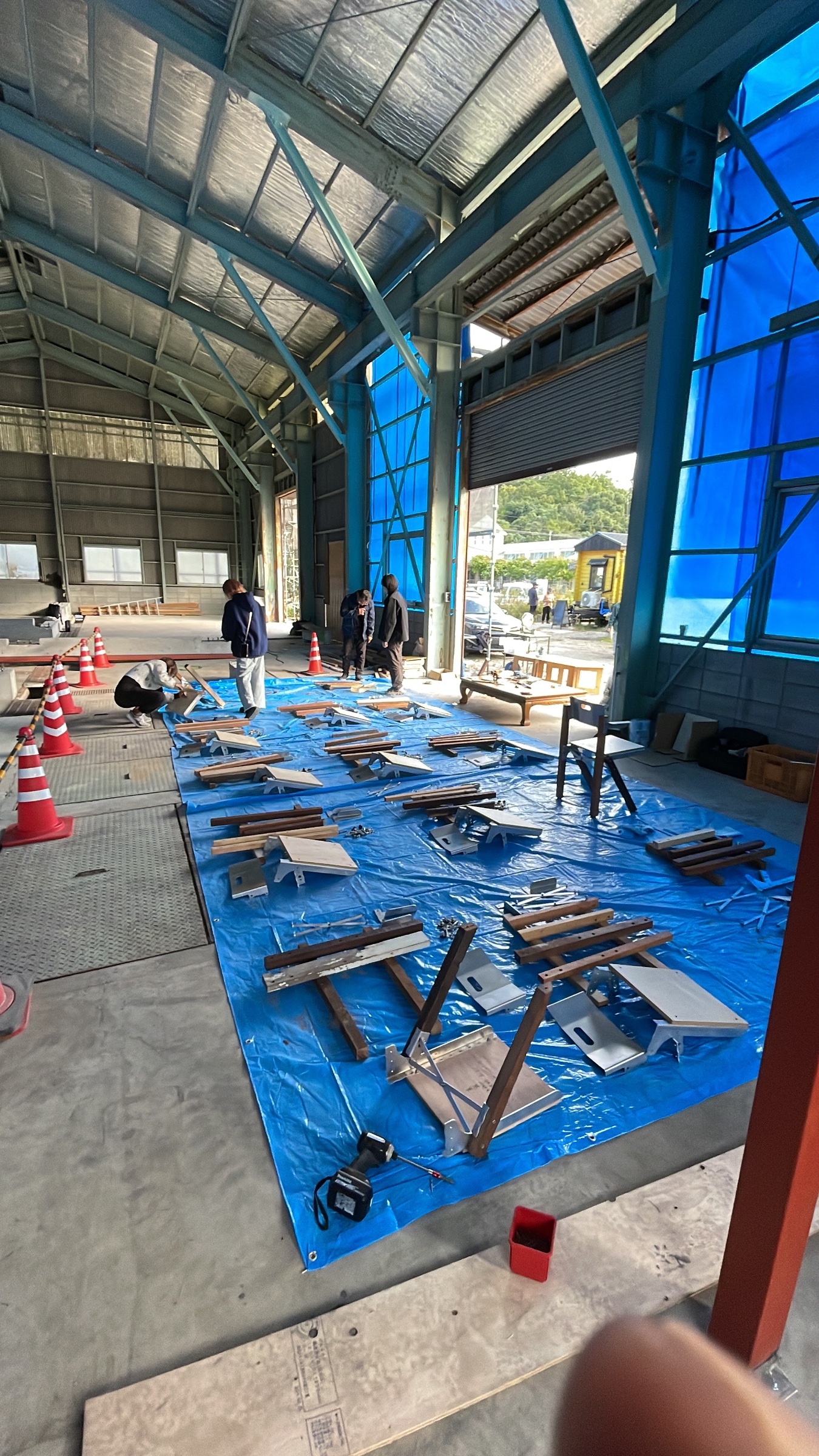
In collaboration with Jo Nagasaka and Schemata Architects, I developed a series of chairs for Teshima Factory, a former ironworks located beside Ieura Port on Teshima Island in Japan. The building was transformed into a cafeteria and food production facility, bringing a new public function to an existing industrial structure. My involvement focused on how the furniture could become part of this transformation, not only through its appearance and function, but through the materials and people involved in making it. Teshima has a complicated relationship with waste. The island became known for the illegal dumping of industrial materials, while its relative isolation also encouraged a culture of working with resources already available locally. This condition became an important starting point for the project. Rather than bringing finished chairs to the island, we began by looking at what was already there, collecting discarded wood and other leftover materials that could be brought into a new construction. The chairs were developed using an early version of my V-SERIES system, V2.2, based on a small number of precisely manufactured aluminium components that connect different materials into a functional structure. The system provides a common framework while leaving much of the construction open to interpretation. Materials of different origins, dimensions, colours and previous uses could become part of the same chair without needing to be made uniform. Together with residents of Teshima, we produced sixteen chairs through a series of workshops. The process of collecting, selecting, cutting and assembling the materials became as important as the finished objects. Each chair developed its own character through the available materials and the decisions made during construction. The differences between the chairs were not something to eliminate, but a way of making their individual histories and the circumstances of their production visible. I am interested in how a design can establish a shared structure without prescribing every outcome. In this project, the aluminium components introduced a degree of industrial precision, while the reclaimed materials and collective making process allowed for variation and spontaneity. The chairs became a meeting point between standardized production and local knowledge, between a repeatable system and the particular conditions of a place. Today, the chairs are used in the cafeteria, where island residents and visitors gather around food produced on Teshima. They have become part of everyday life within the renewed factory. For me, the project illustrates how furniture can be more than an object placed within an architectural space. It can also carry the materials, labour and relationships through which that space comes into being.