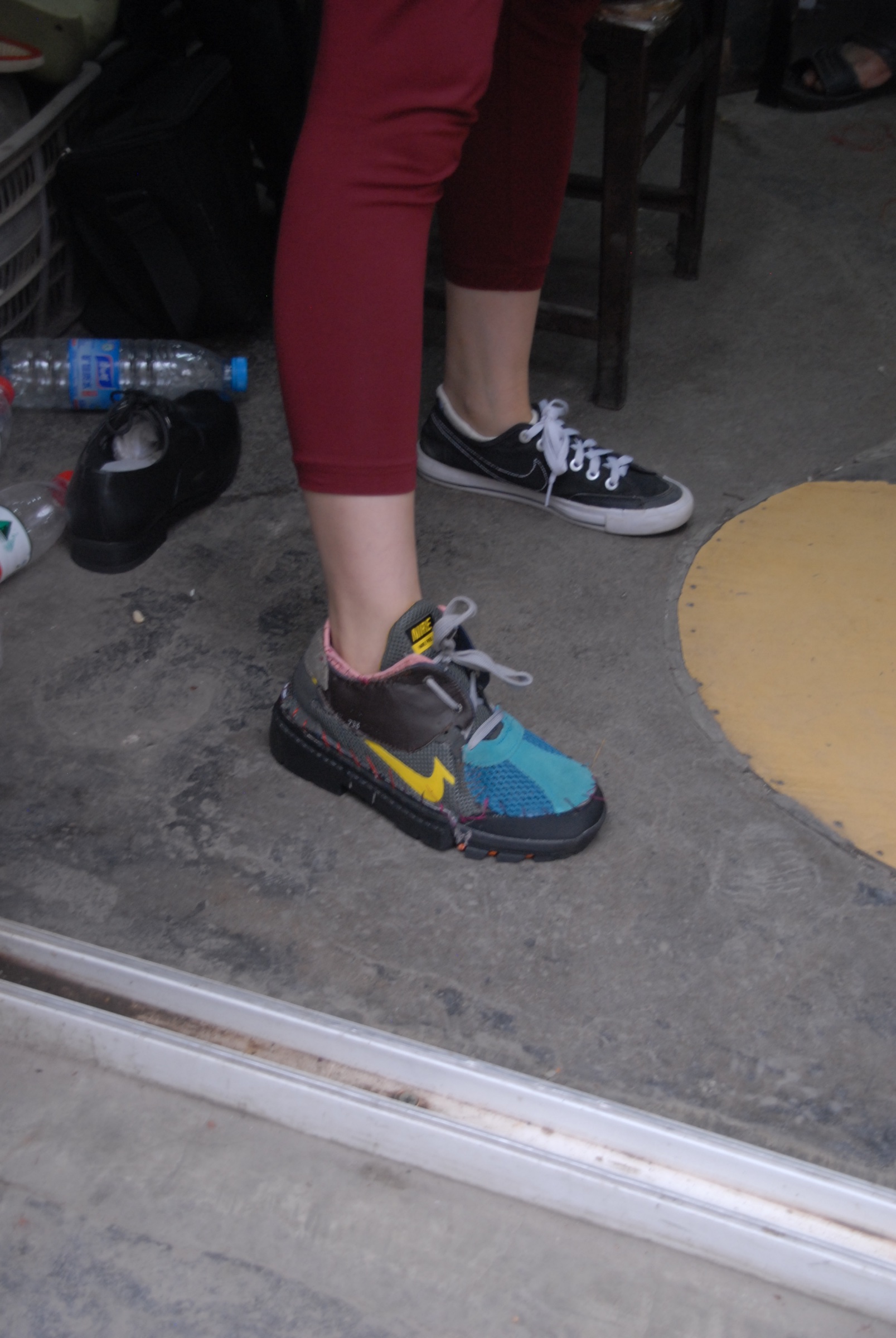
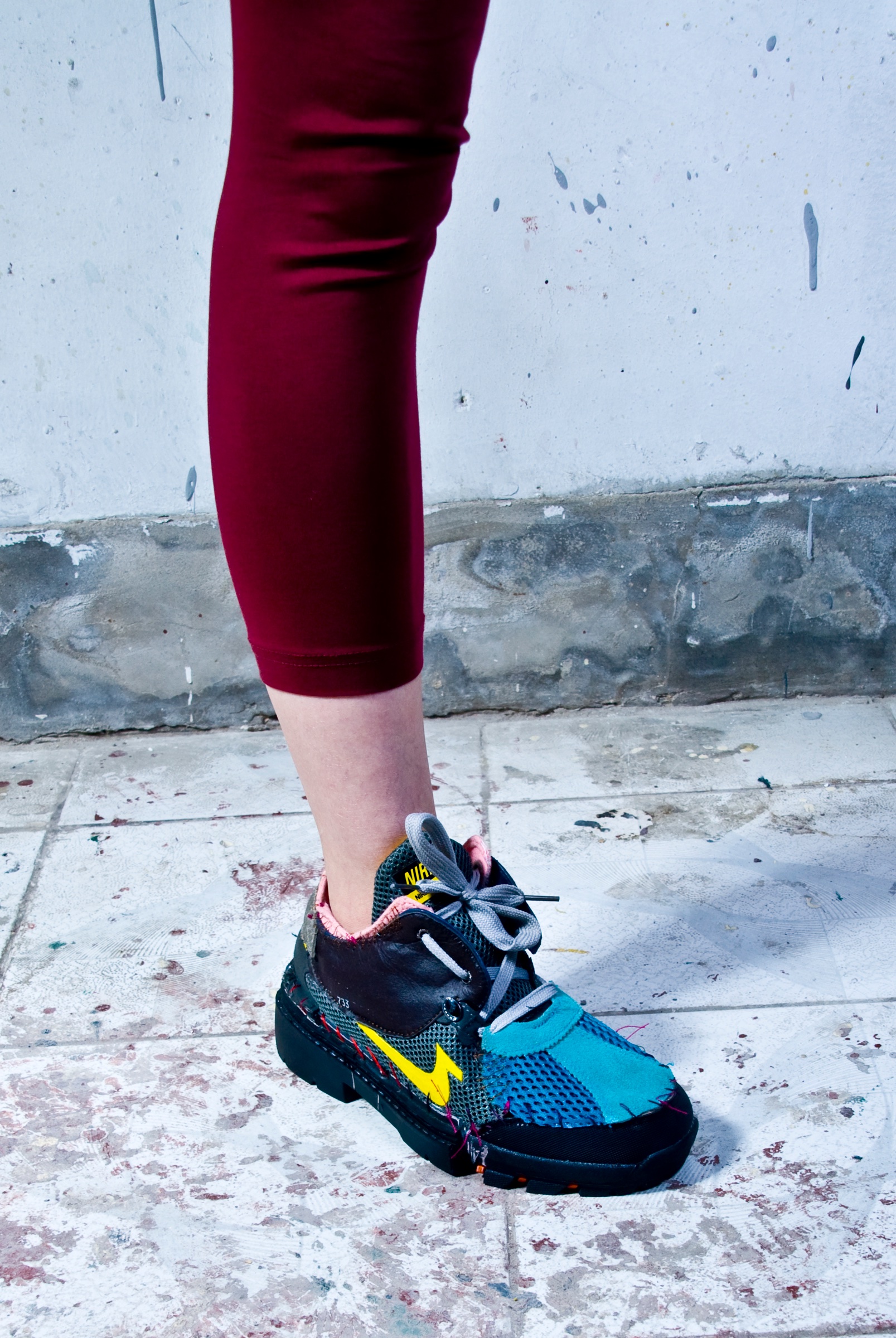
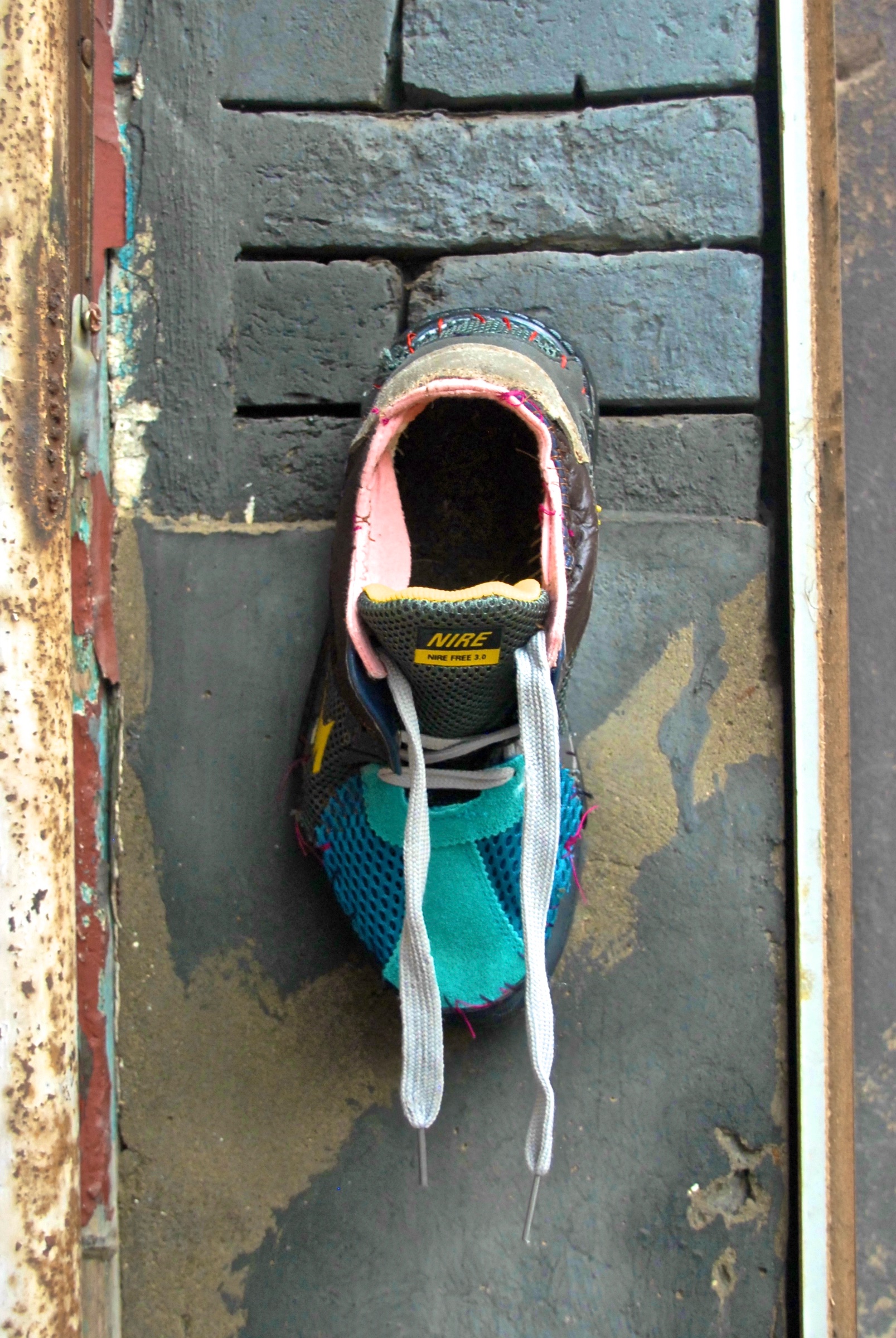
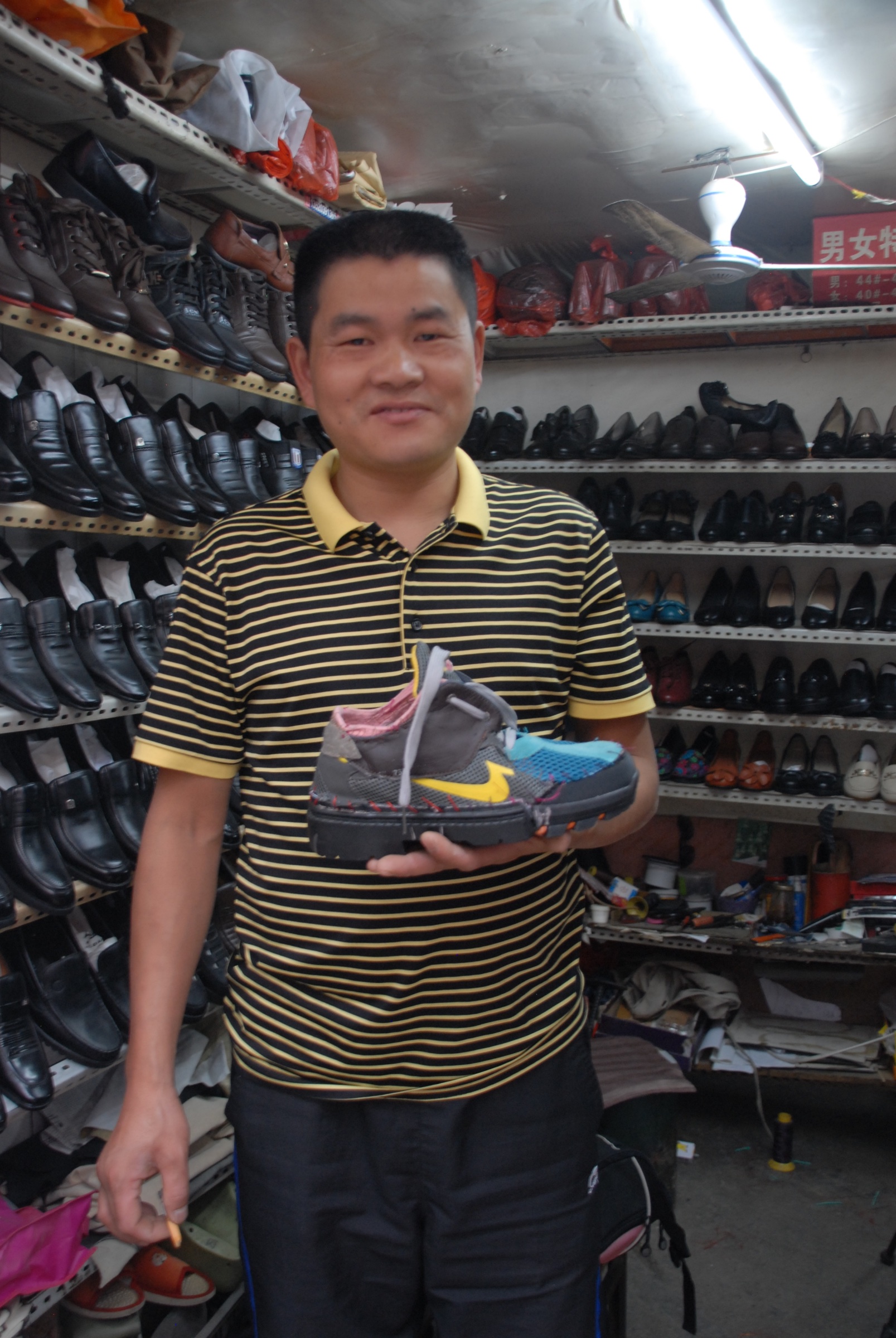
Dashilar flagship store, 2013 — Beijing
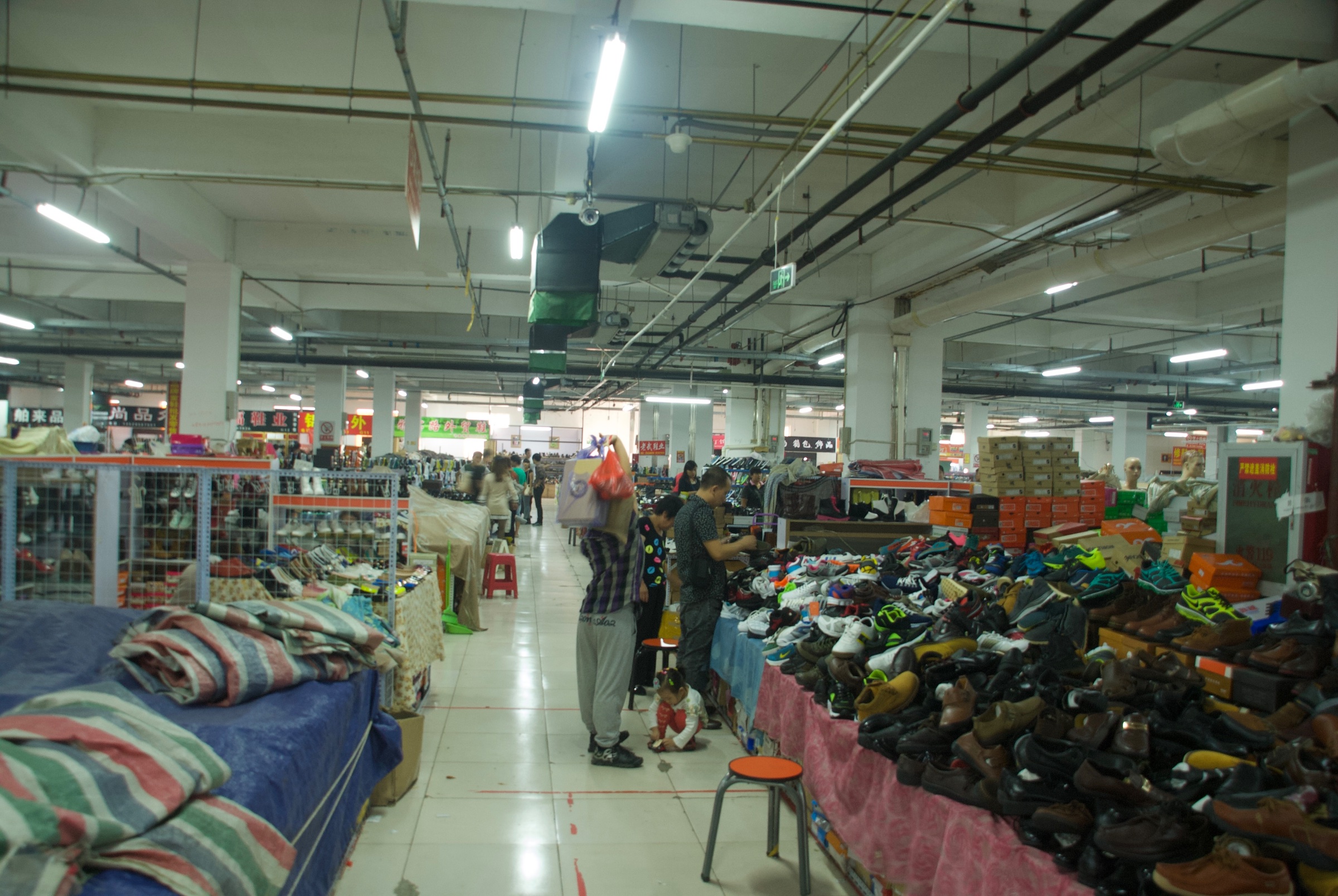
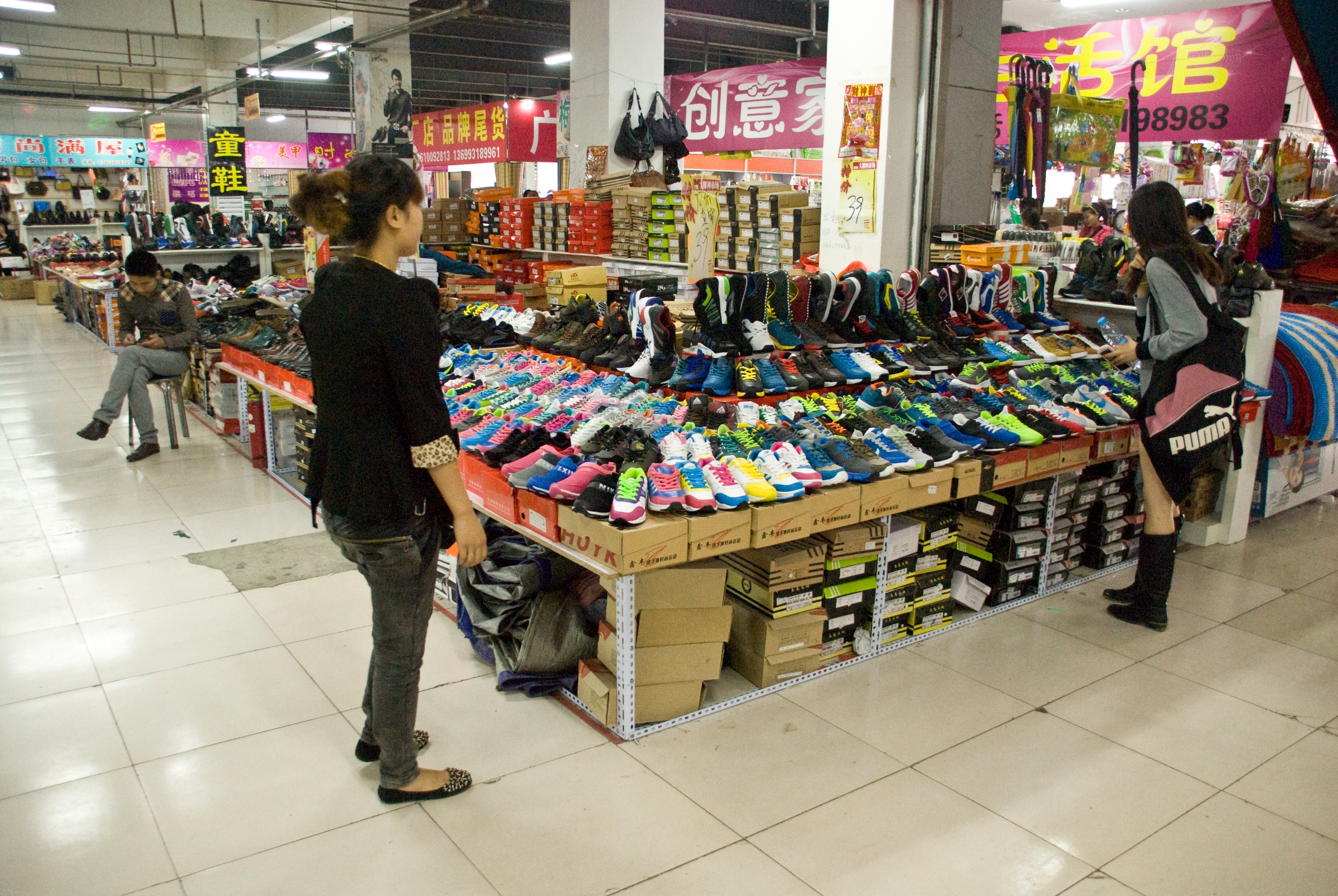
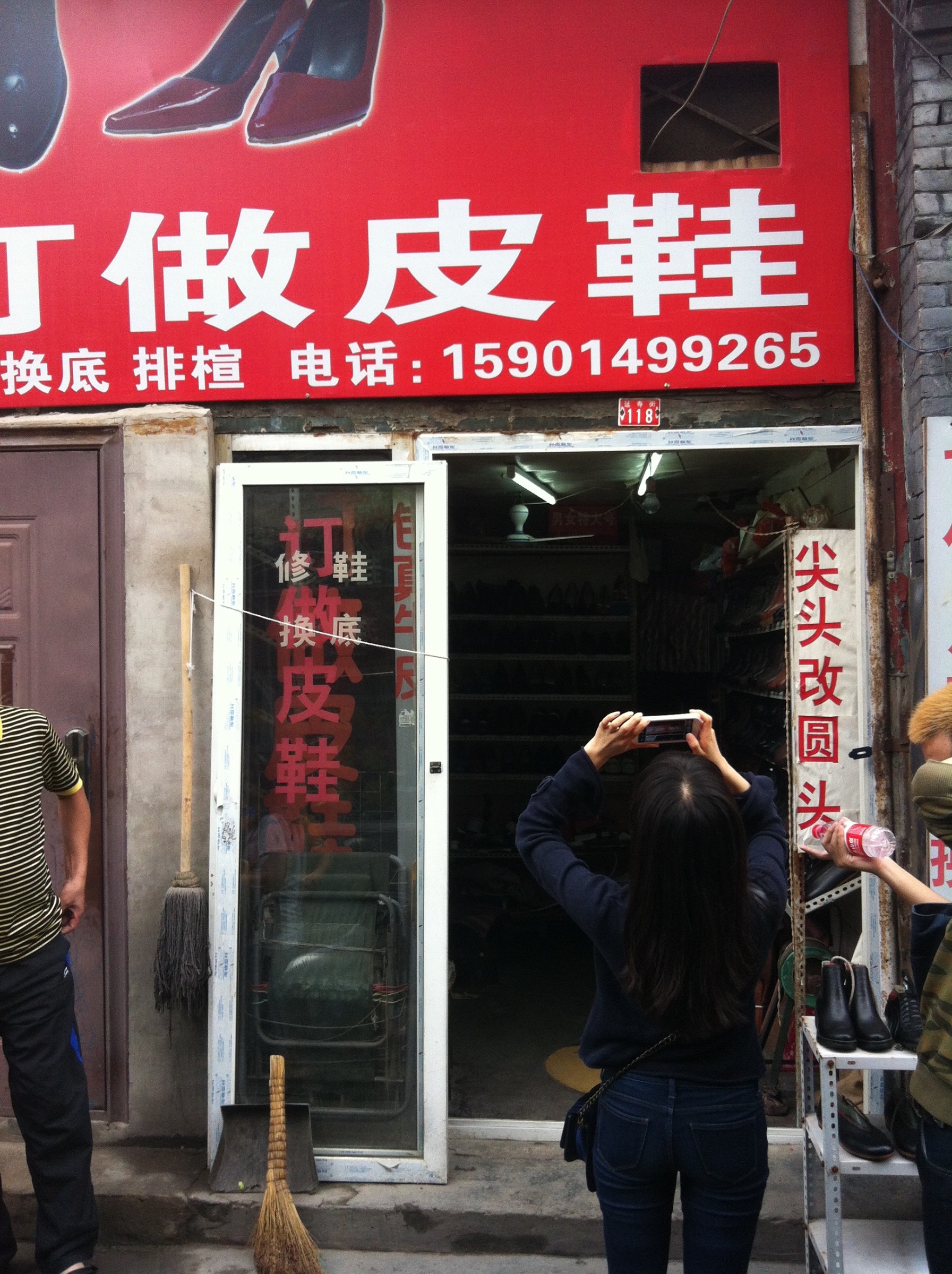
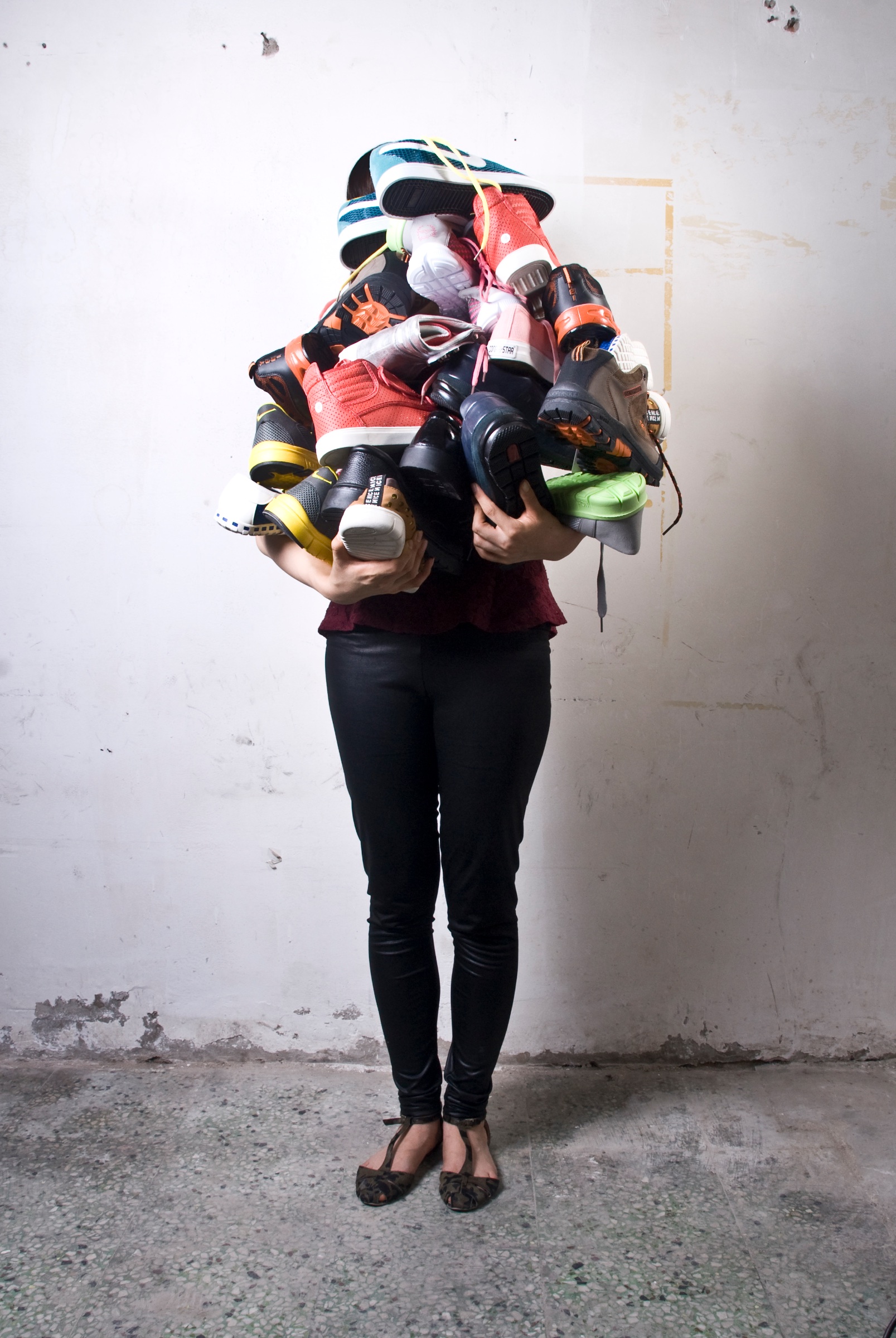
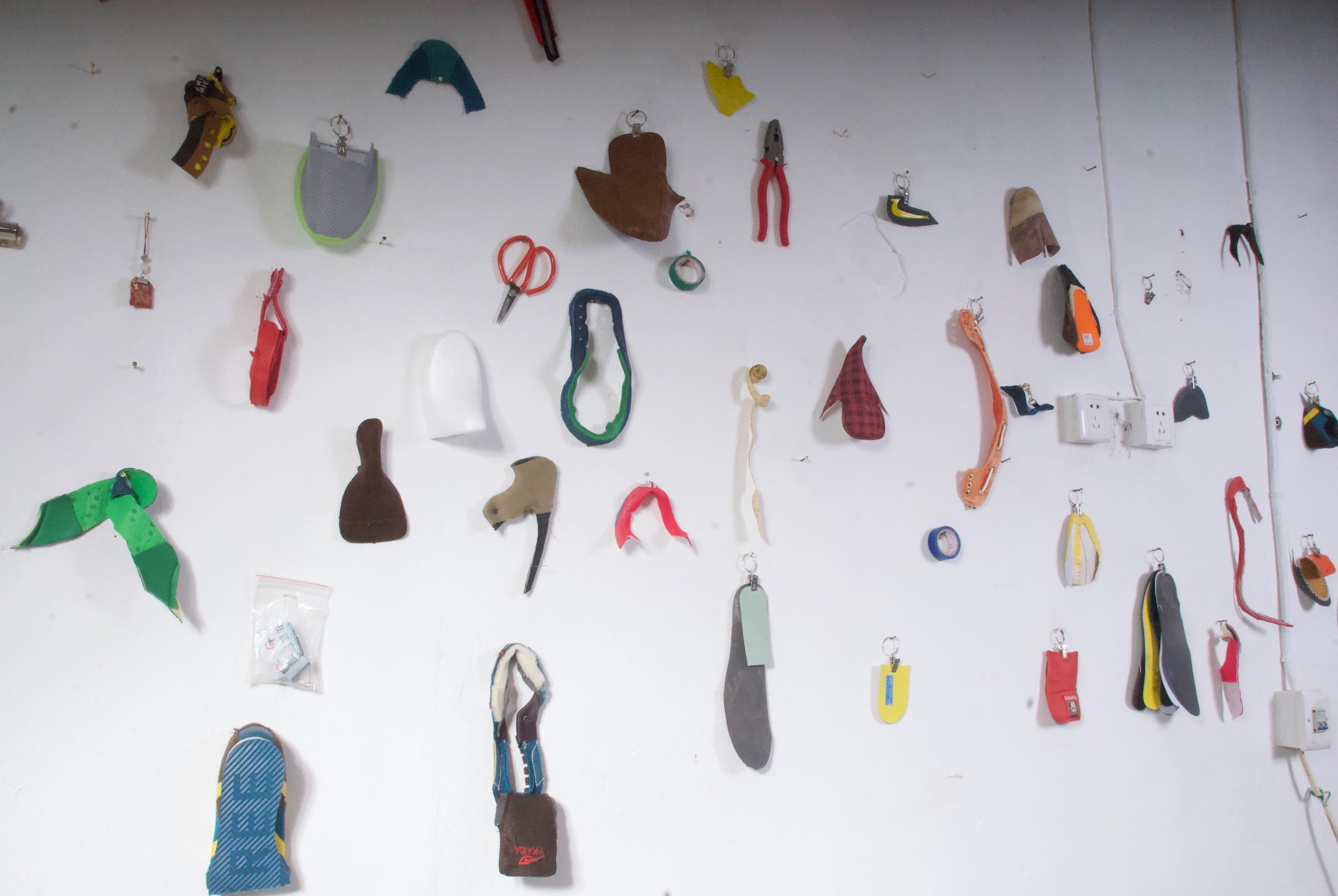
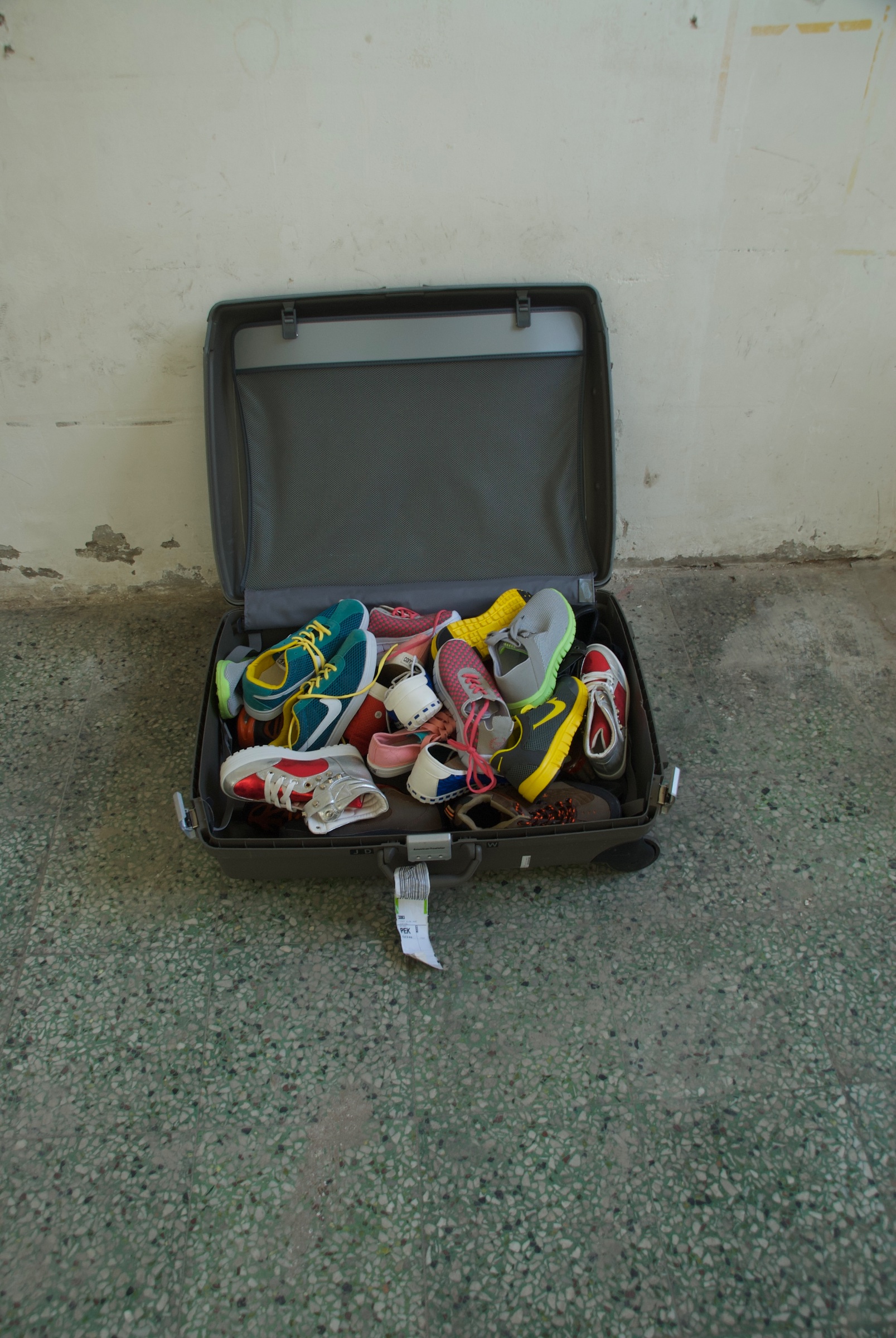
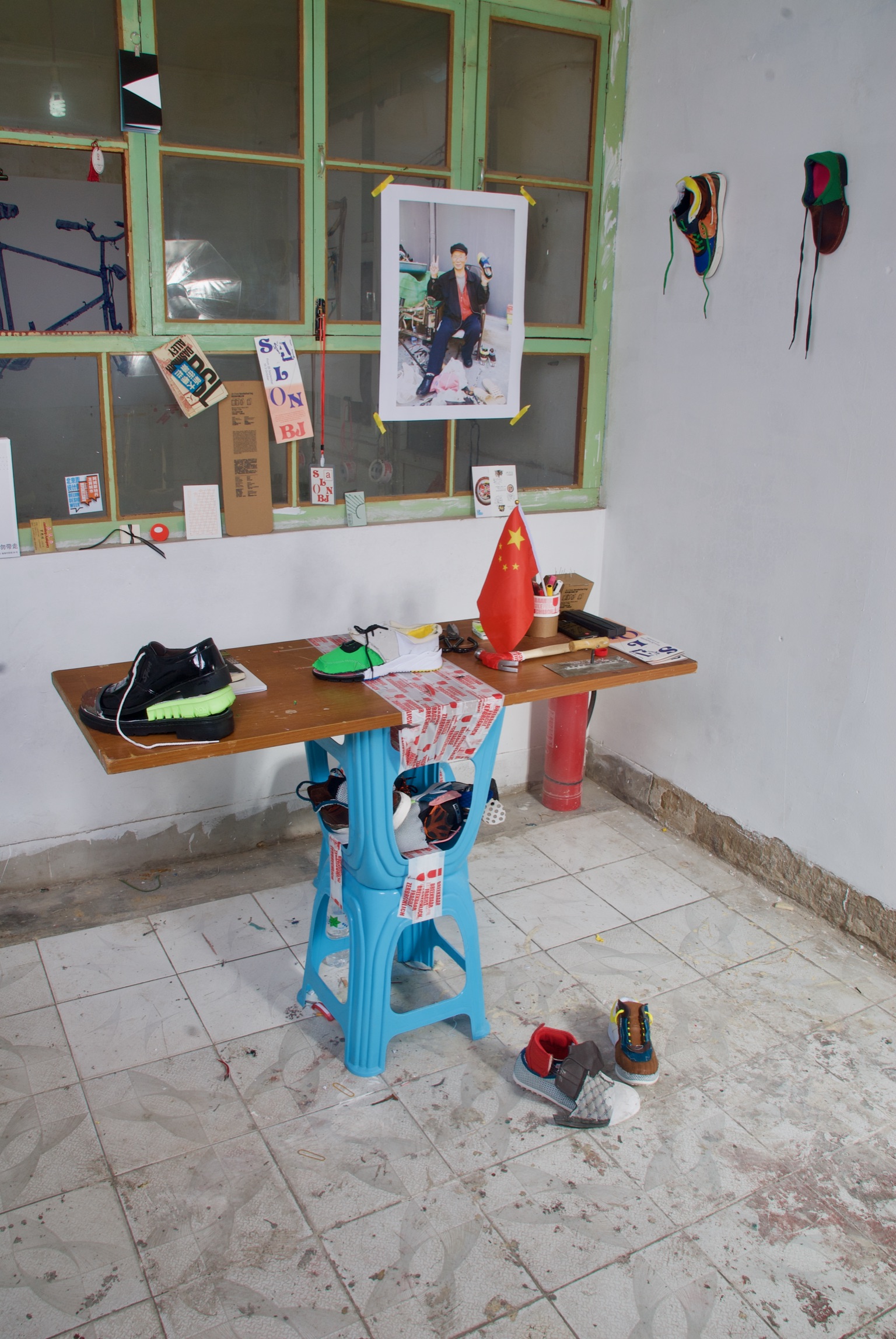
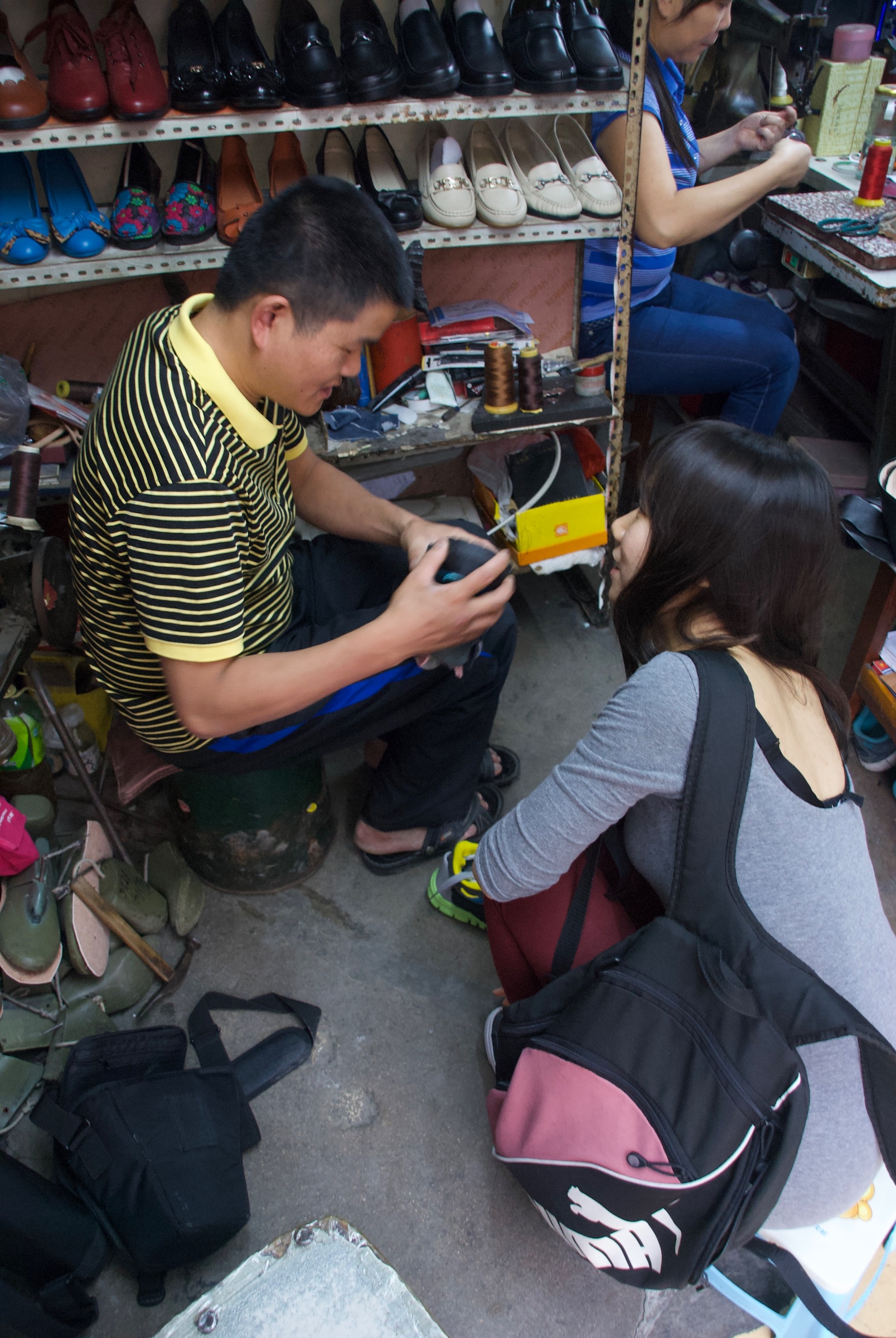
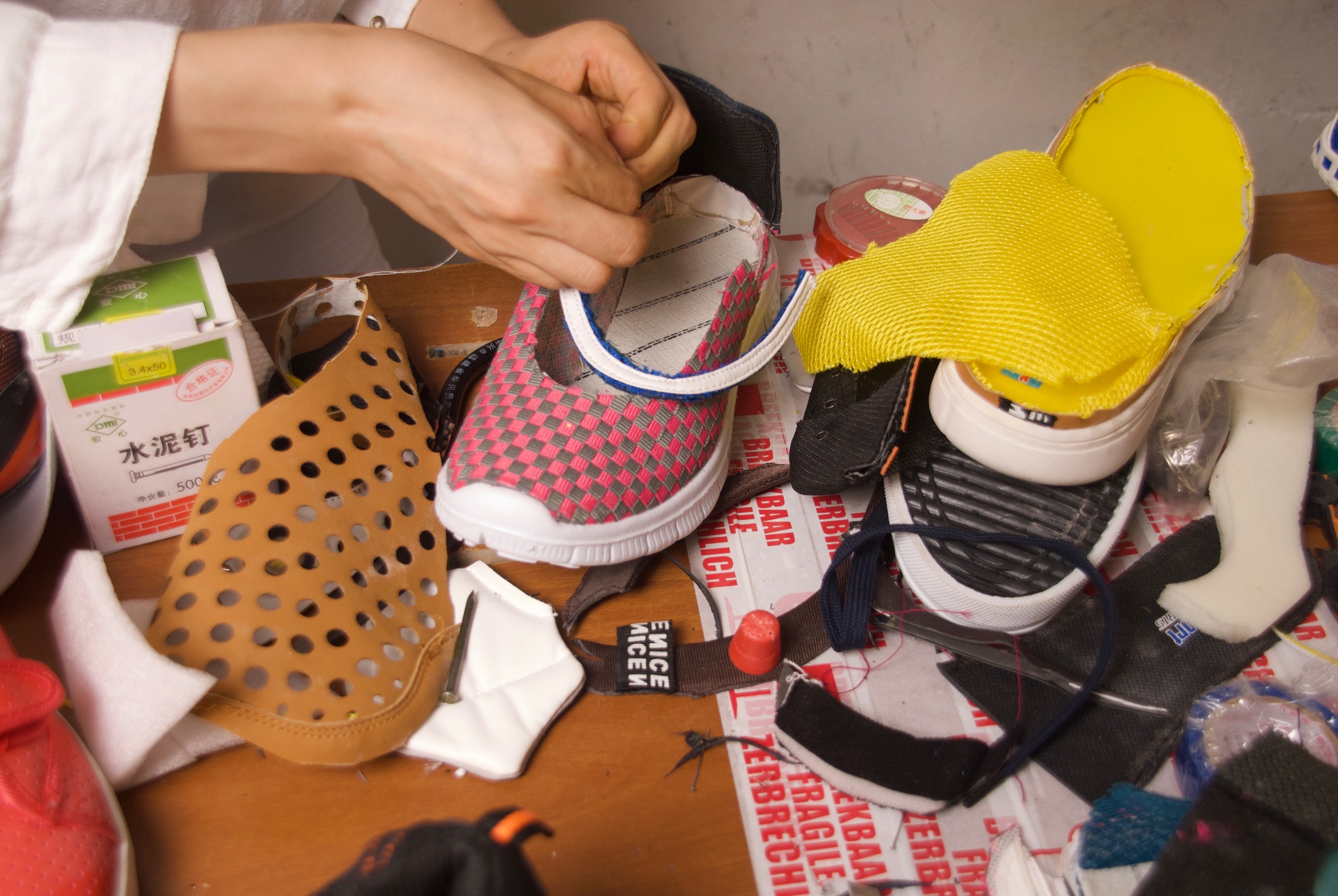
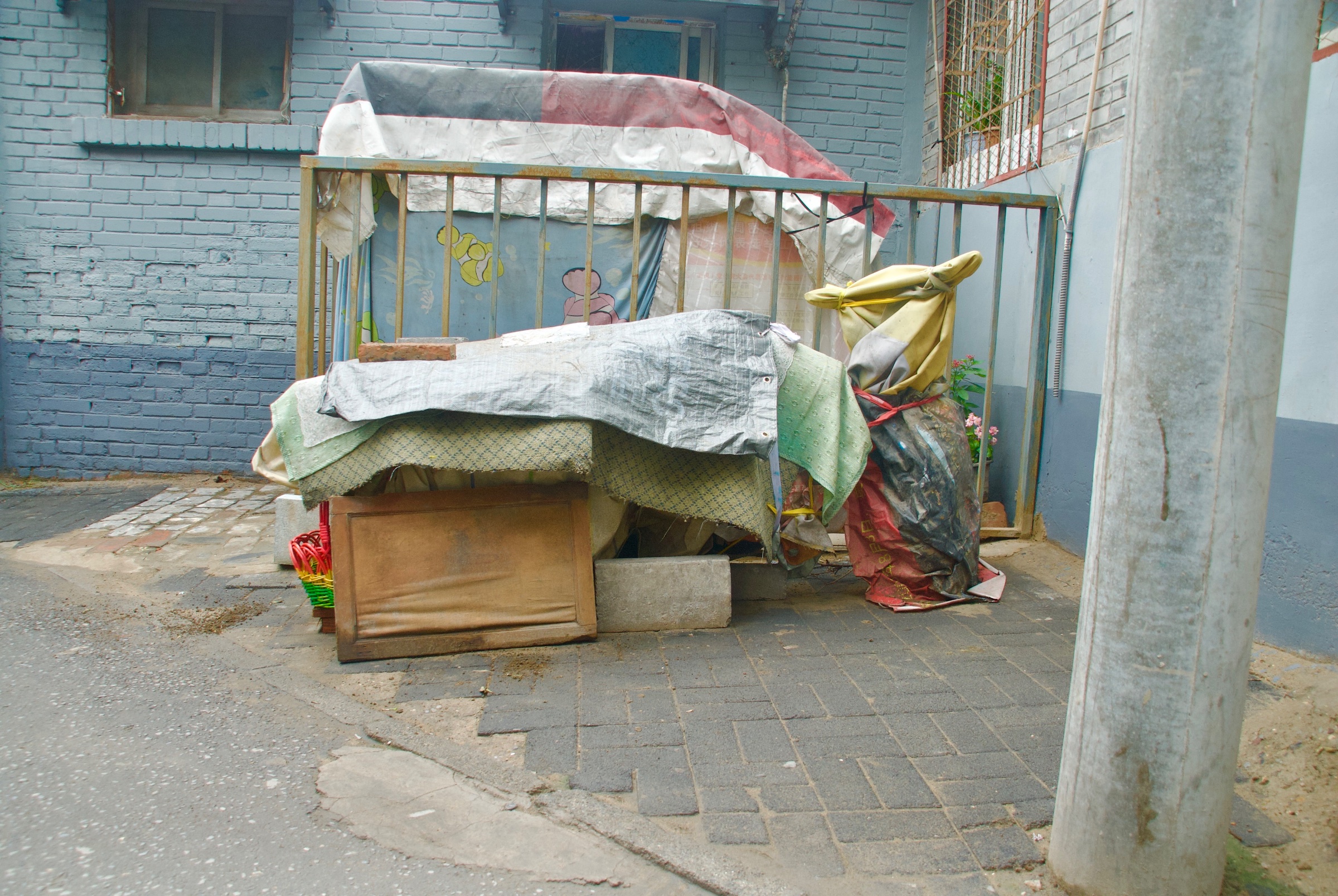
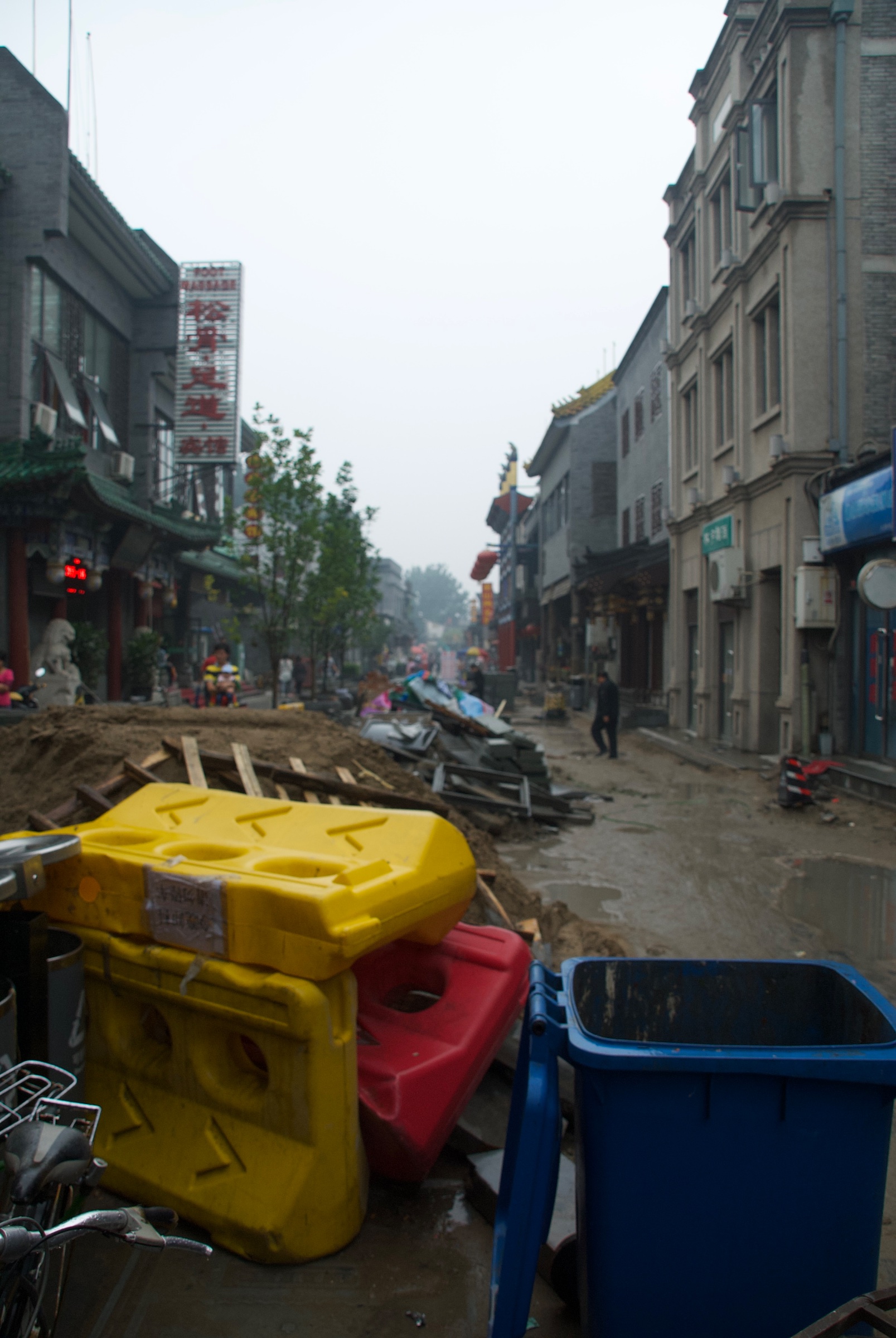
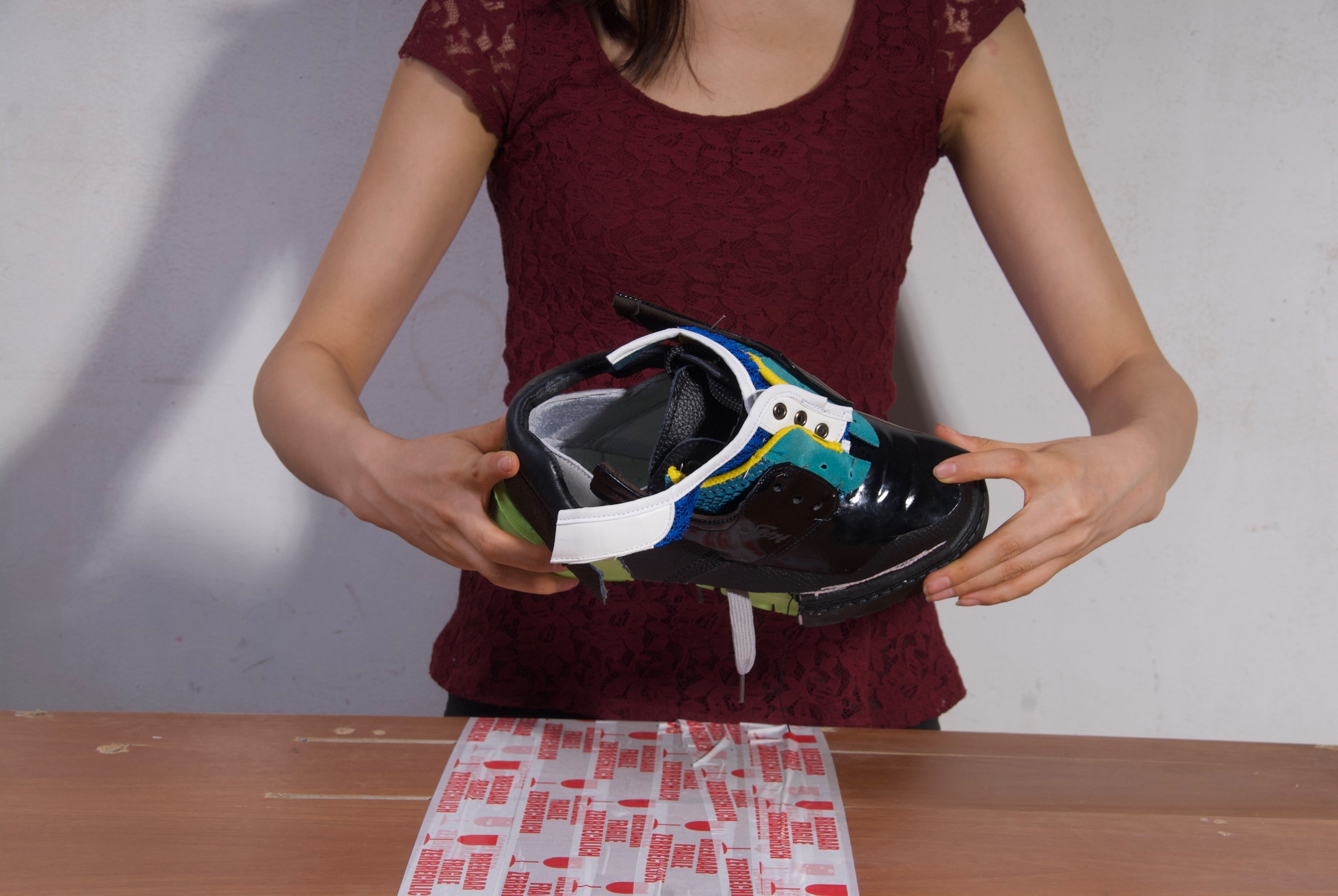
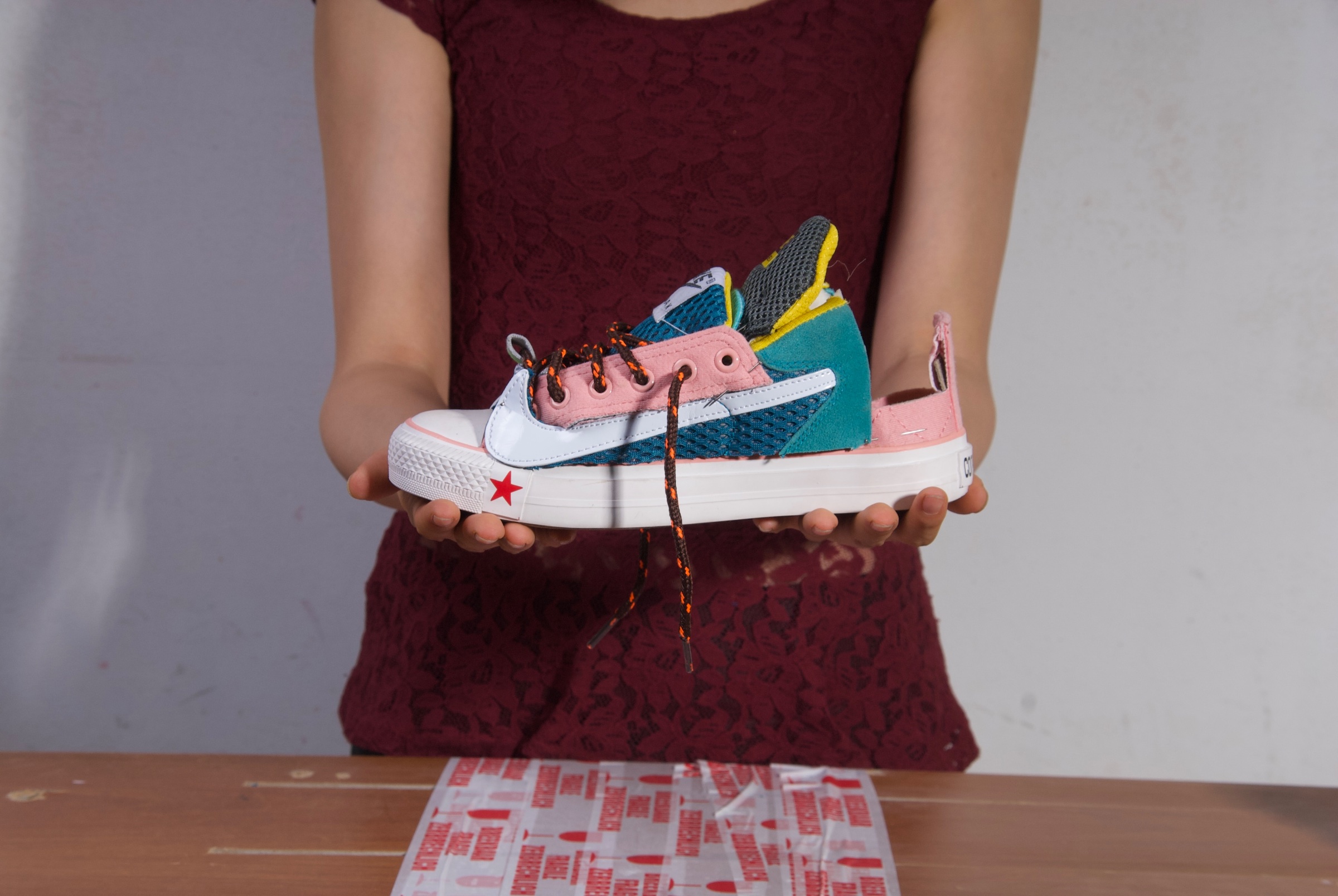
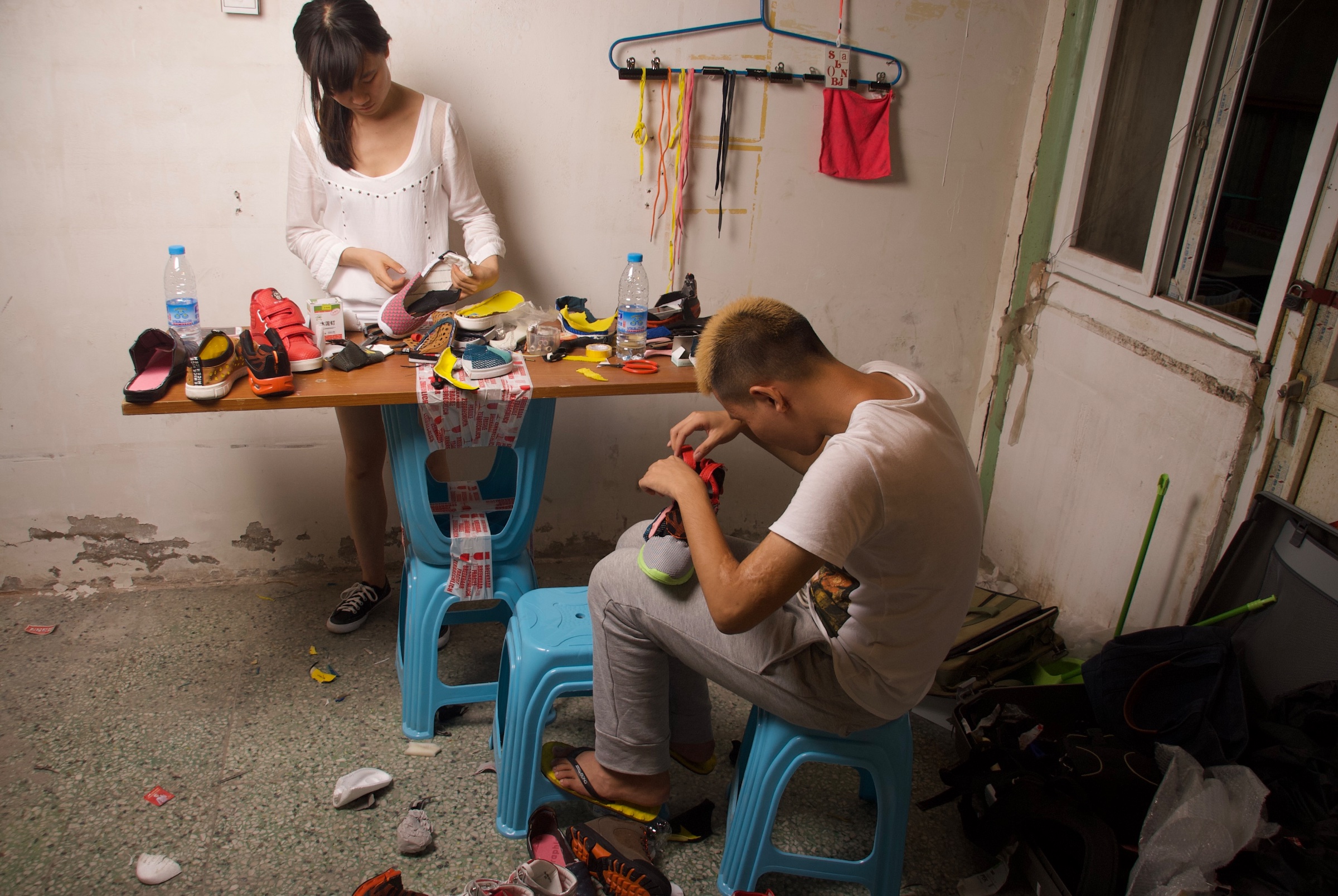
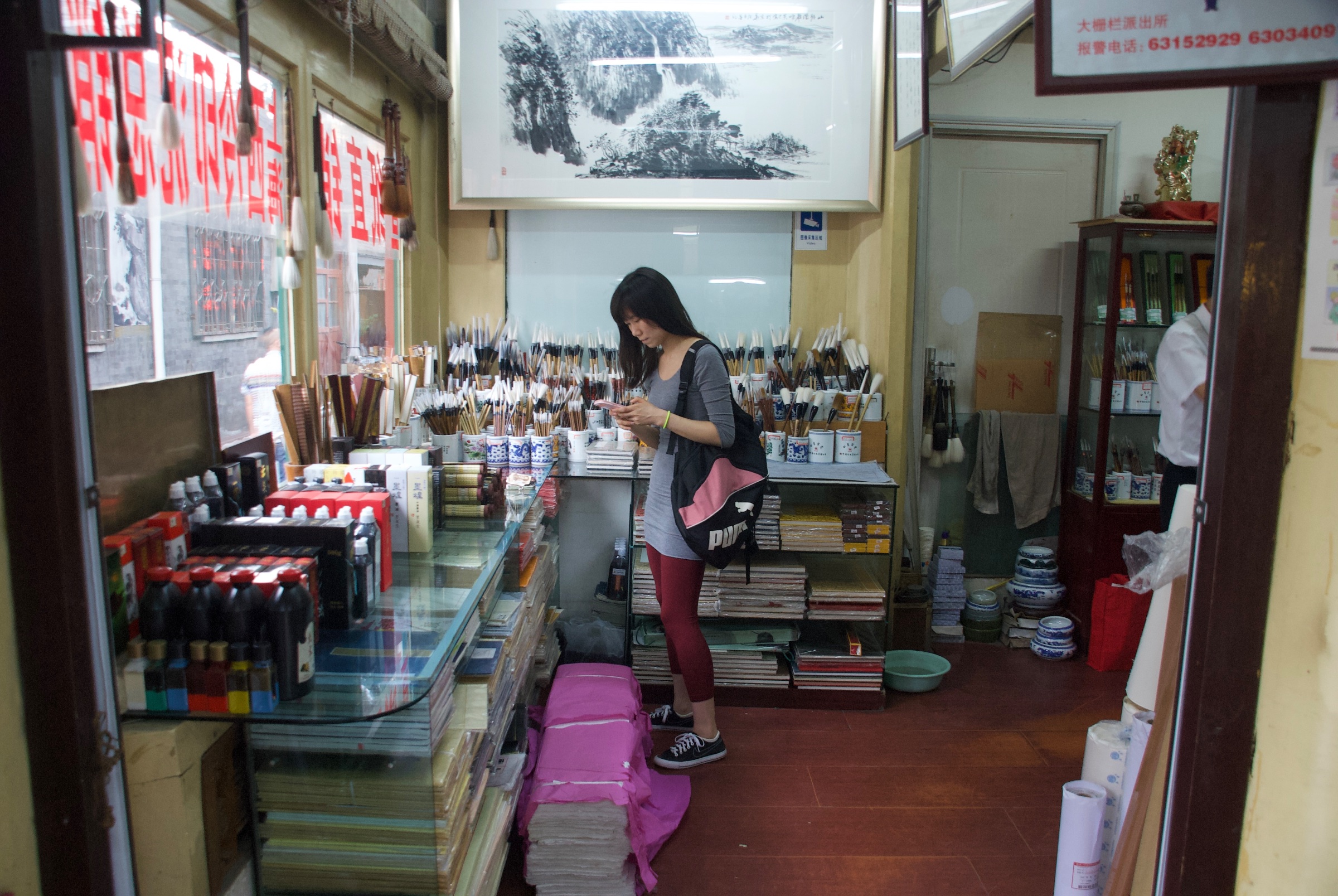
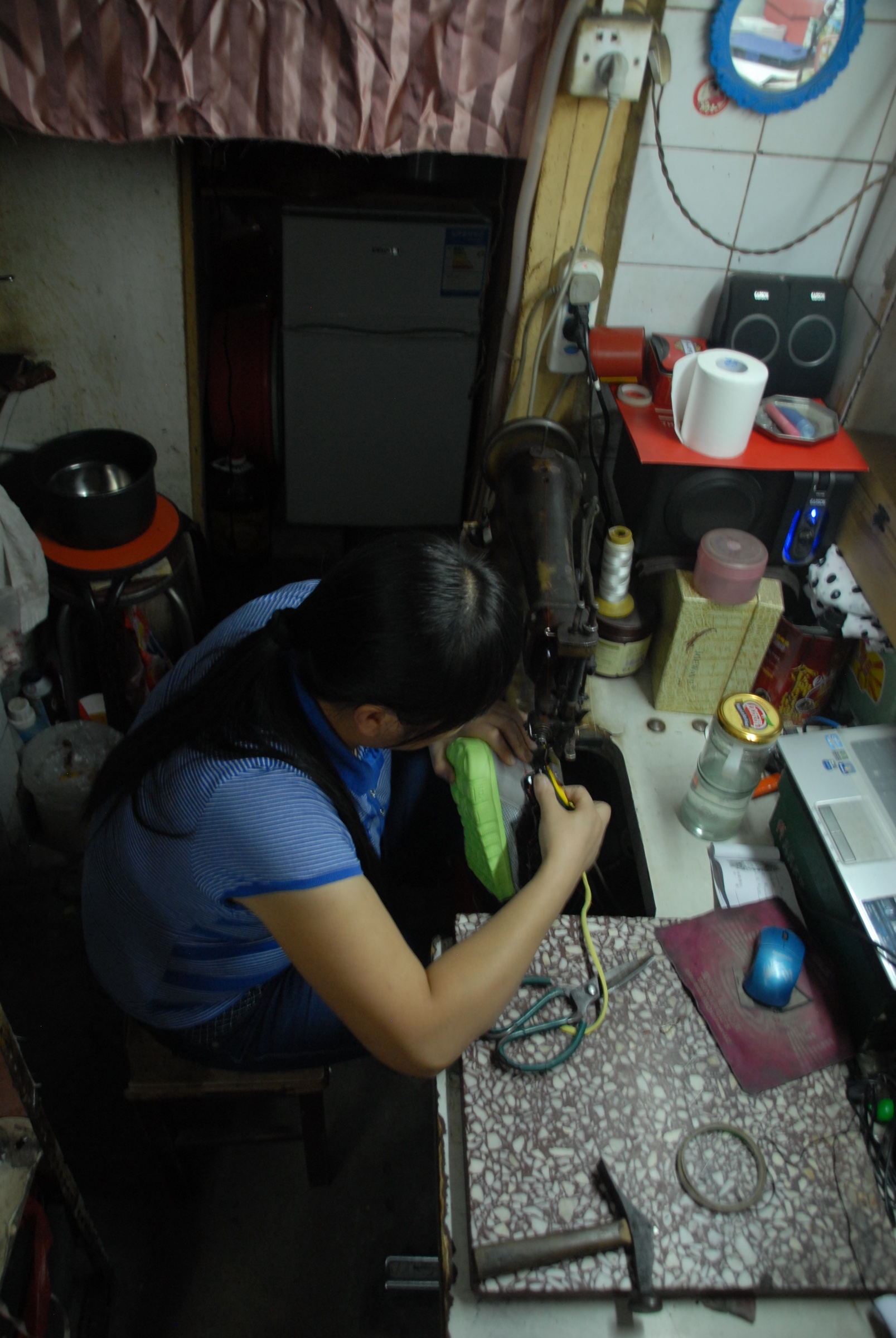
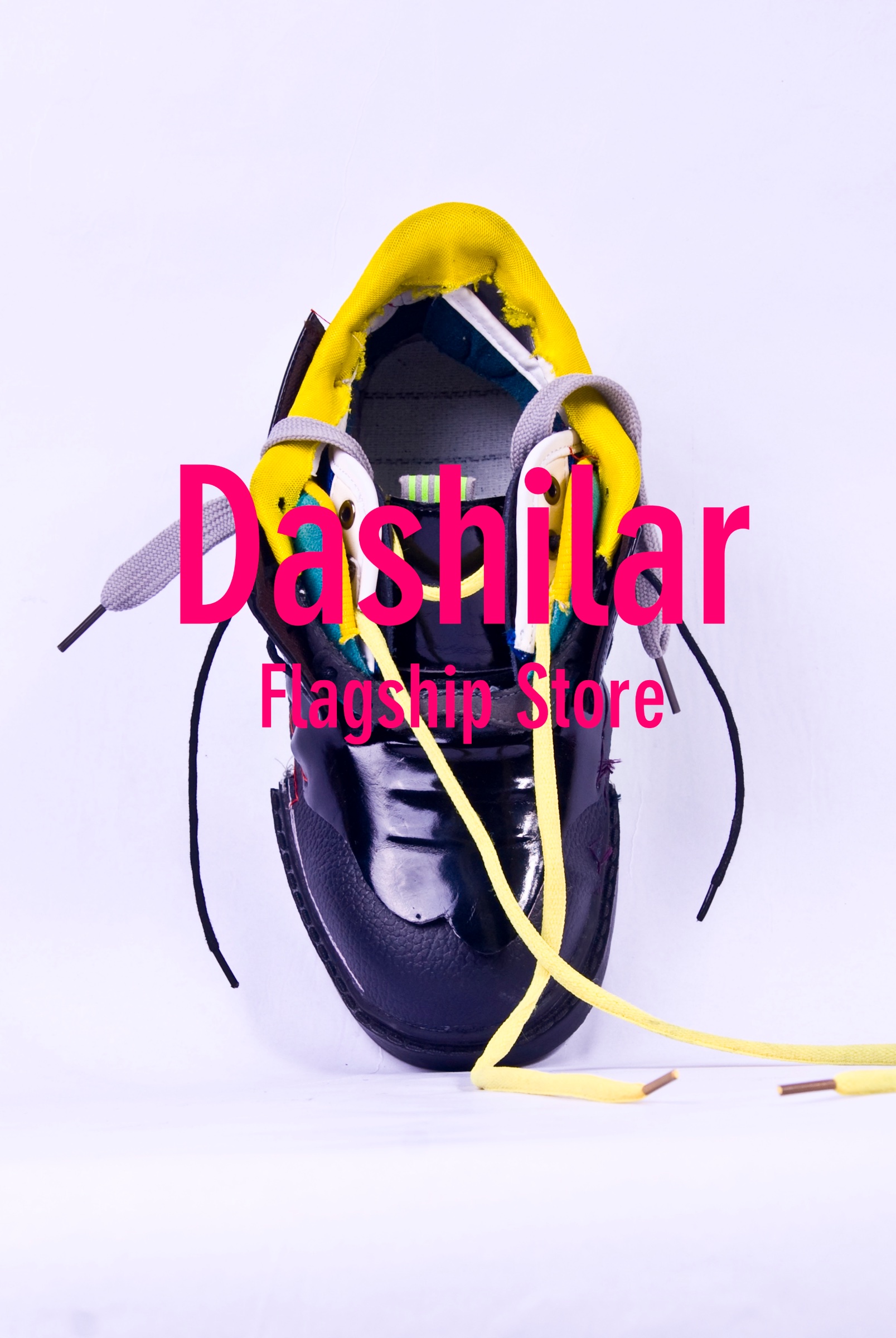
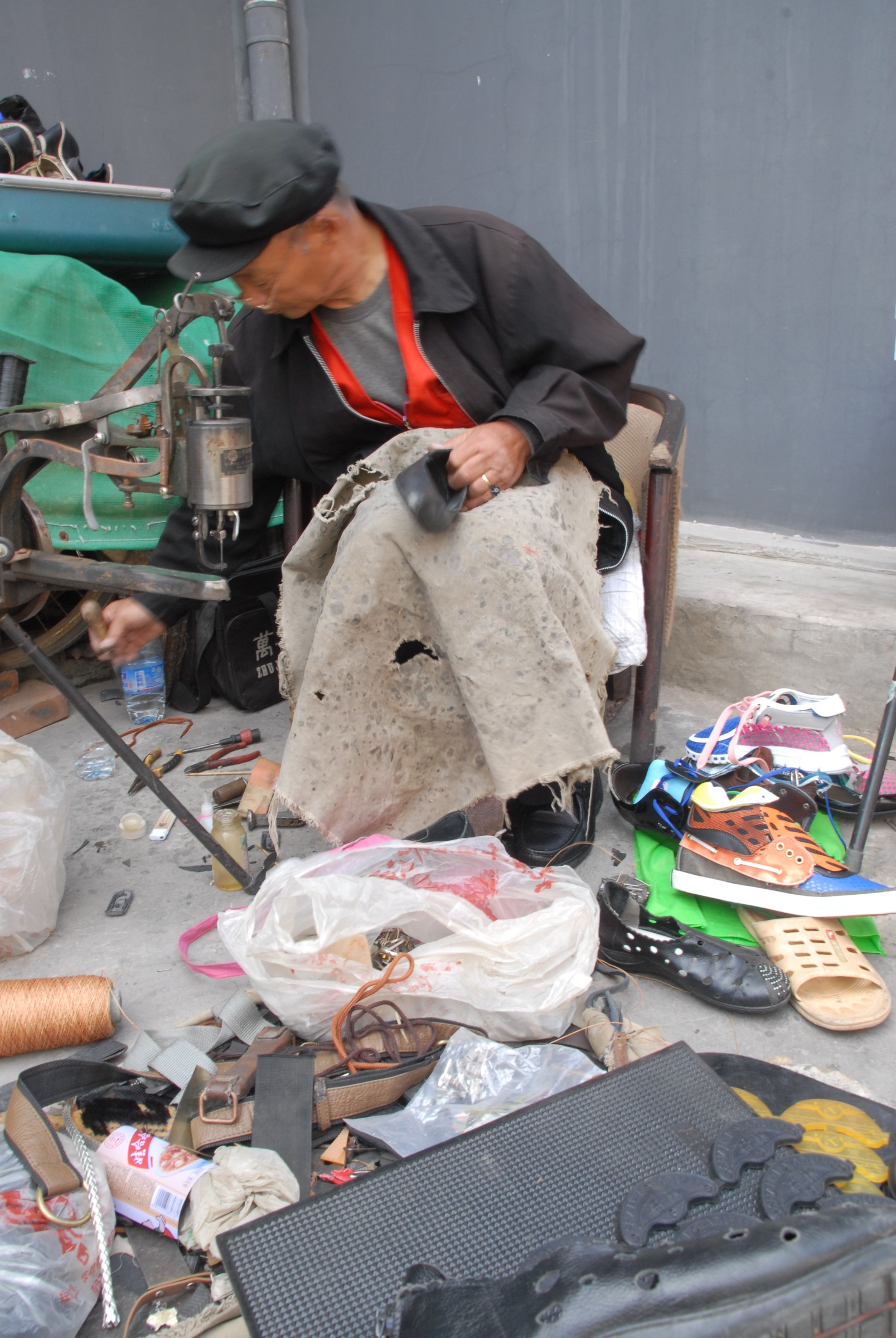
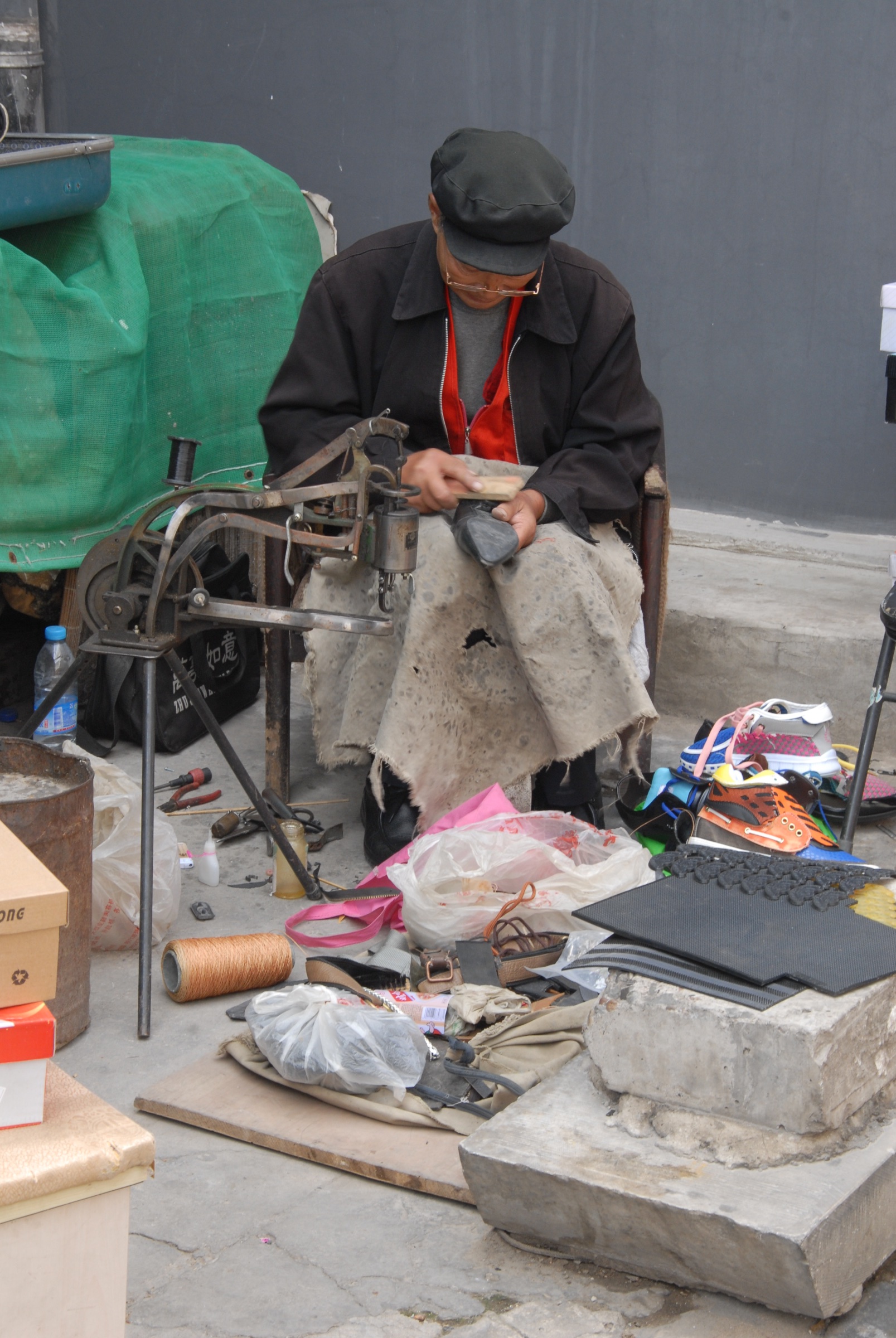
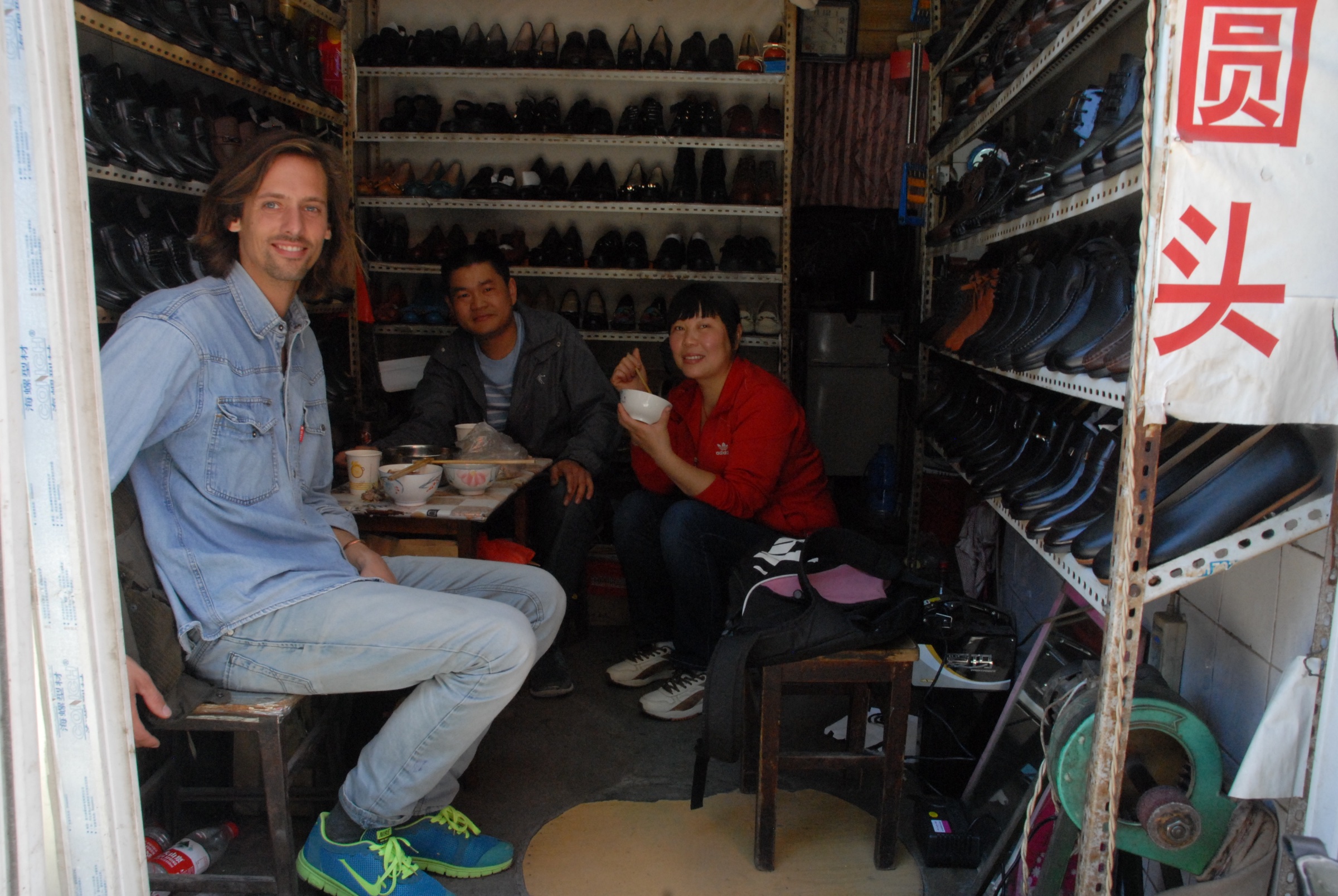
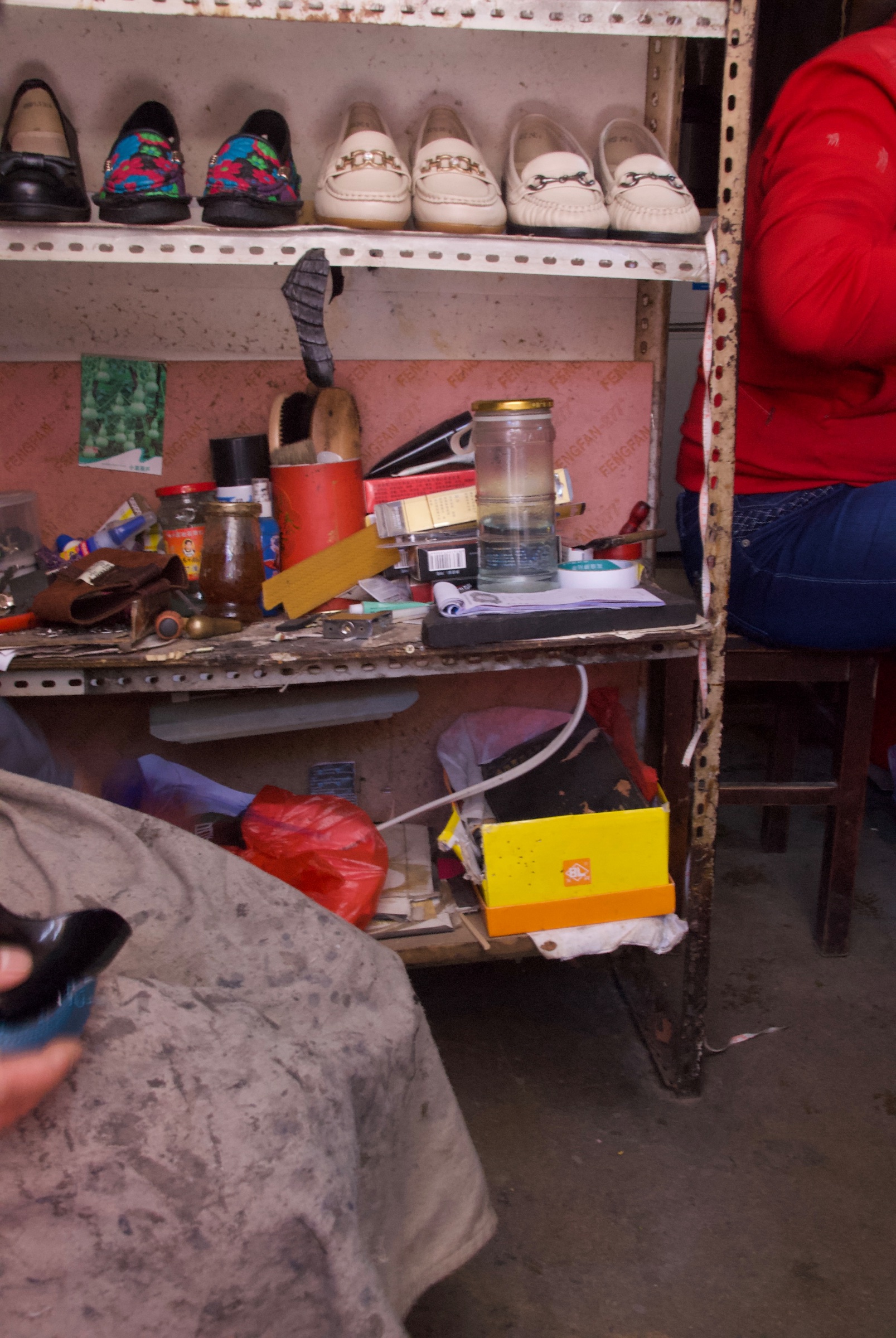
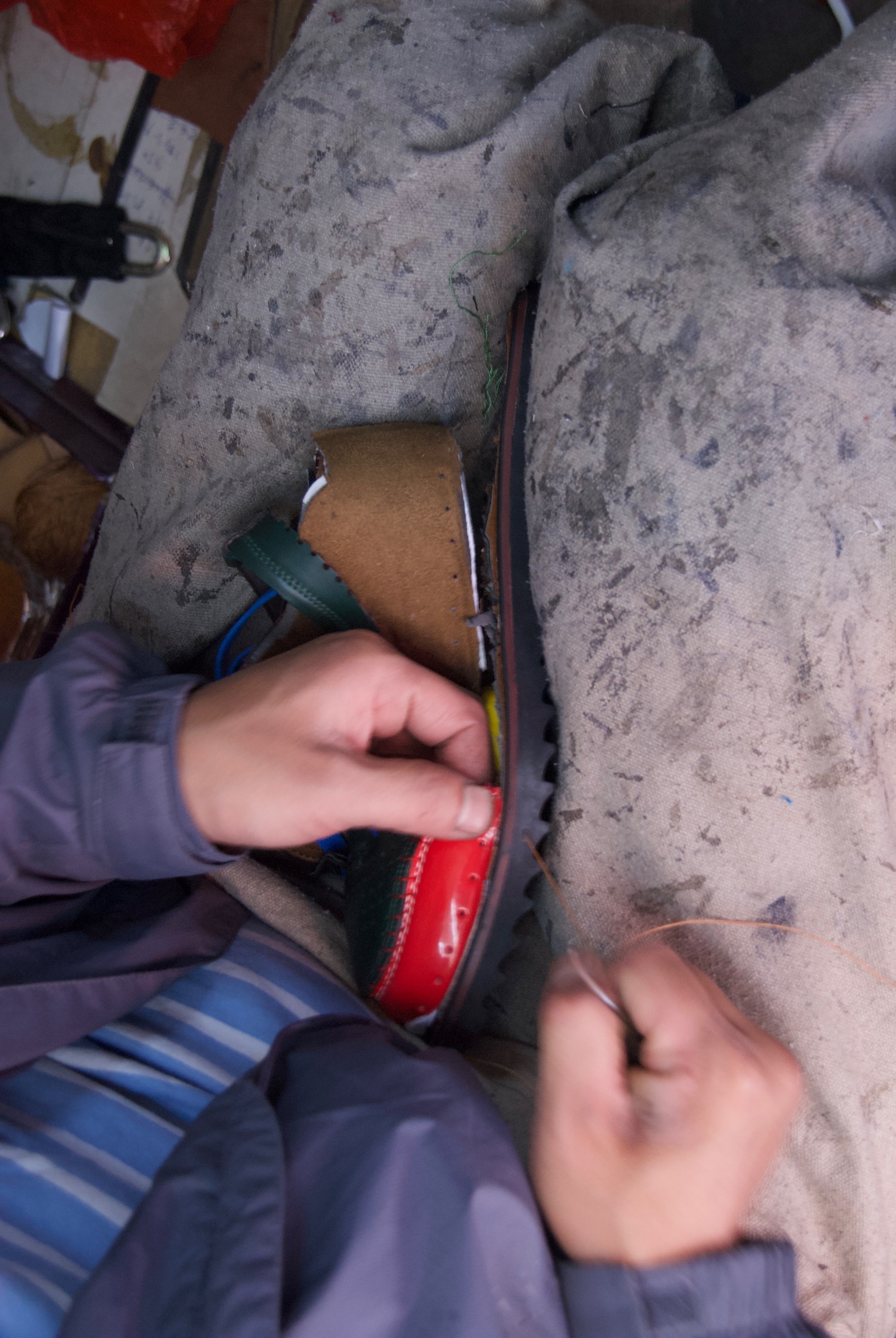
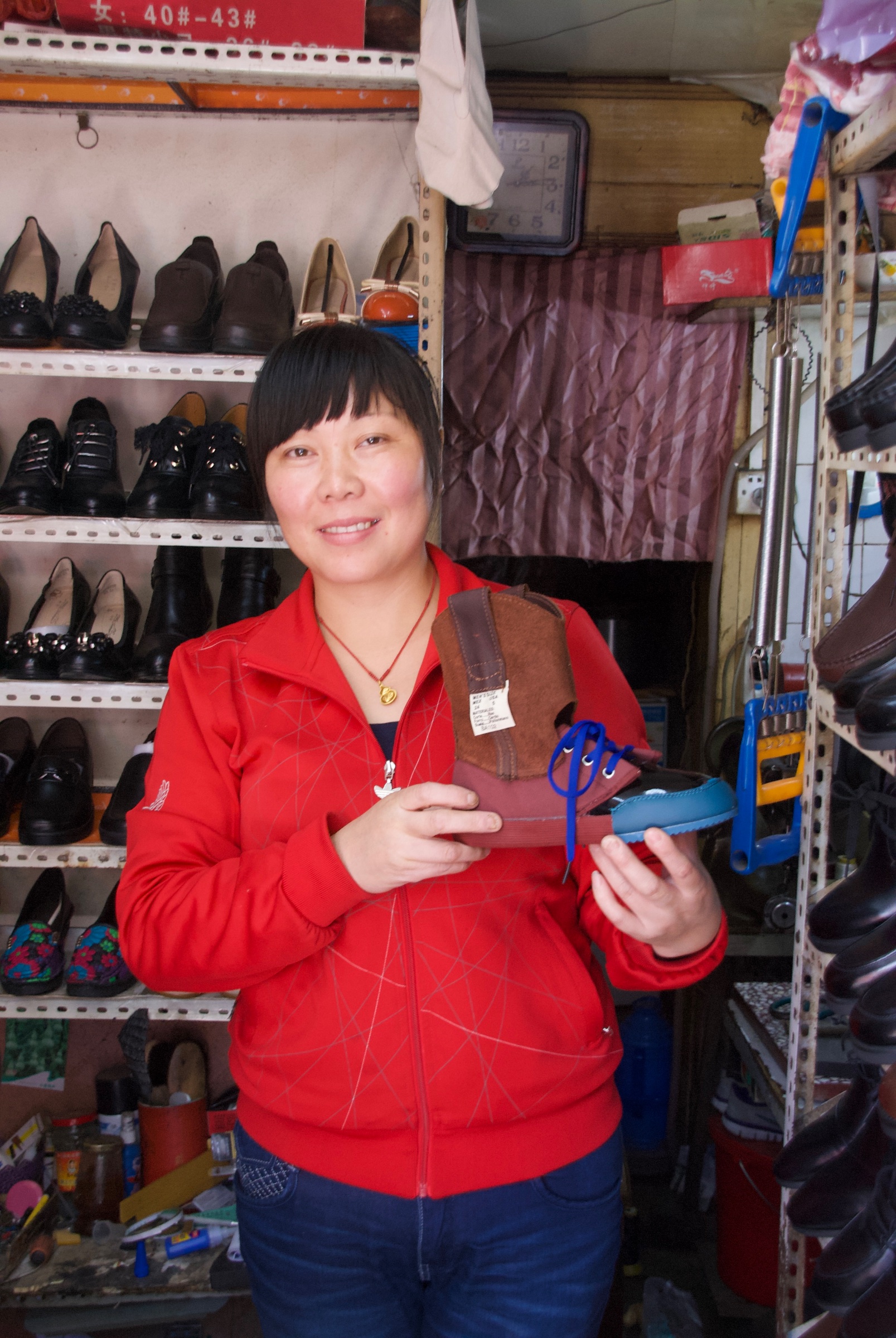
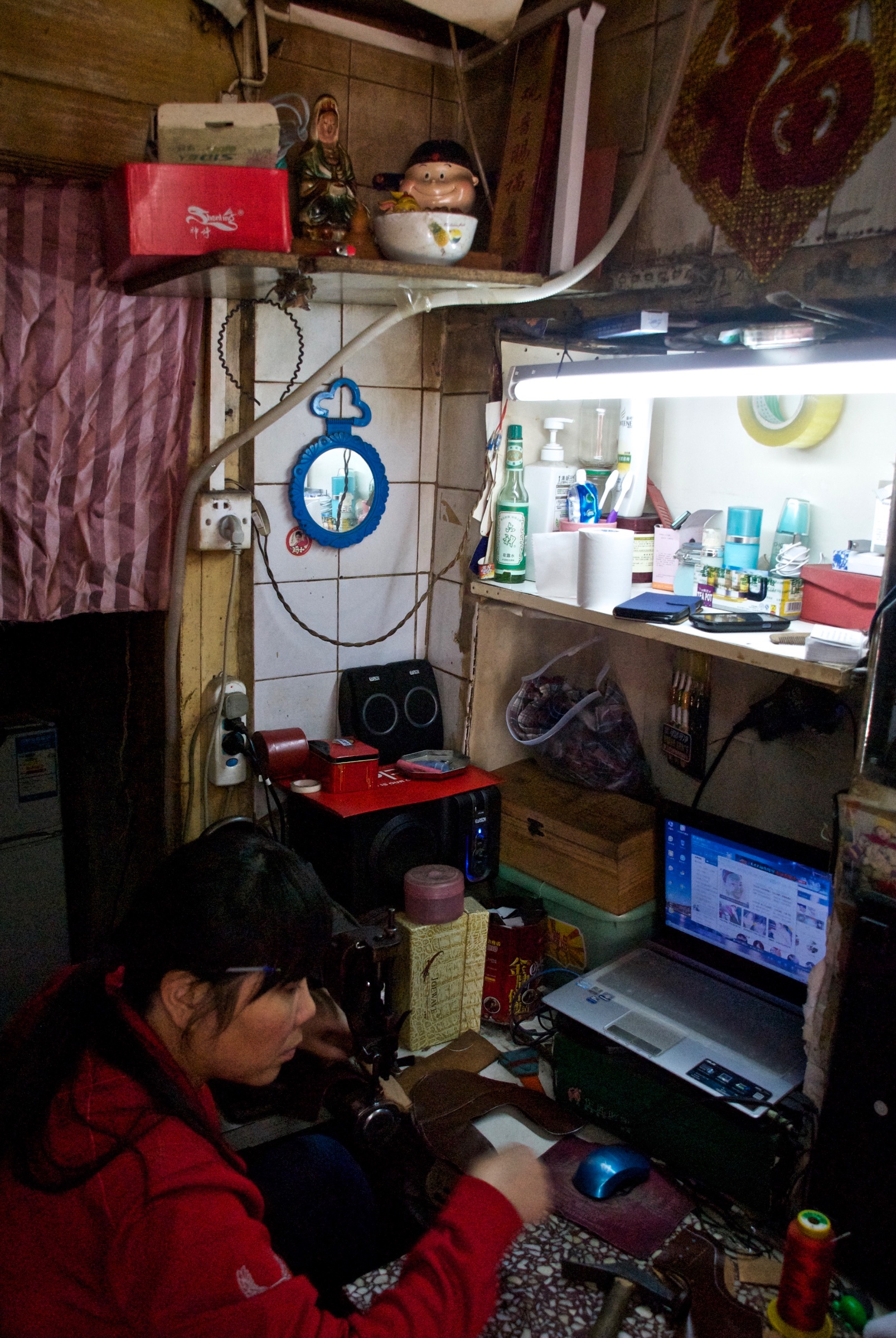
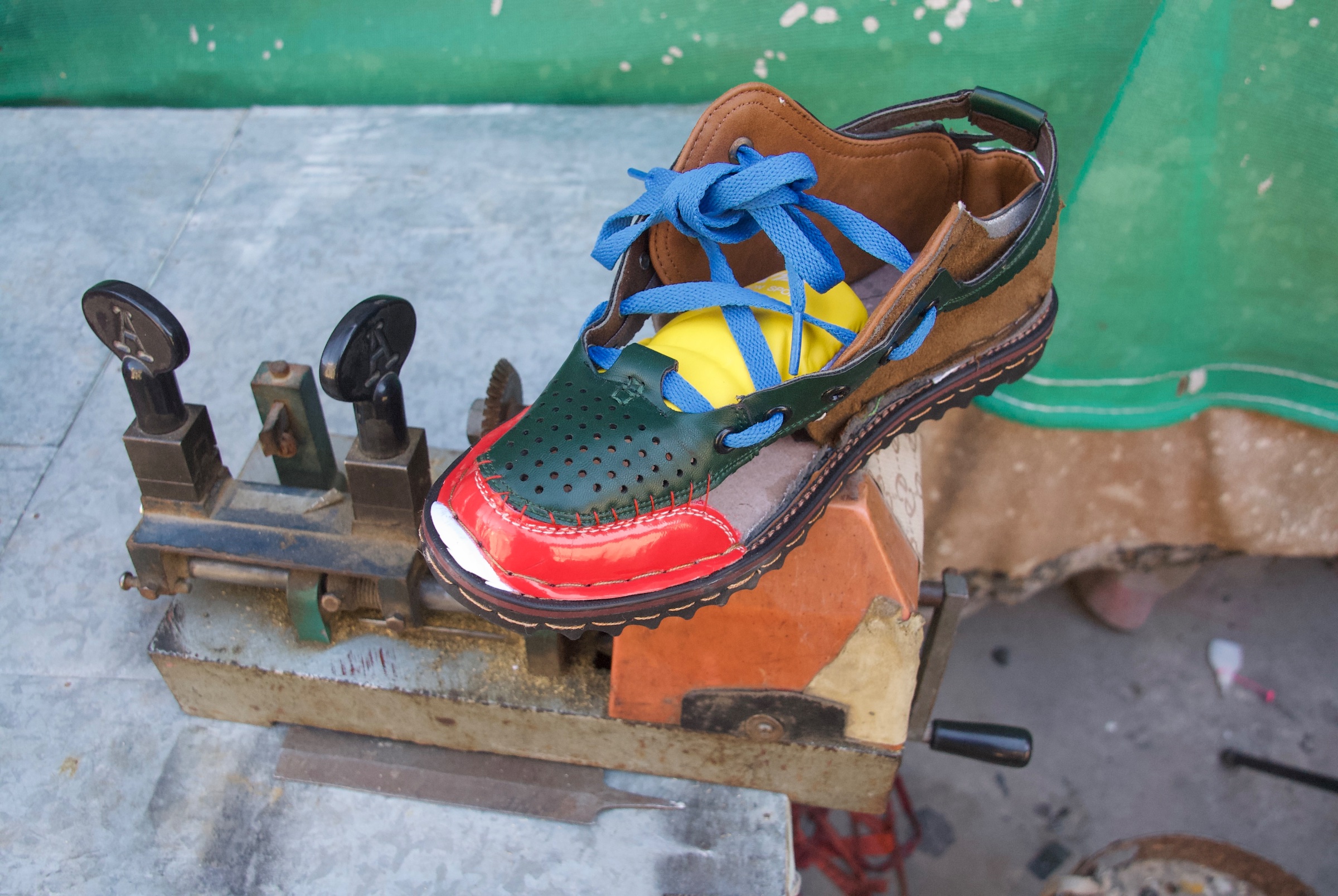
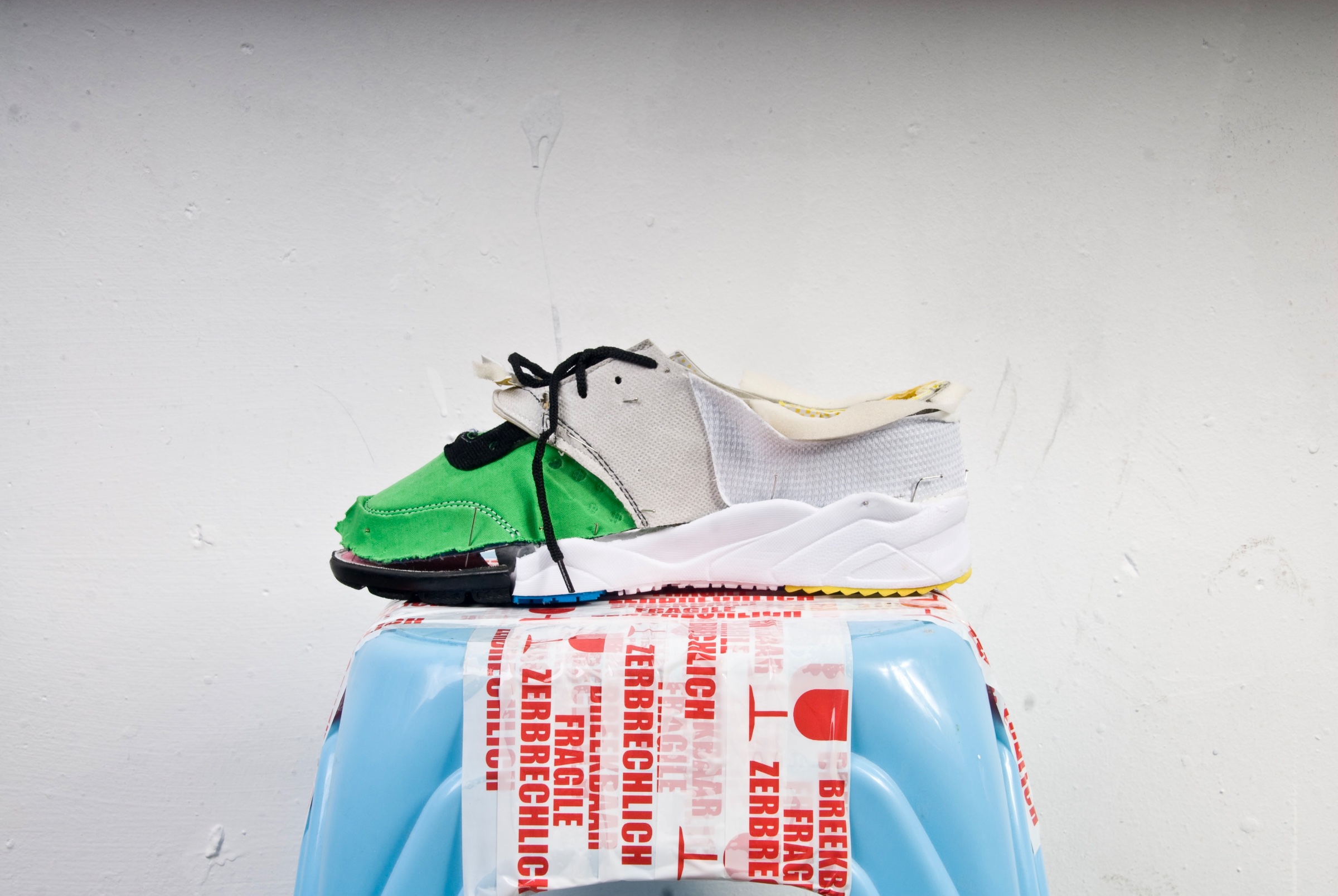
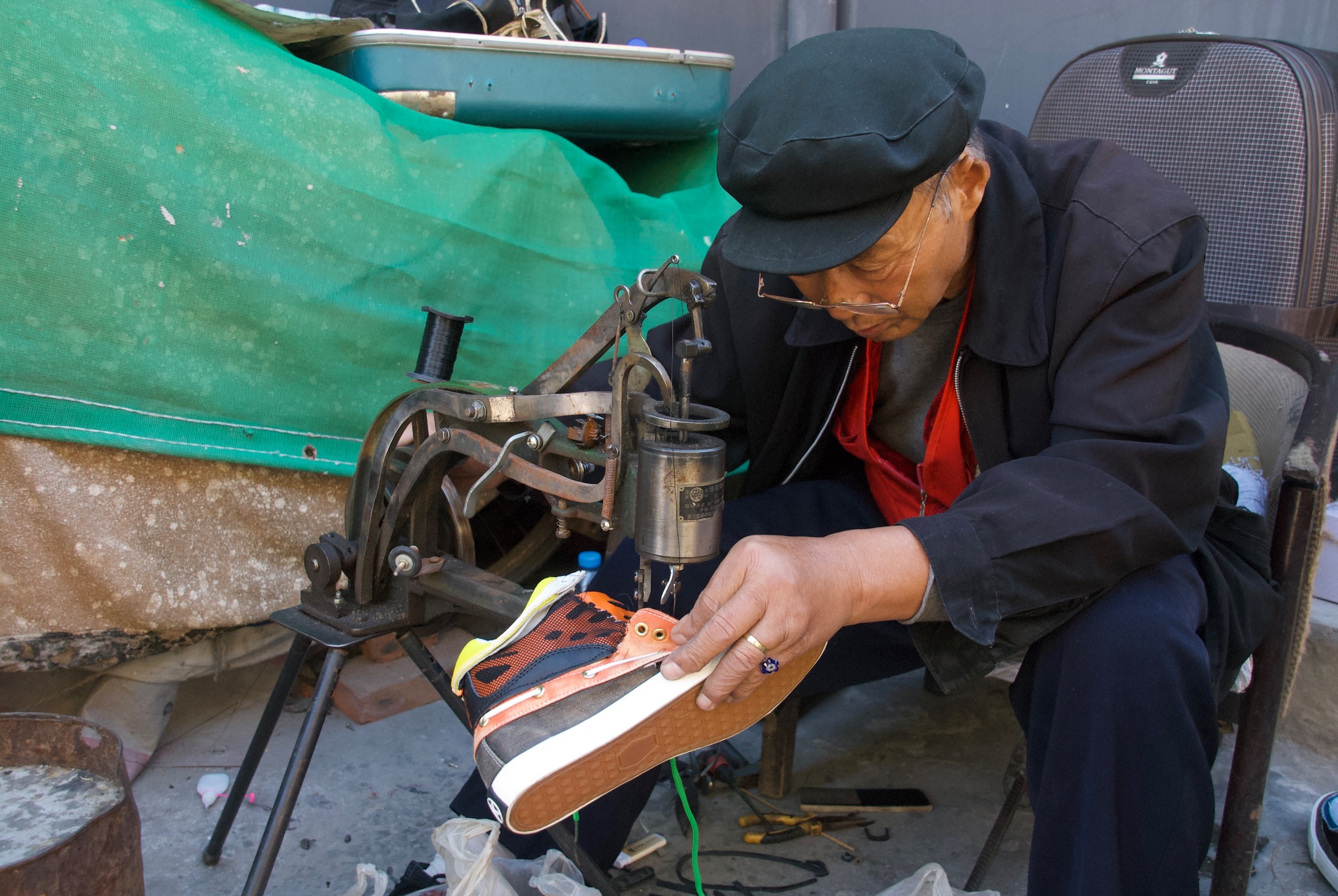
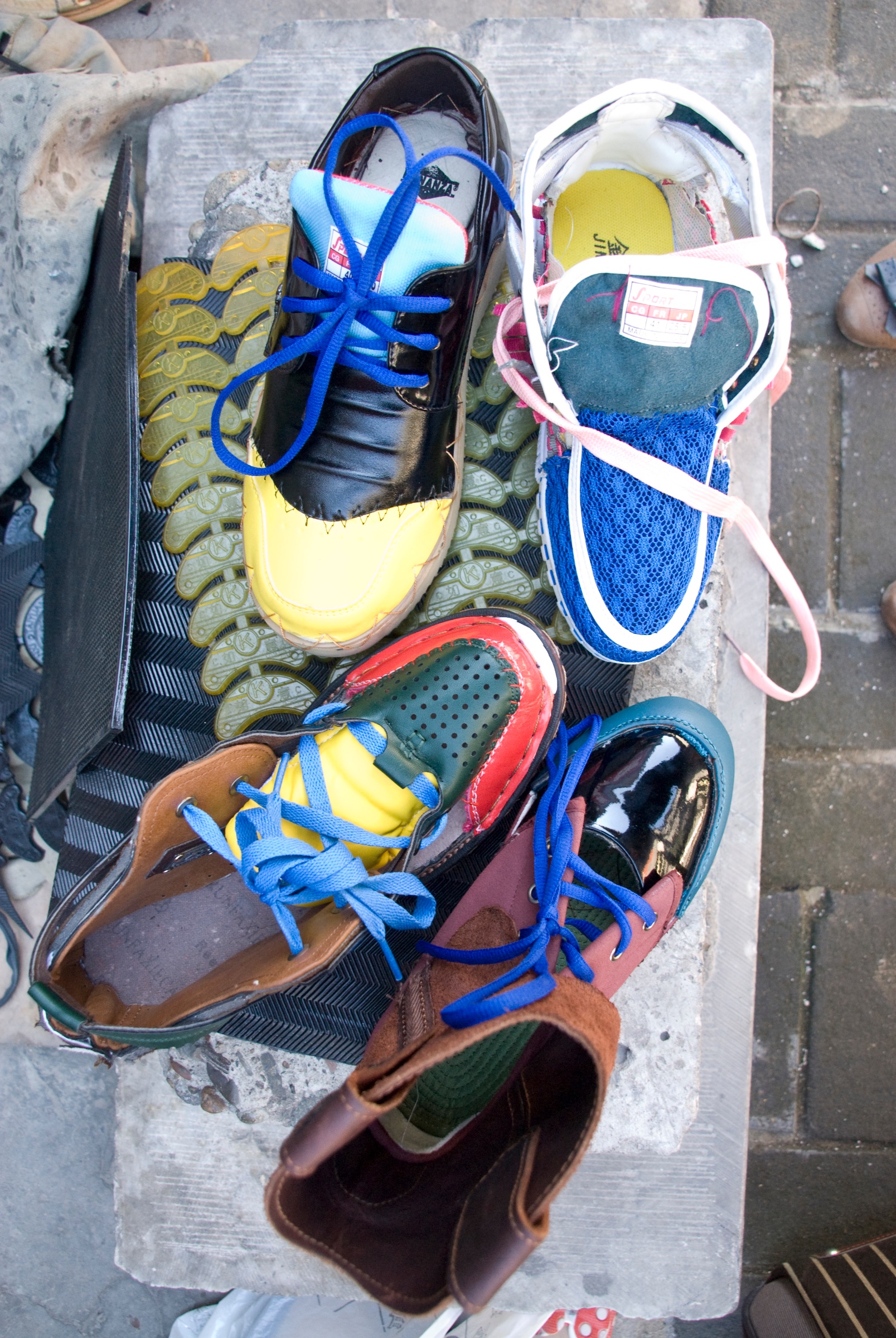
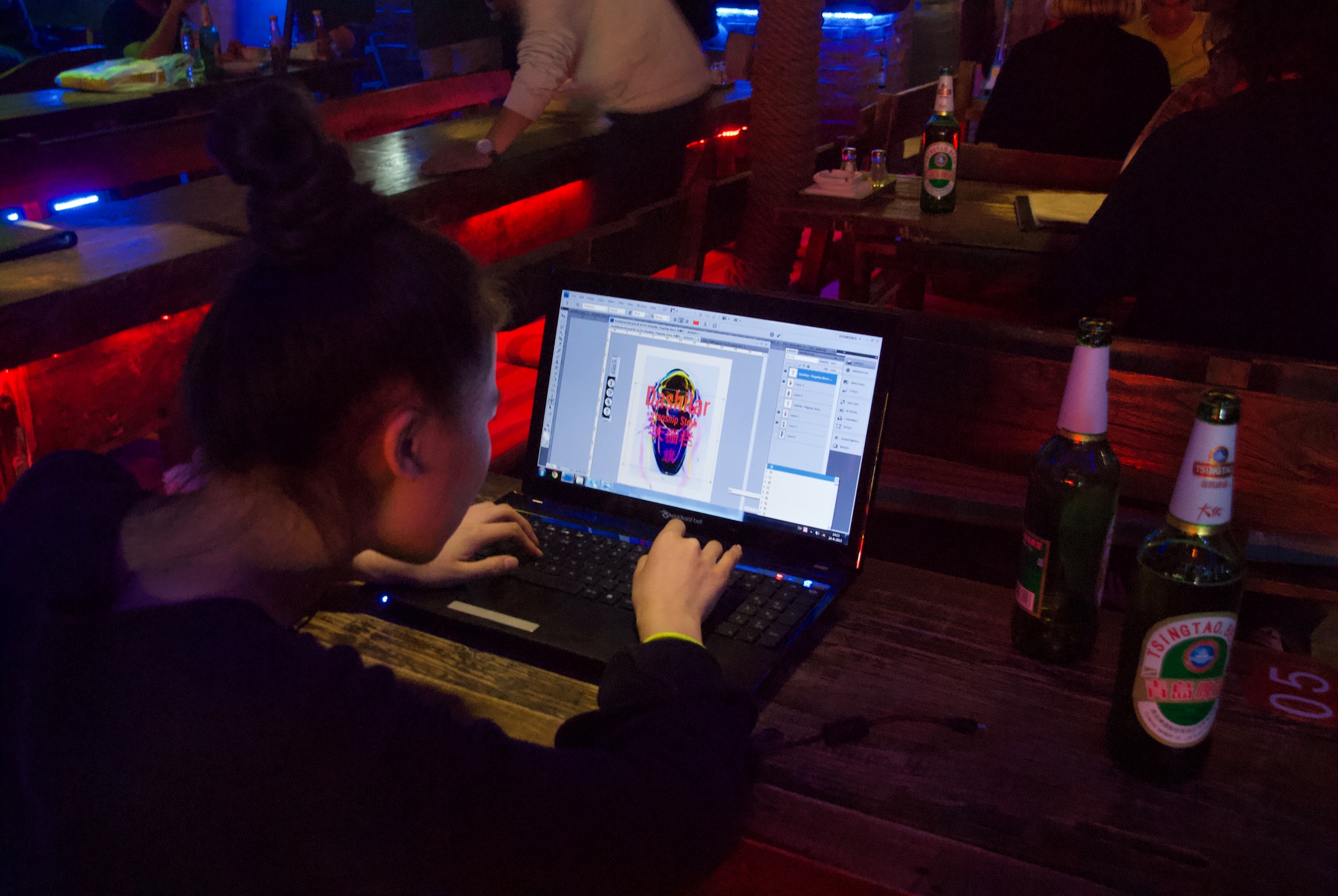
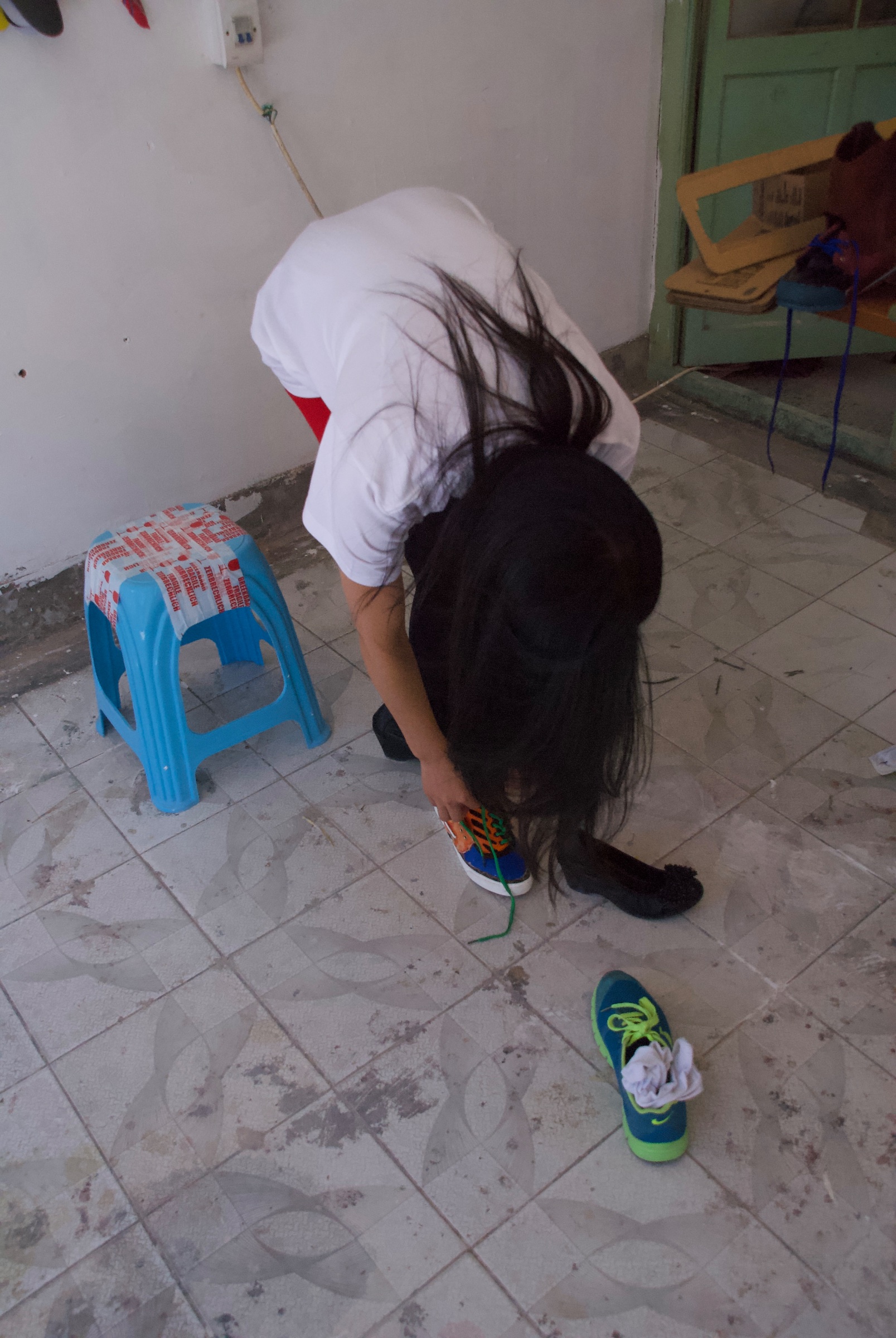
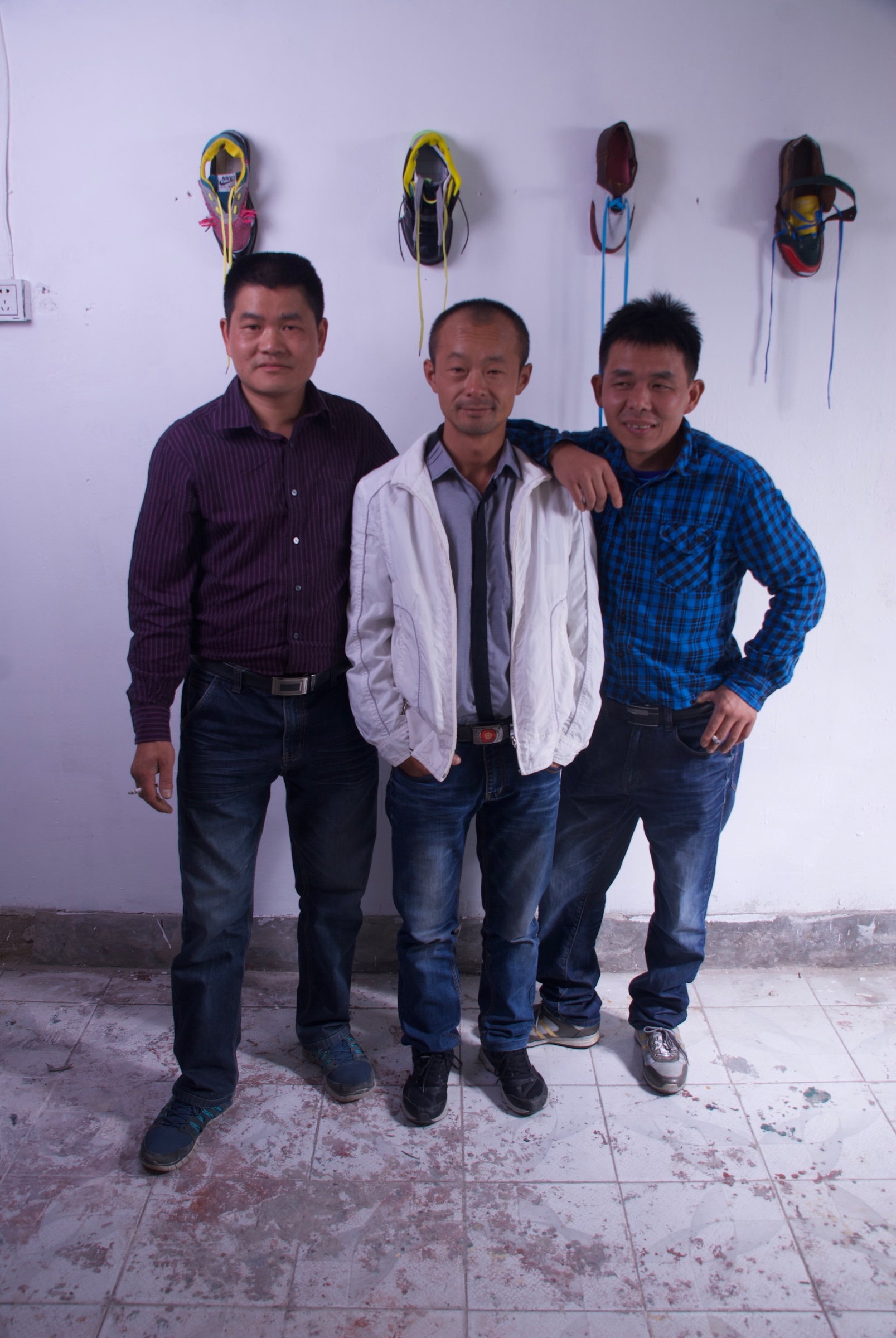
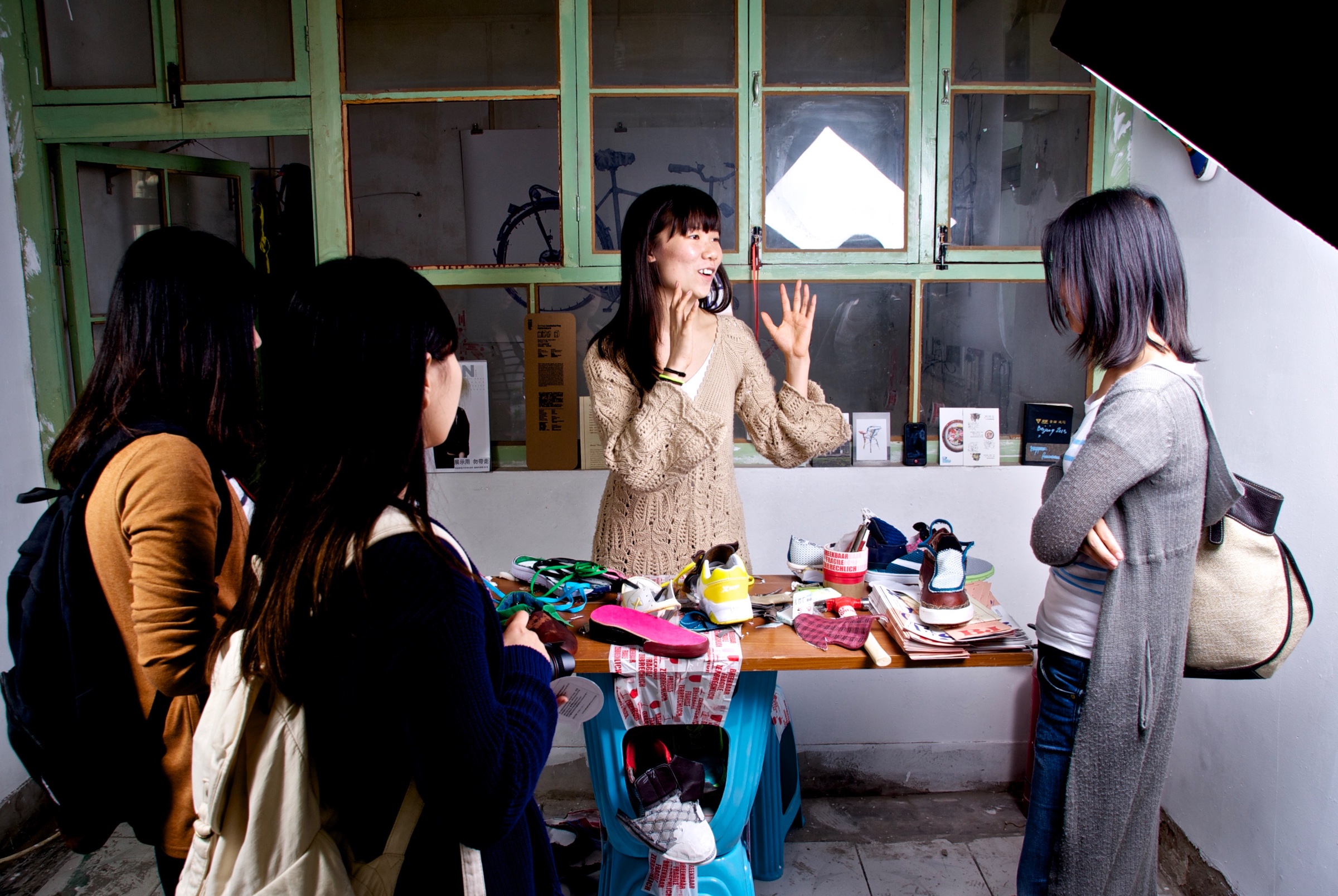
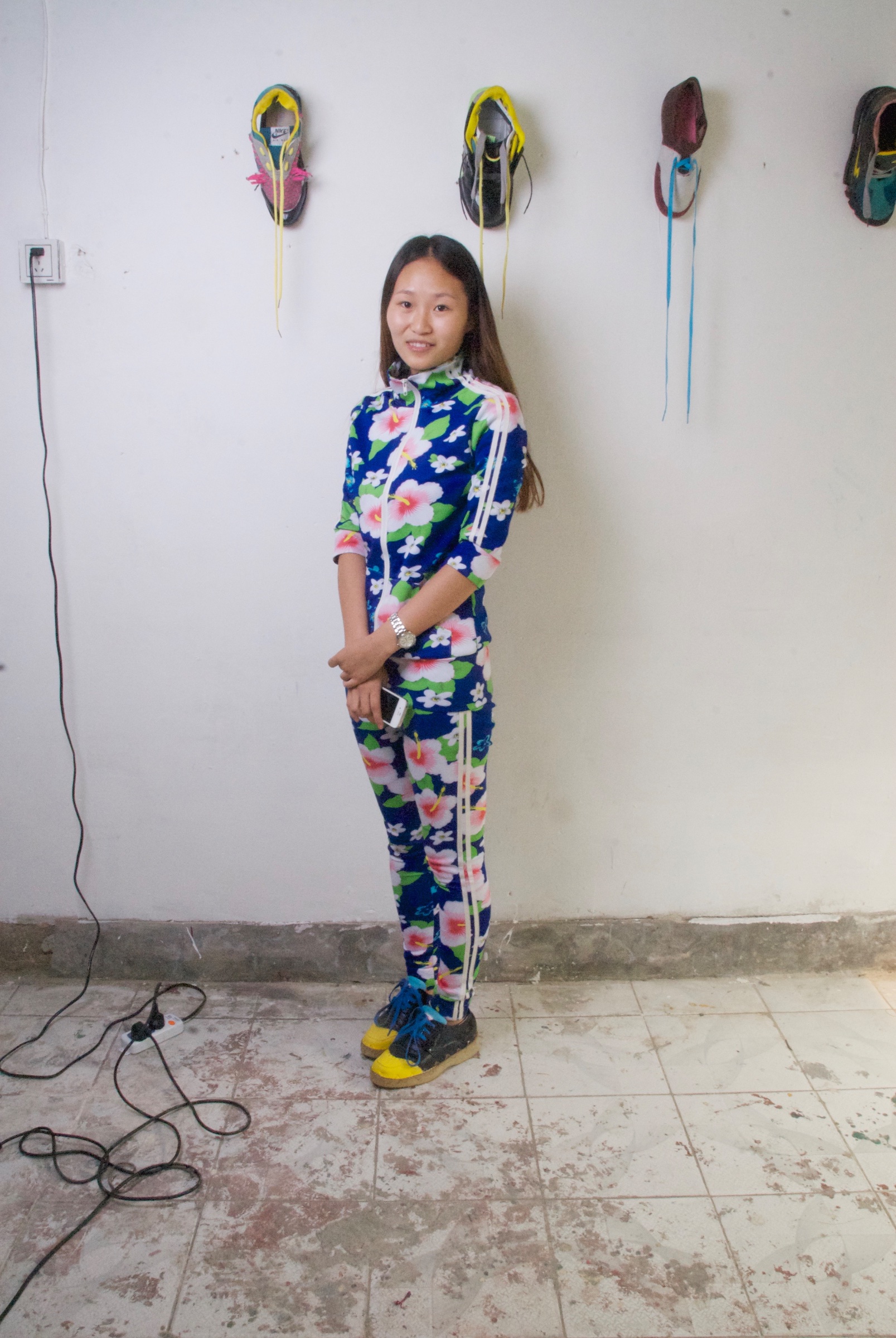
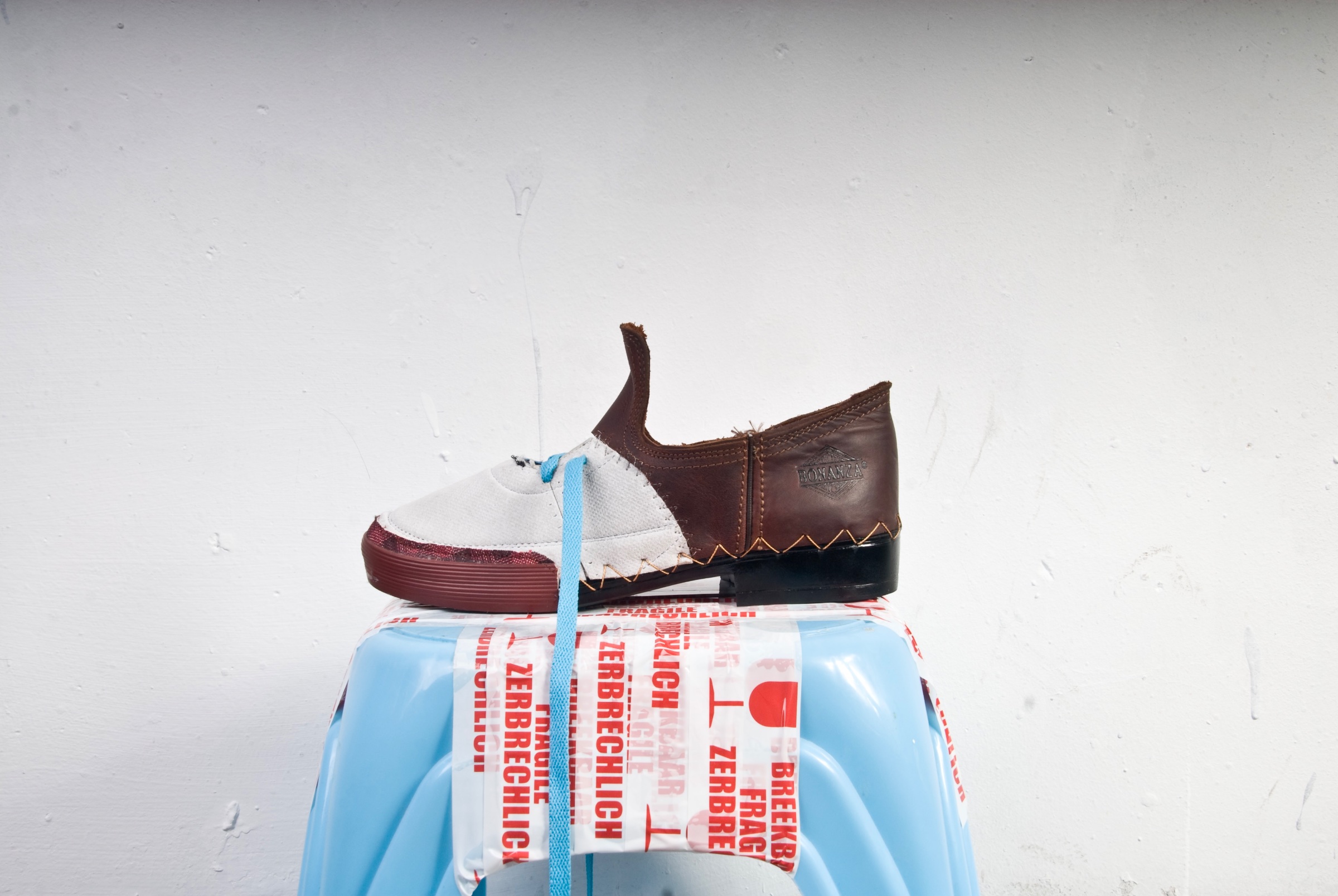
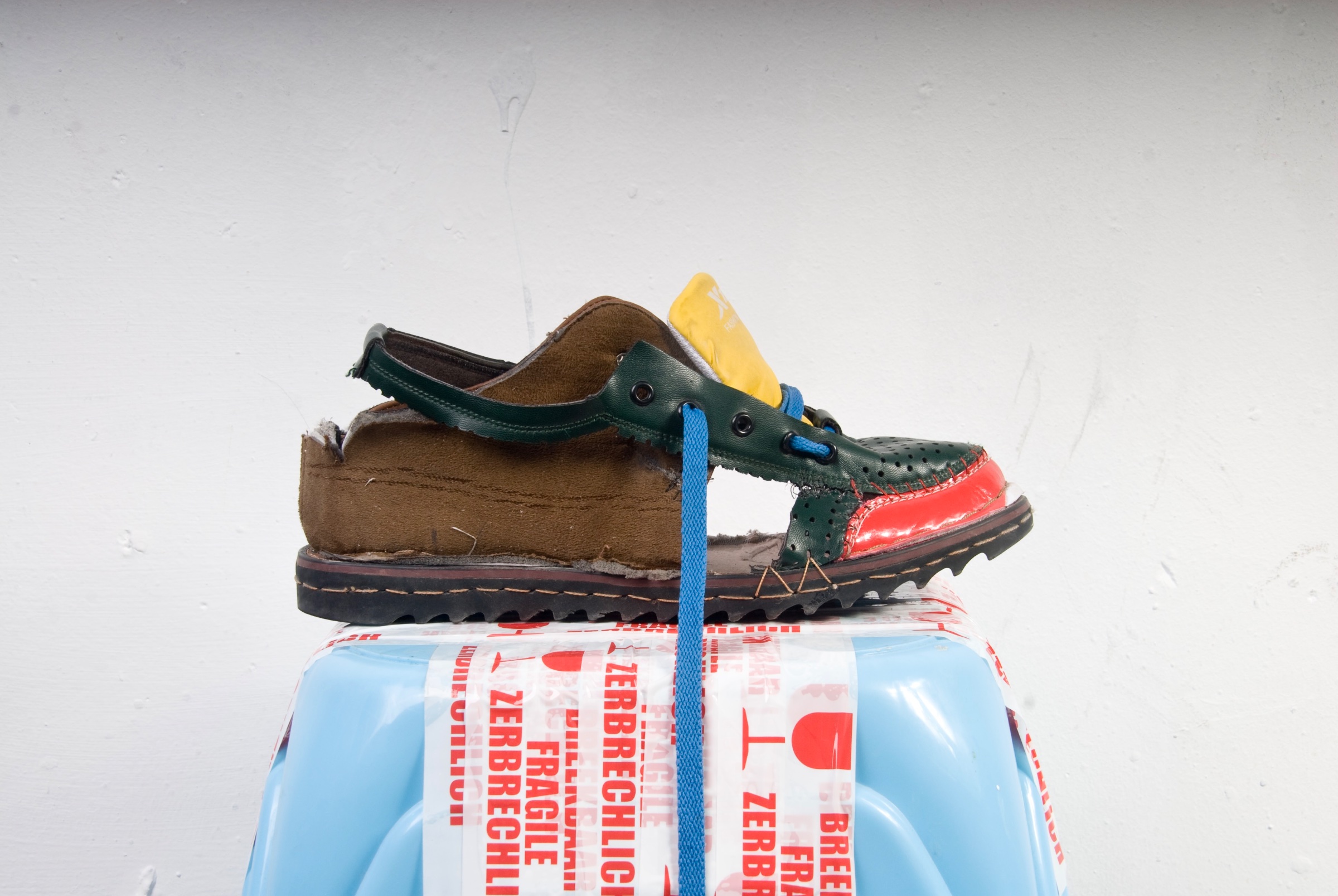
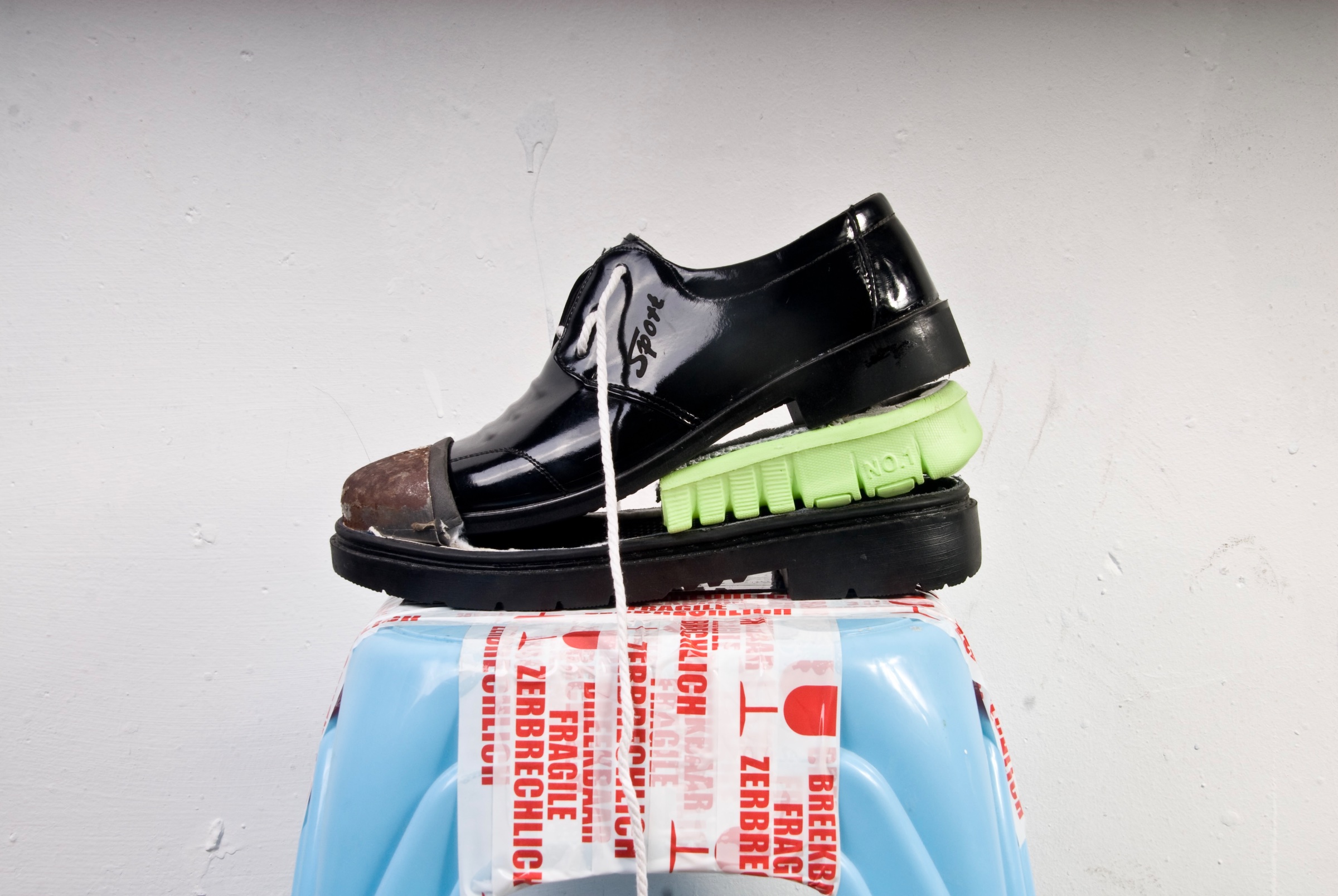
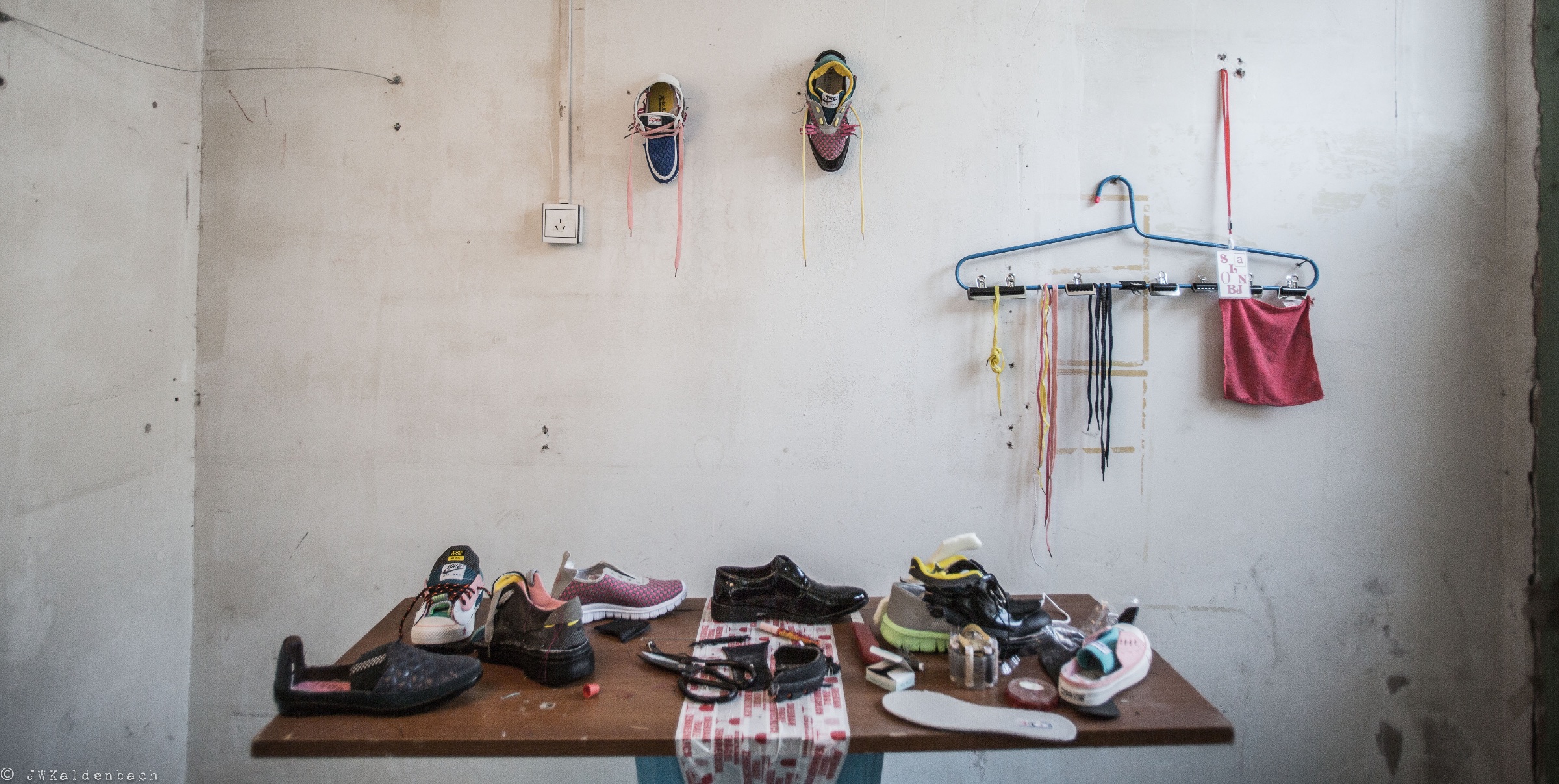
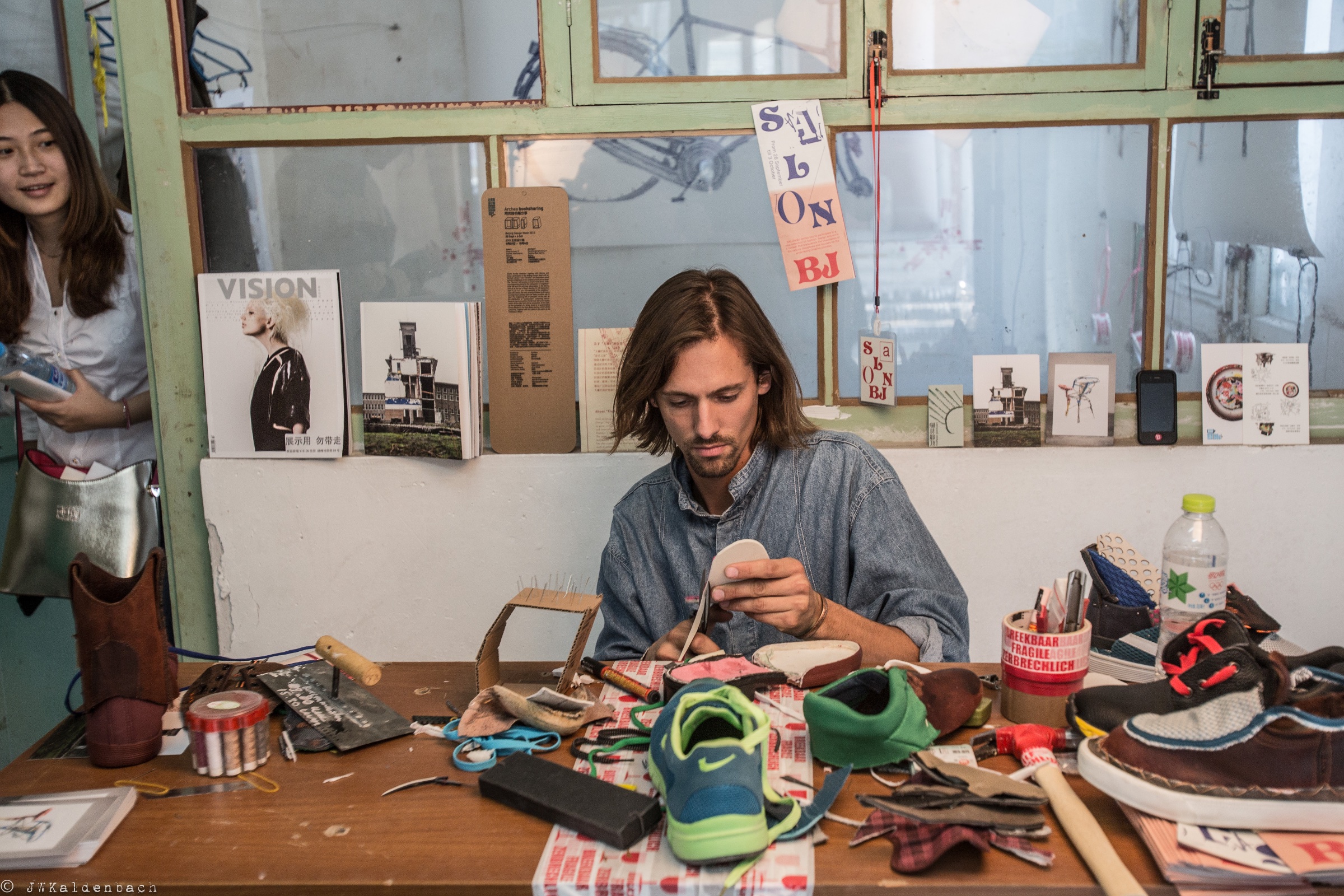
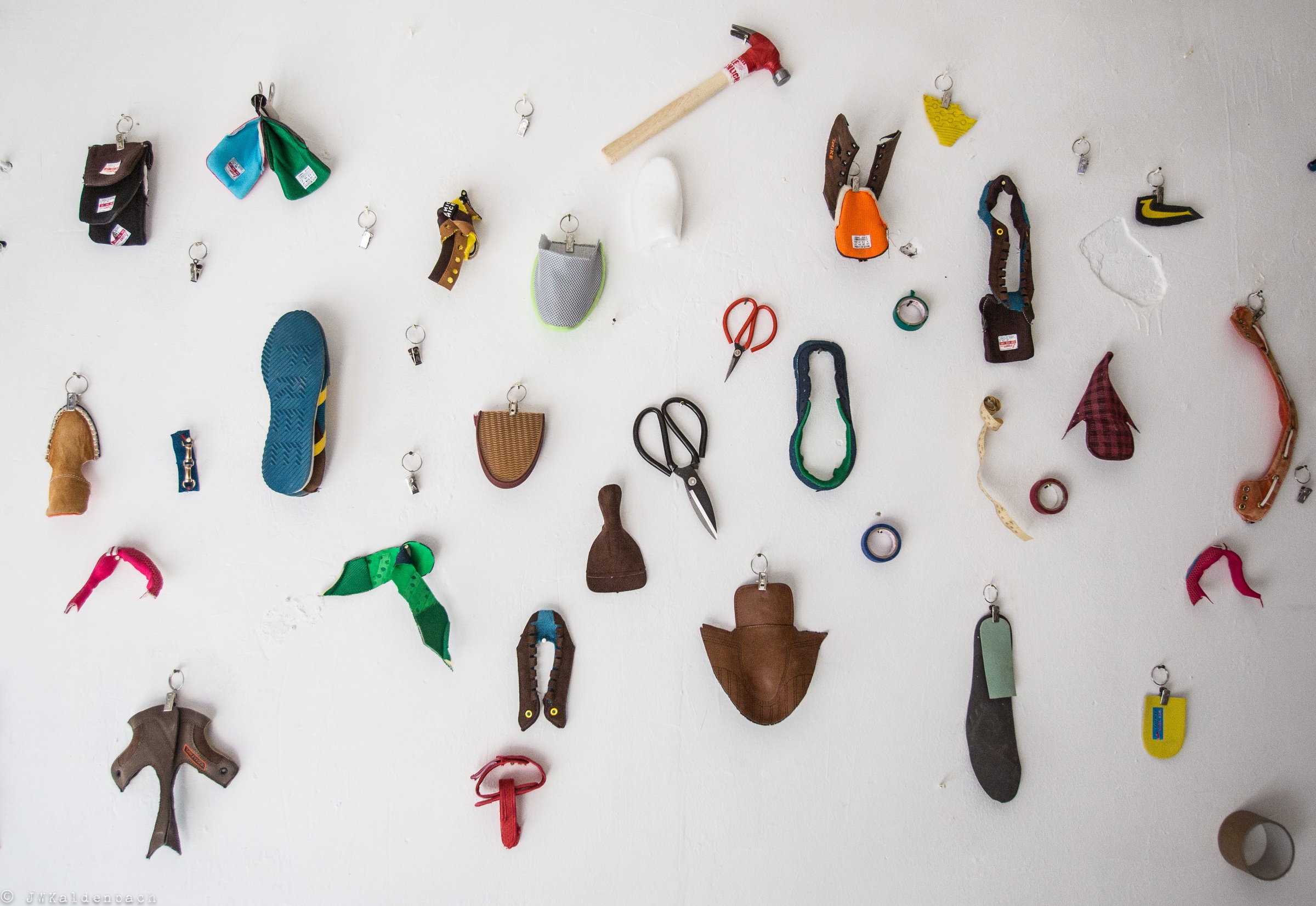
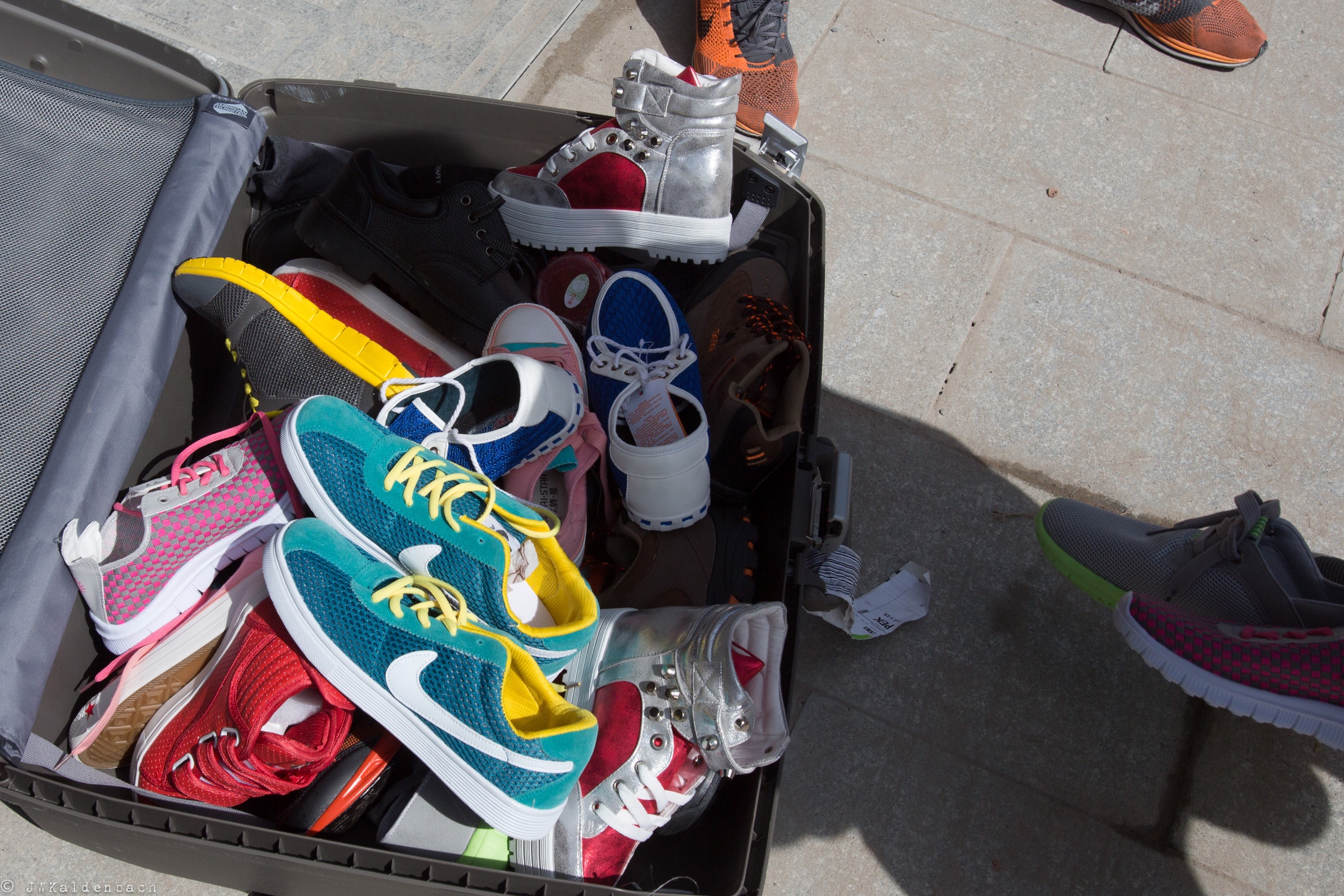
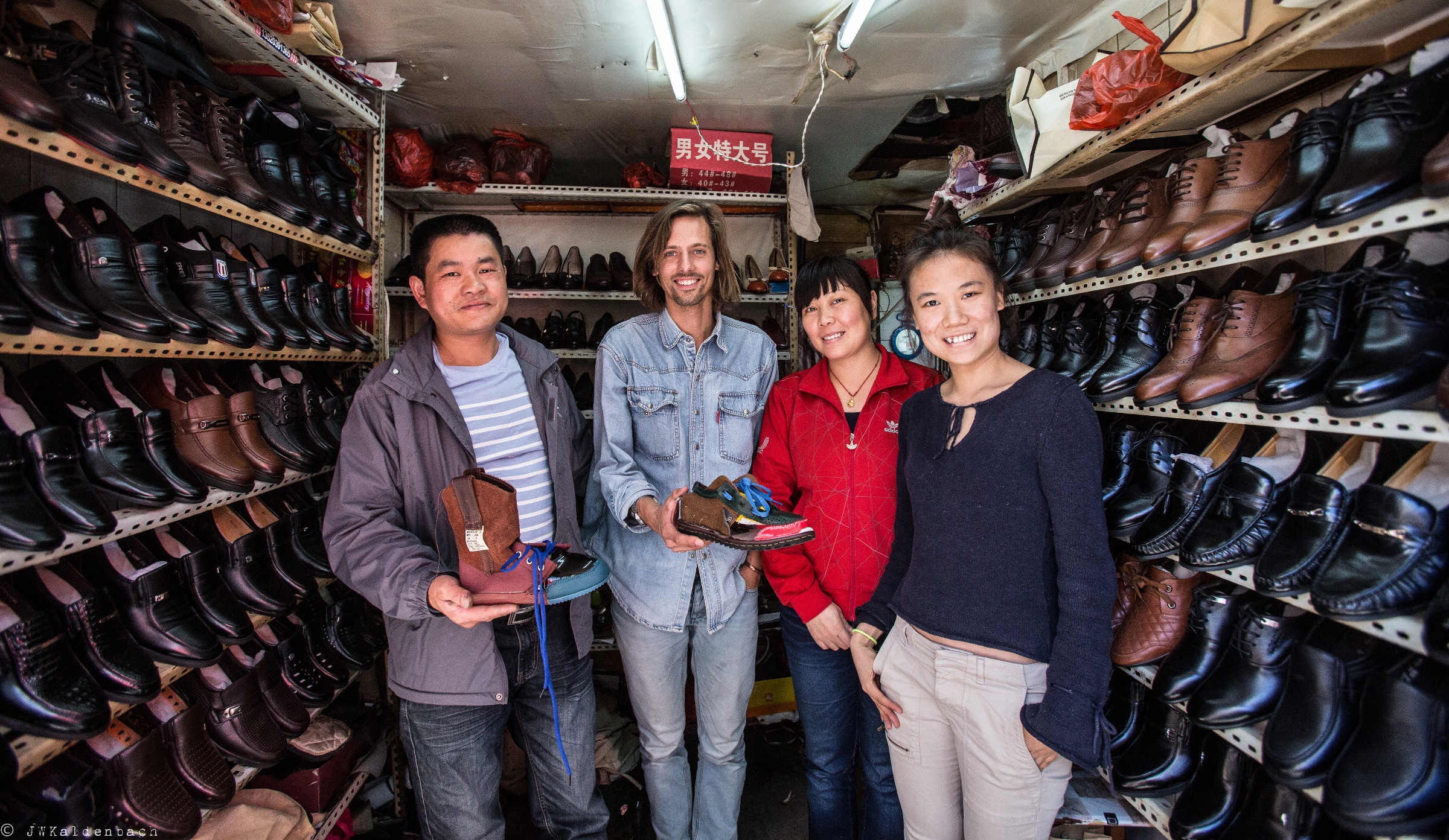
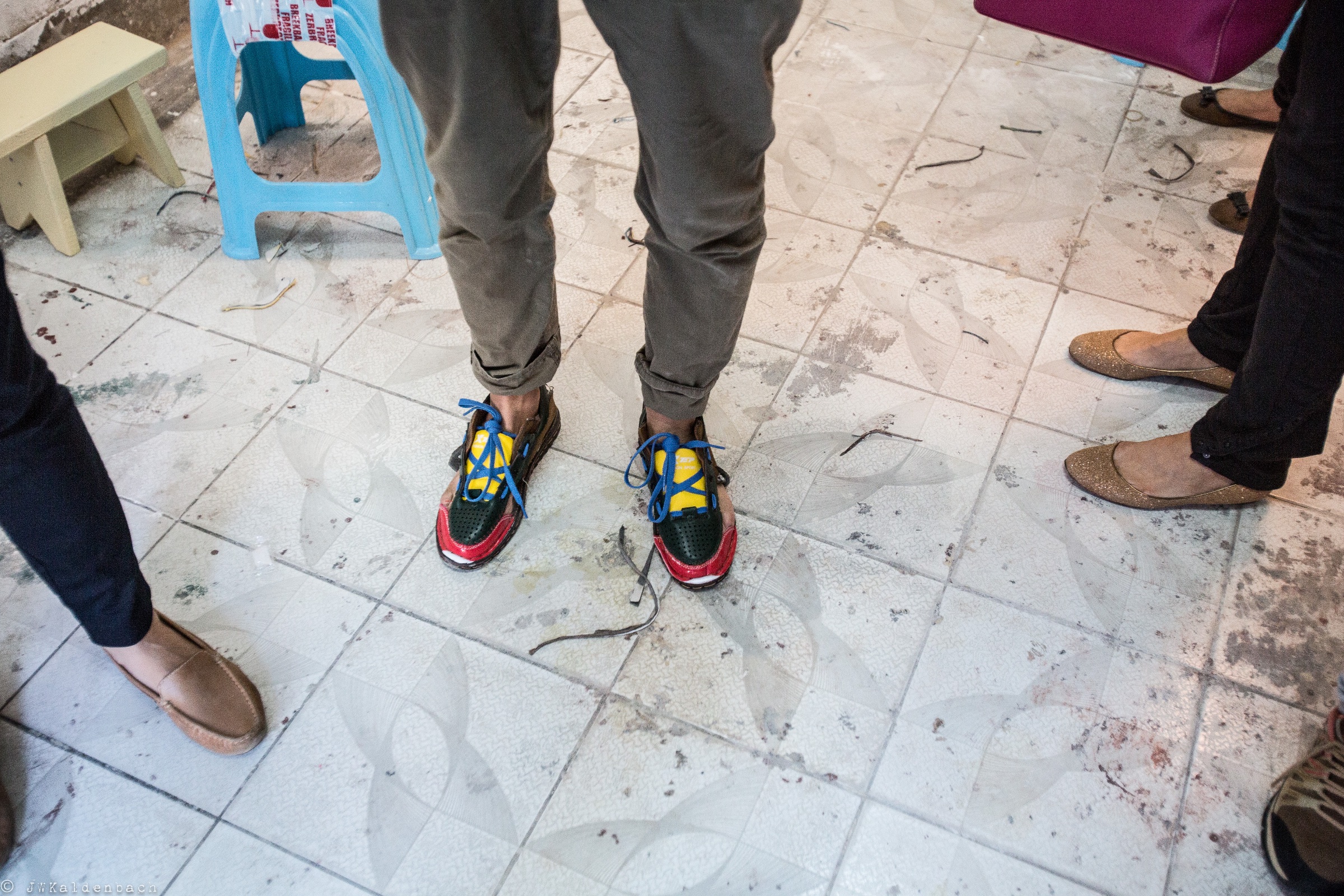
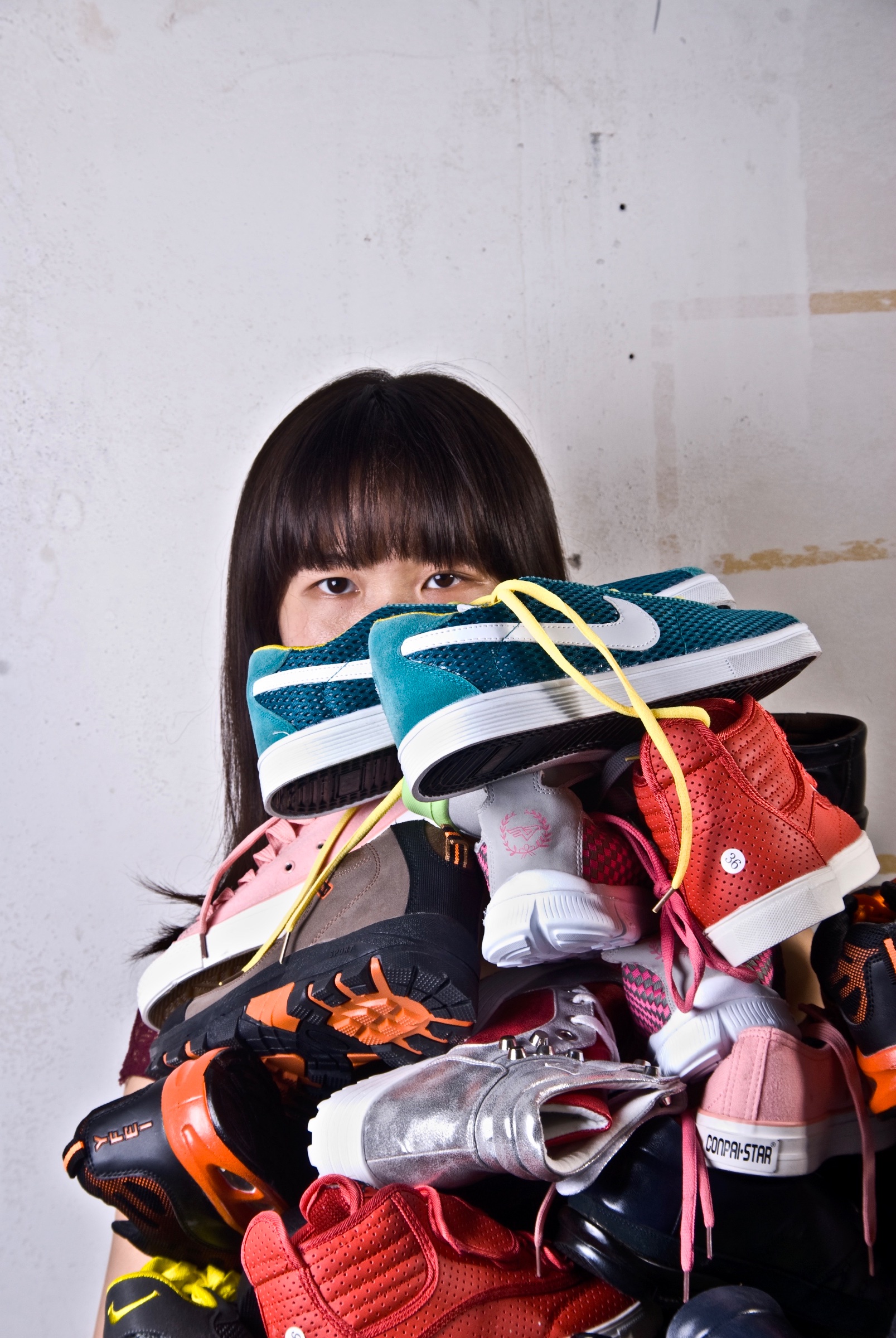
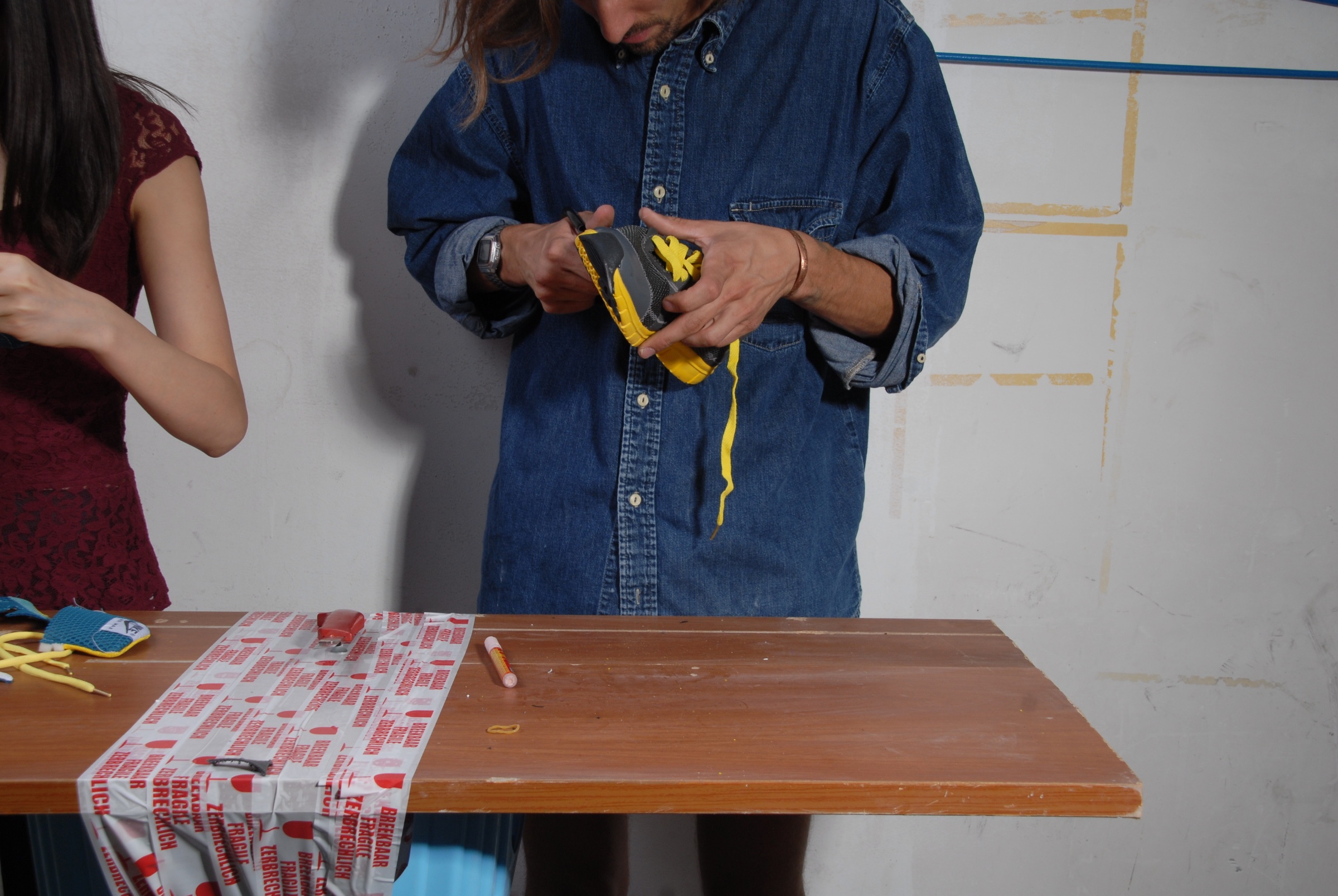
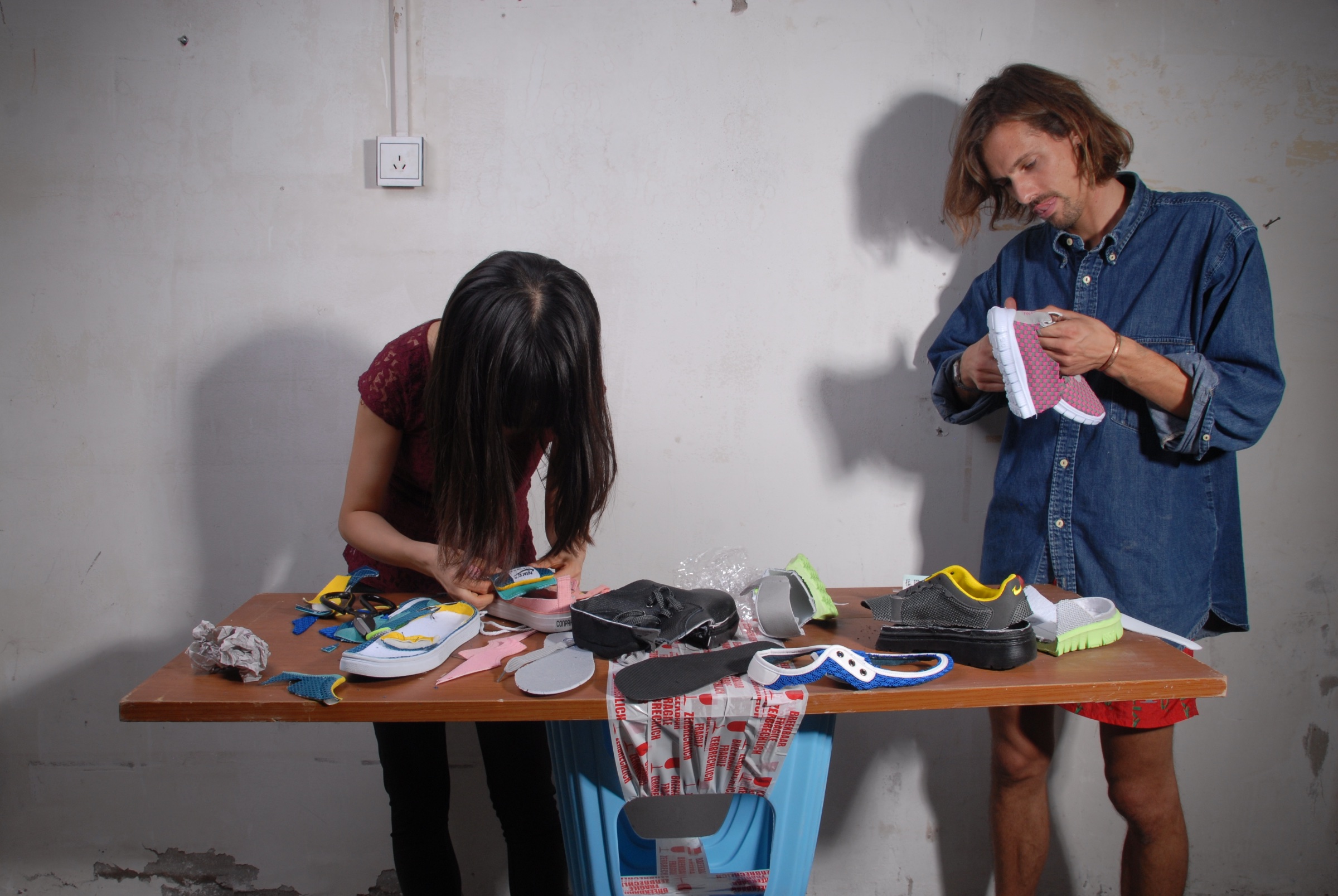
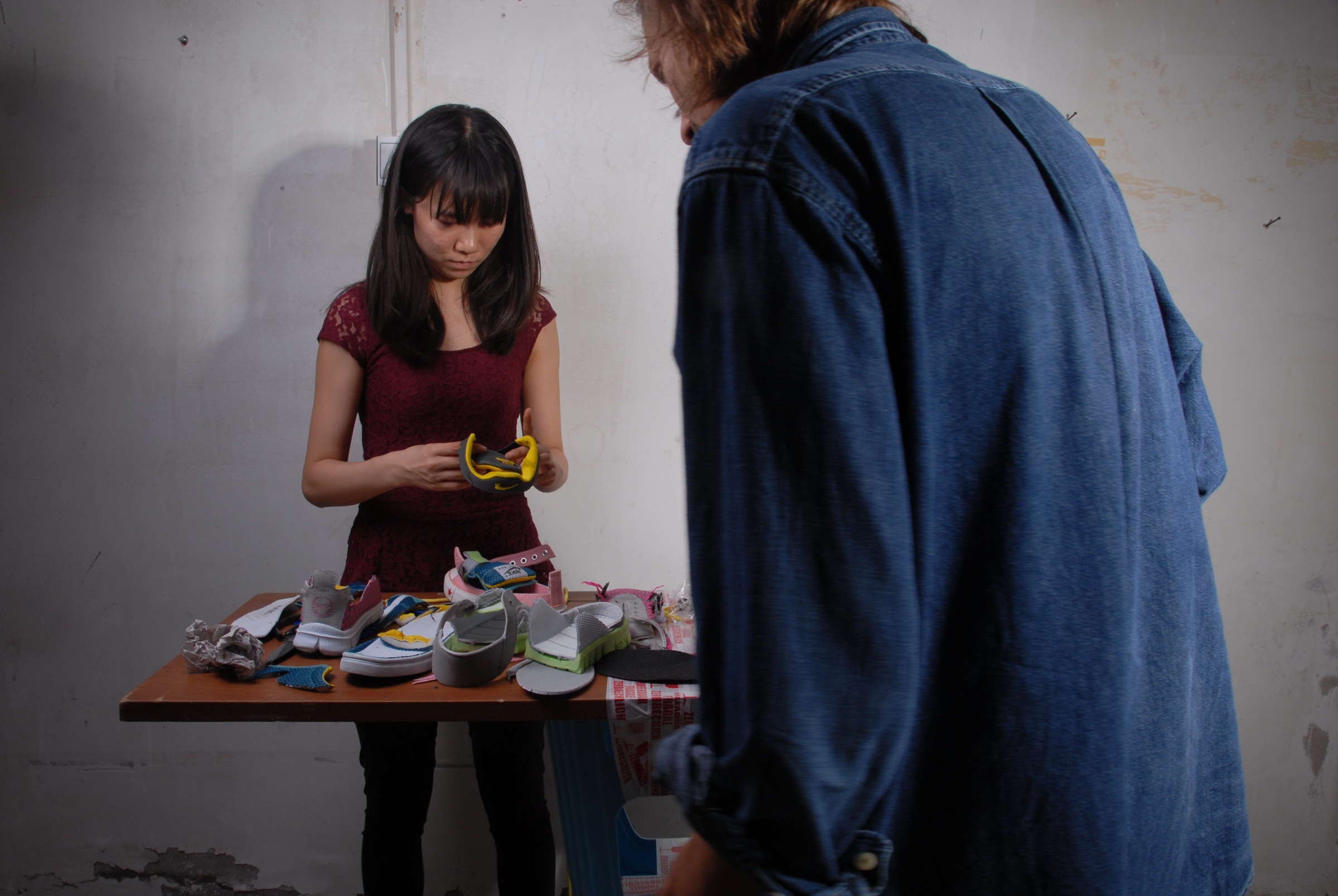
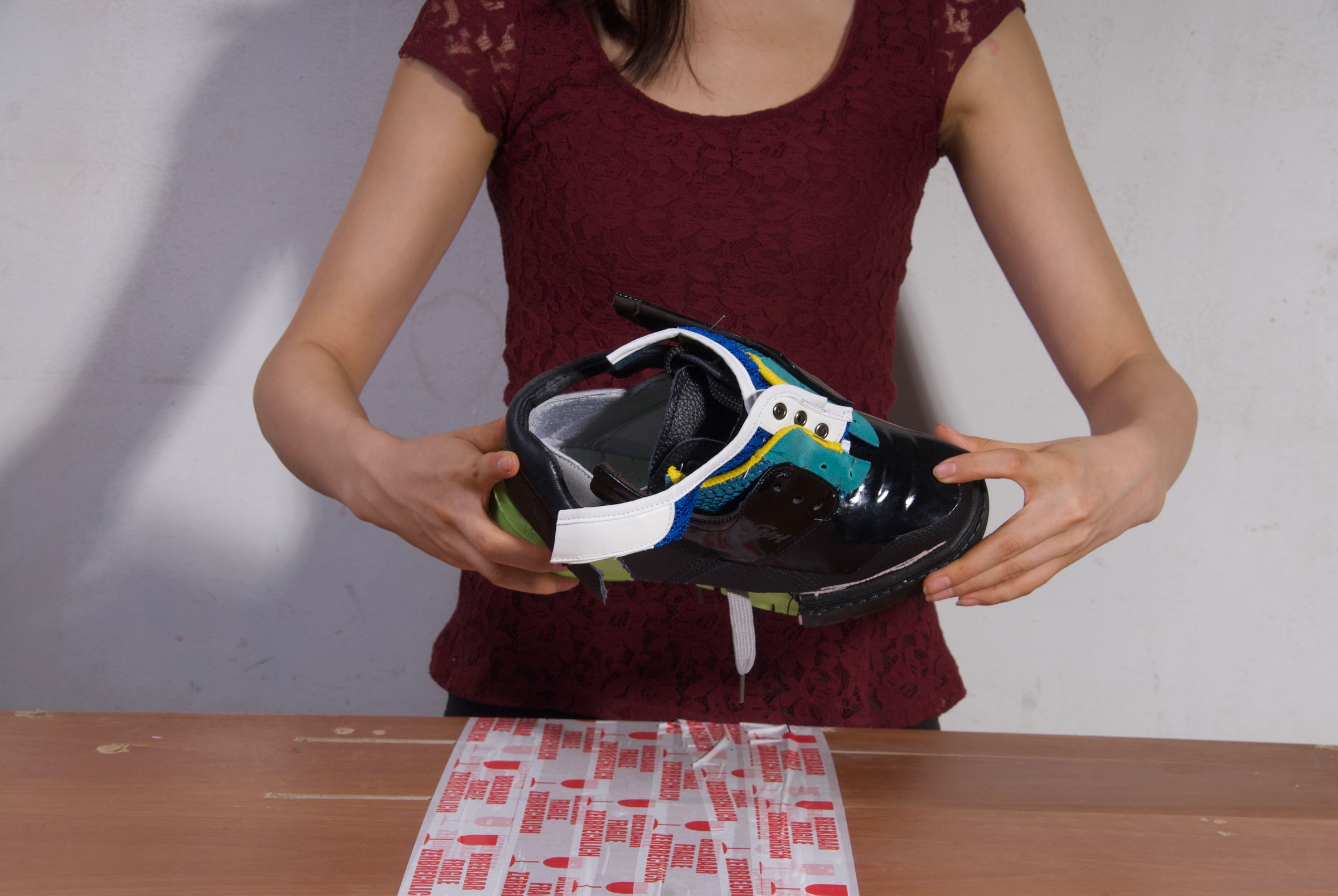
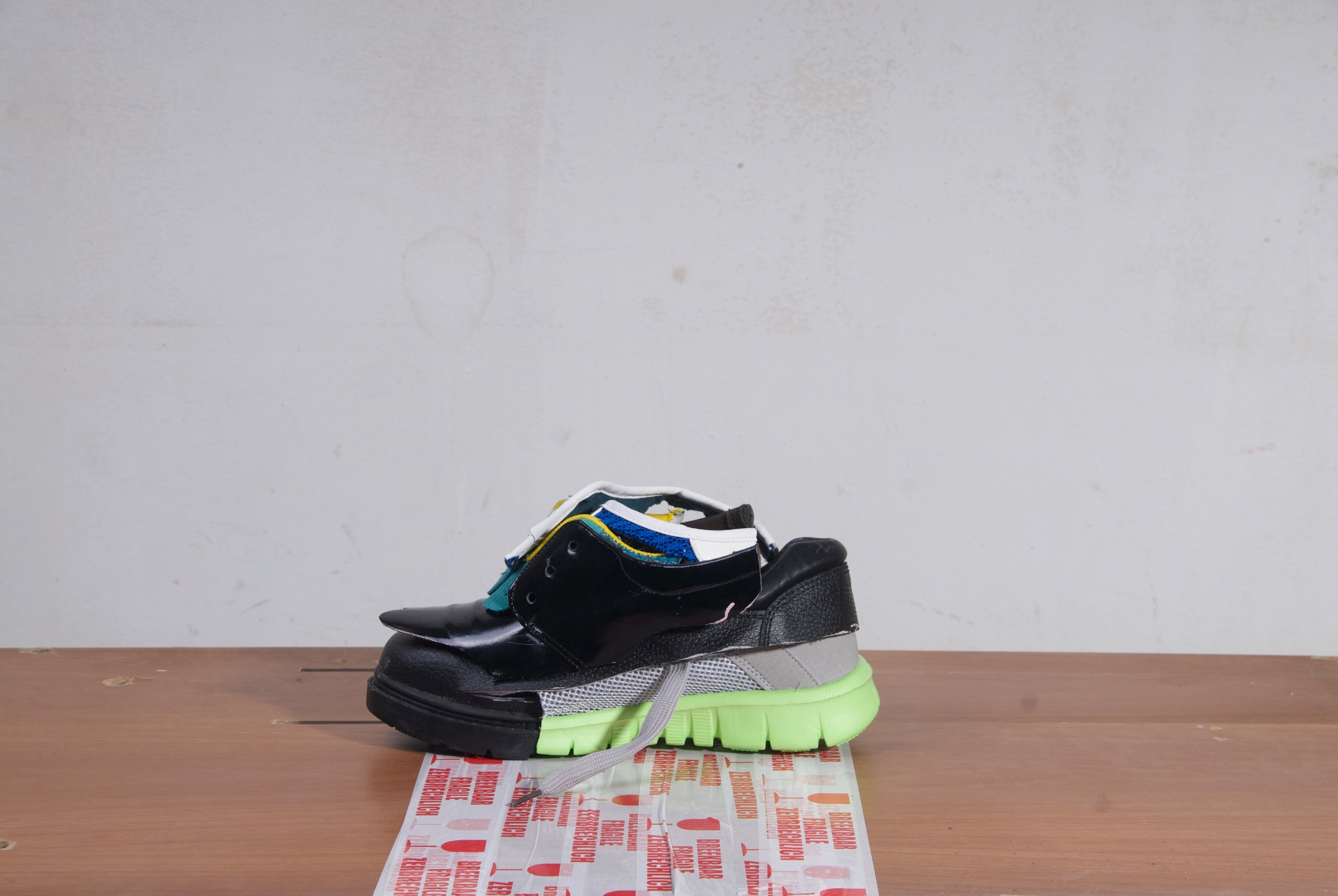
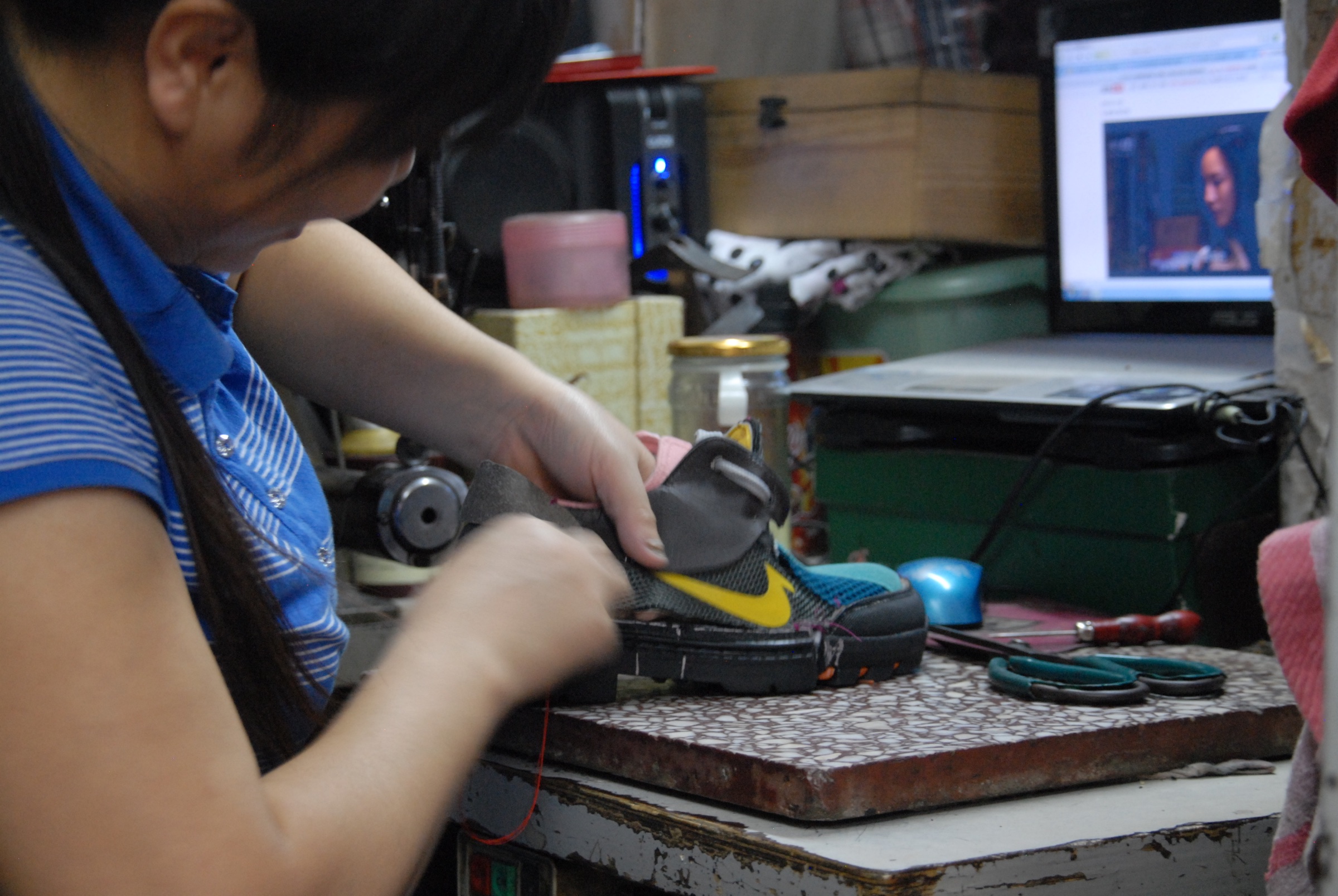
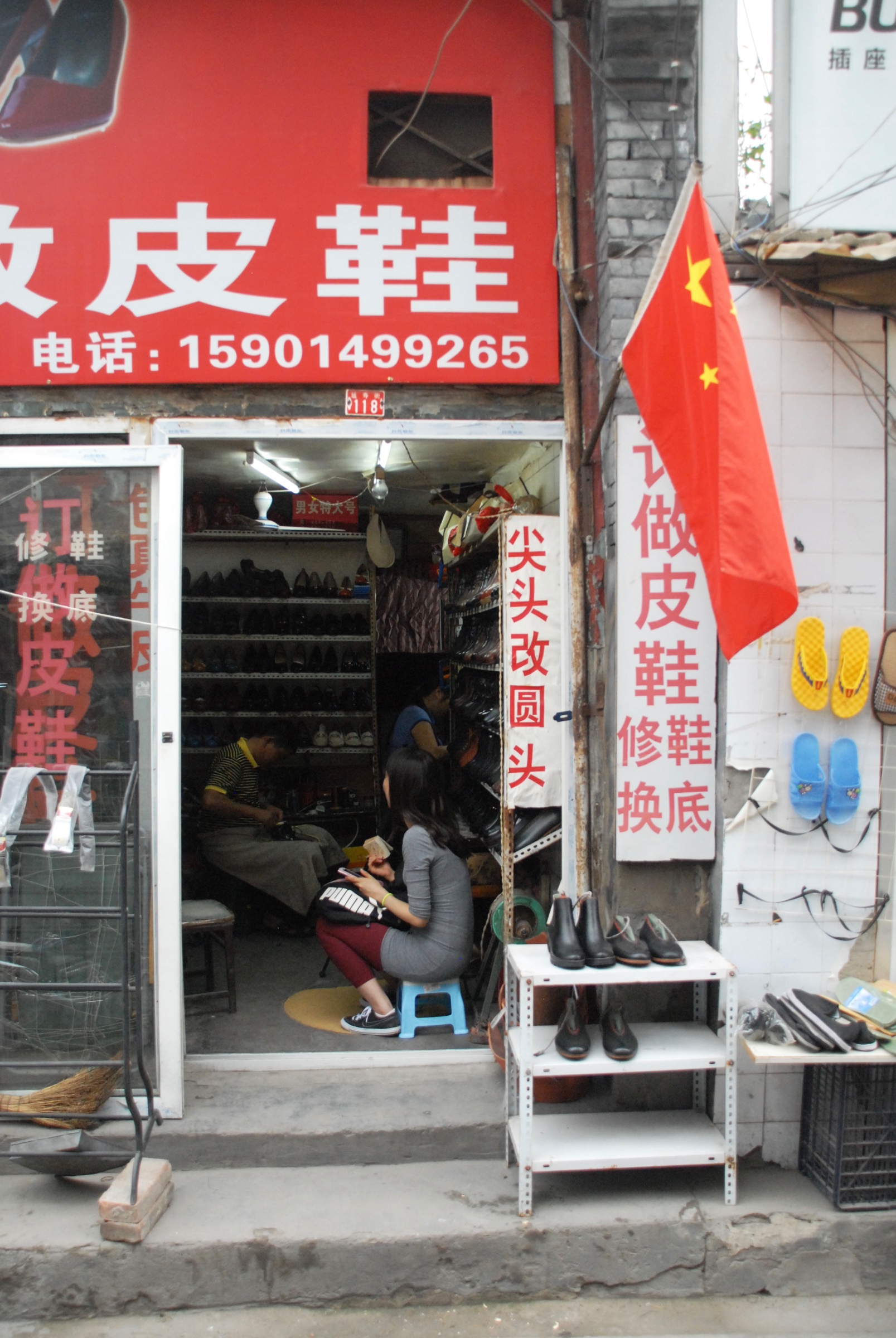
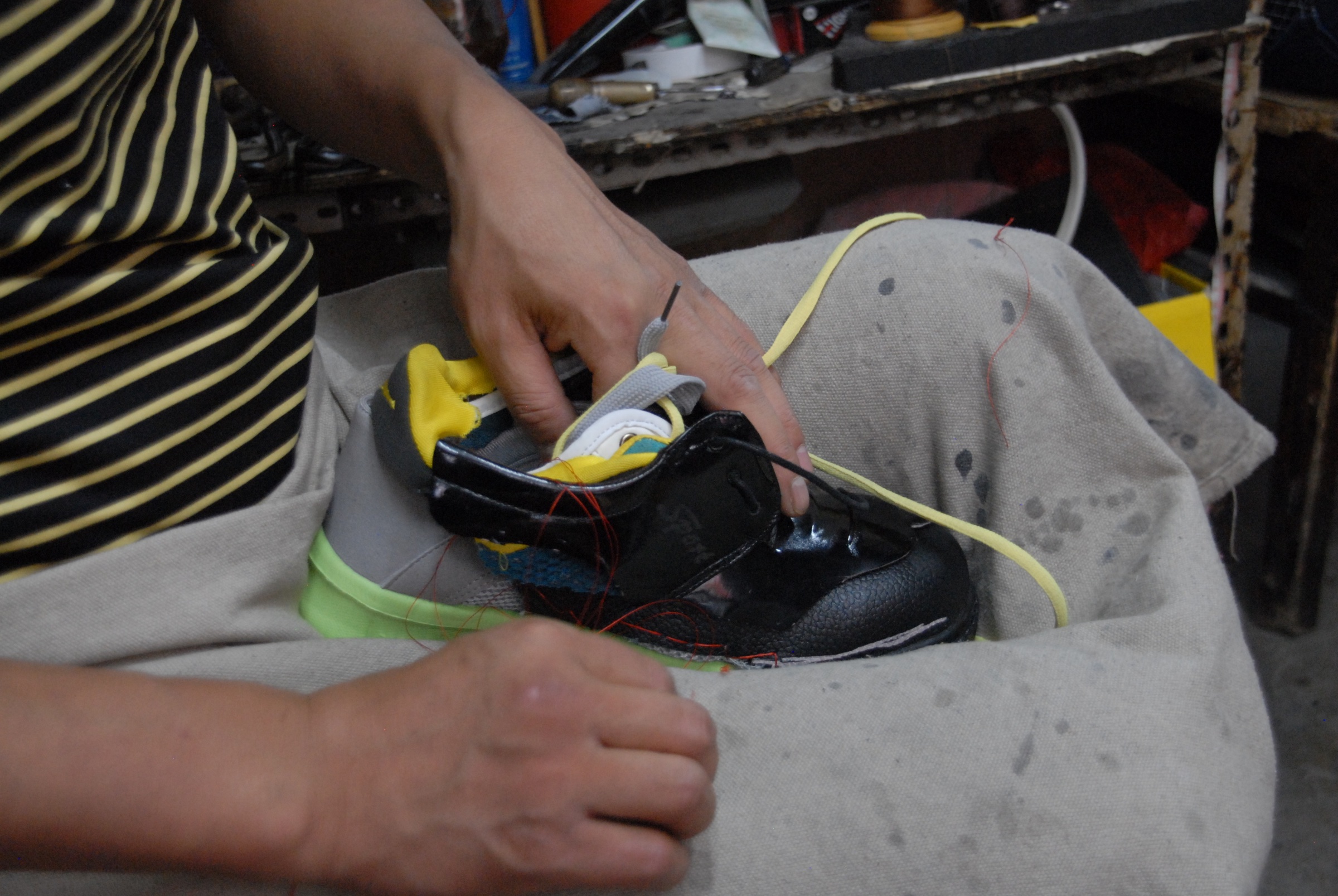
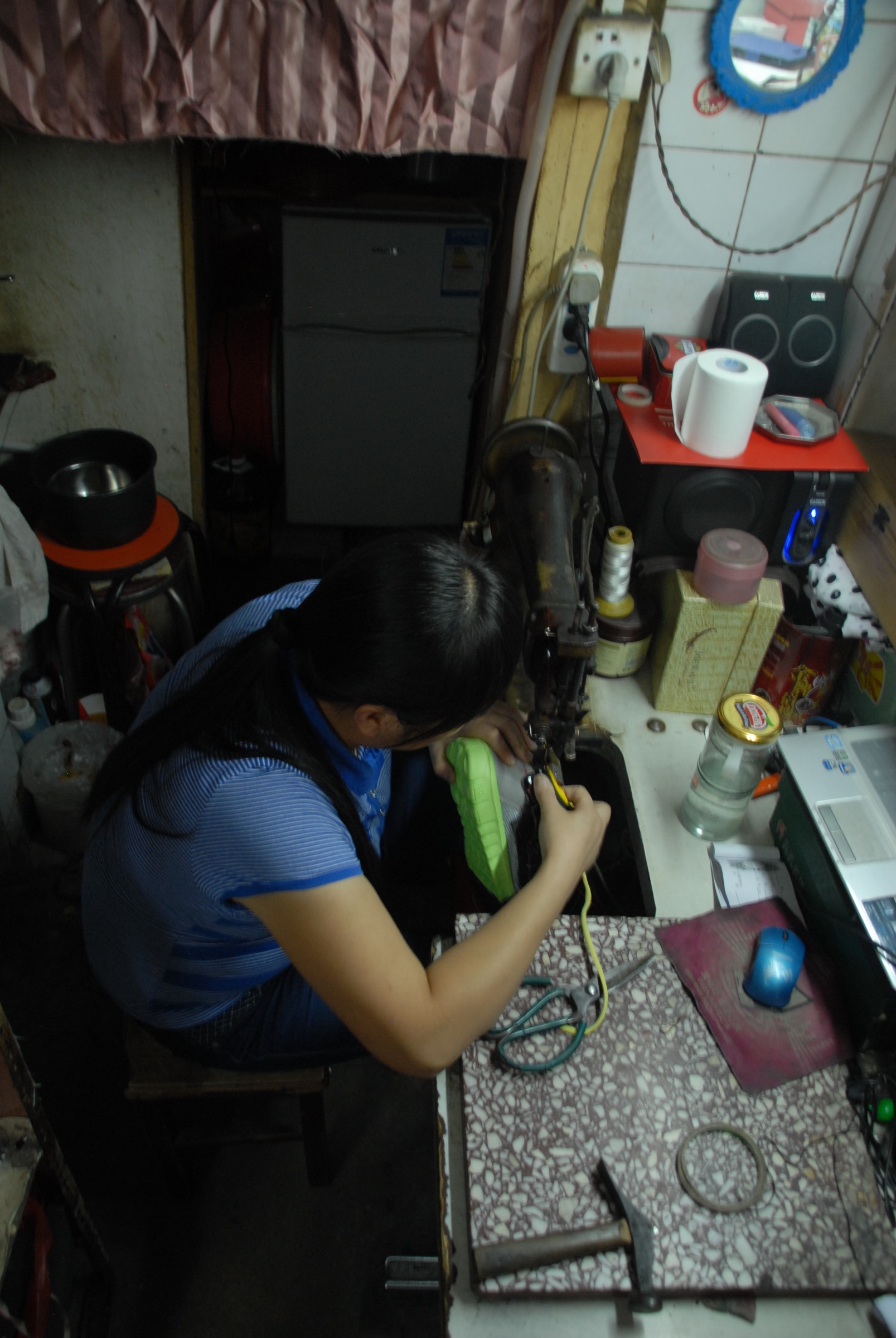
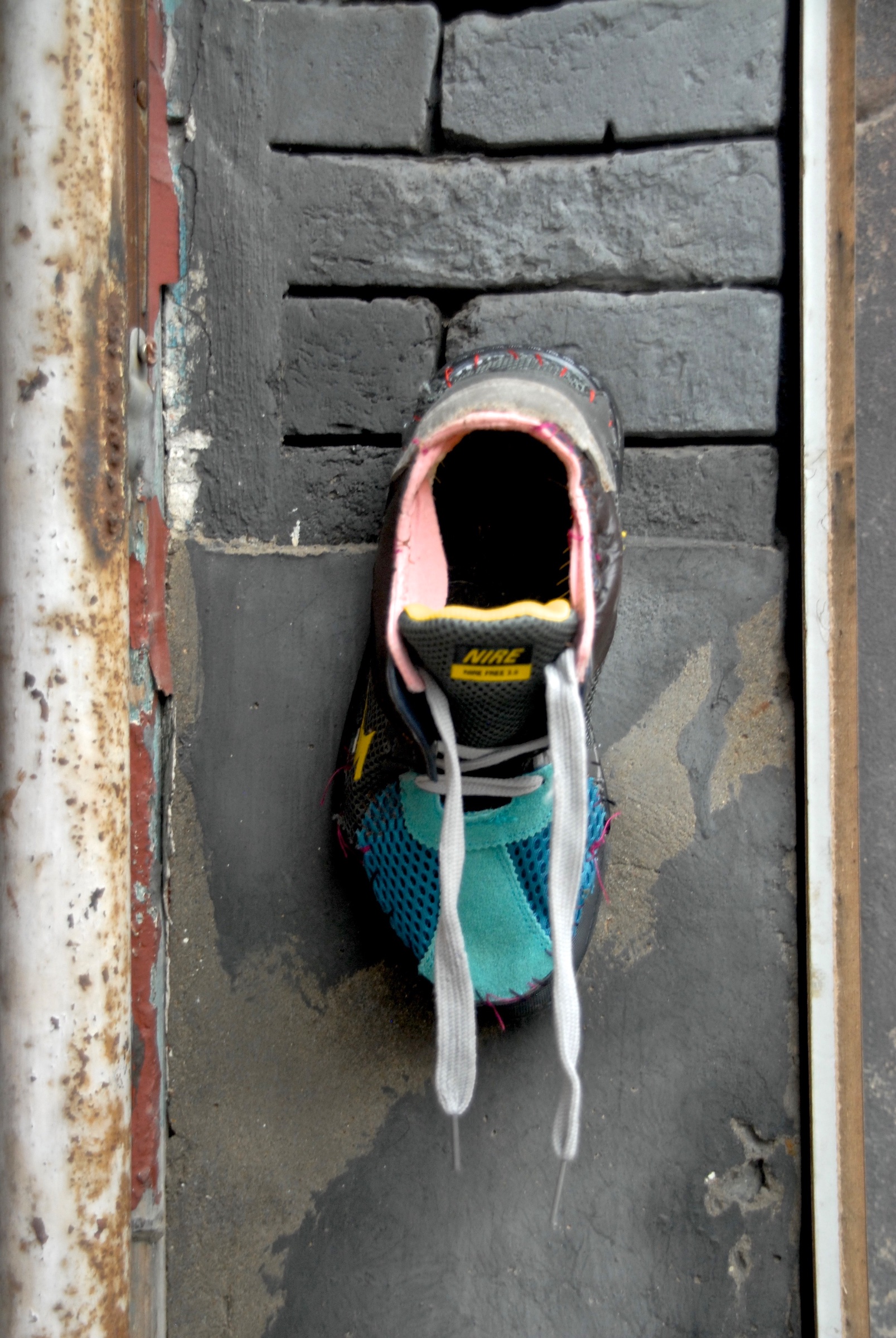
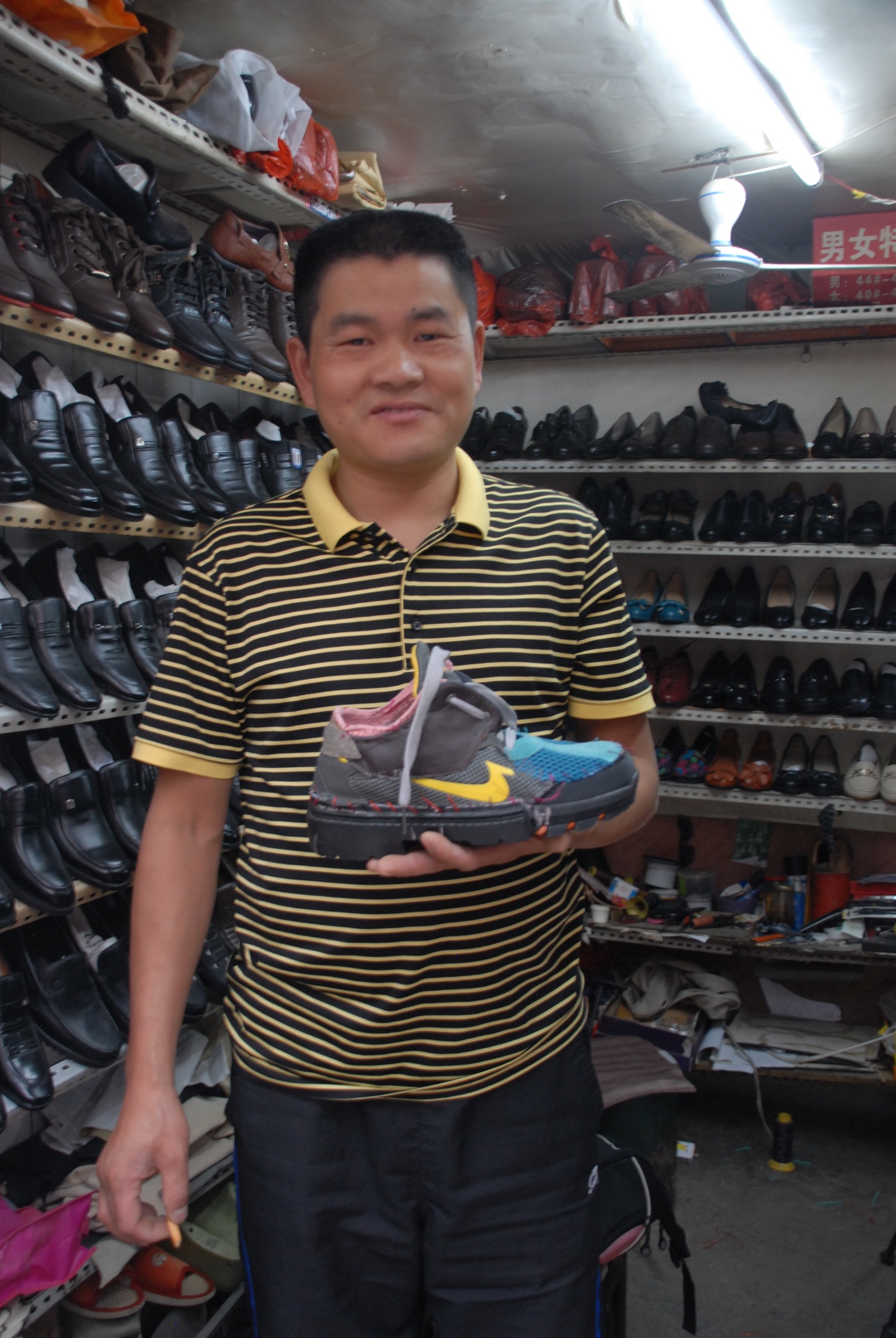
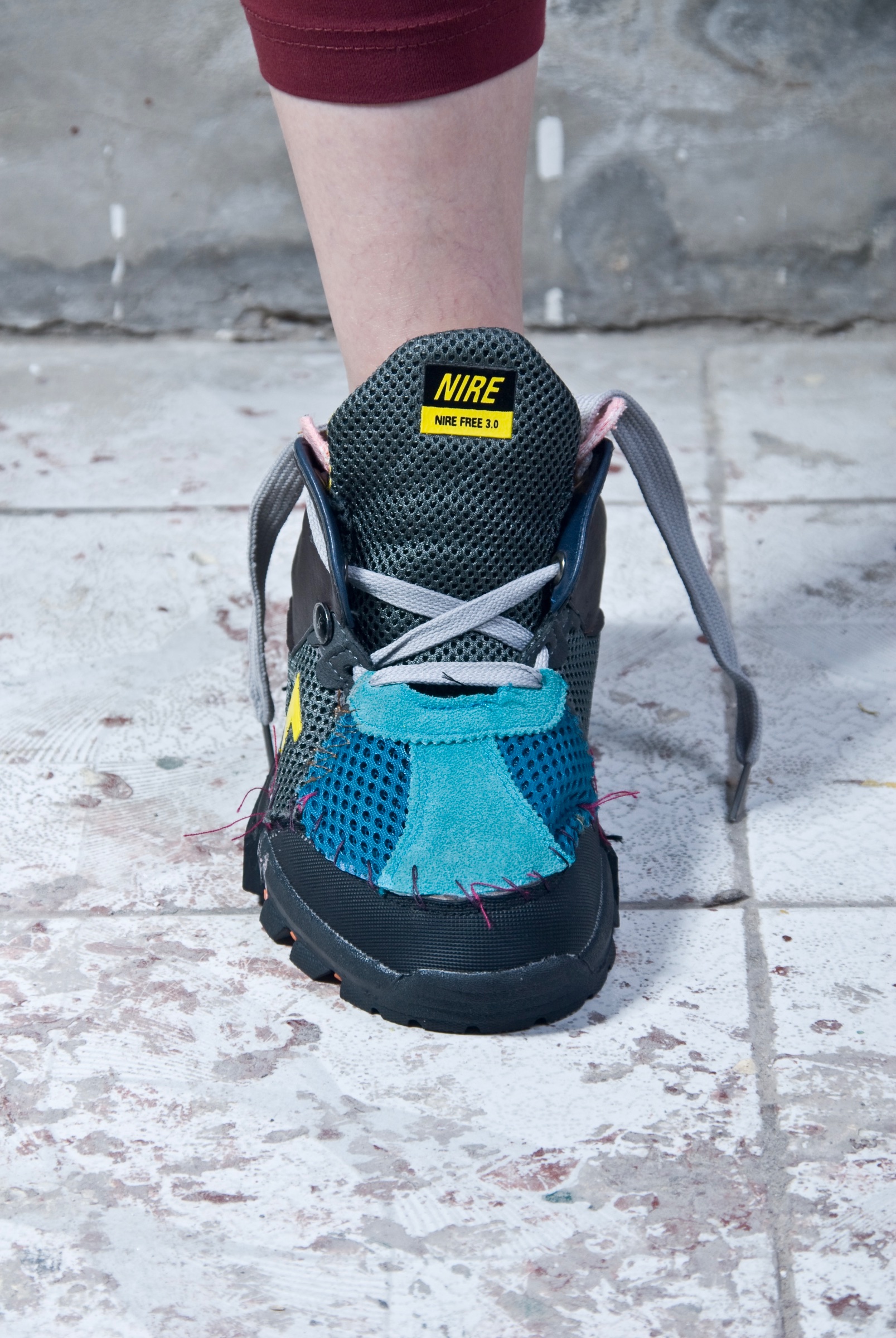
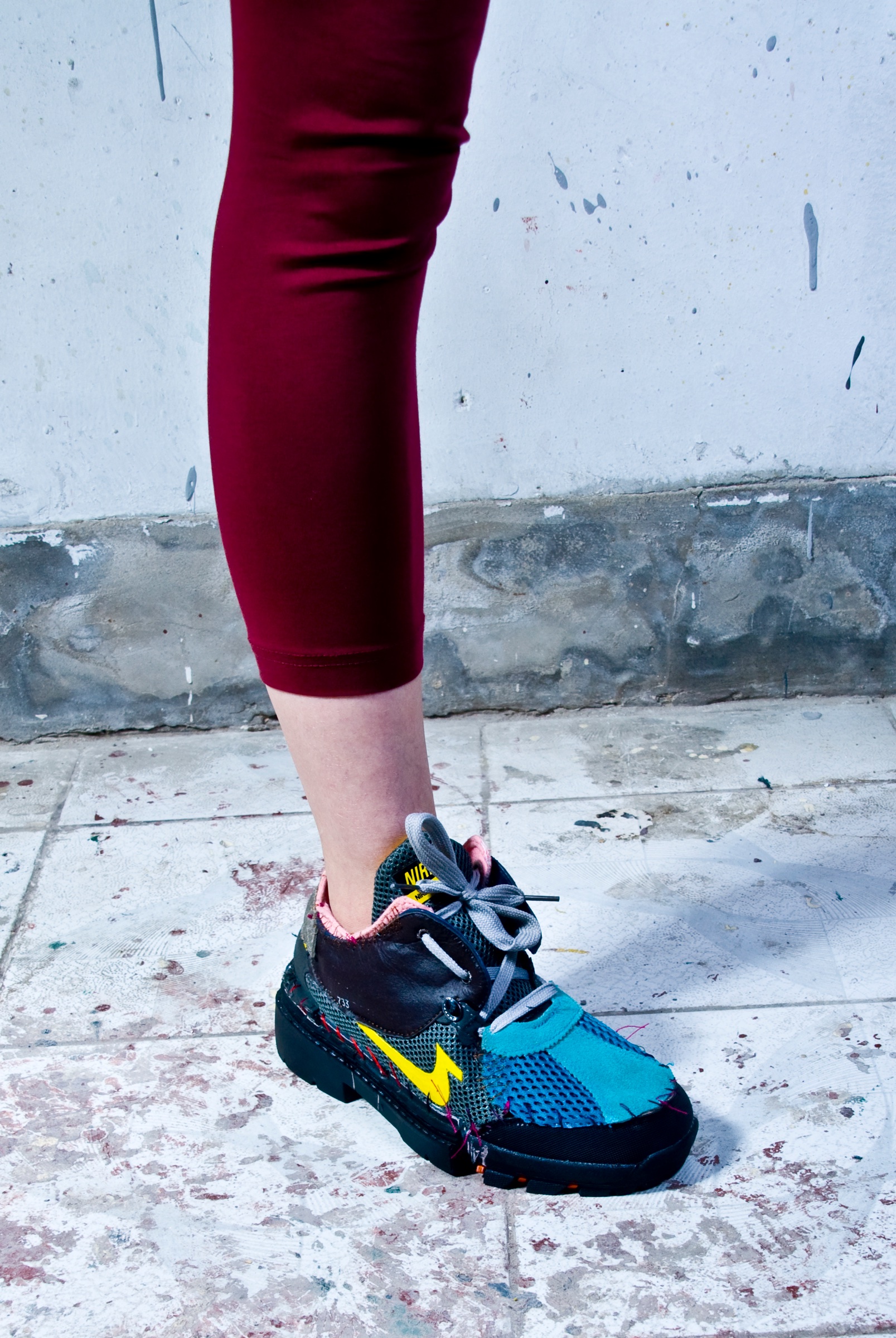
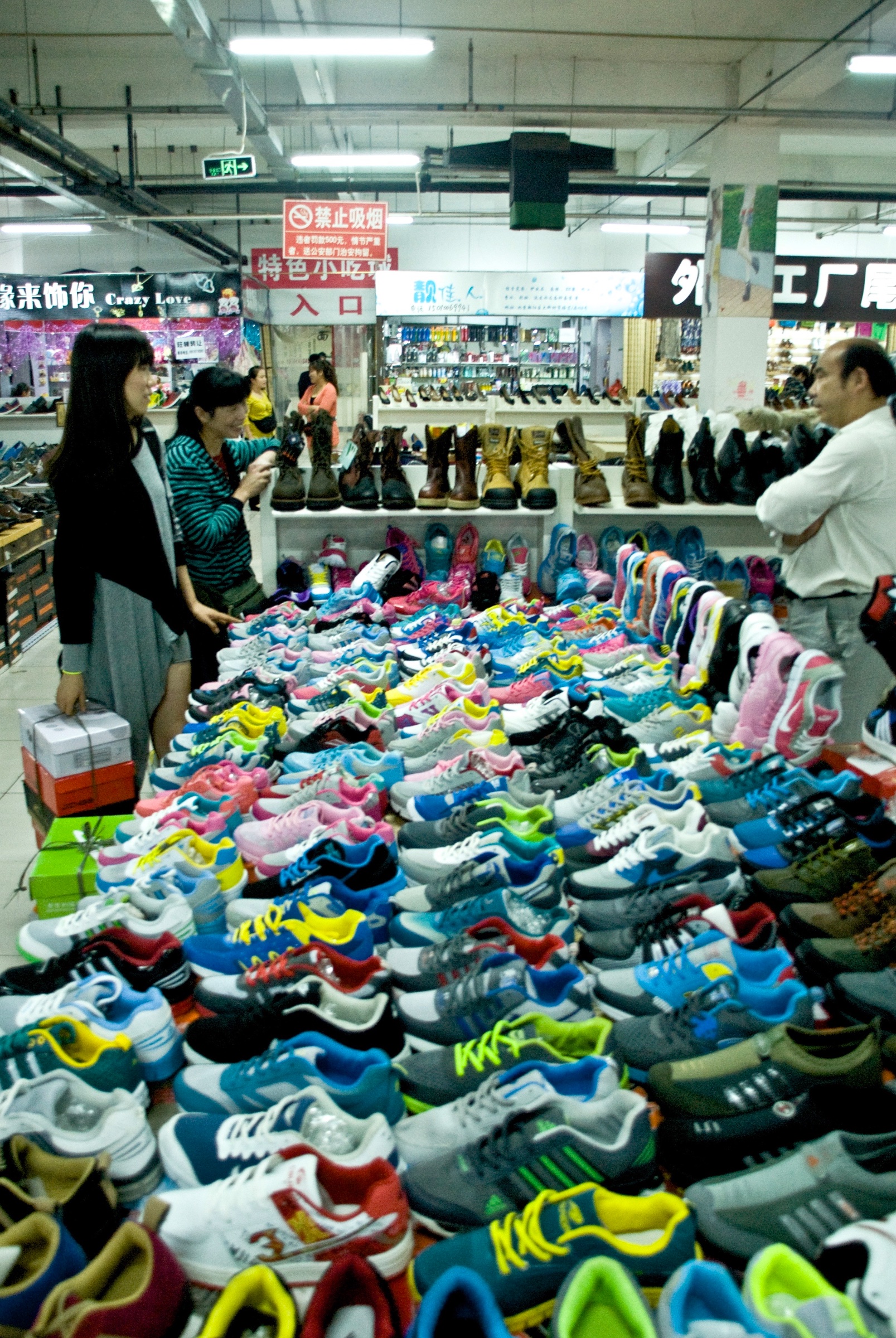
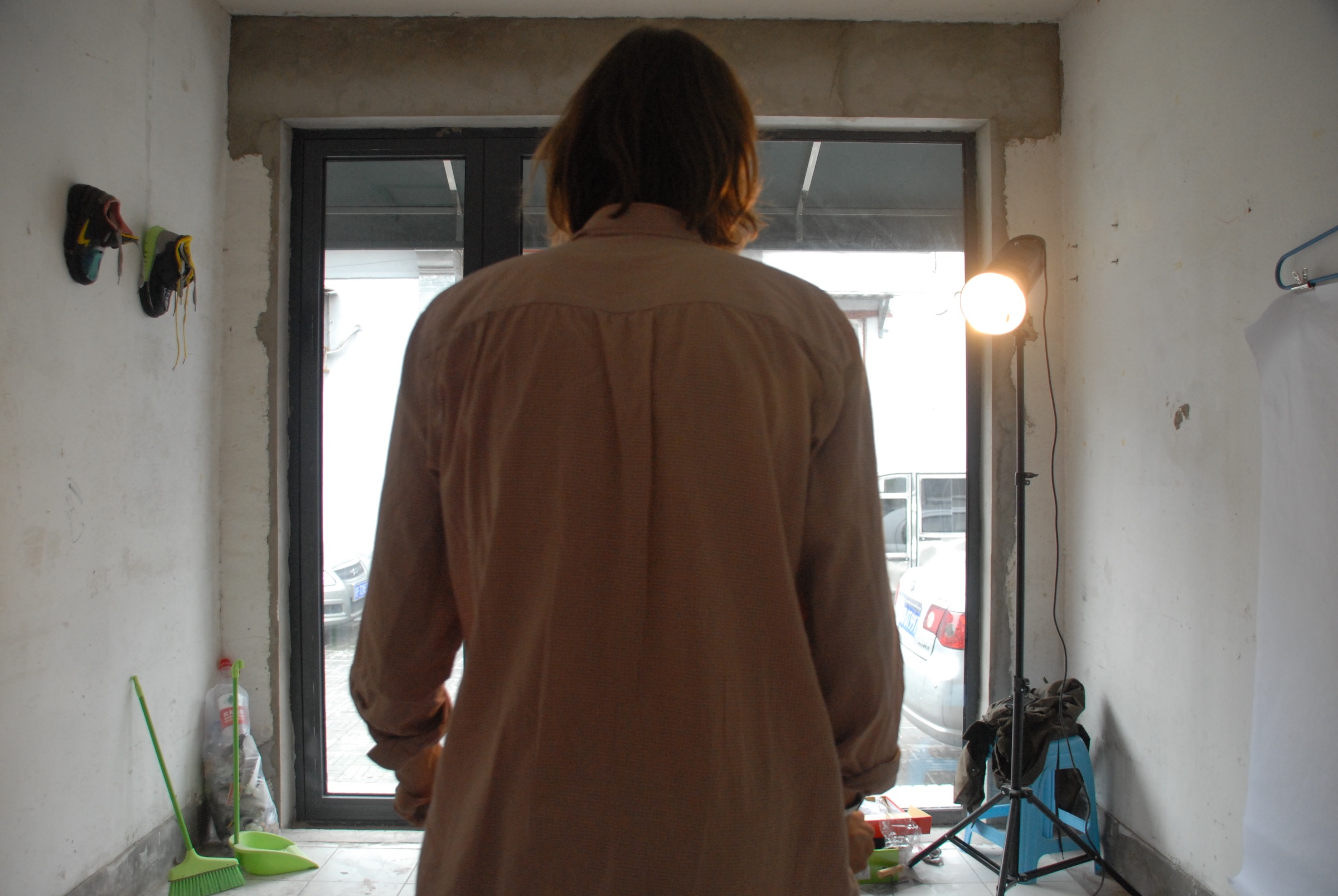
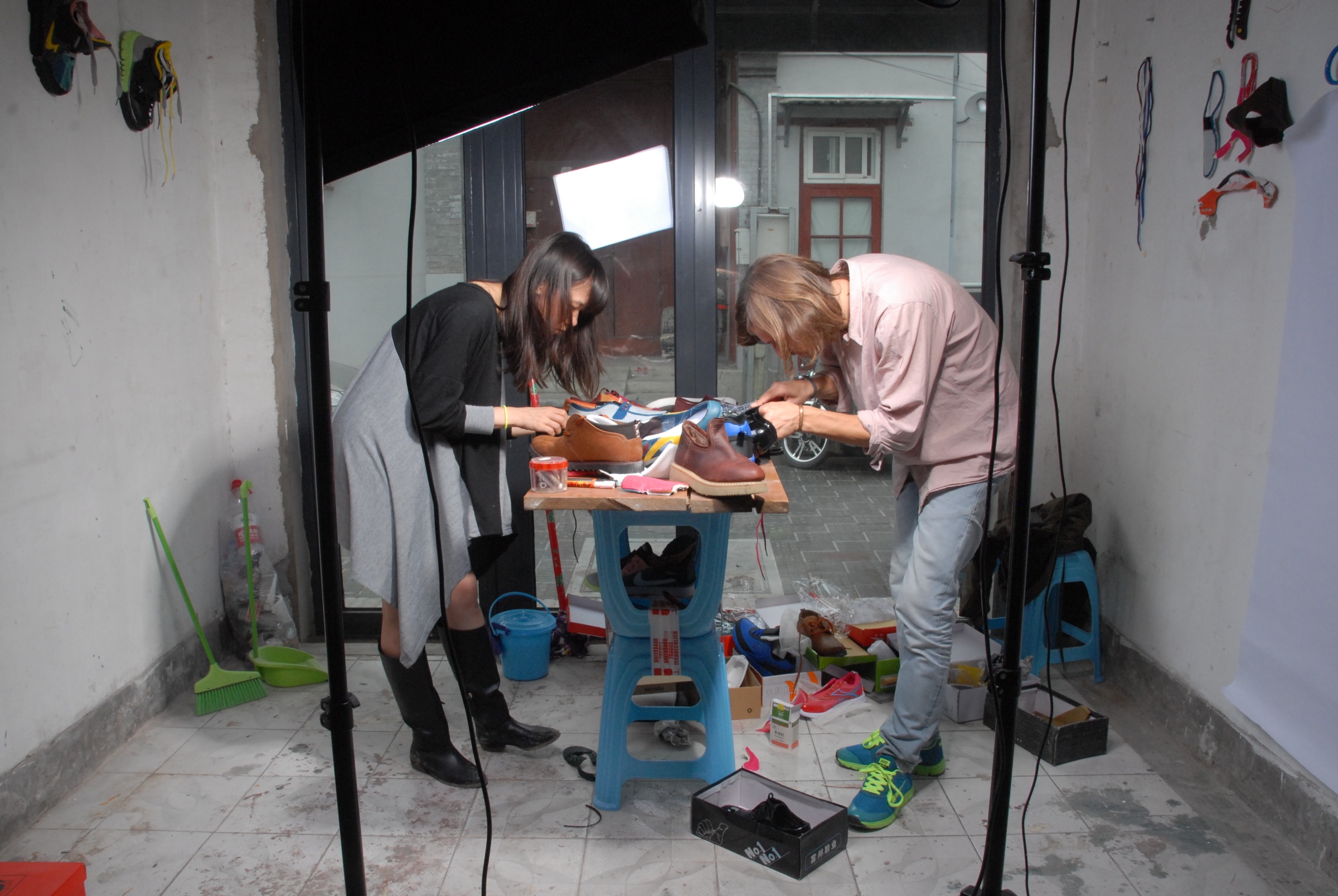
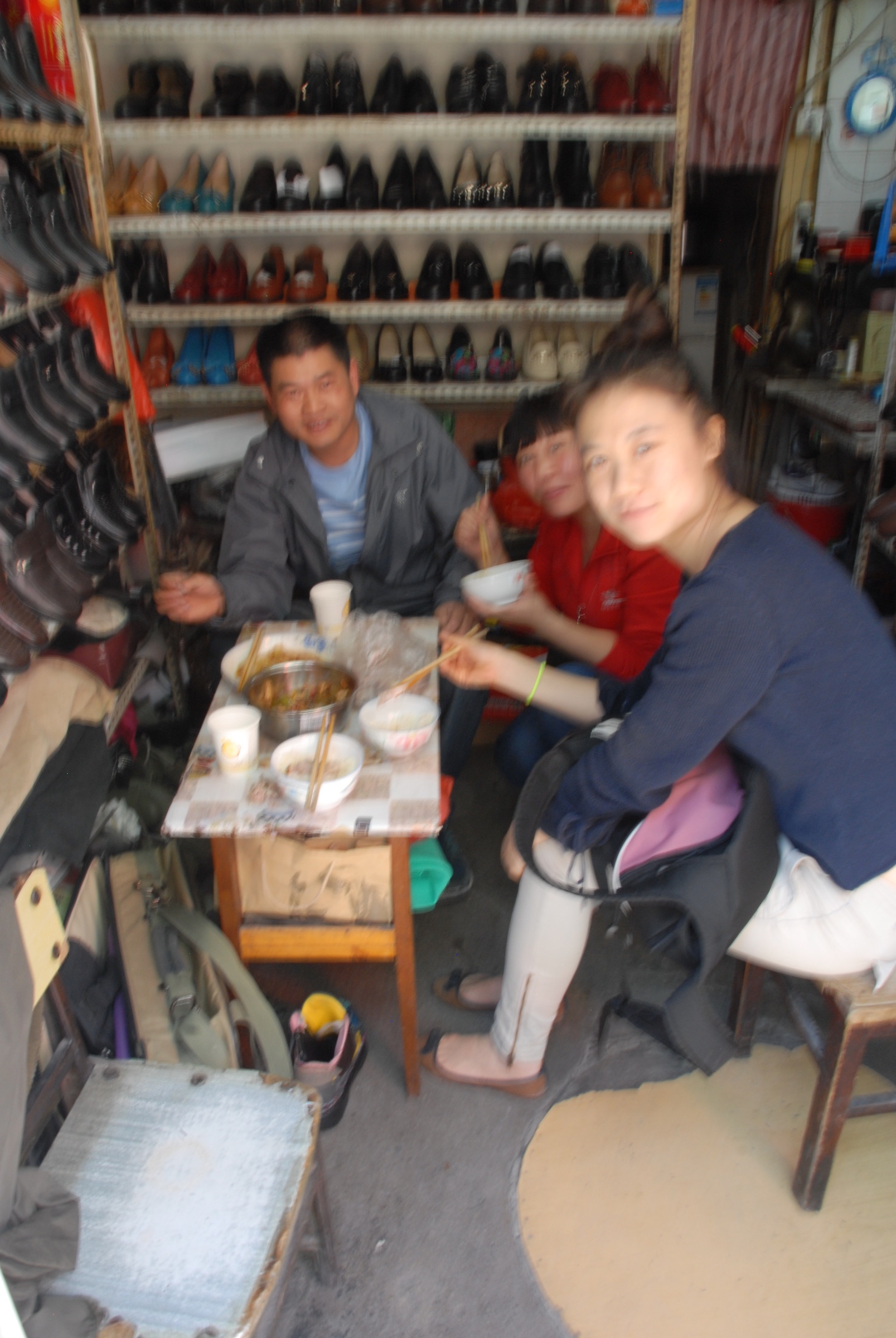
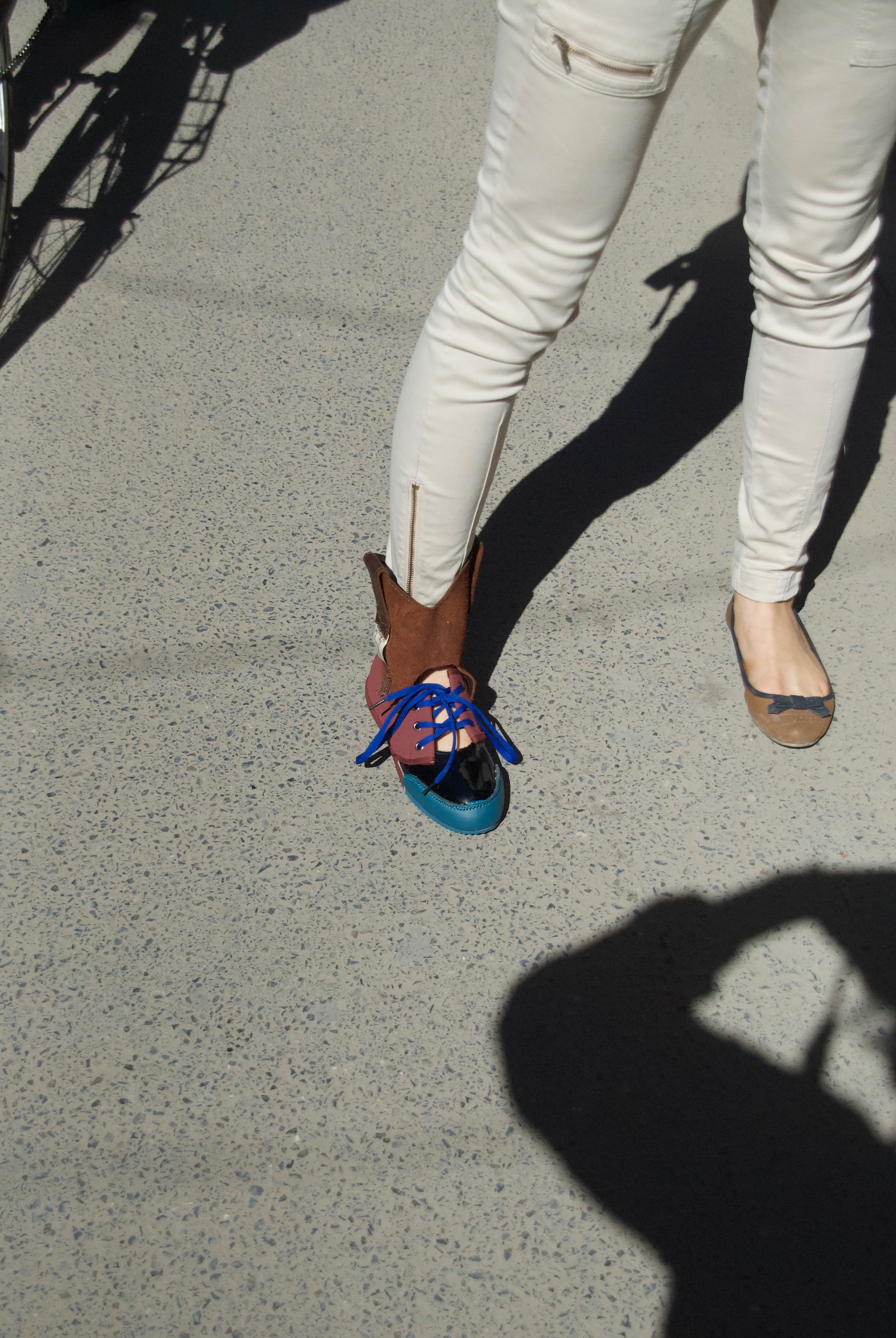
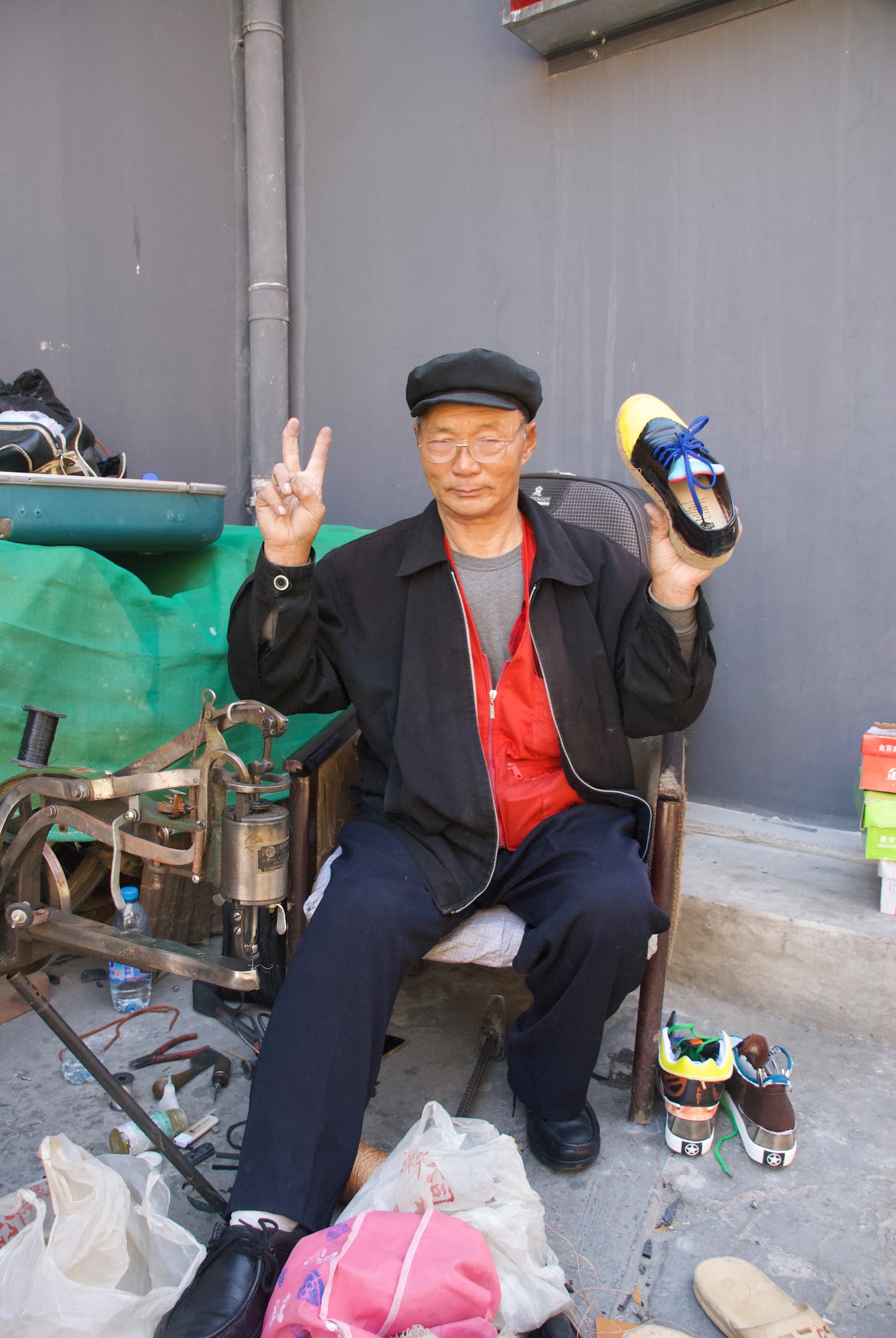
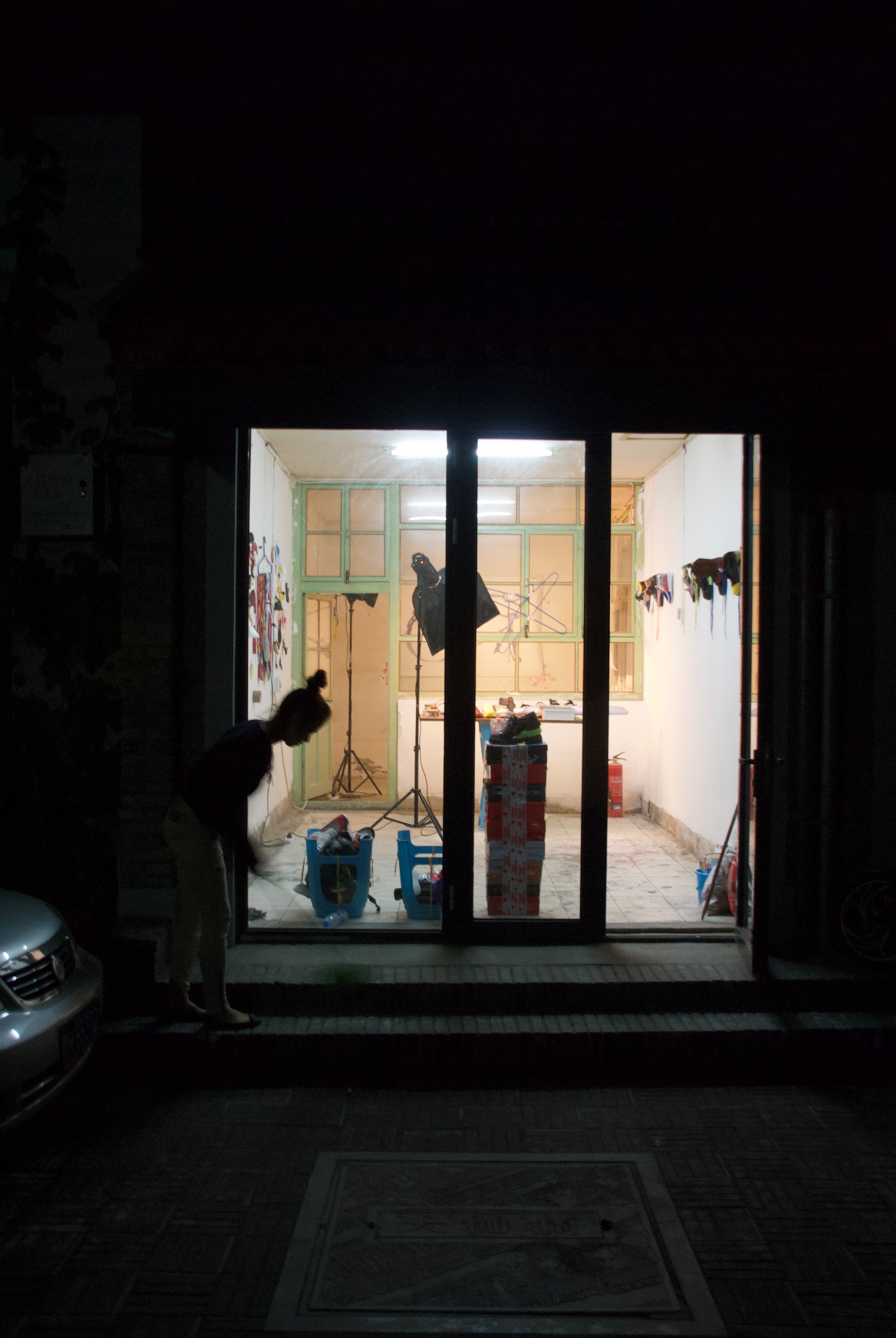
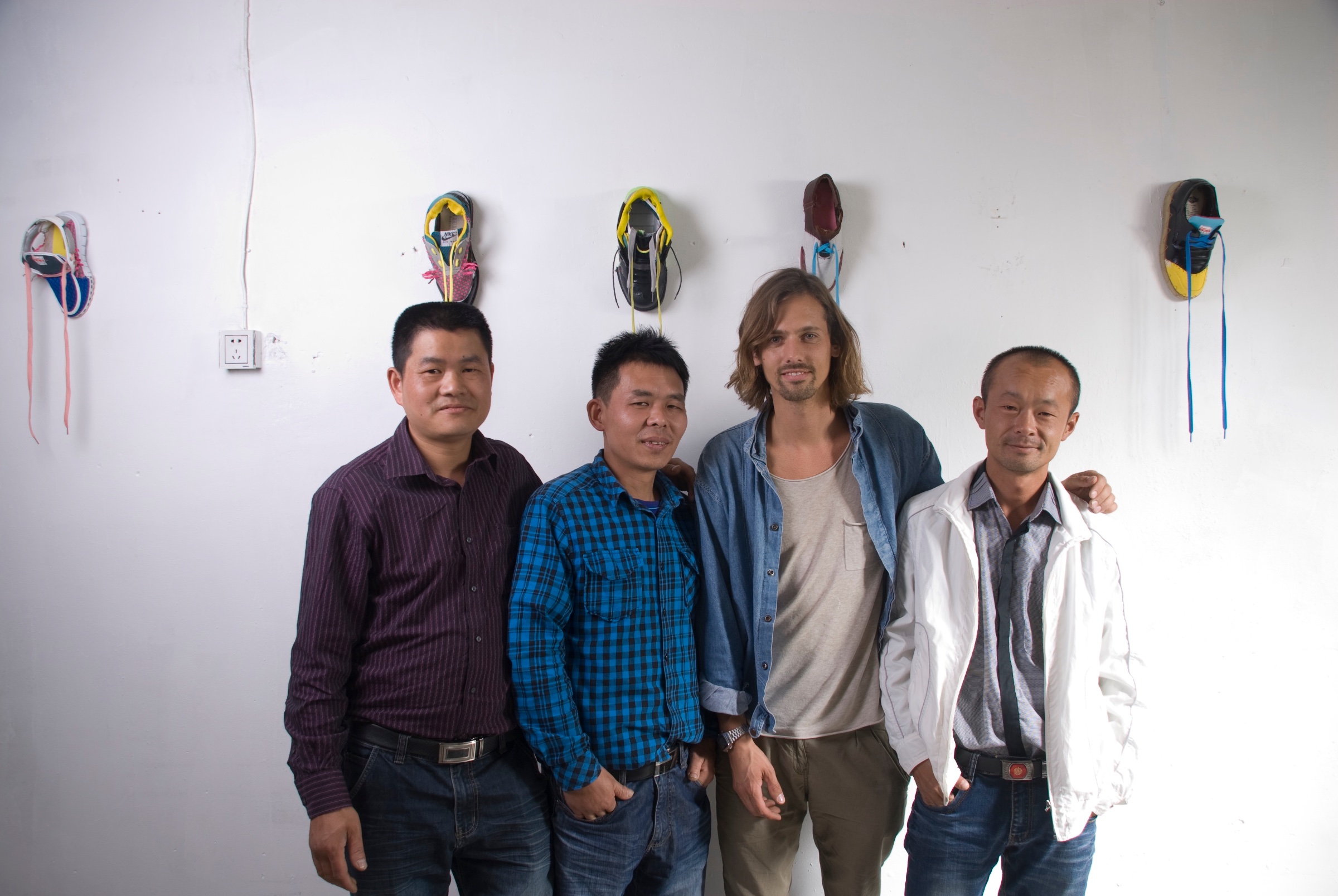
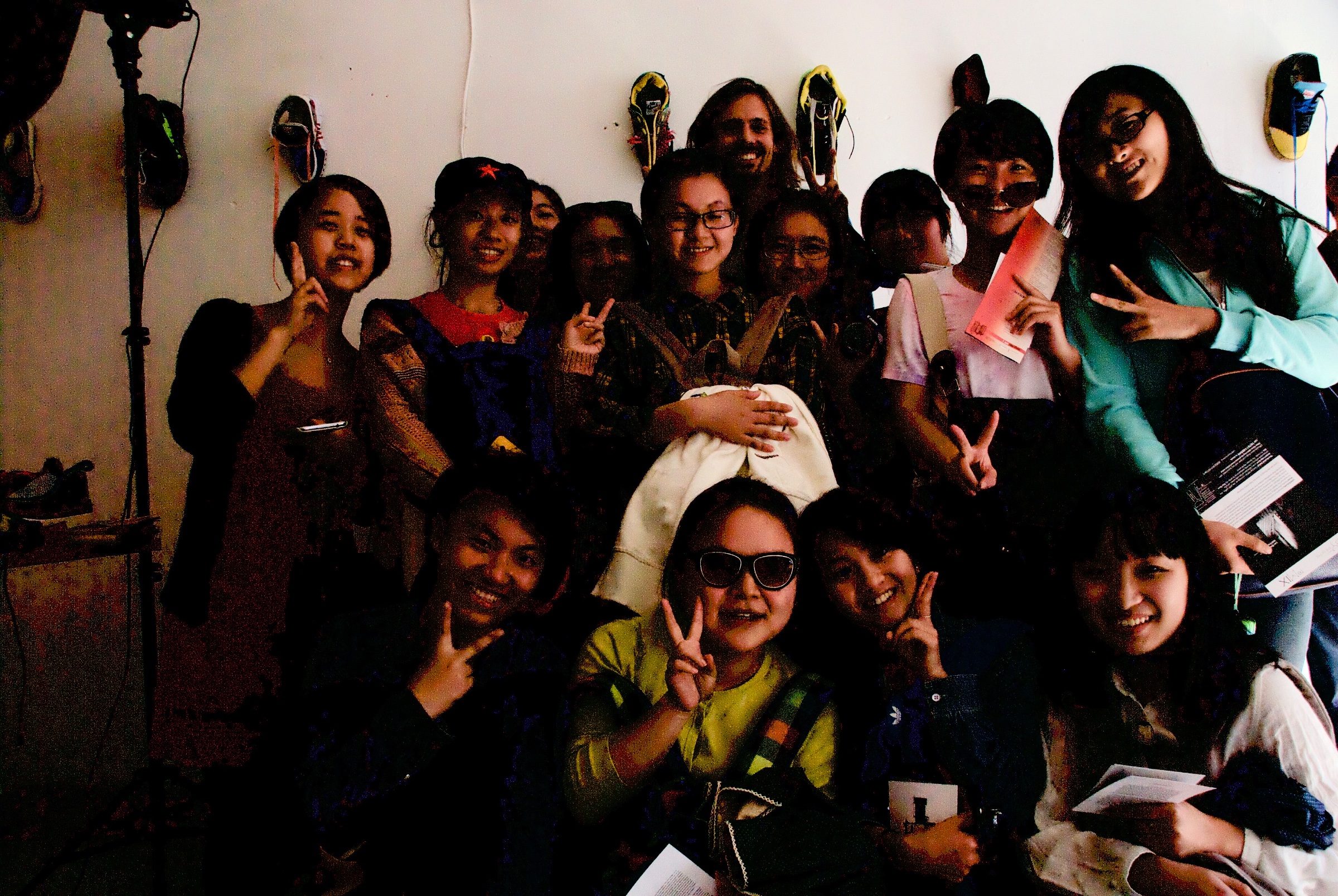
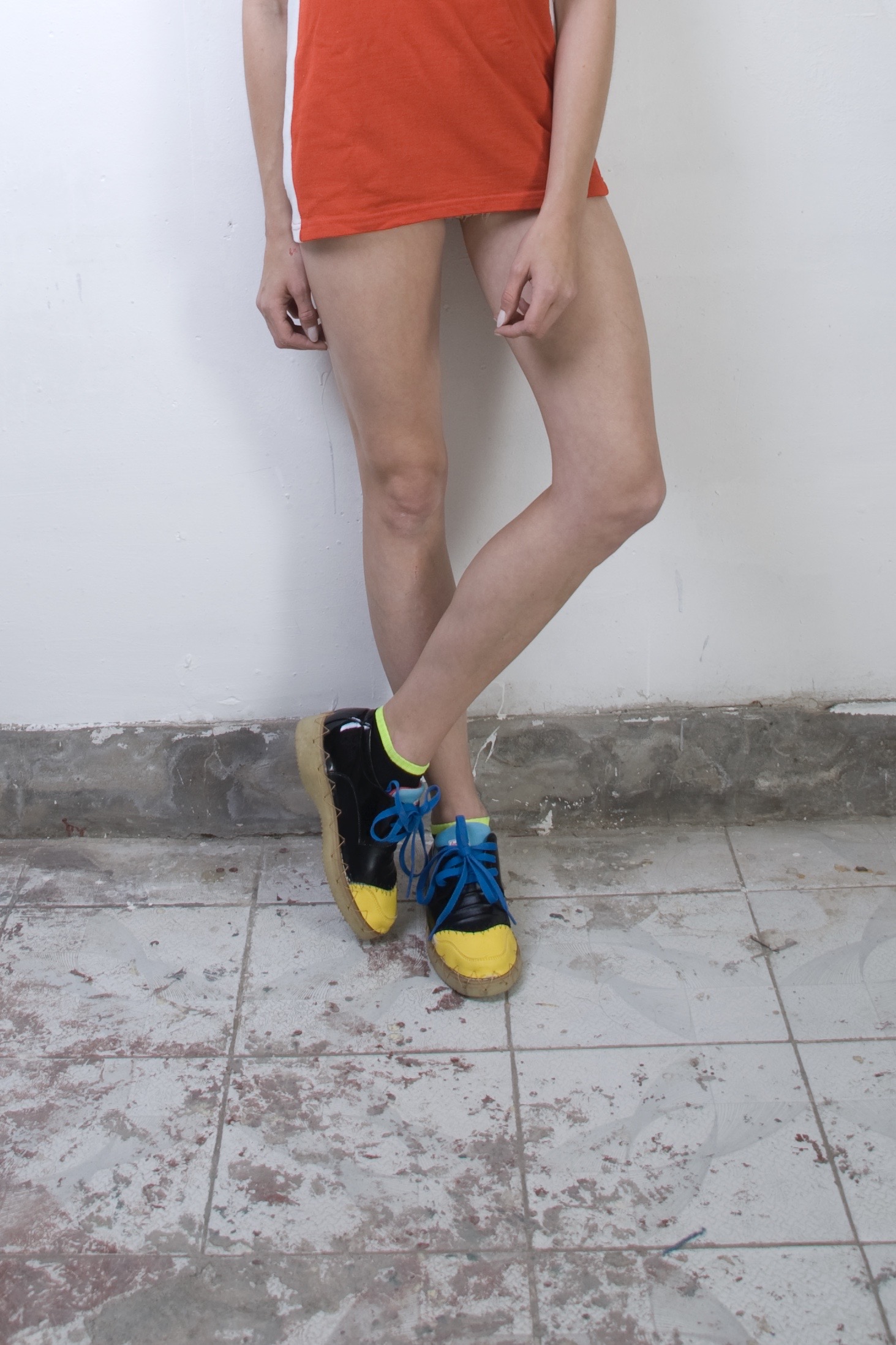
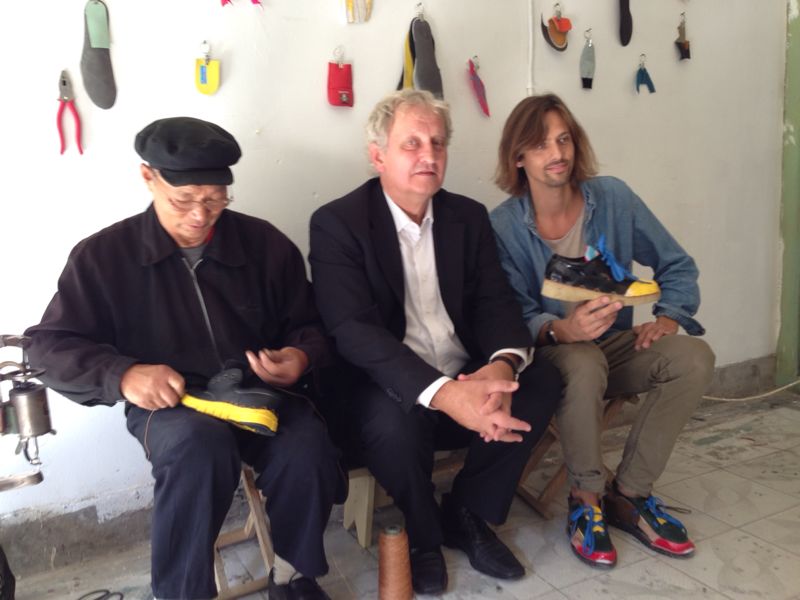
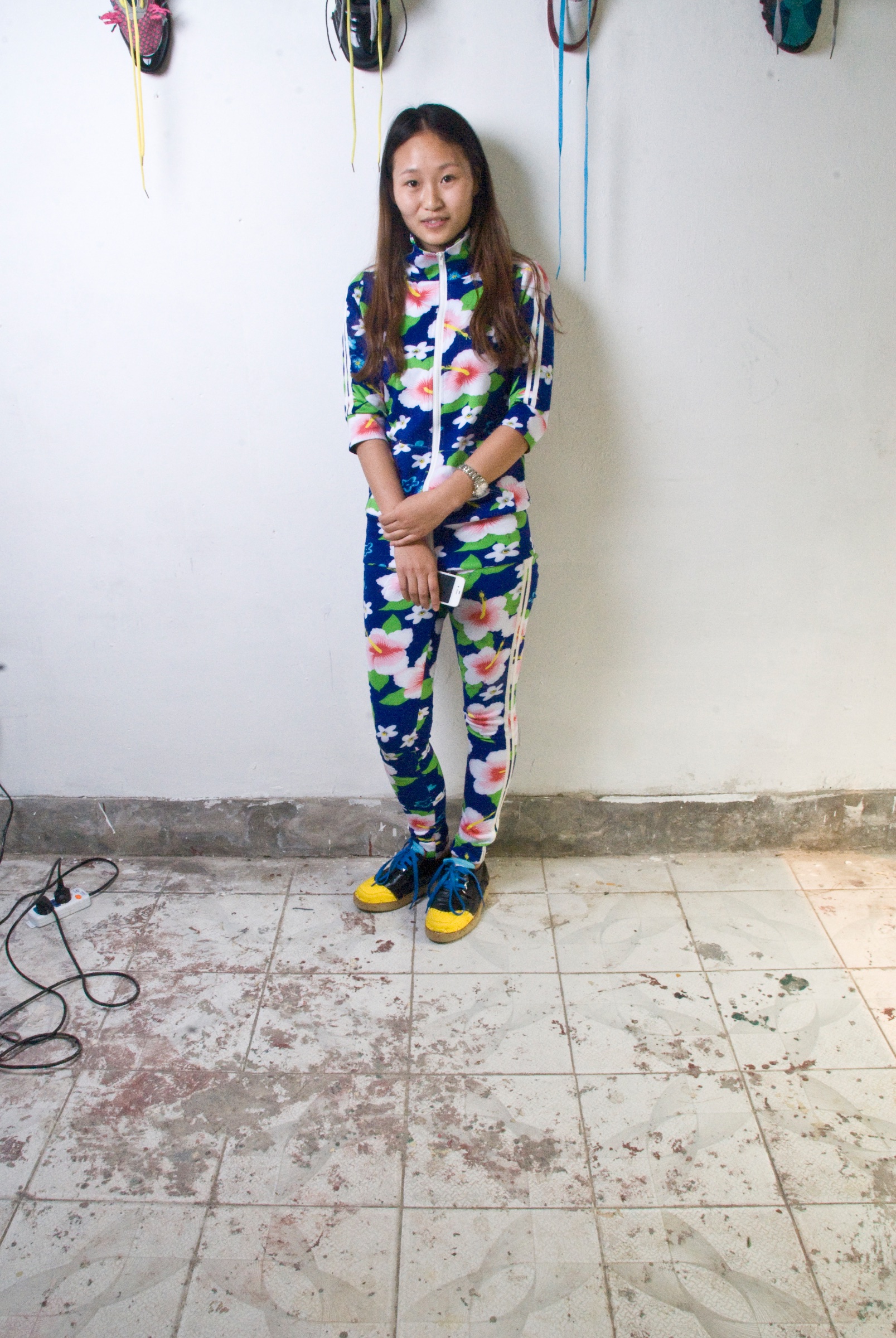
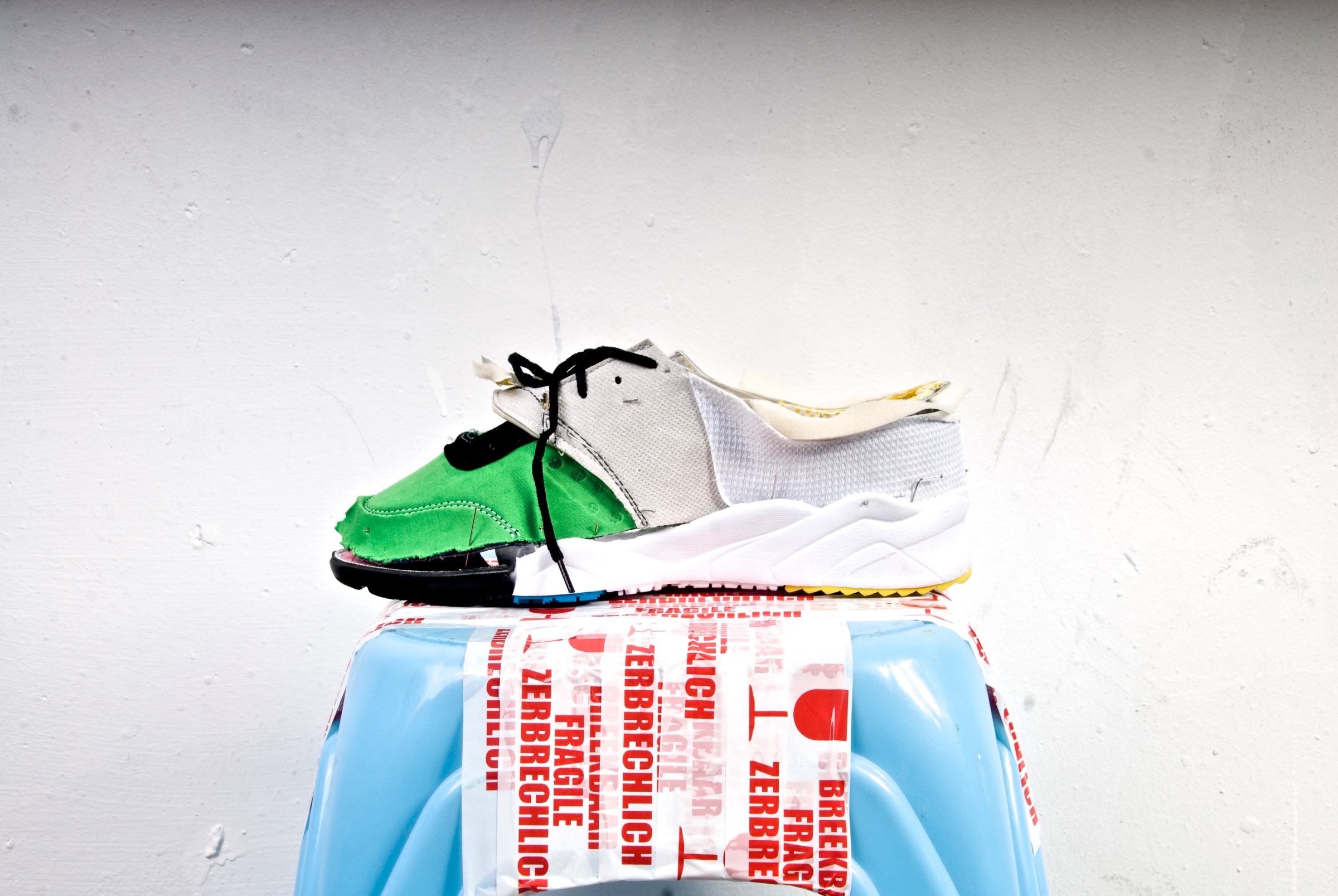
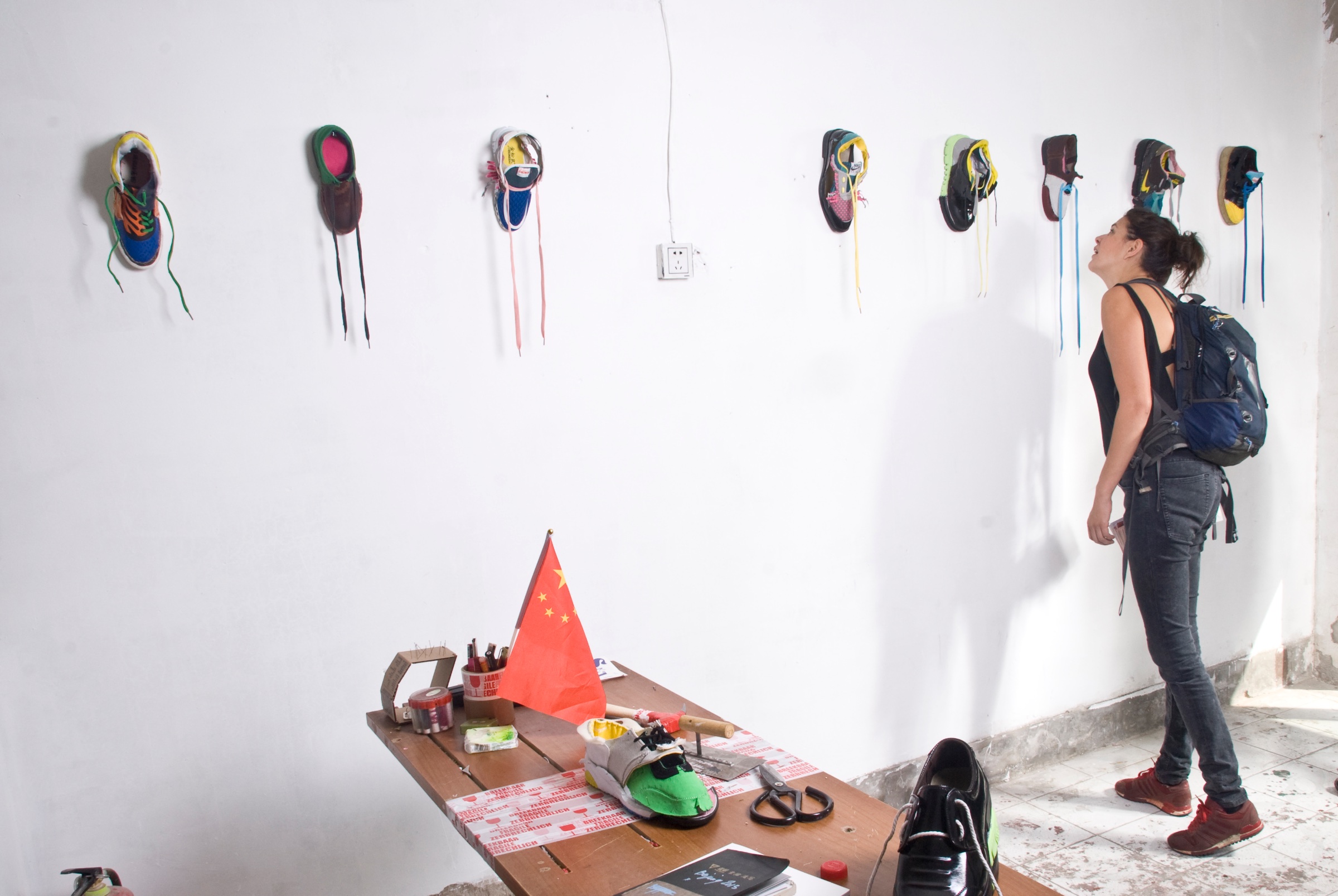
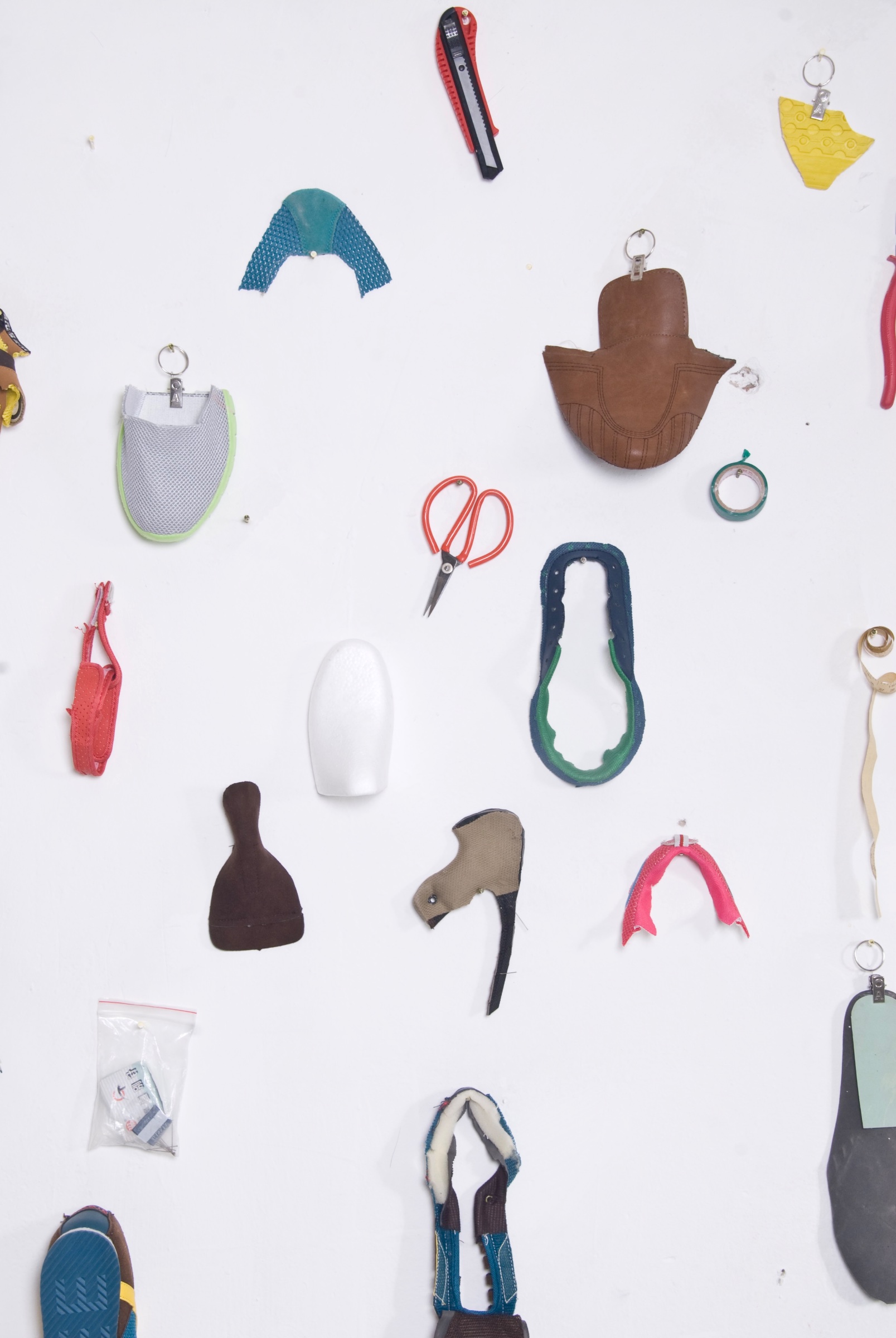
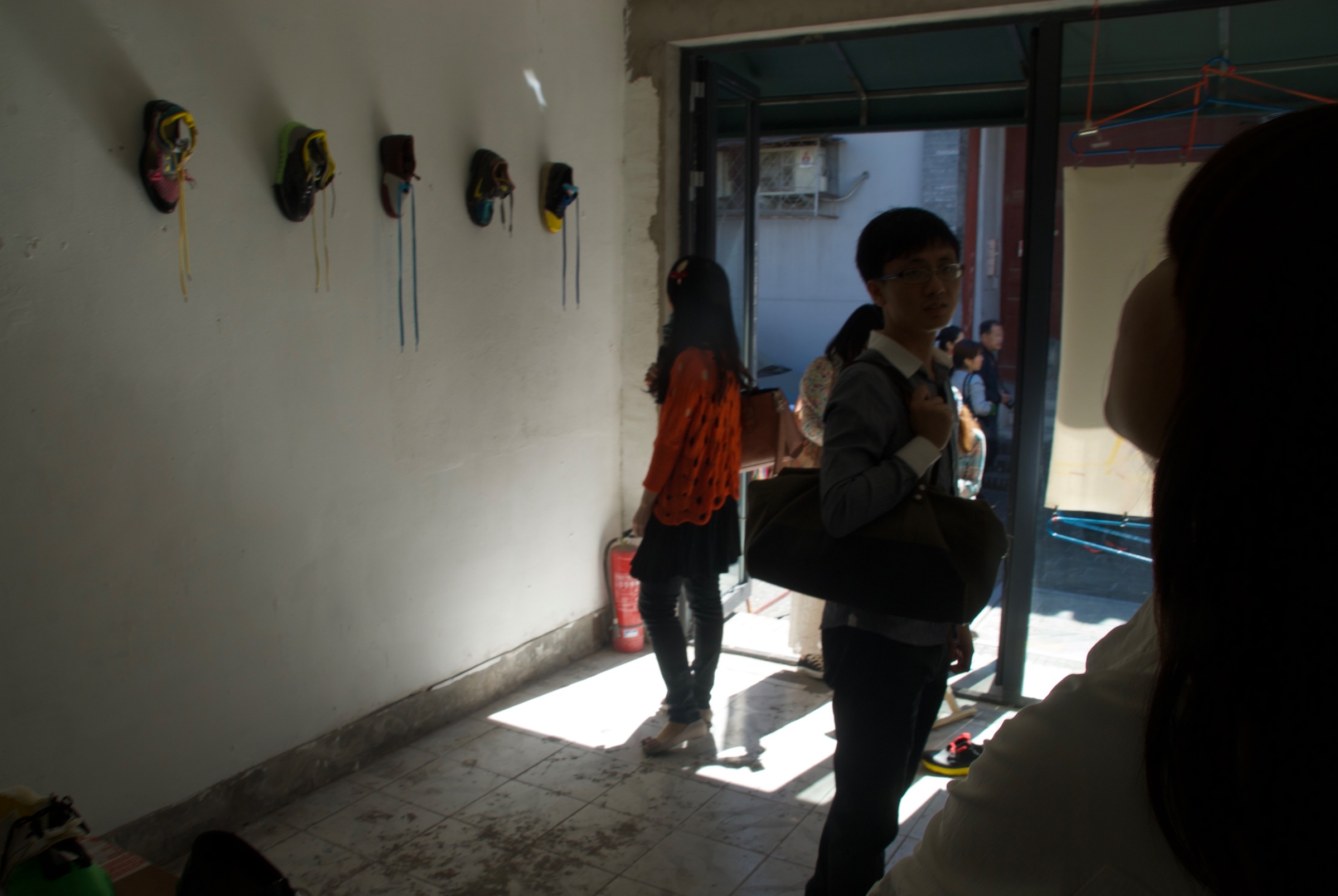
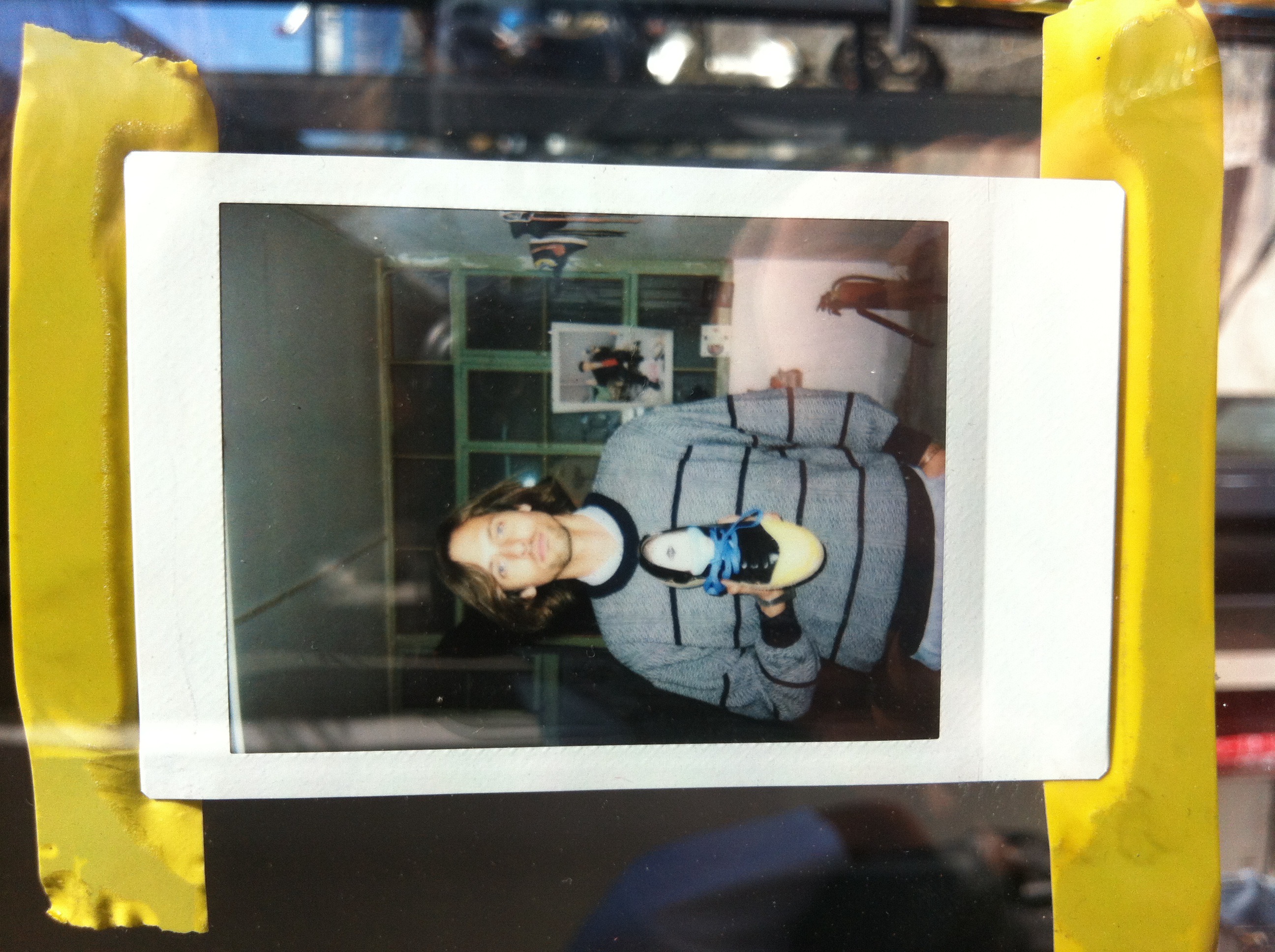
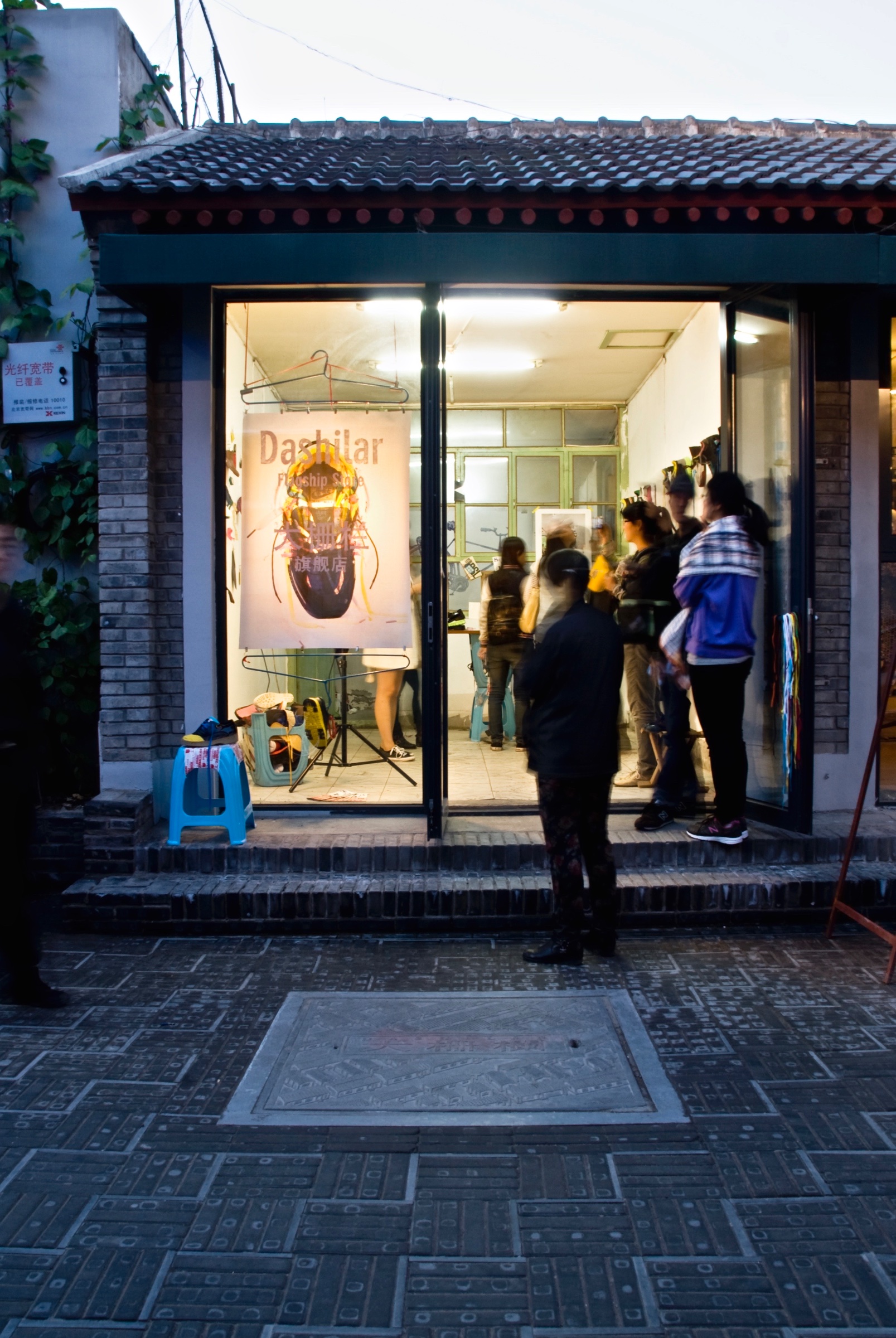
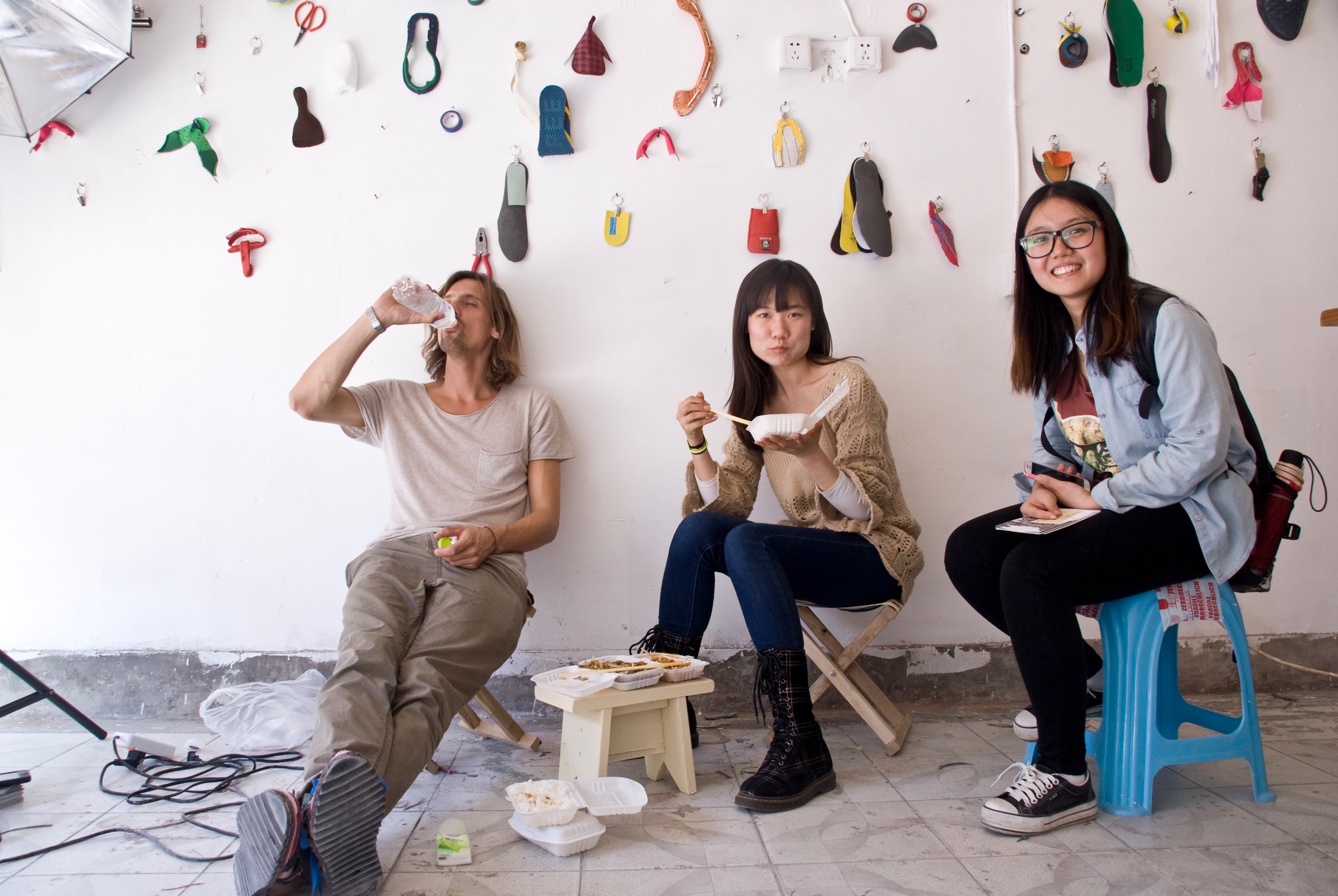
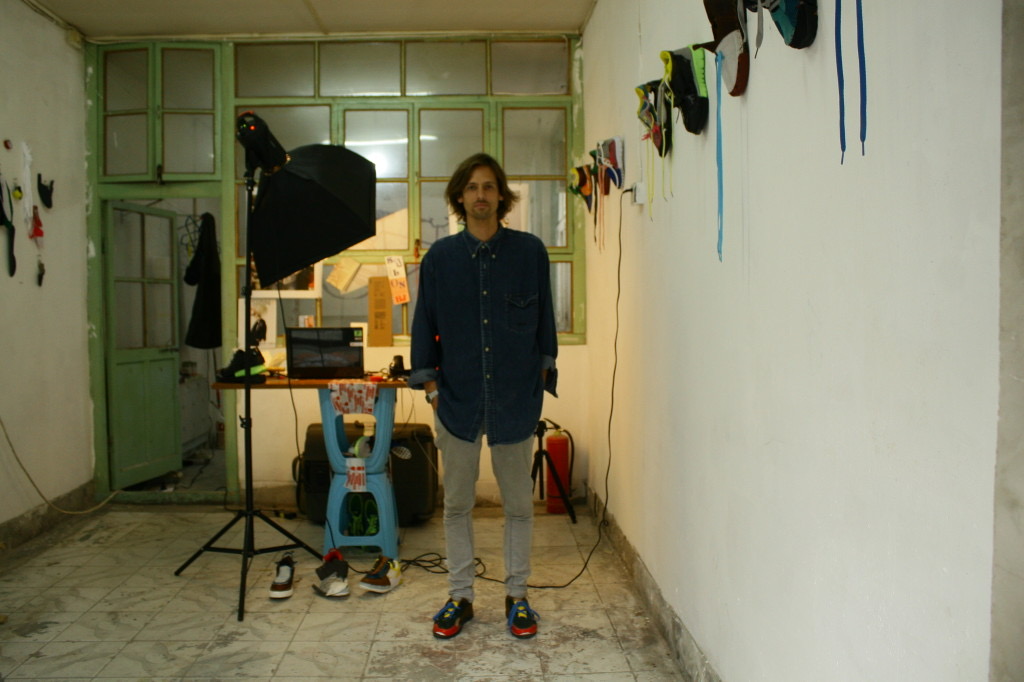
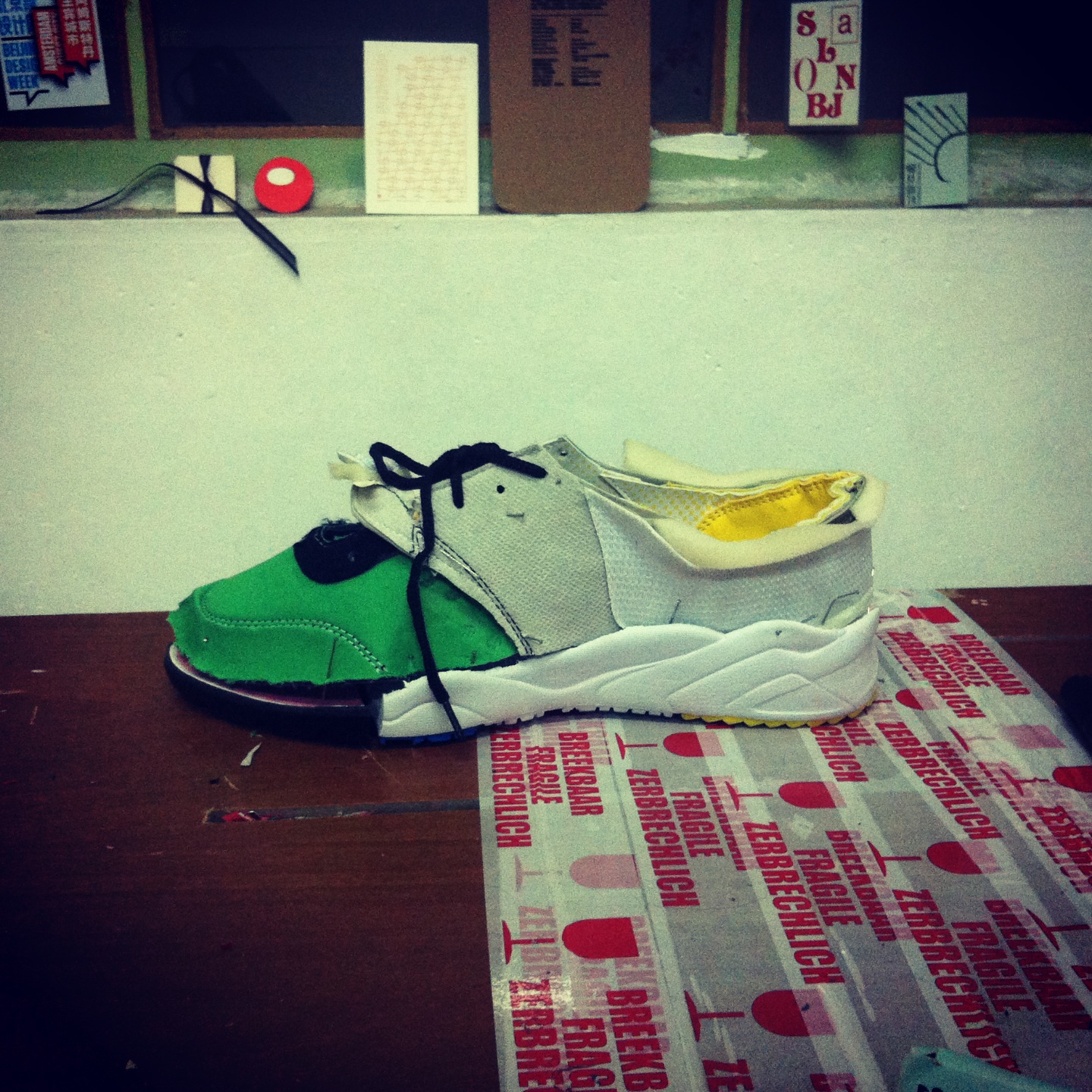
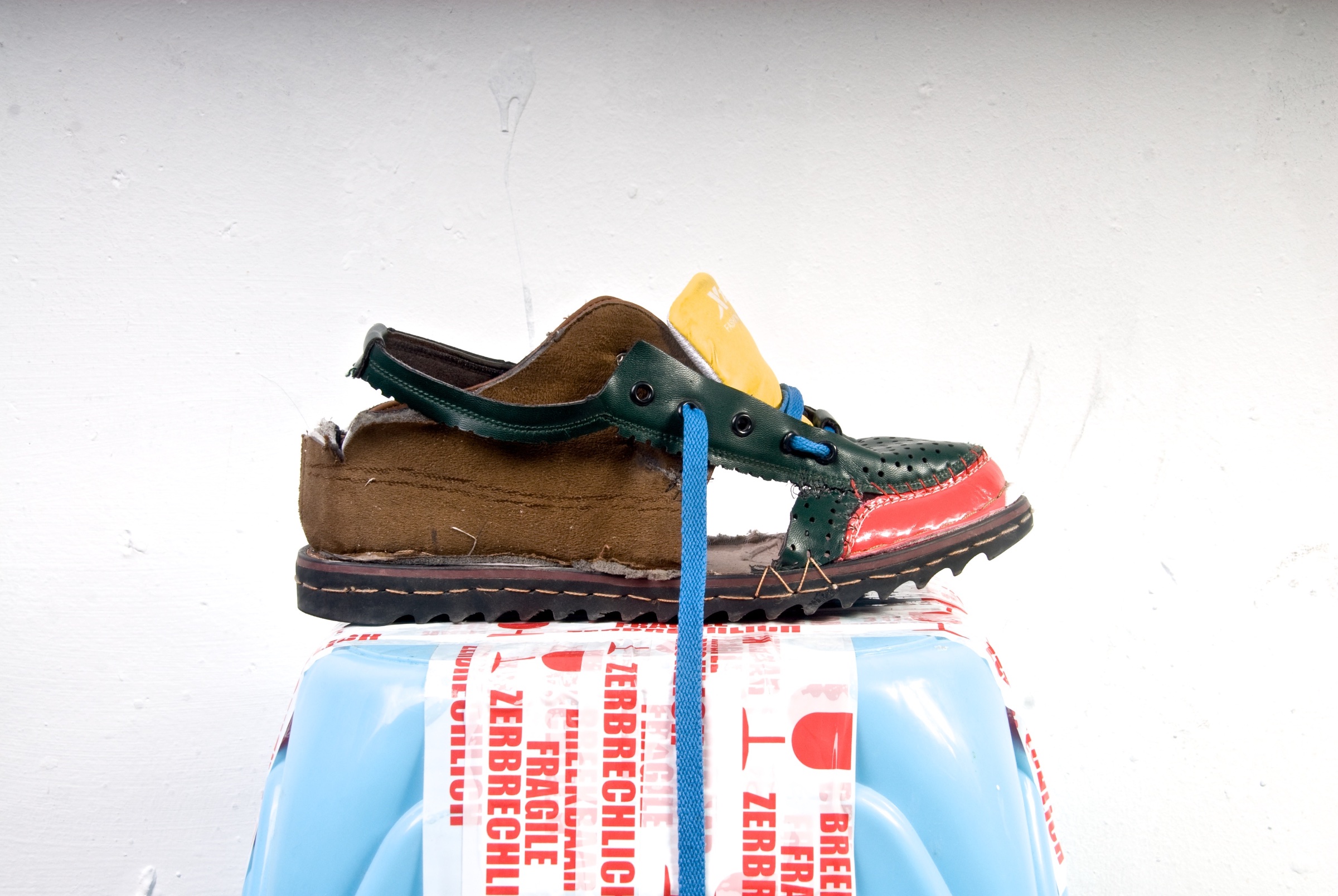
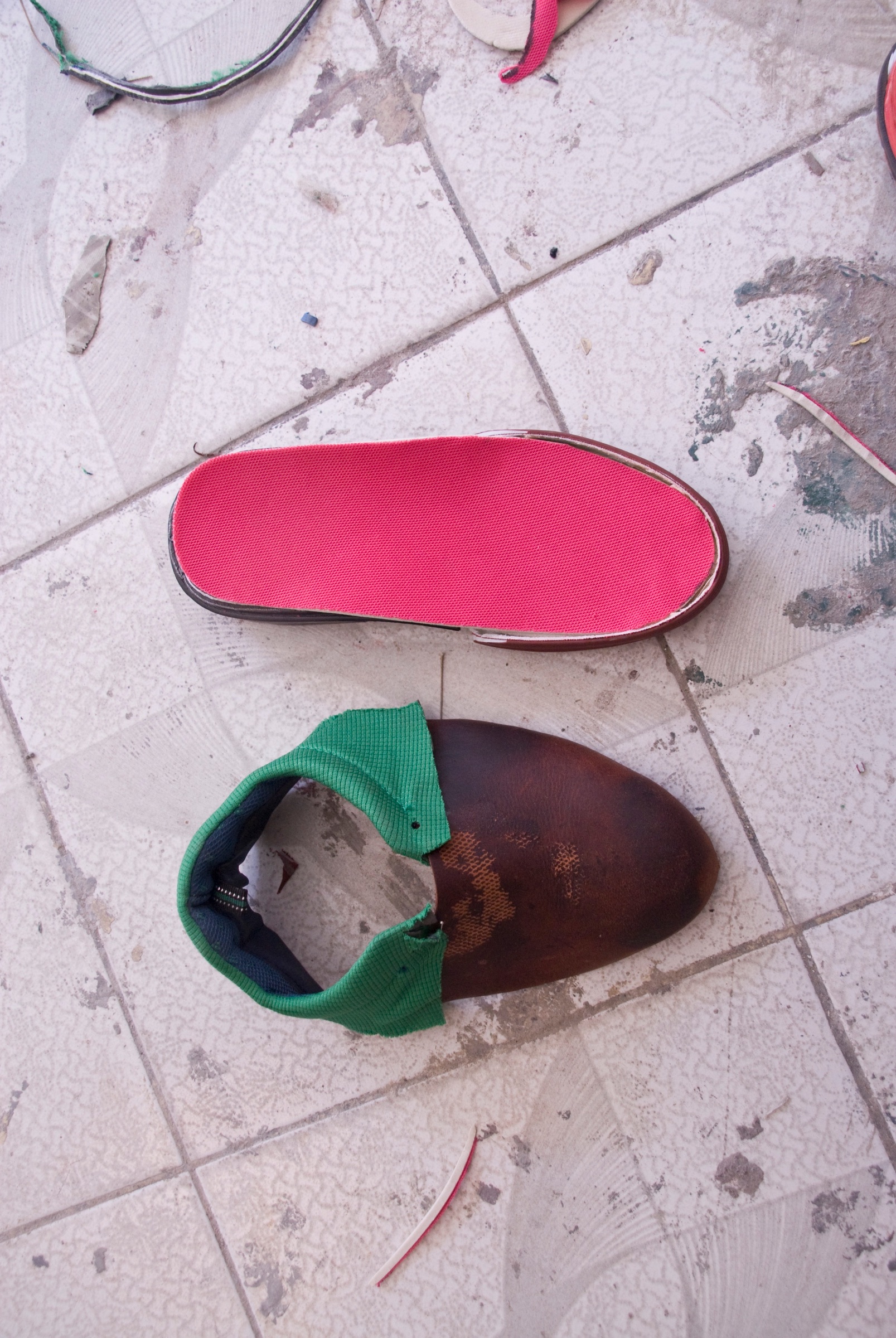
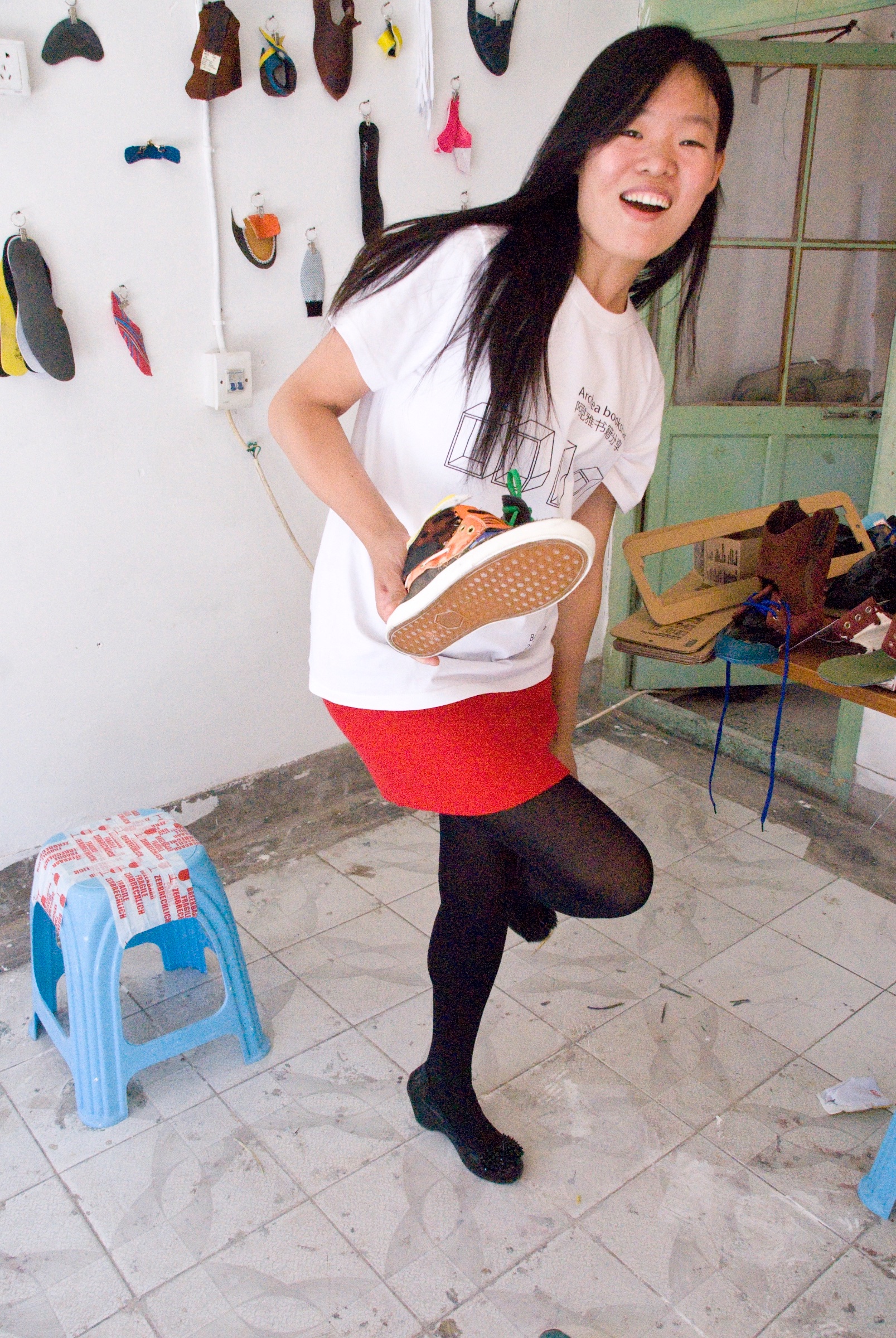
The Dashilar Flagship Store began with the counterfeit shoes that could be found throughout Beijing around 2008 -2015. These shoes imitated the appearance of international brands, but they were also products of a local manufacturing culture, shaped by the materials, techniques and economic conditions available there. Instead of treating the shoes as finished products,or dismissing them simply as inferior copies. I approached them as raw material. I collected different shoes from local markets and cut them apart. Soles, uppers, tongues, laces, logos and decorative elements were separated and reorganised into new combinations. Local shoemakers in Dashilar then used their skills to assemble these fragments into new and unique shoes. The store functioned as a shop, workshop and exhibition space at the same time. Visitors could see the shoes being dismantled, rearranged and reconstructed. I wanted the making process to remain visible, rather than presenting the final objects without revealing the people, labour and decisions behind them. The resulting shoes existed somewhere between an original product, a counterfeit and a new design. A sports shoe could be combined with a formal leather shoe, while familiar colours and logos became disconnected from the brand identities they normally represented. Each shoe was different and could not be reproduced in exactly the same way. An important part of the project was the relationship between brands and social status. Around the world, the same Western brands are often used to communicate success, identity and belonging. A logo can make an otherwise ordinary object desirable because it allows its owner to participate in the social status associated with that brand. I wanted to question this globalisation of status. Could social value come from something other than possessing the correct international brand? Could people instead gain pride and status through their own creativity, their ability to transform available materials, and the knowledge of local makers? By cutting the branded shoes apart, I attempted to weaken the authority of the original logos. The value of the reconstructed shoes no longer came only from the brands they imitated. It came from the creative decisions, the visible labour, the craftsmanship and the specific conditions of Dashilar in which they were made. Calling the project a “flagship store” was therefore deliberately contradictory. A conventional flagship store presents a controlled and recognisable identity belonging to a global company. In this project, there was no single brand and no standardised collection. Dashilar itself became the brand. Its identity was formed by the neighbourhood, its makers, its materials and the process taking place inside the store. For me, the project was not simply about recycling shoes. It proposed a different way of thinking about production, consumption and social status. Instead of exporting a finished design to be manufactured anonymously somewhere else, I began with the people, skills and products already present in the location. The project reflects an approach that continues throughout my work. I often begin with objects that already exist and investigate how they can be dismantled, adapted and given a different meaning. Through this process, I try to reveal the systems of production, branding and value that are normally hidden behind the finished product.