Sander Wassink (b. 1984, Harlingen, the Netherlands) is a Dutch artist and designer based in the Netherlands and Japan. A graduate of the Design Academy Eindhoven, his practice explores how processes of deconstruction and reconstruction can challenge conventional ideas of beauty, function, authorship, and belonging. His work often begins with what already exists: discarded materials, found objects, established typologies, or systems of production. Through reuse, displacement, and transformation, he examines how value can emerge from what is overlooked and how objects and spaces can shift through time, context, and use. In the long-term project State of Transience, Wassink continuously modified a single object with found materials, allowing it to evolve through changing circumstances and challenging the idea of fixed design. In Contrabande, he collaborated with Moroccan artisans to copy and reinterpret a classic Dutch design in the Moroccan countryside, questioning conventional models of outsourcing while connecting local and global narratives. His exhibition DARK marked a more personal direction, reflecting on movement, time, desire, and disconnection through immersive installations shaped by his own bicycle journey and lived experience. Alongside his artistic practice, Wassink has taught and led workshops internationally. His work is held in collections including Museum Boijmans Van Beuningen, Rotterdam, and the Museum of Modern Art, New York. **Selection of works by Sander Wassink, 2012–present. Further project documentation available on request.**
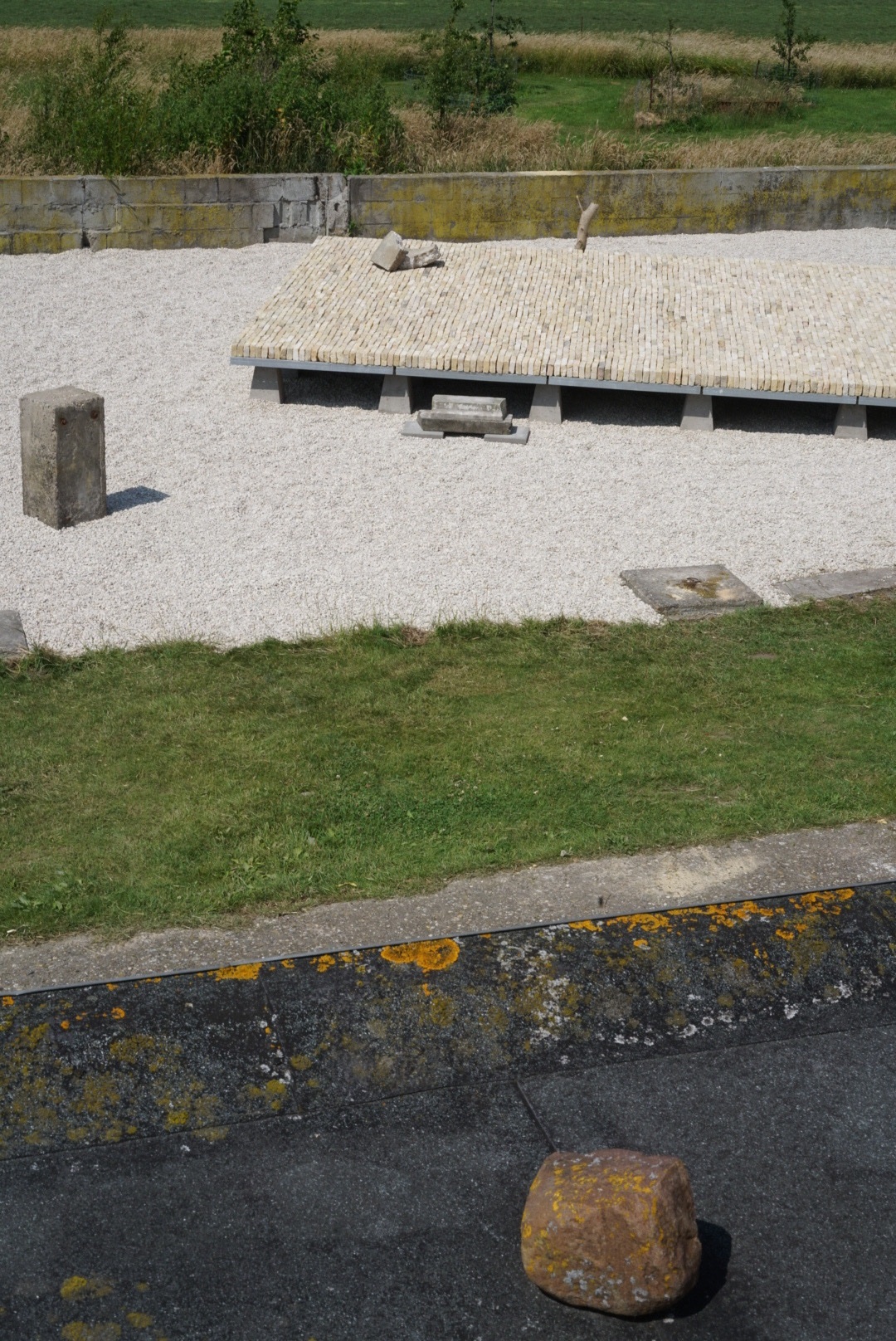
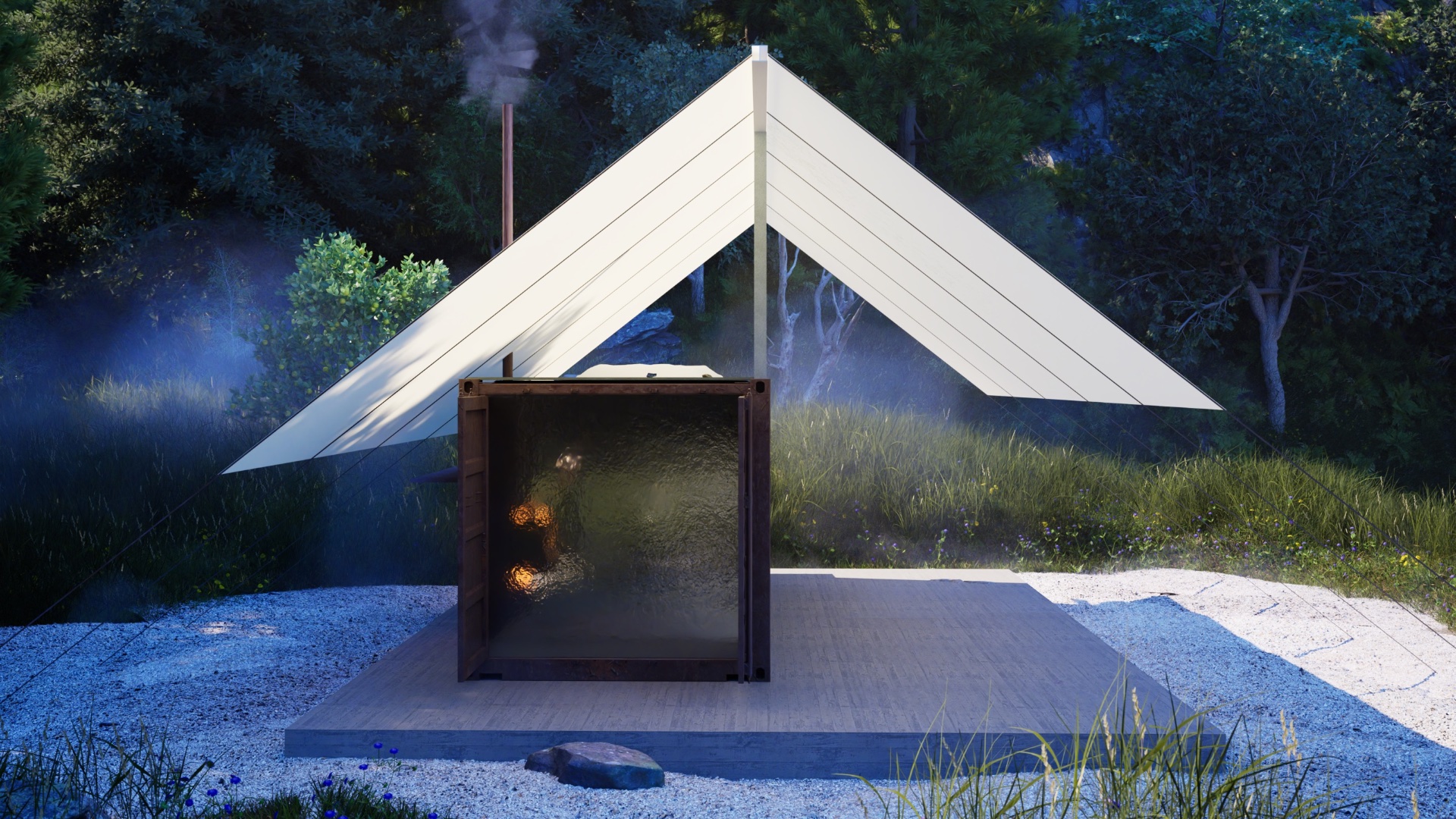
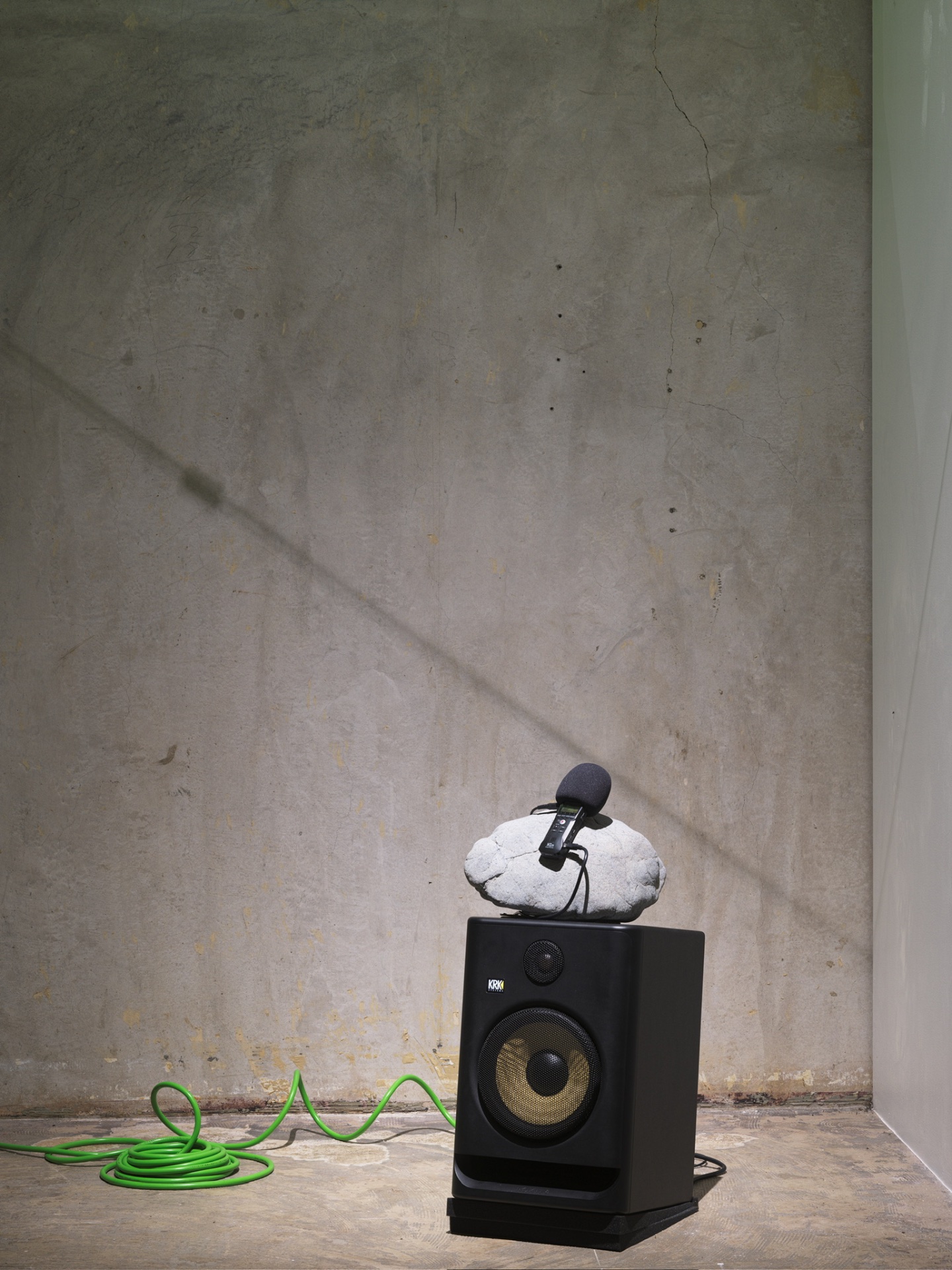
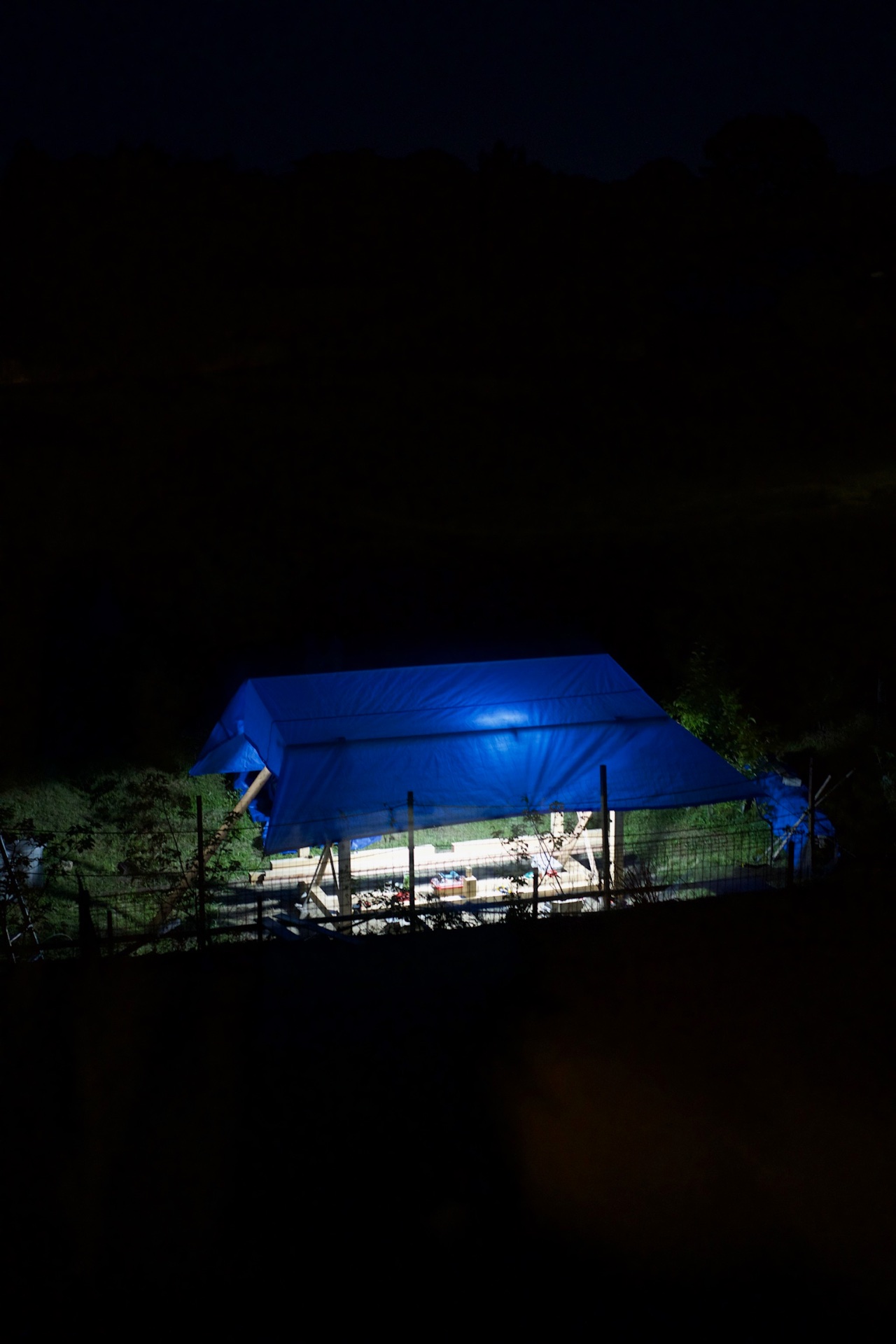
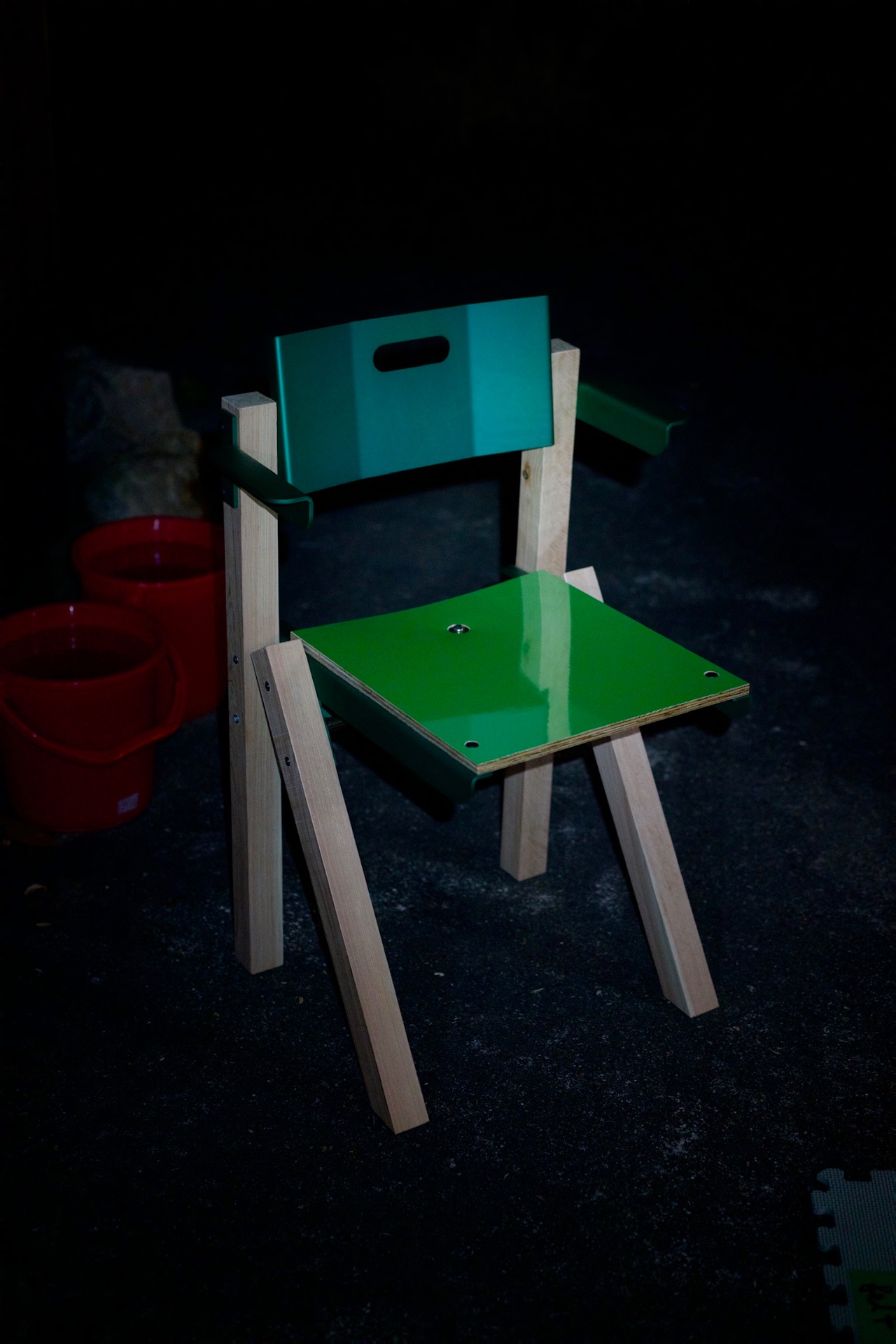
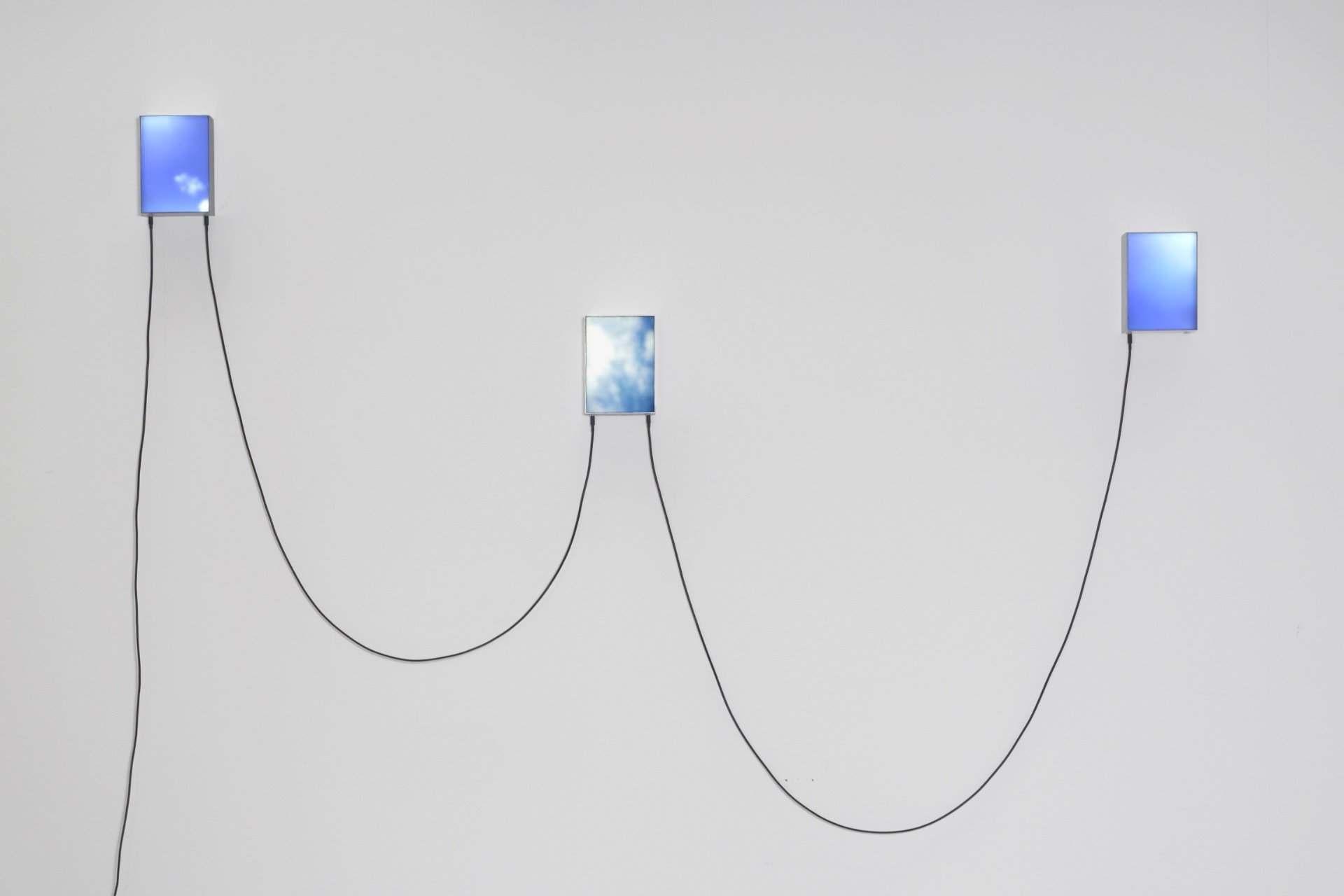
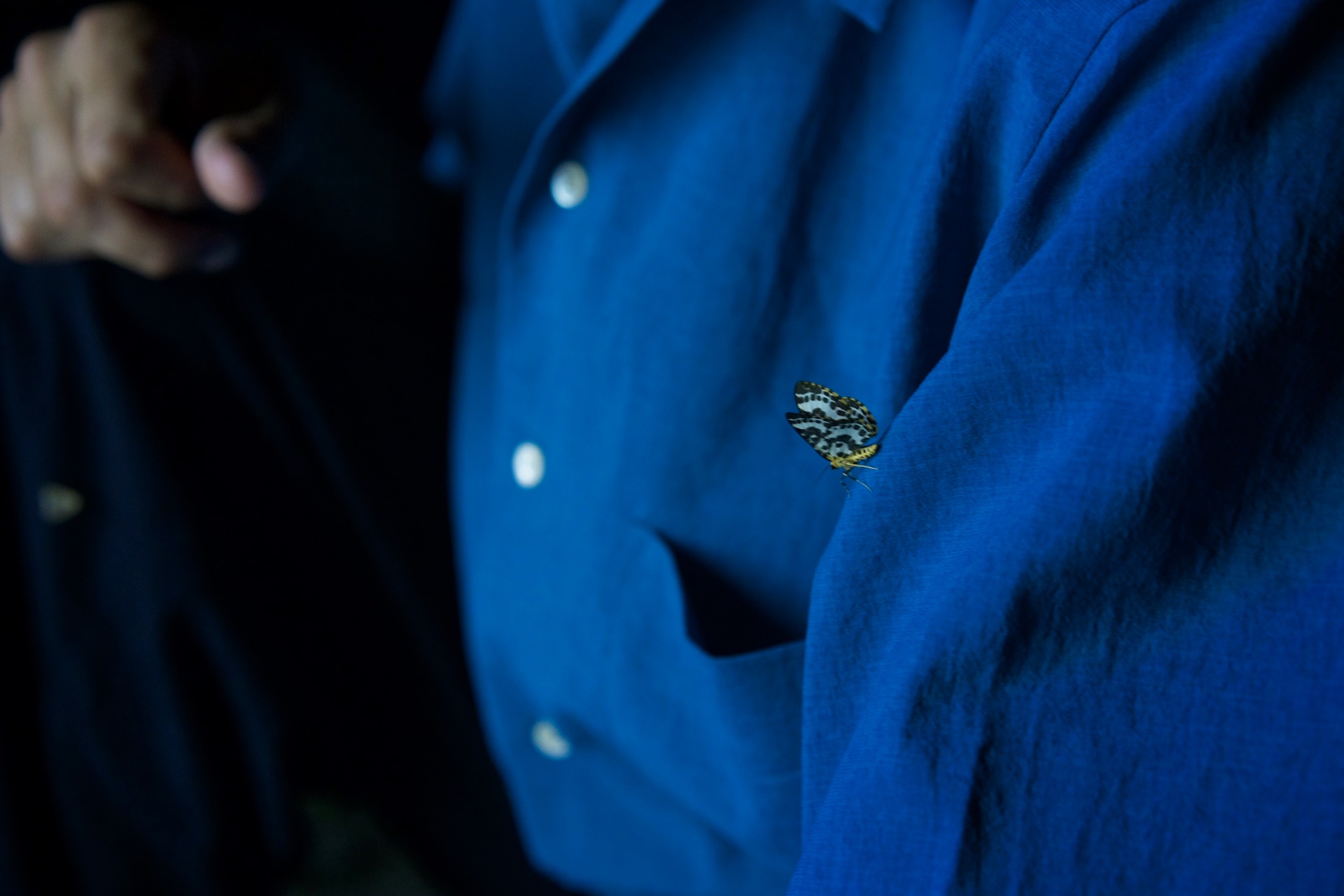
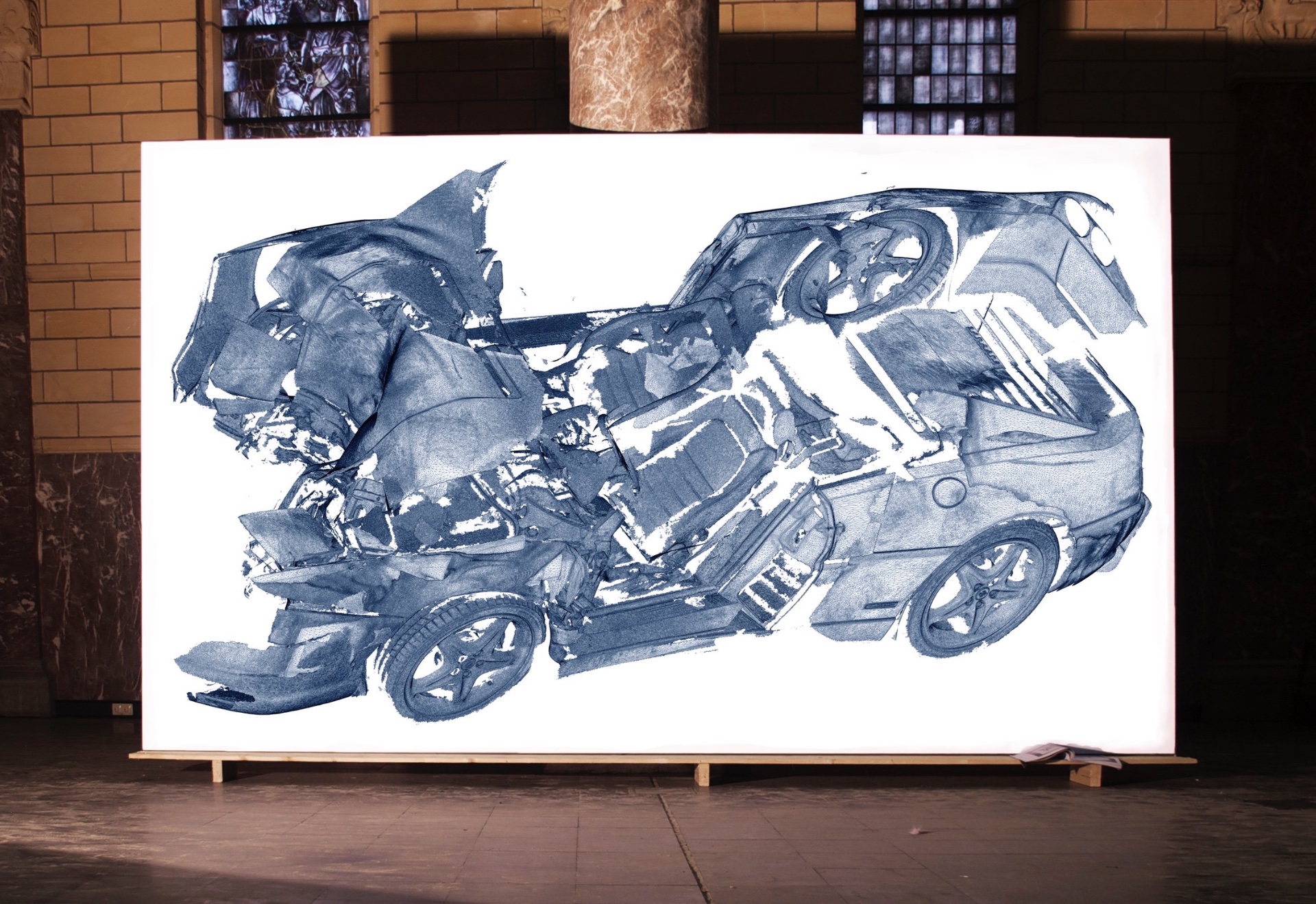
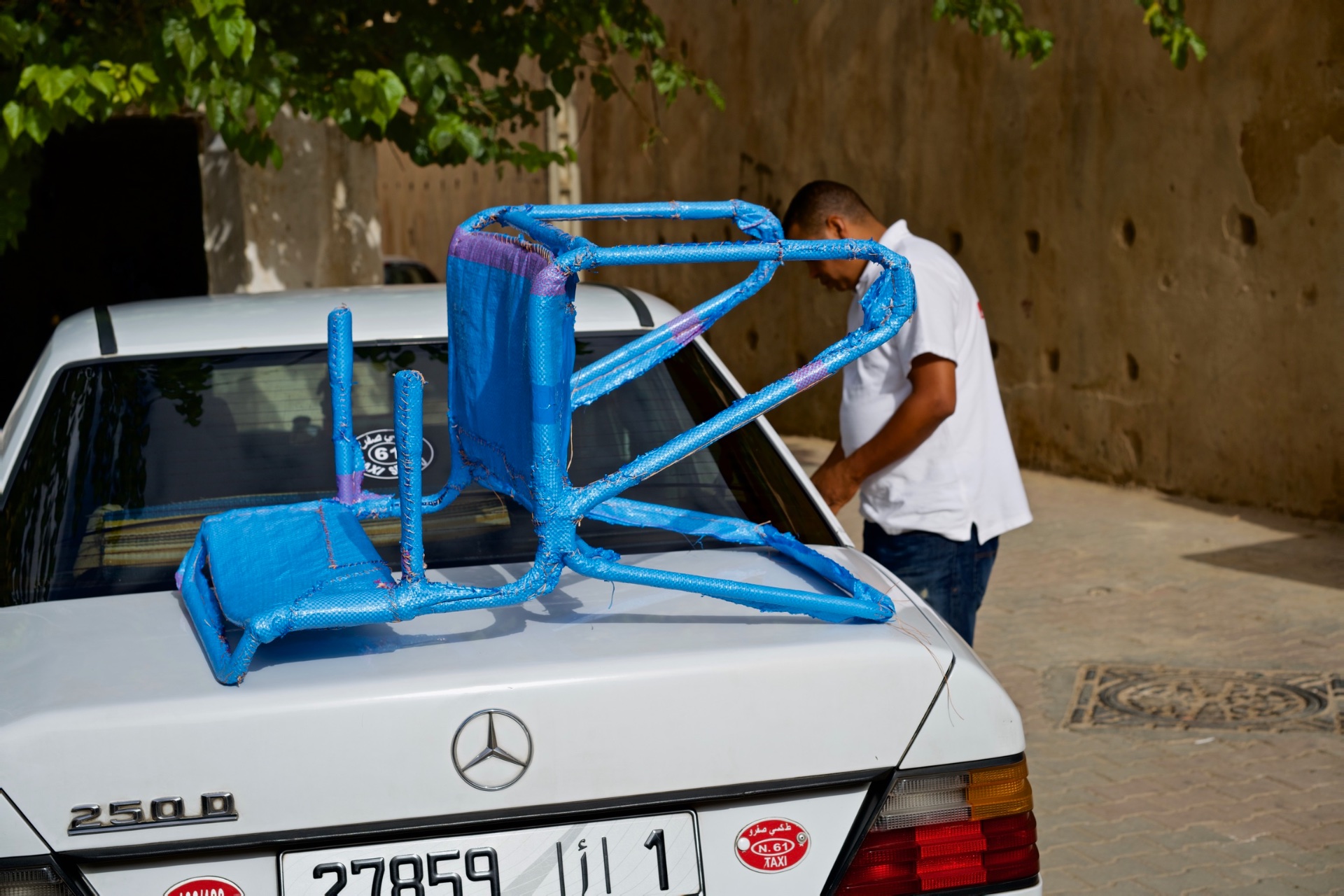
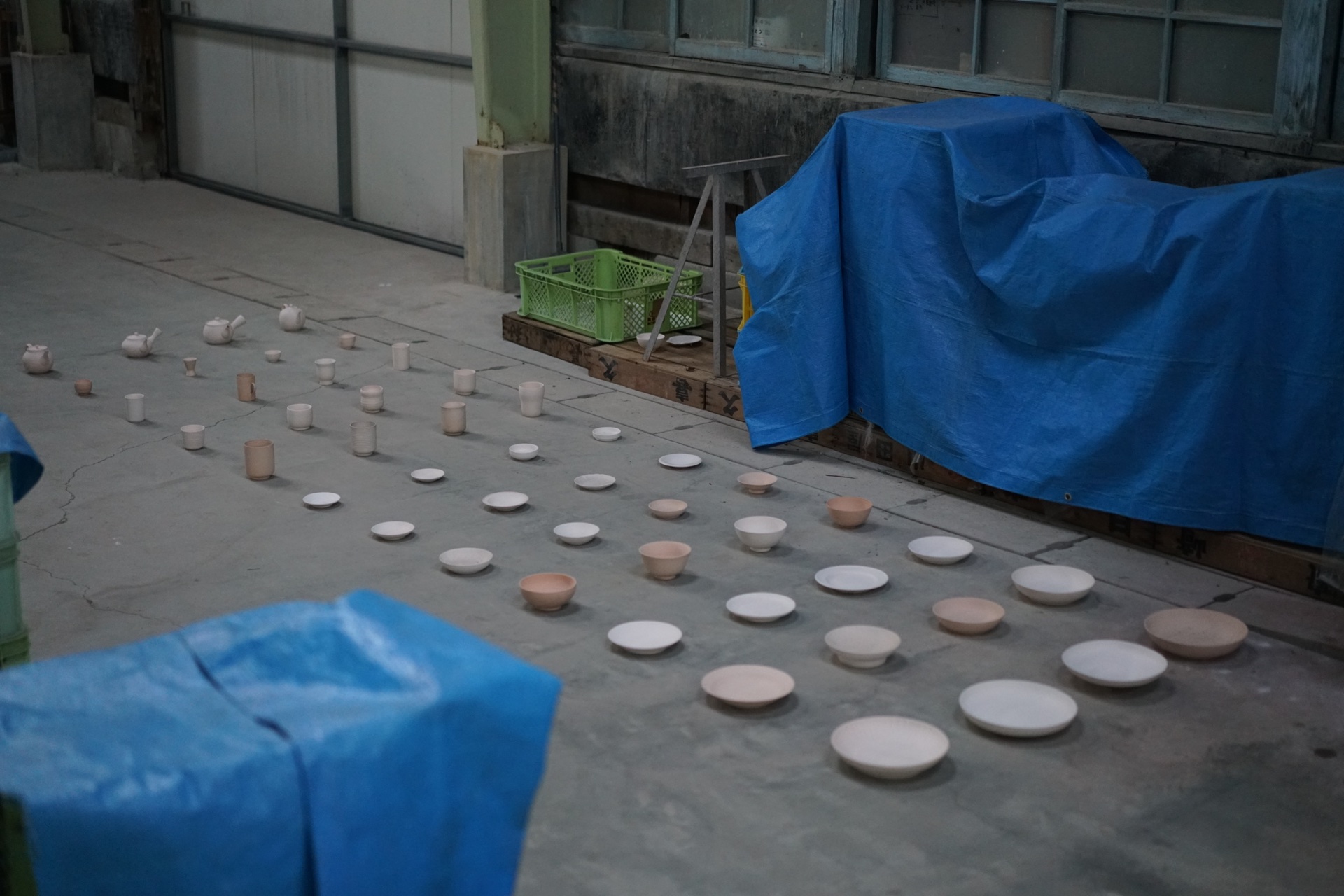
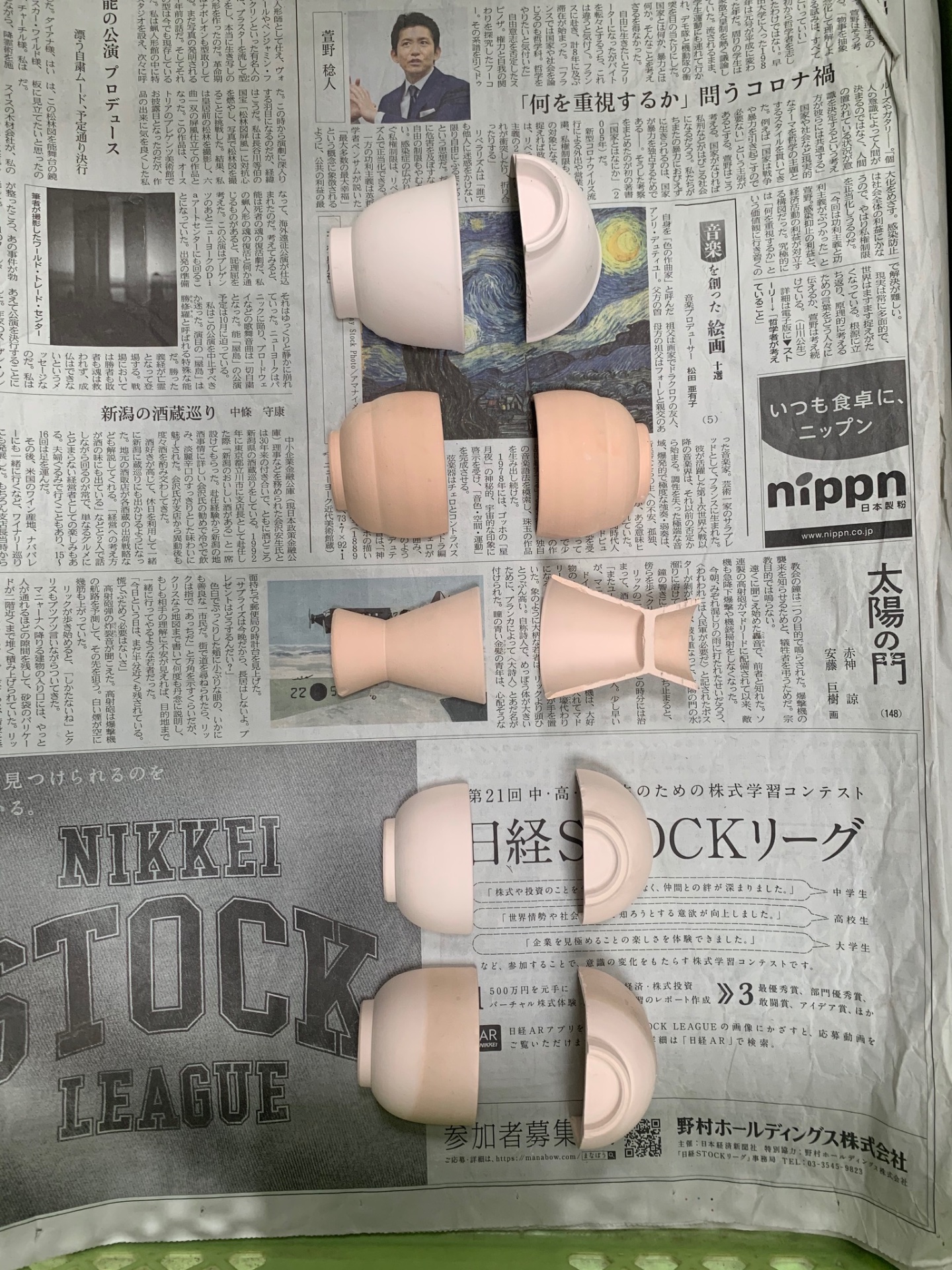
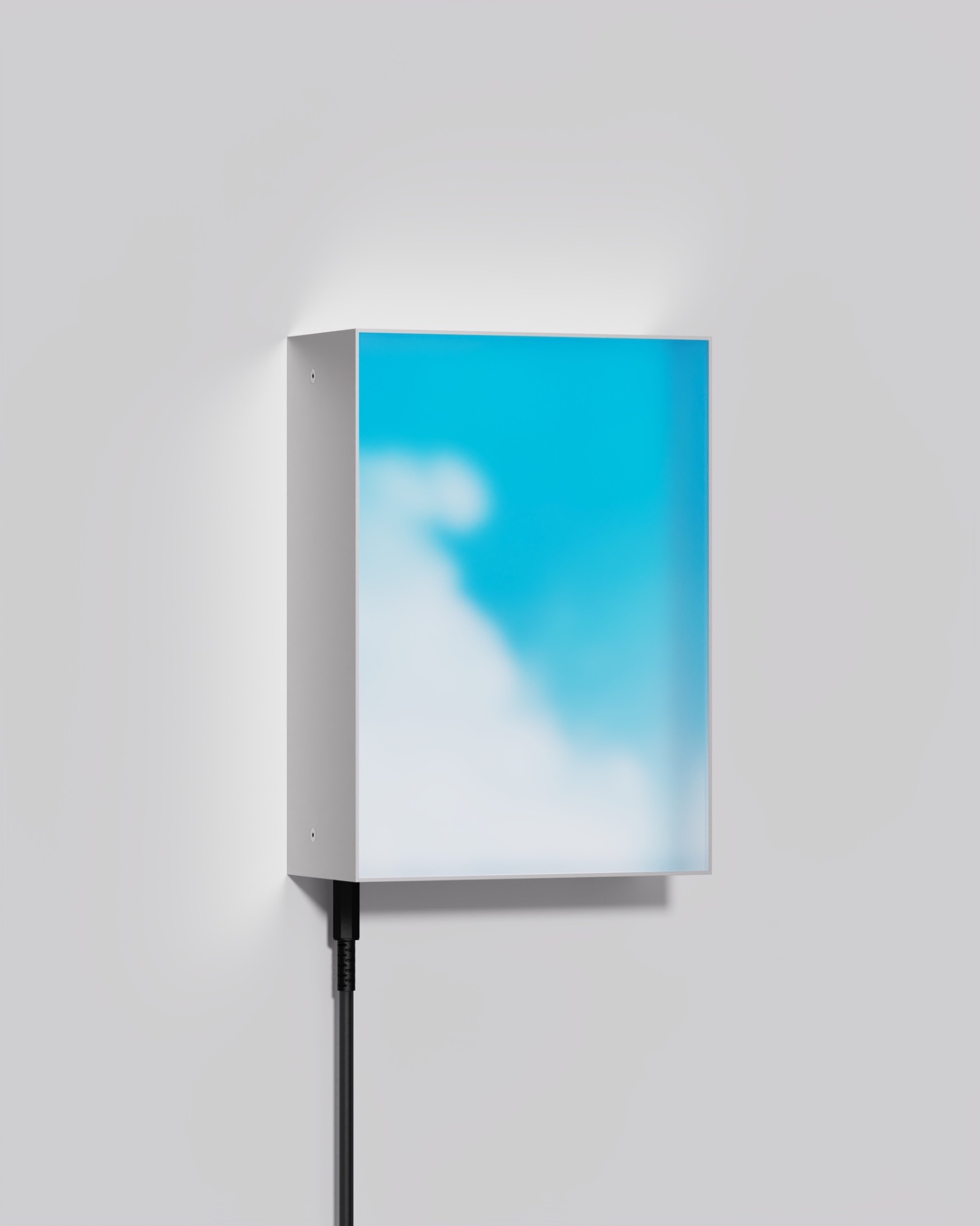
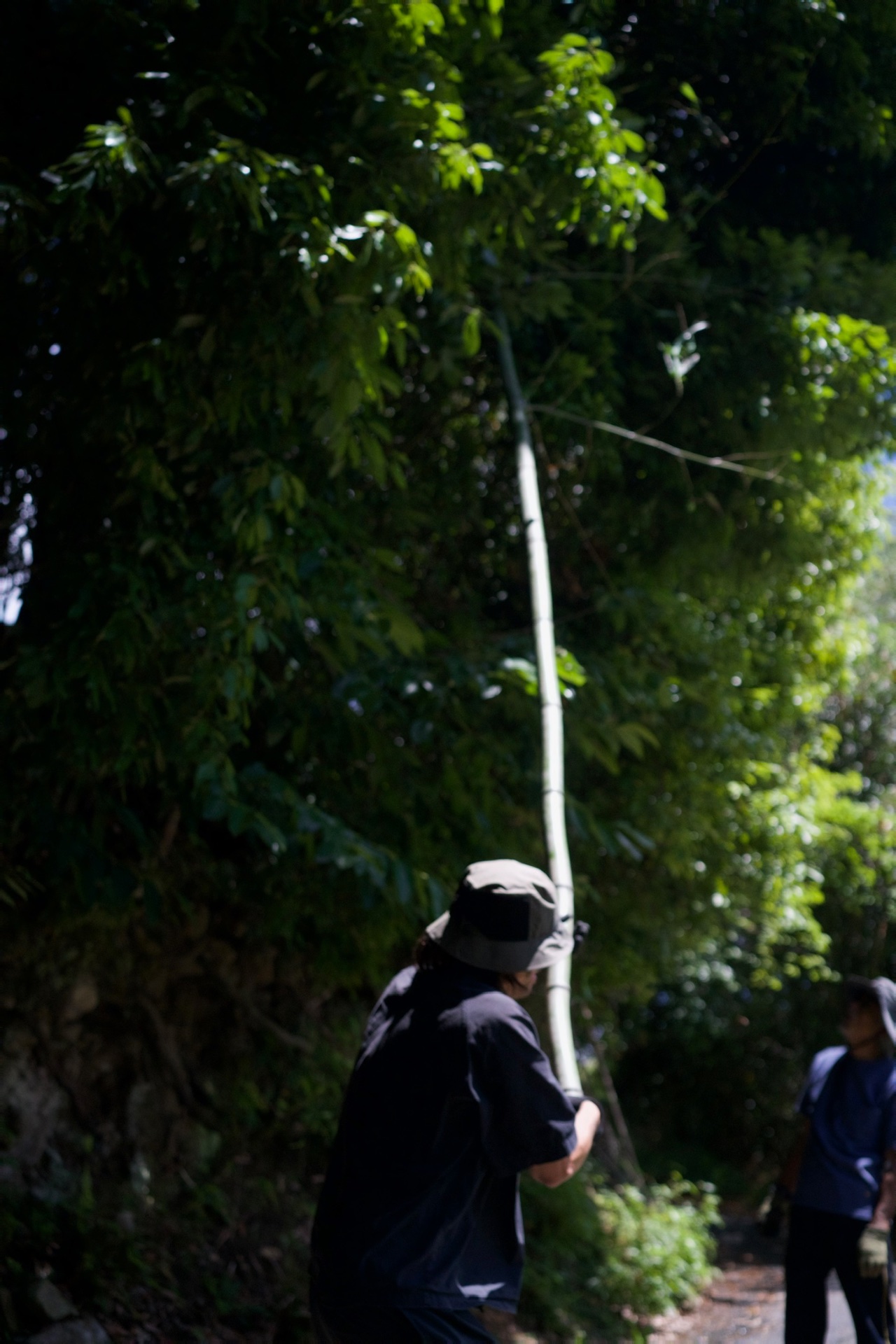
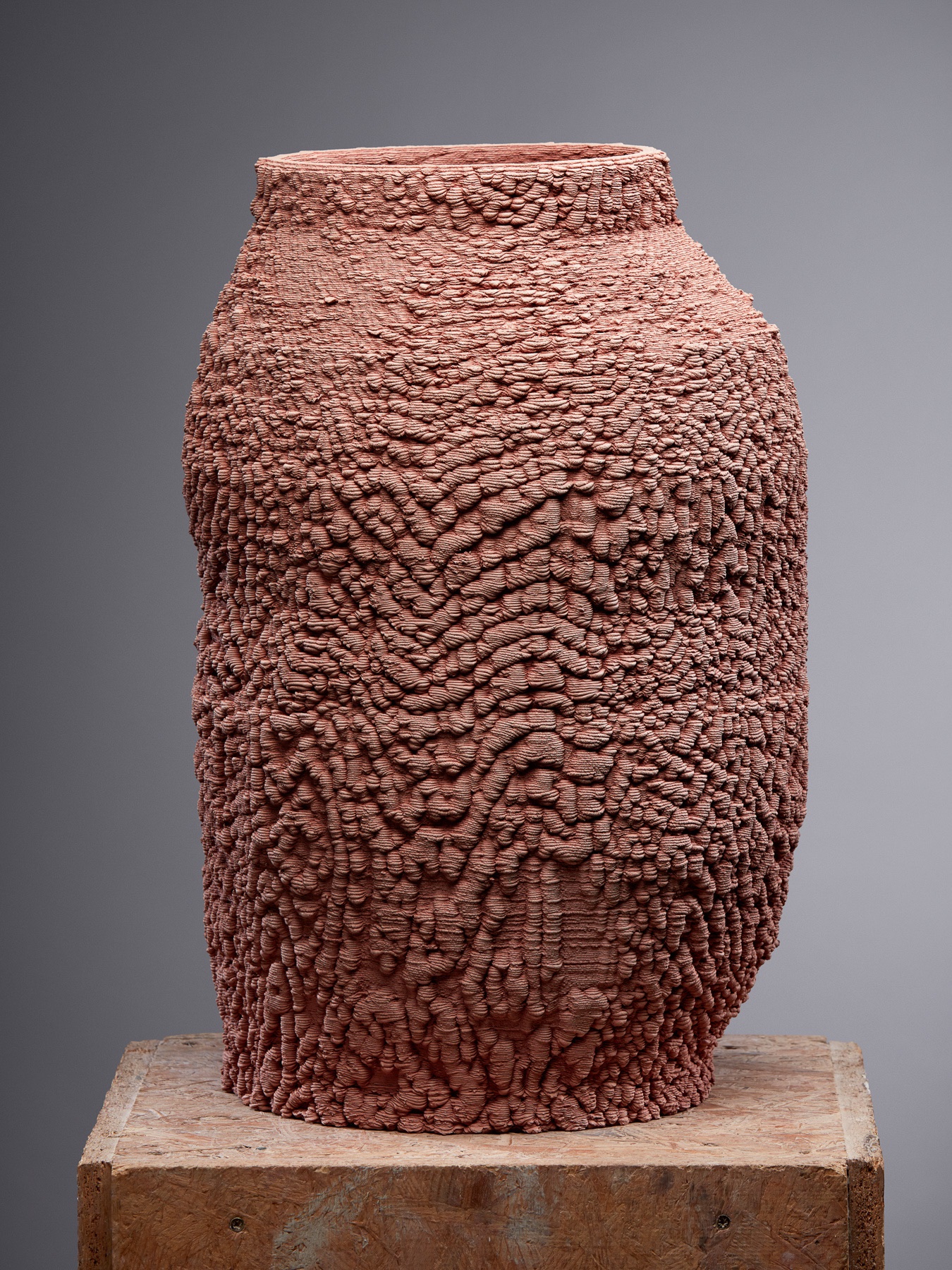
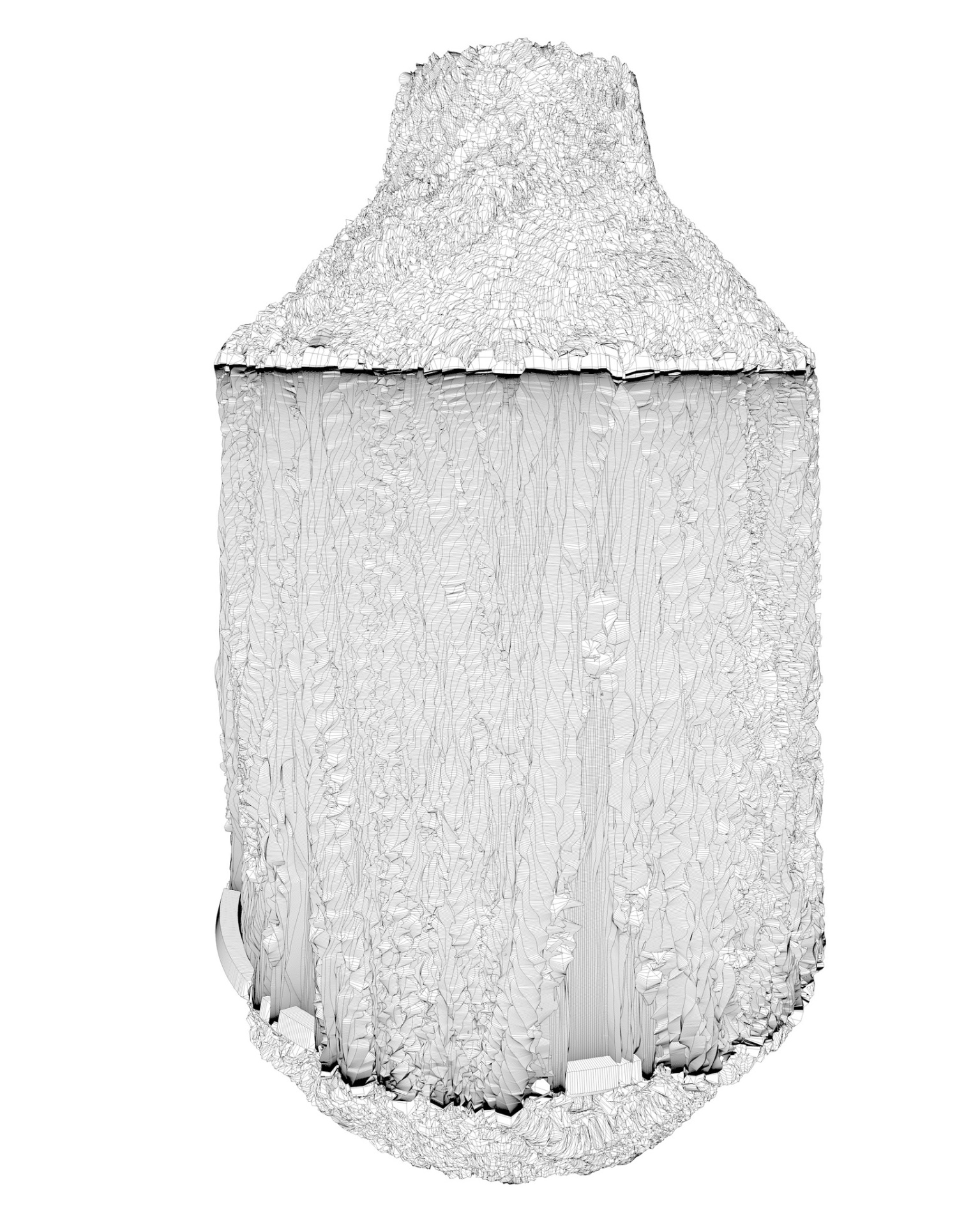
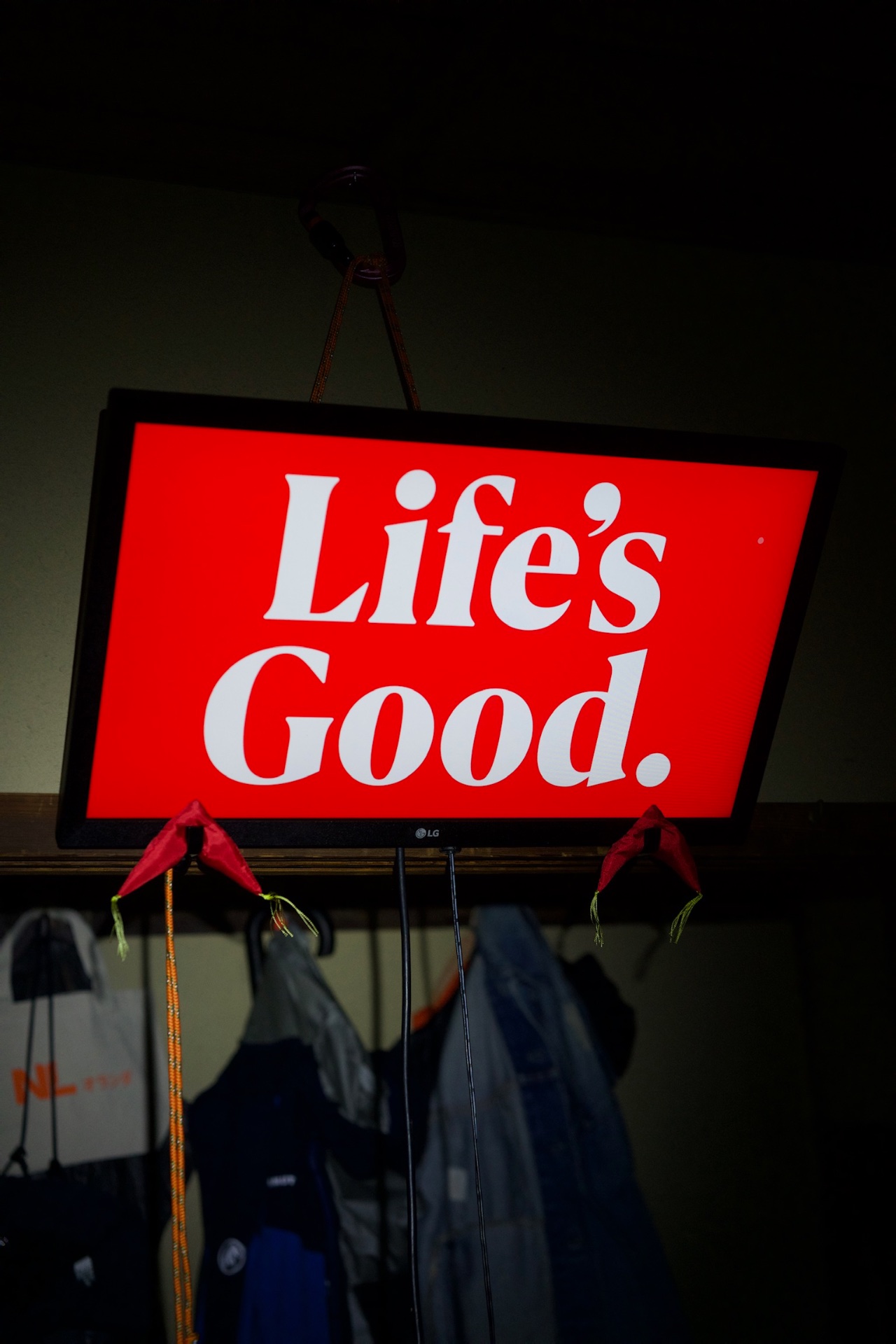
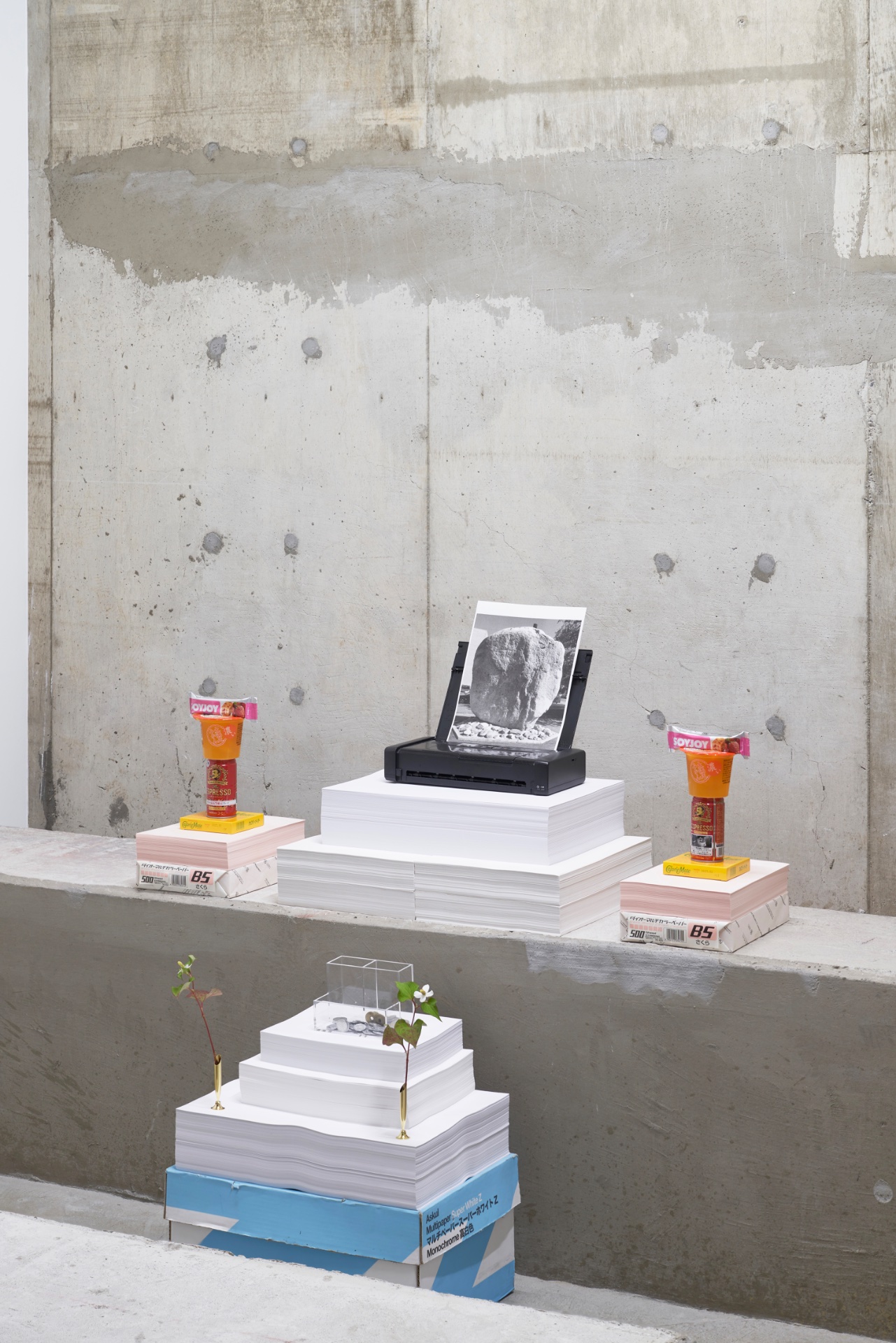
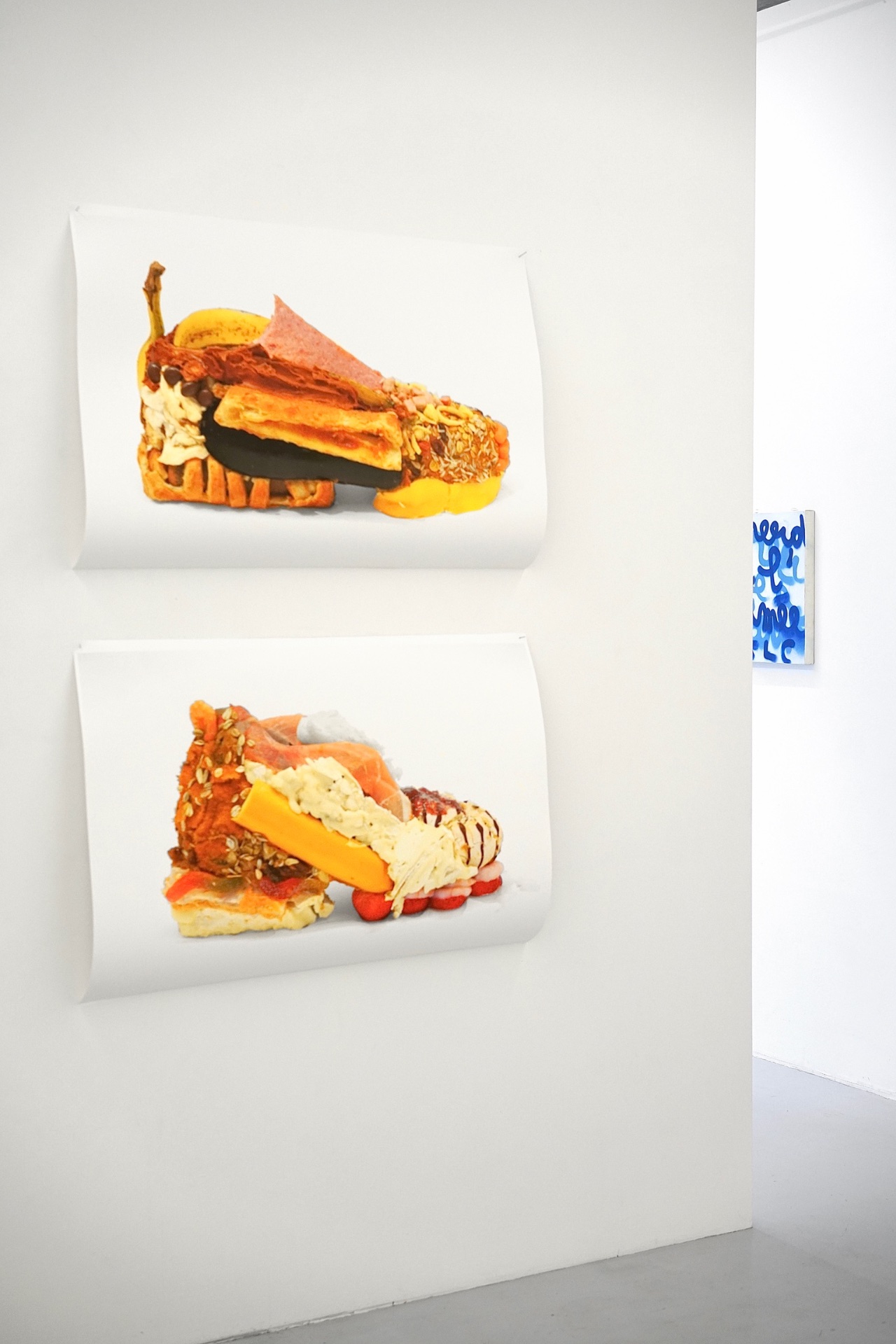
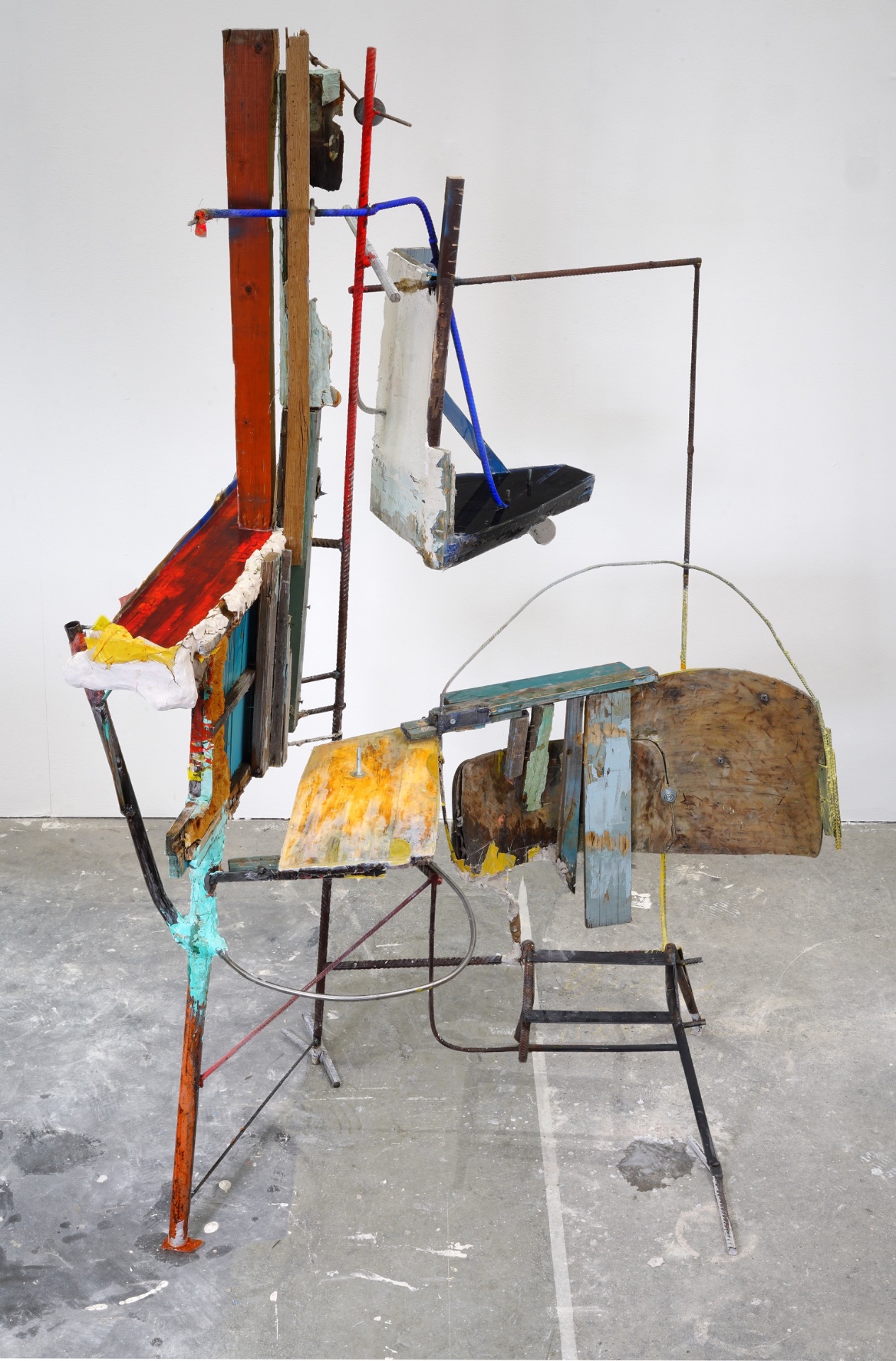
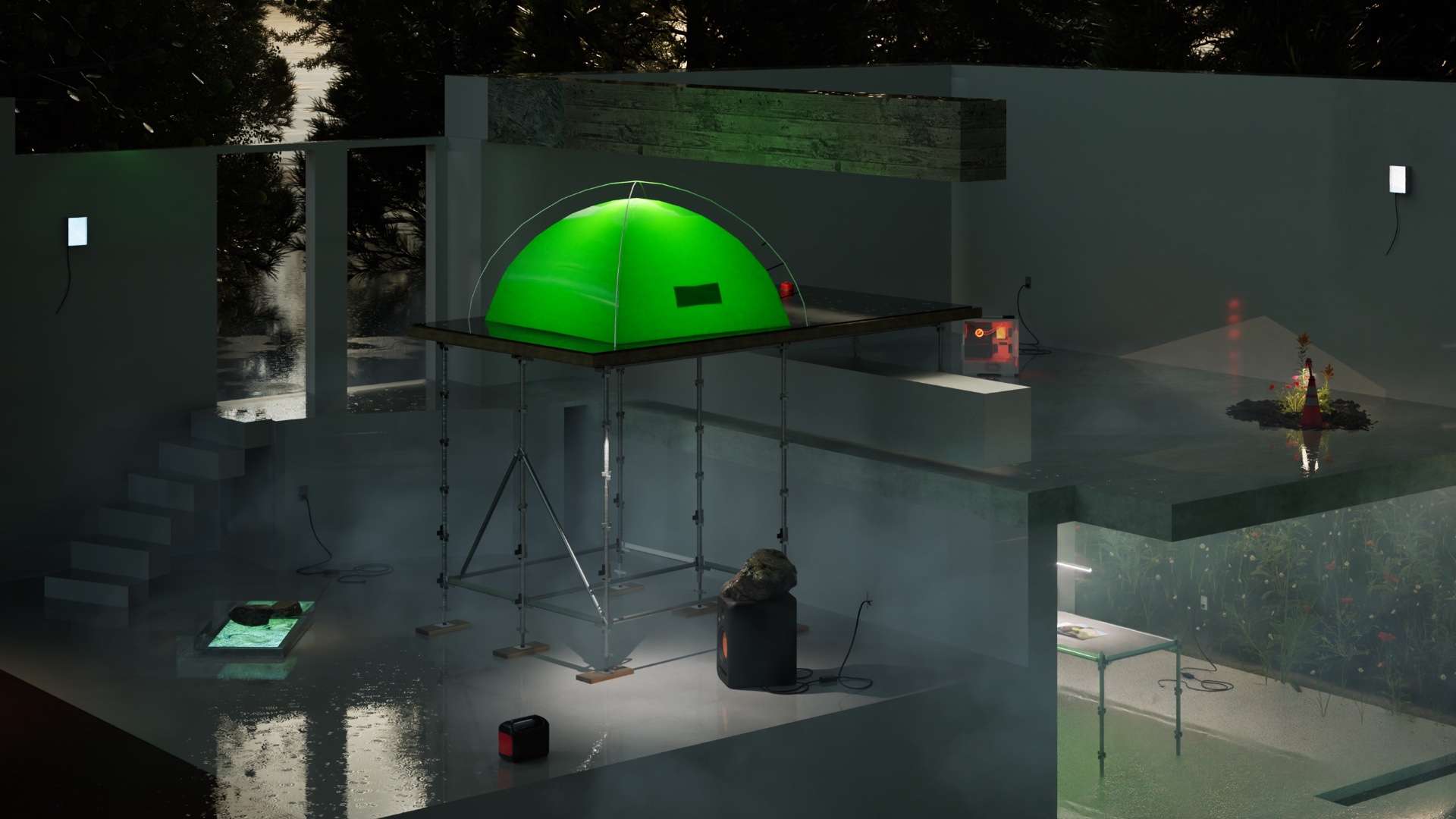
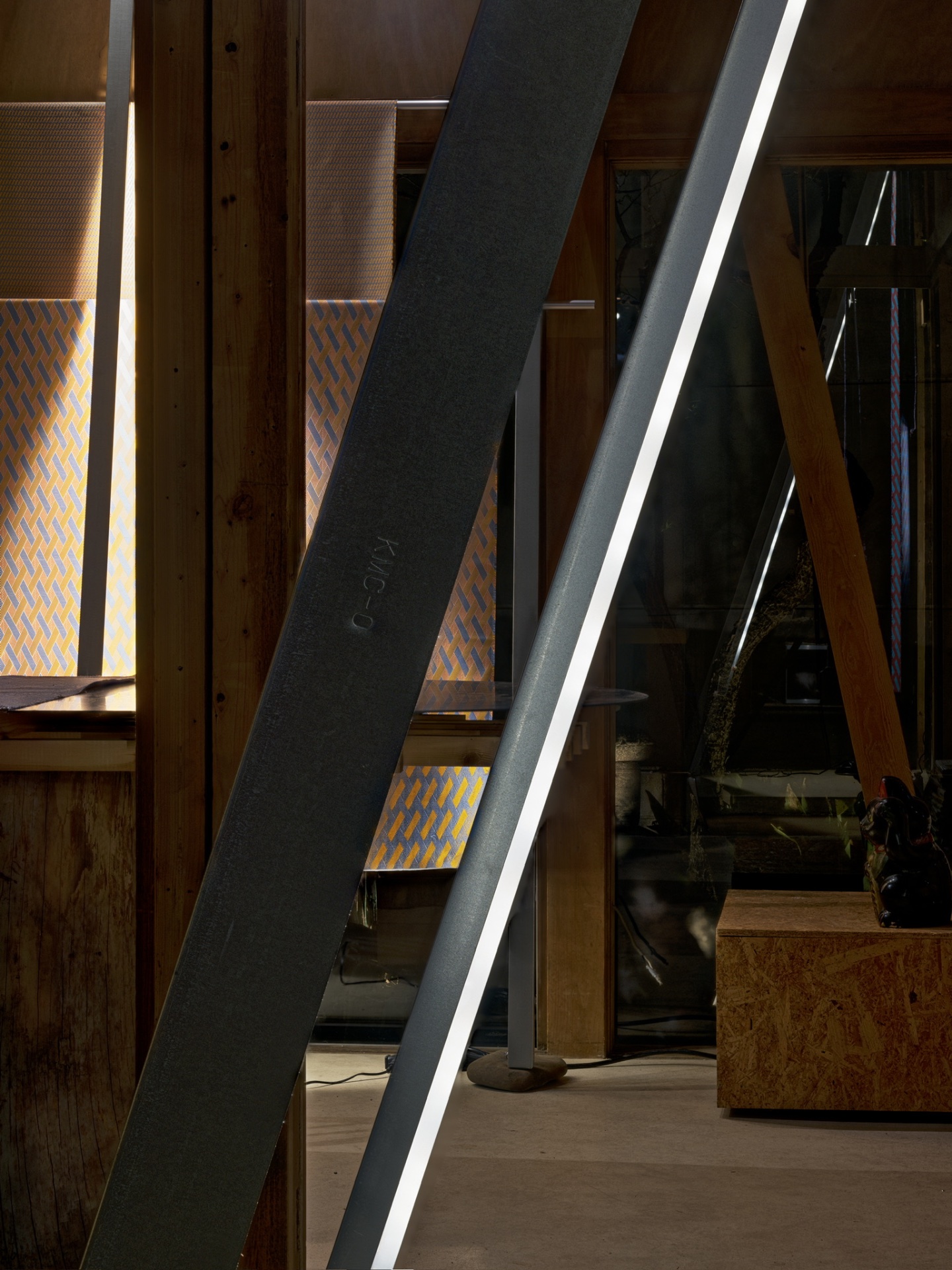
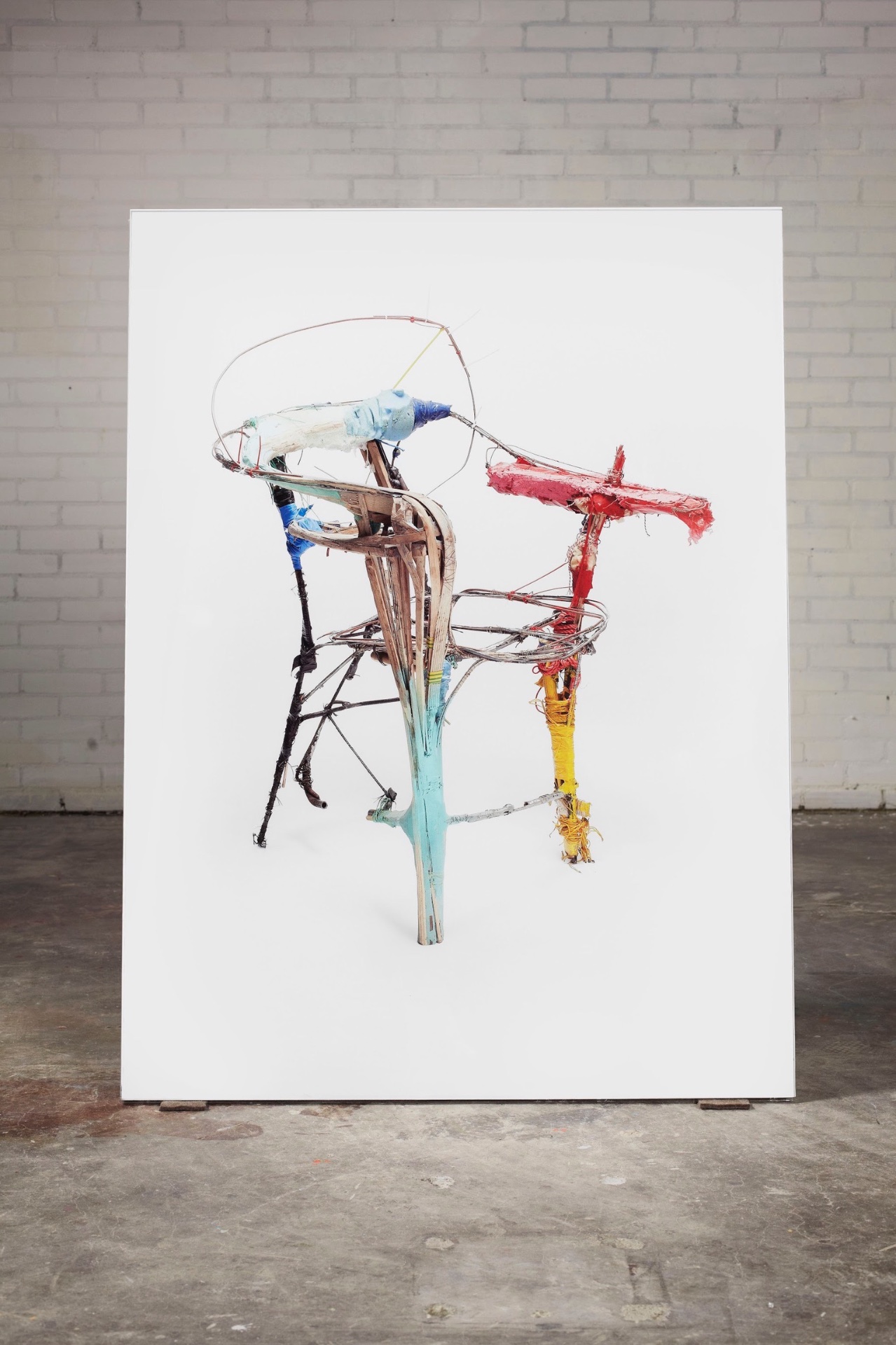
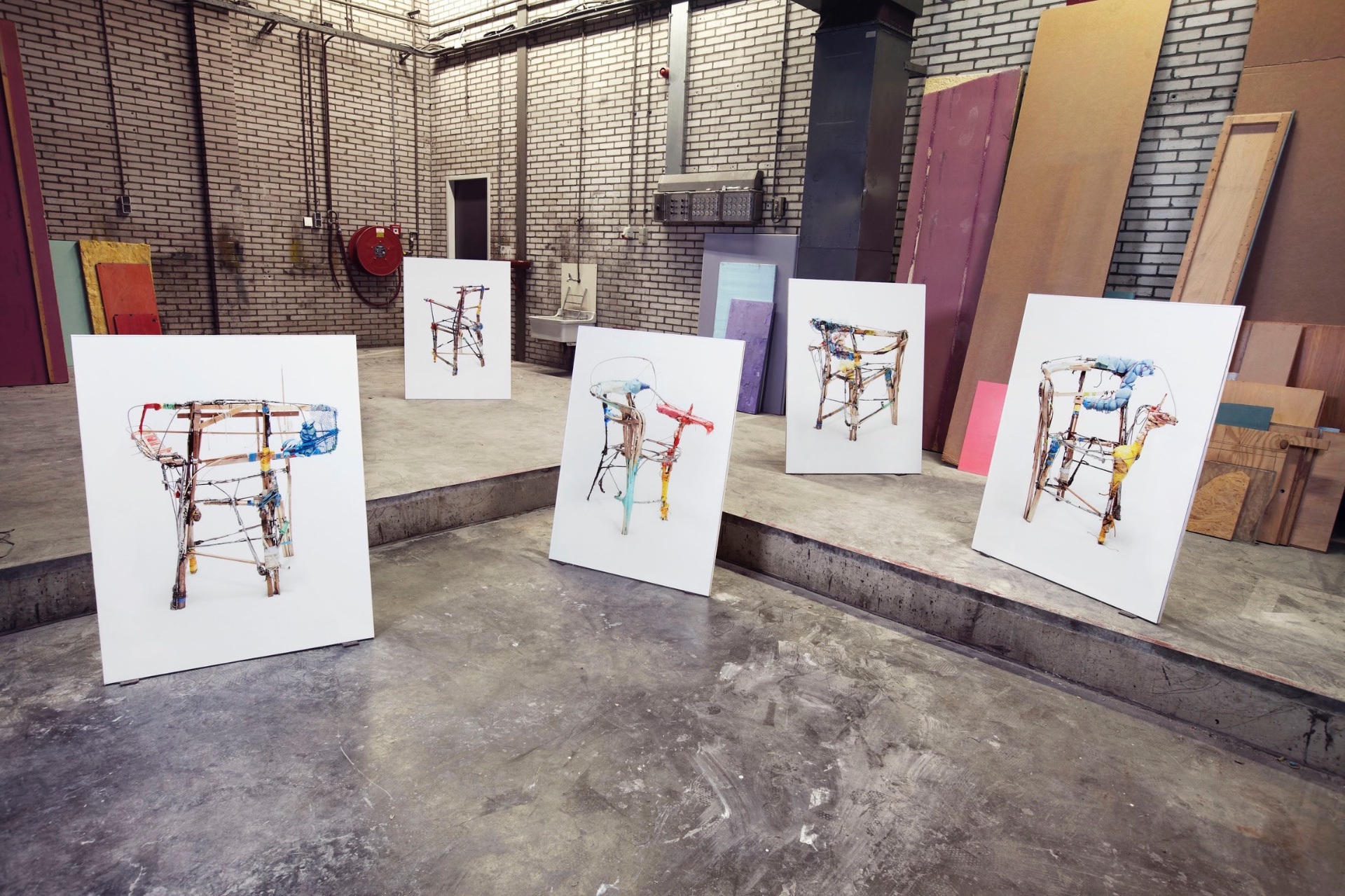
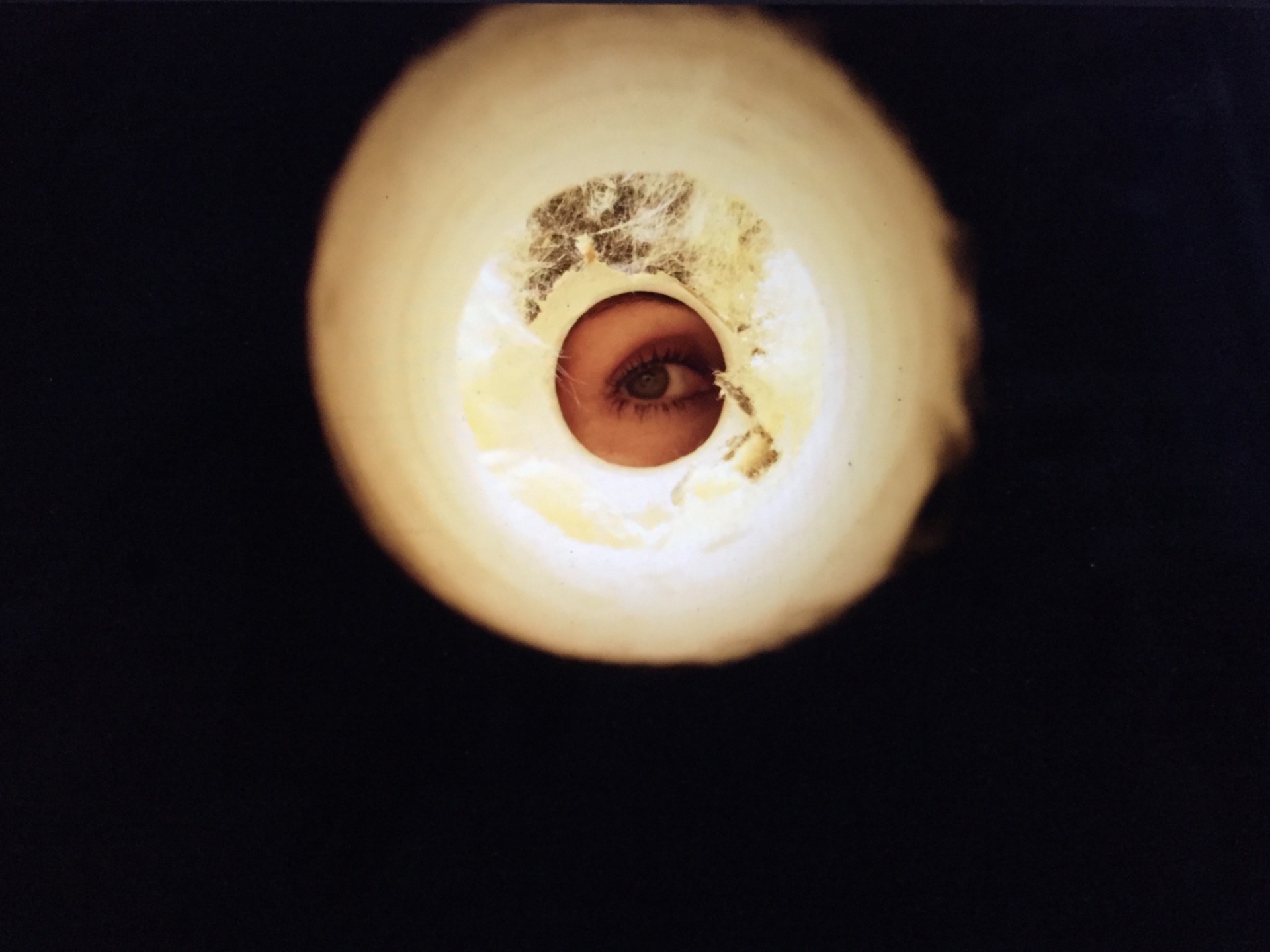
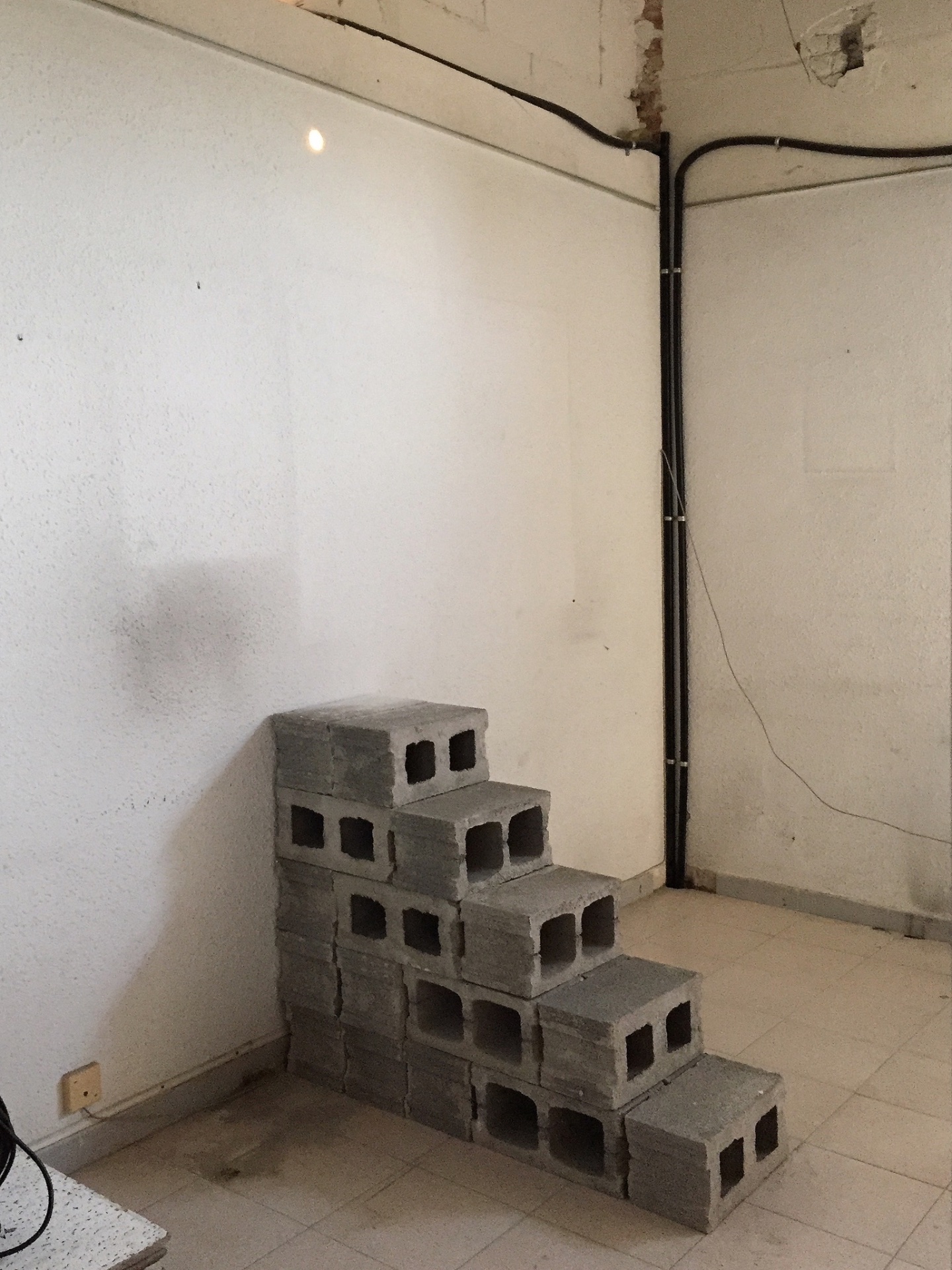
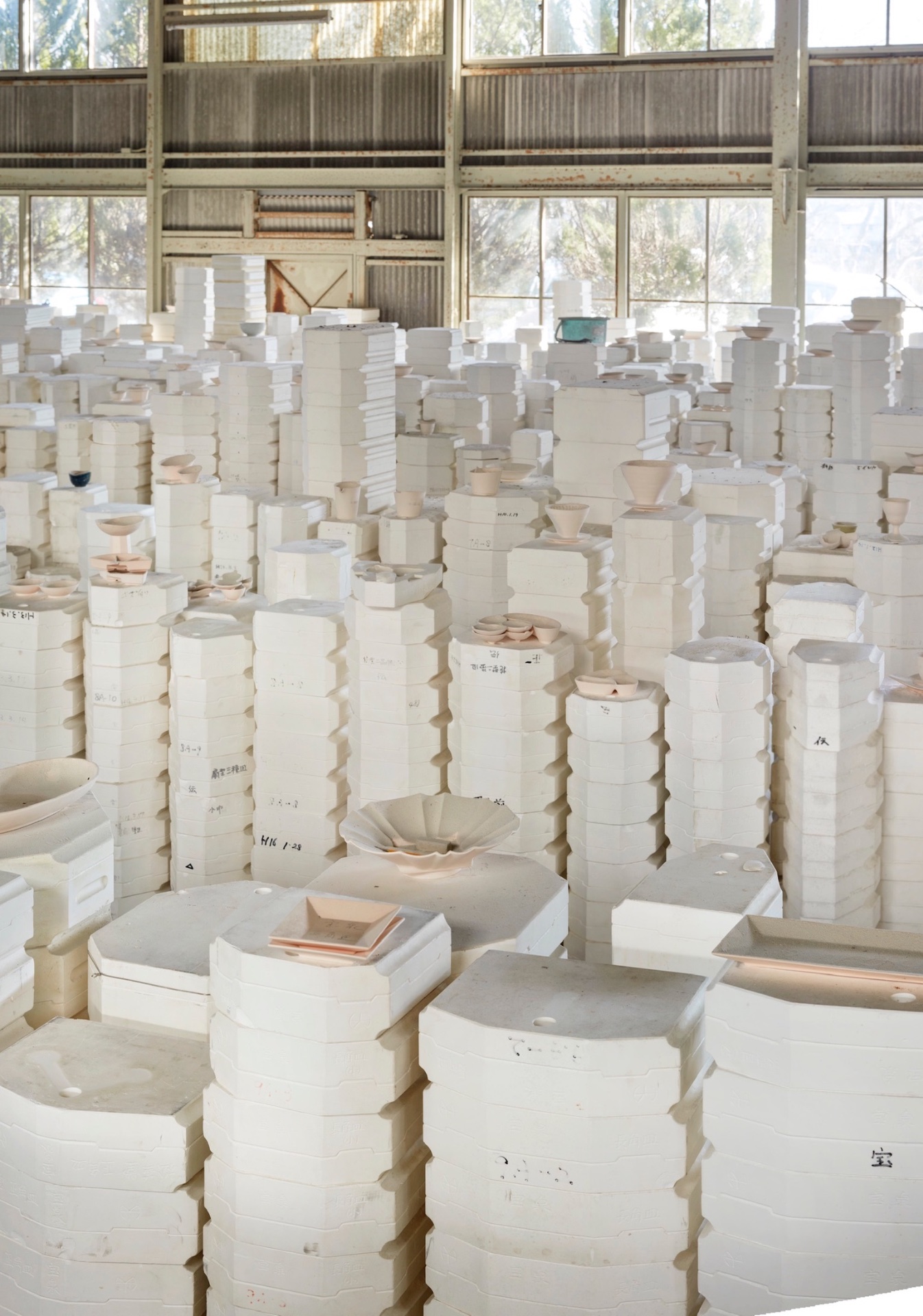
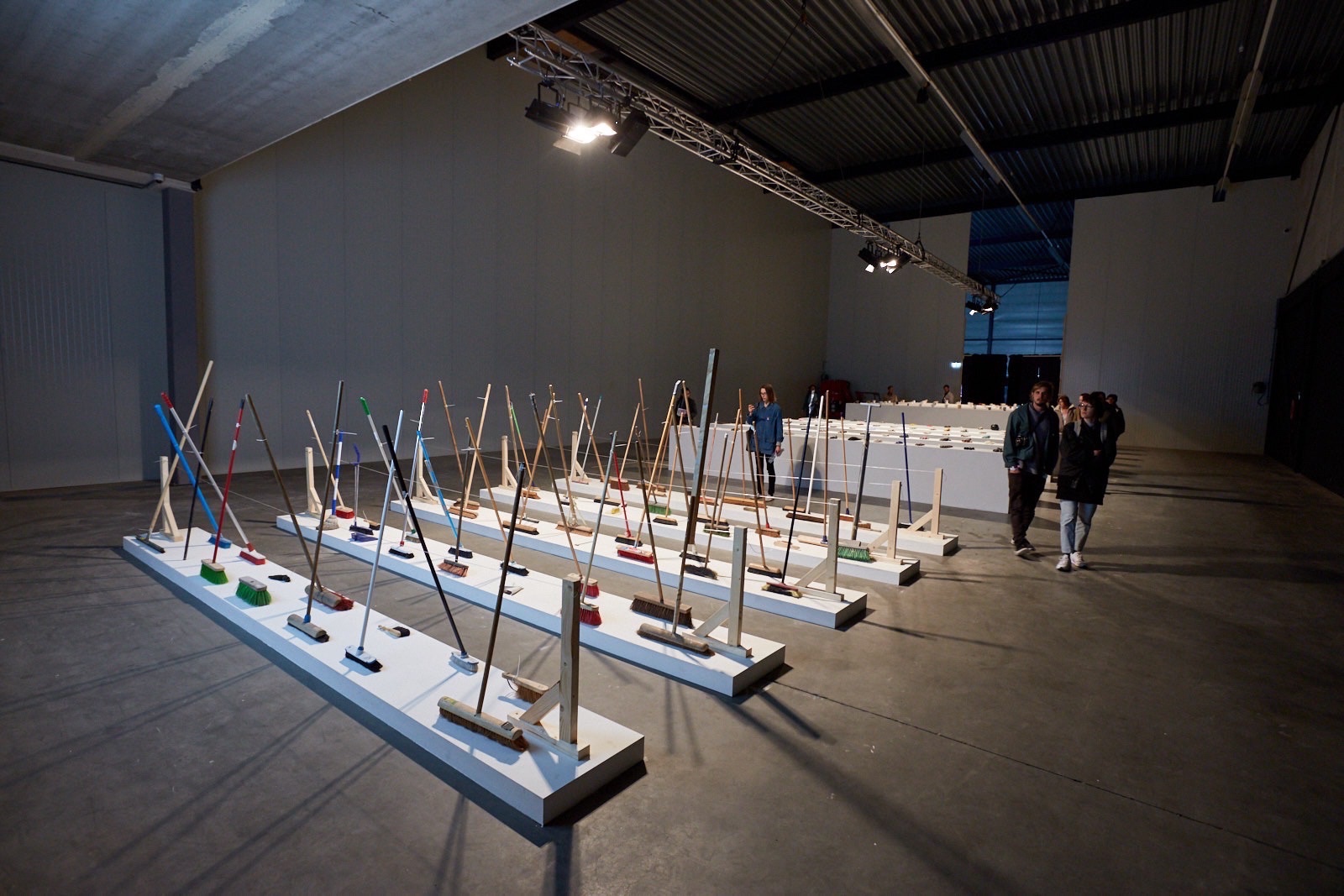
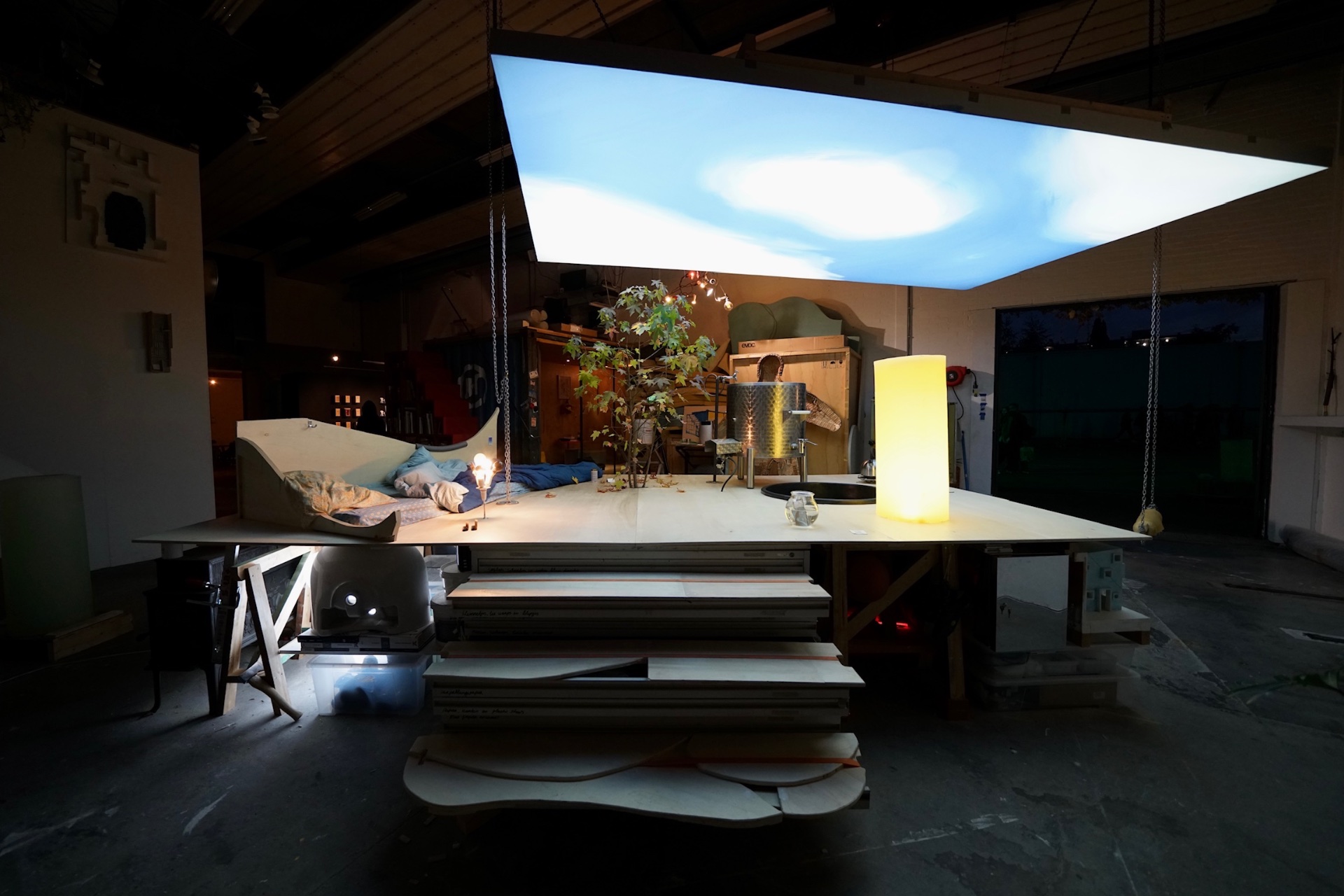
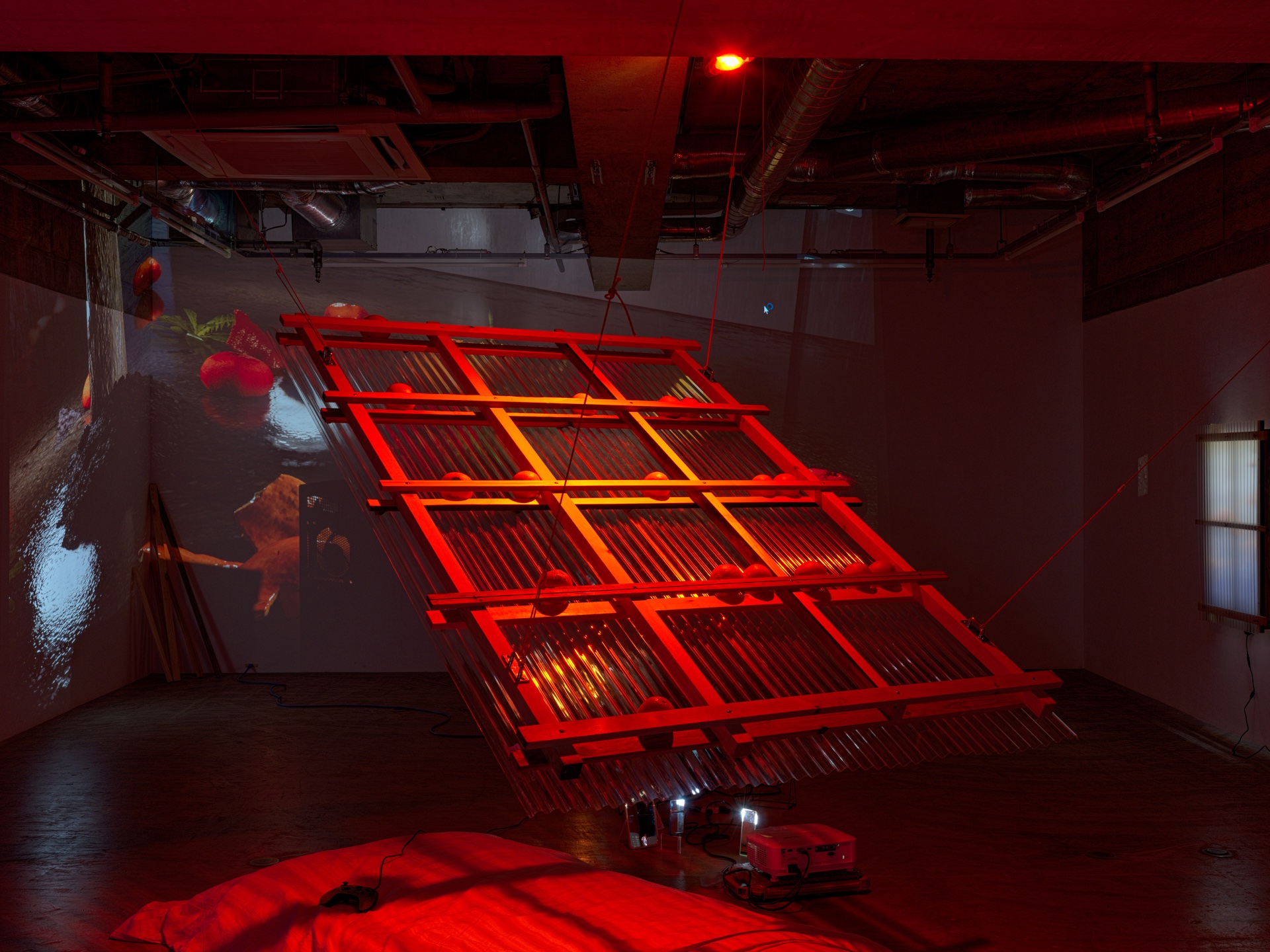
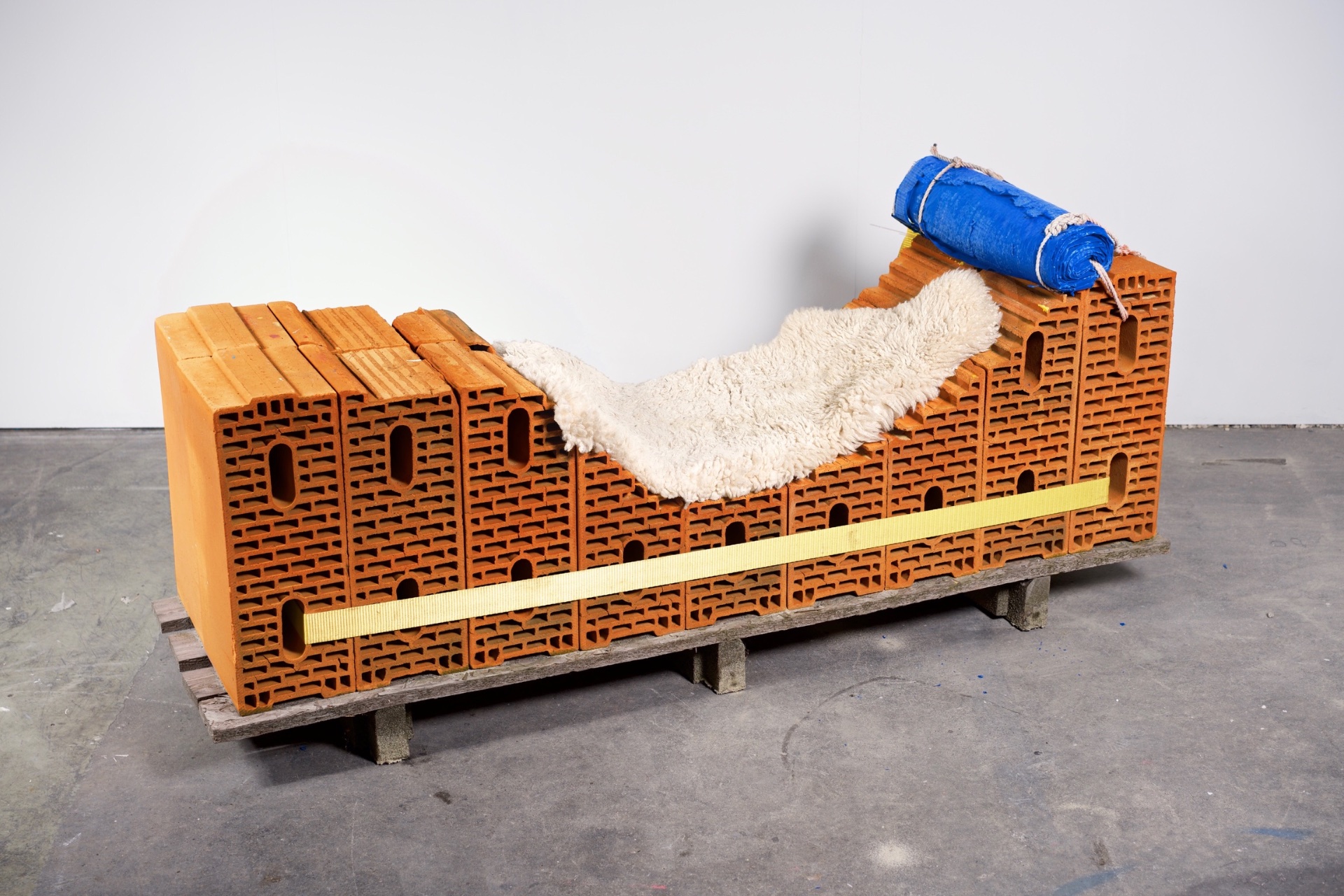
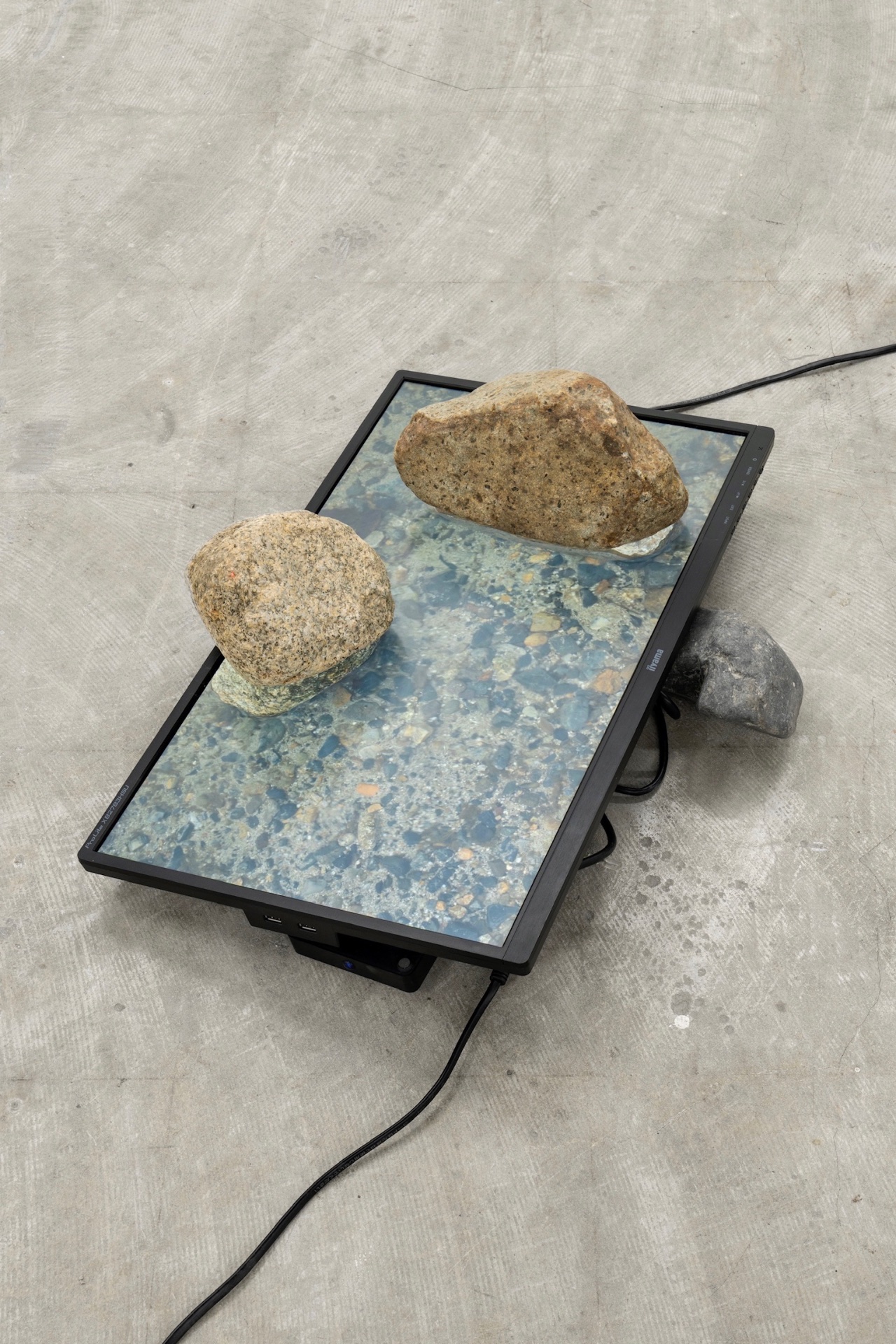
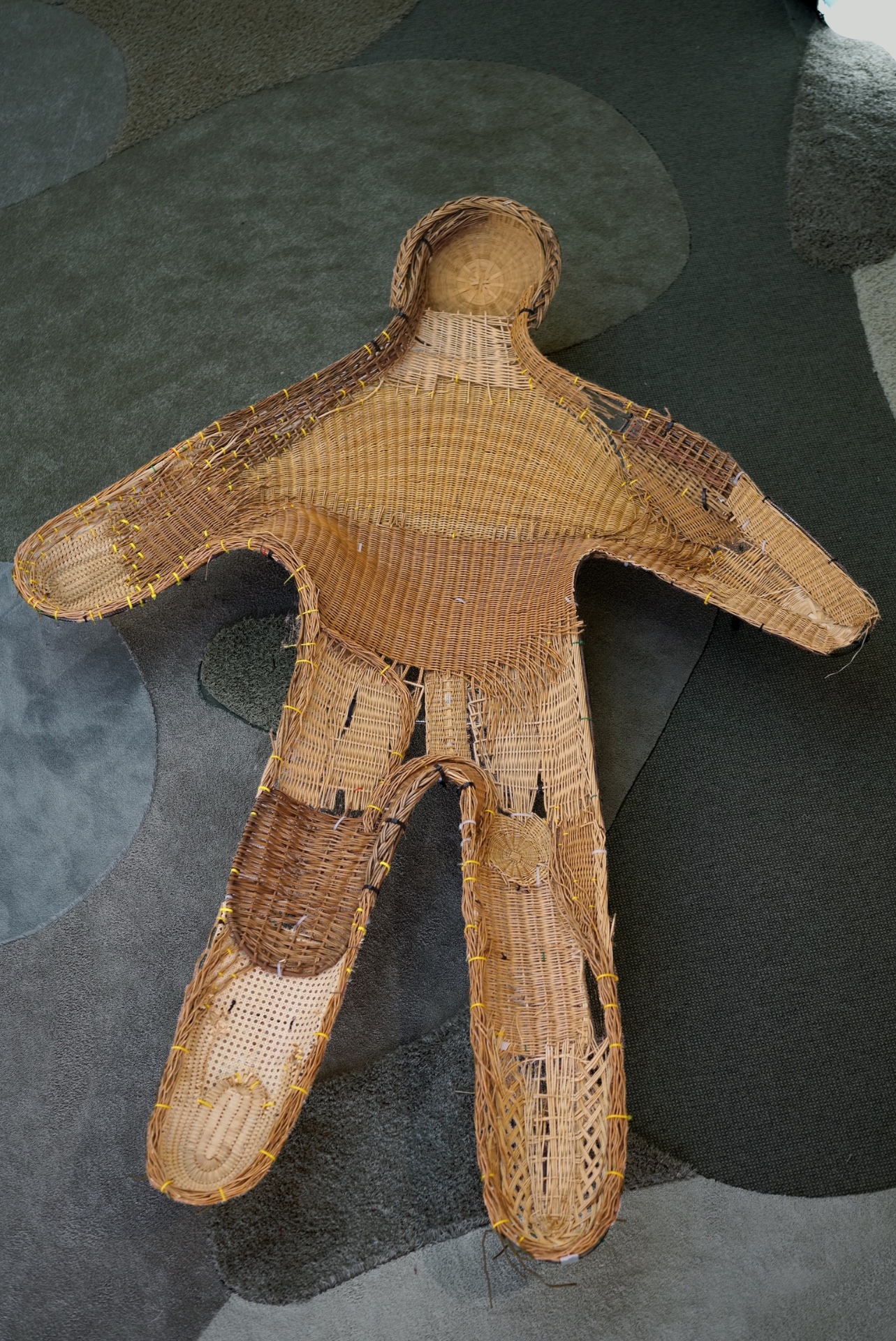
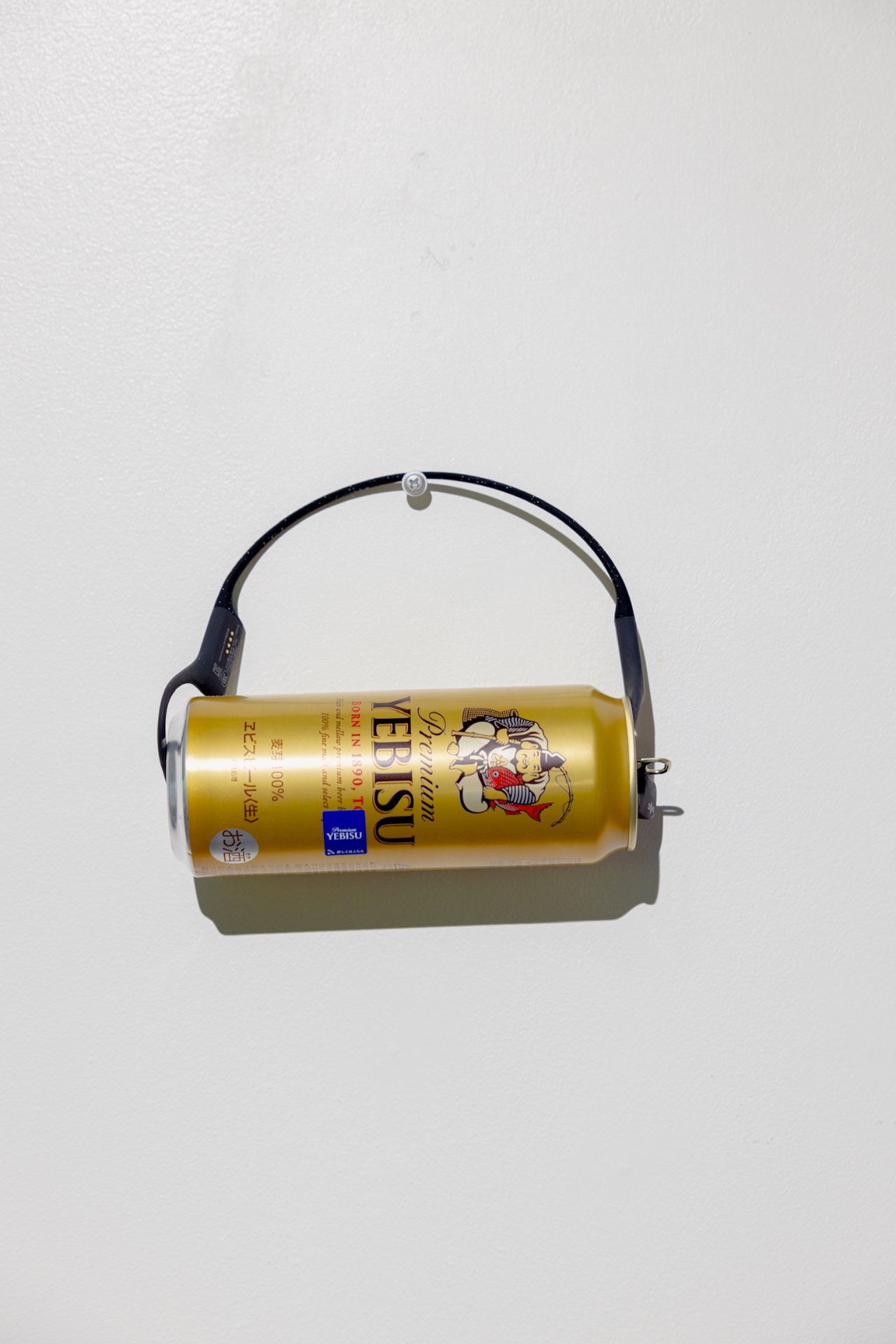
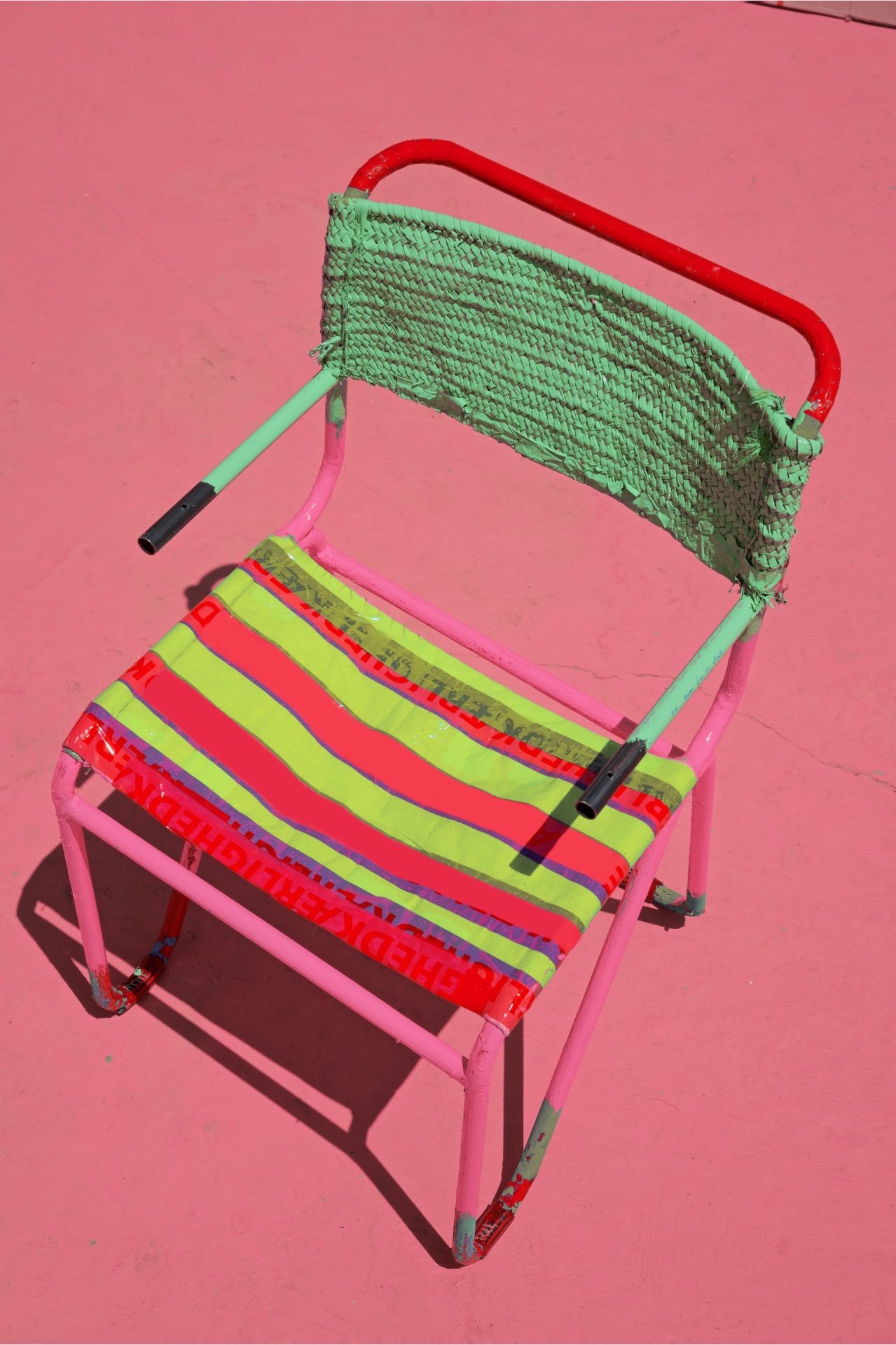
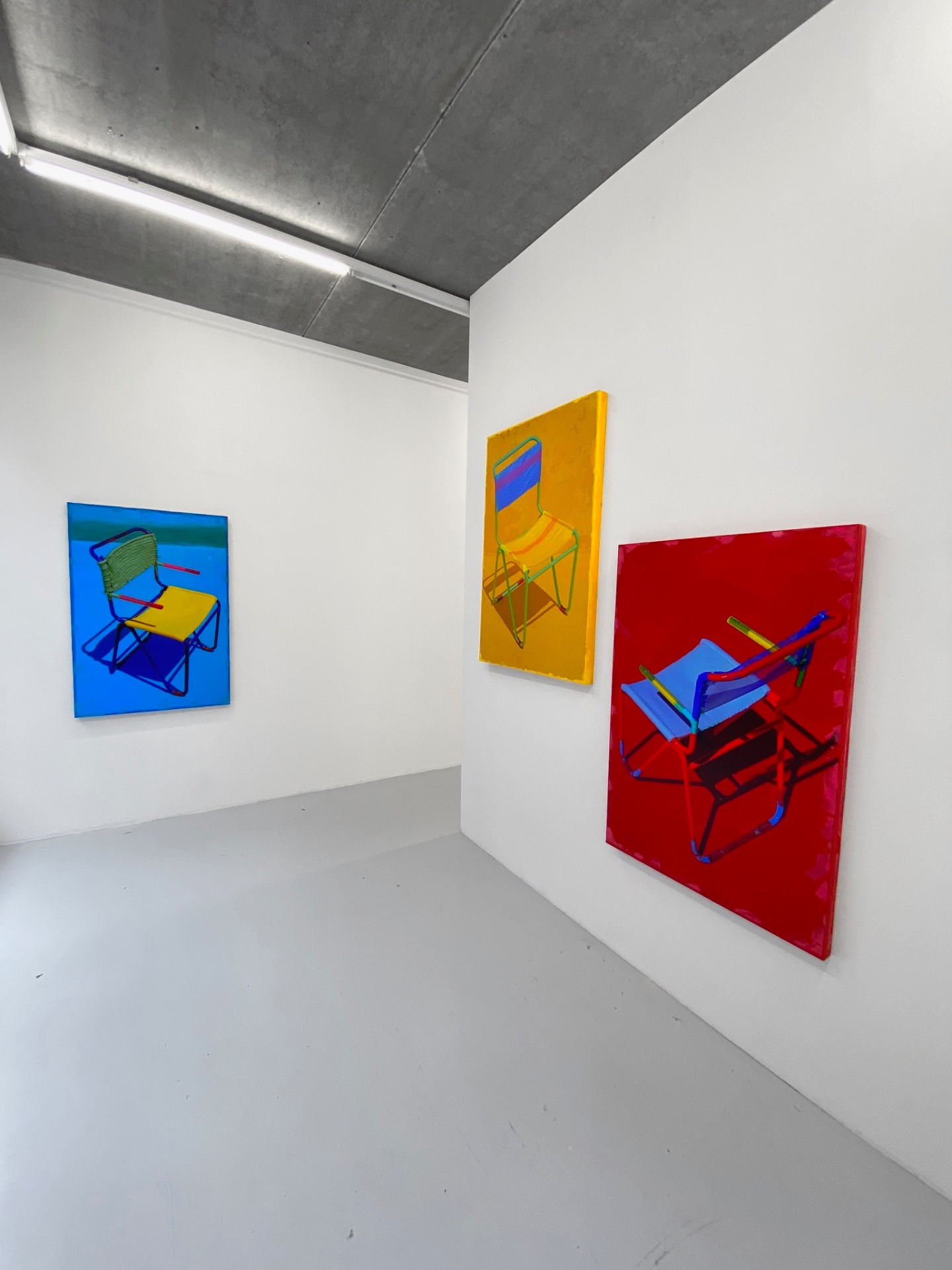
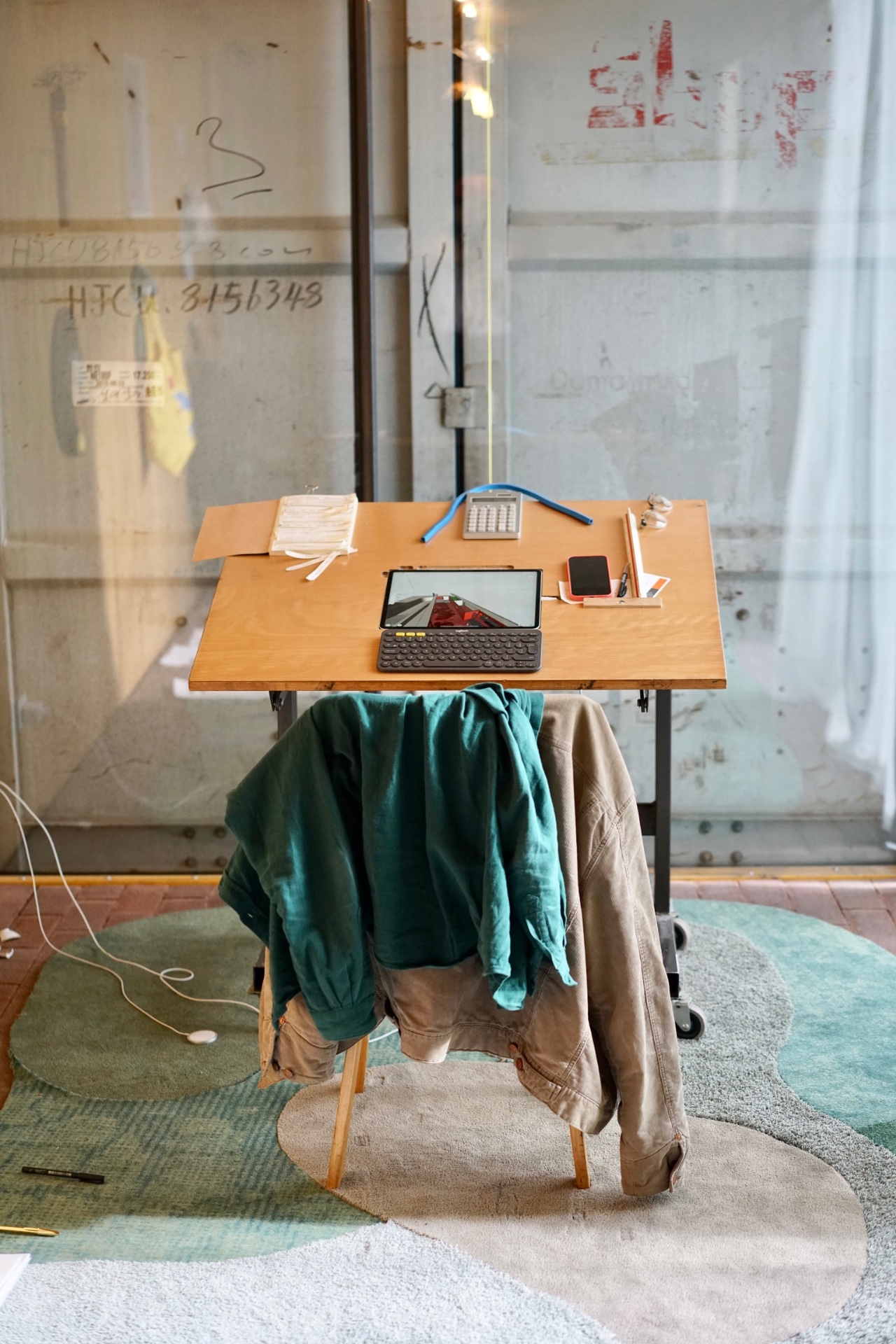
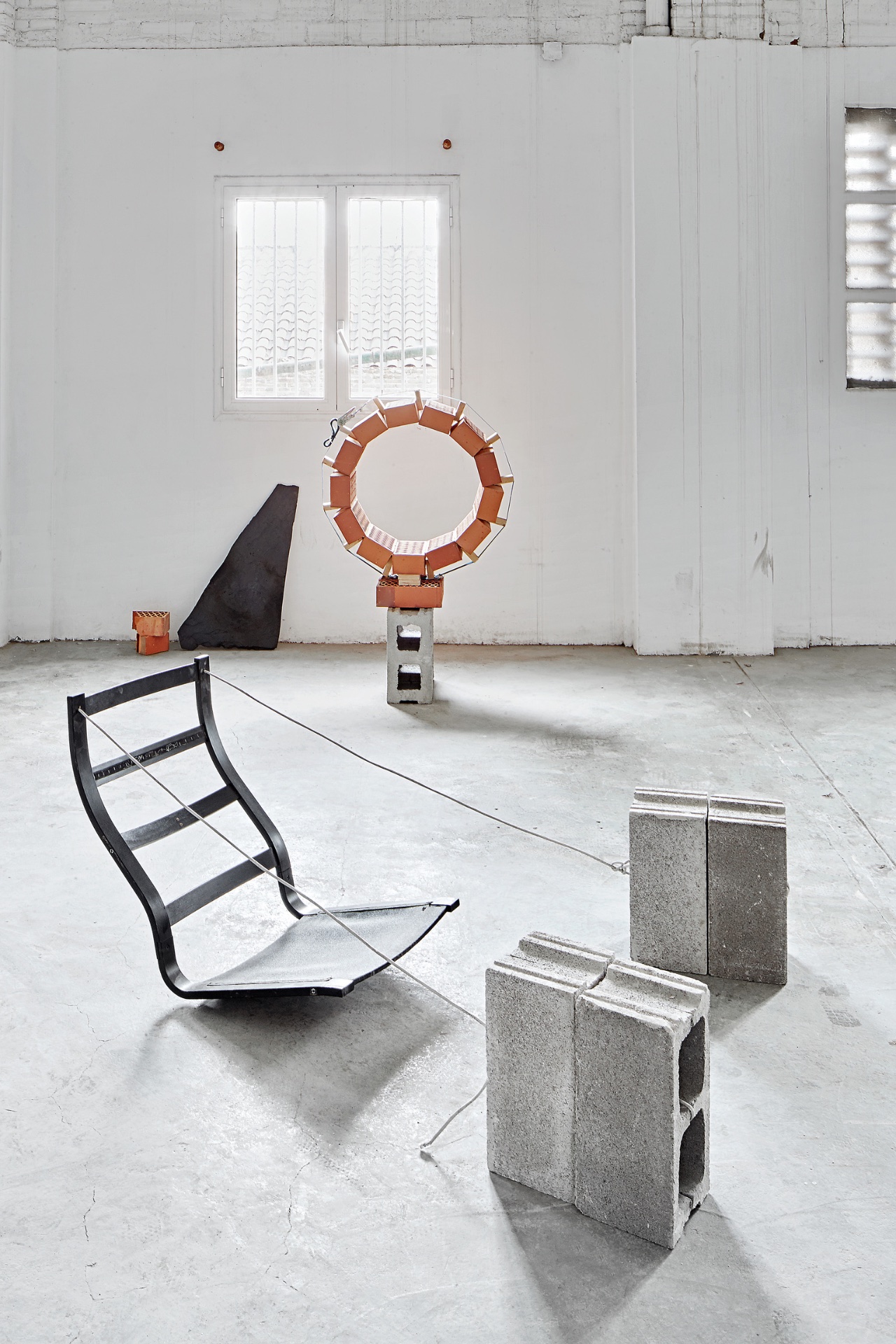
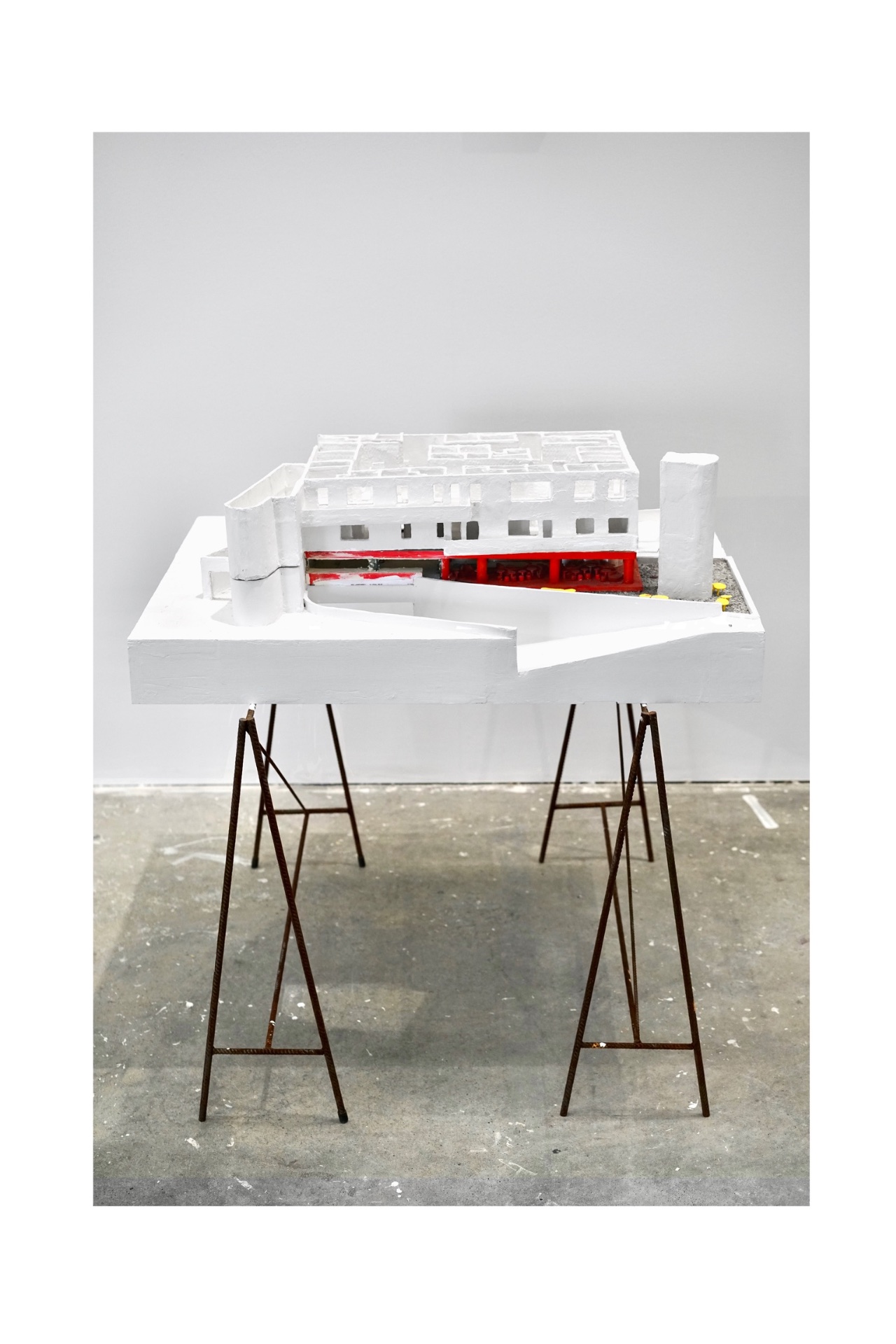
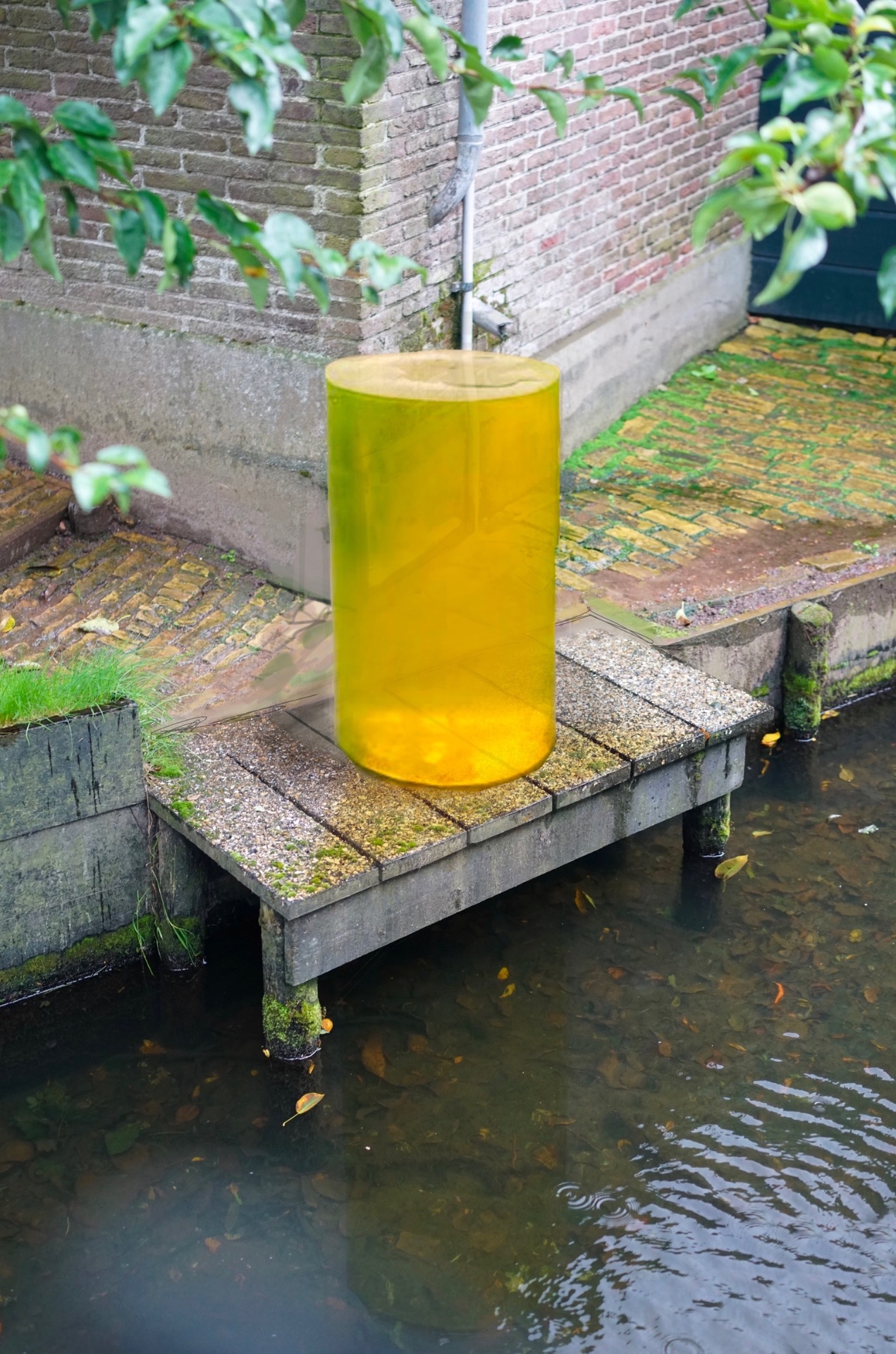
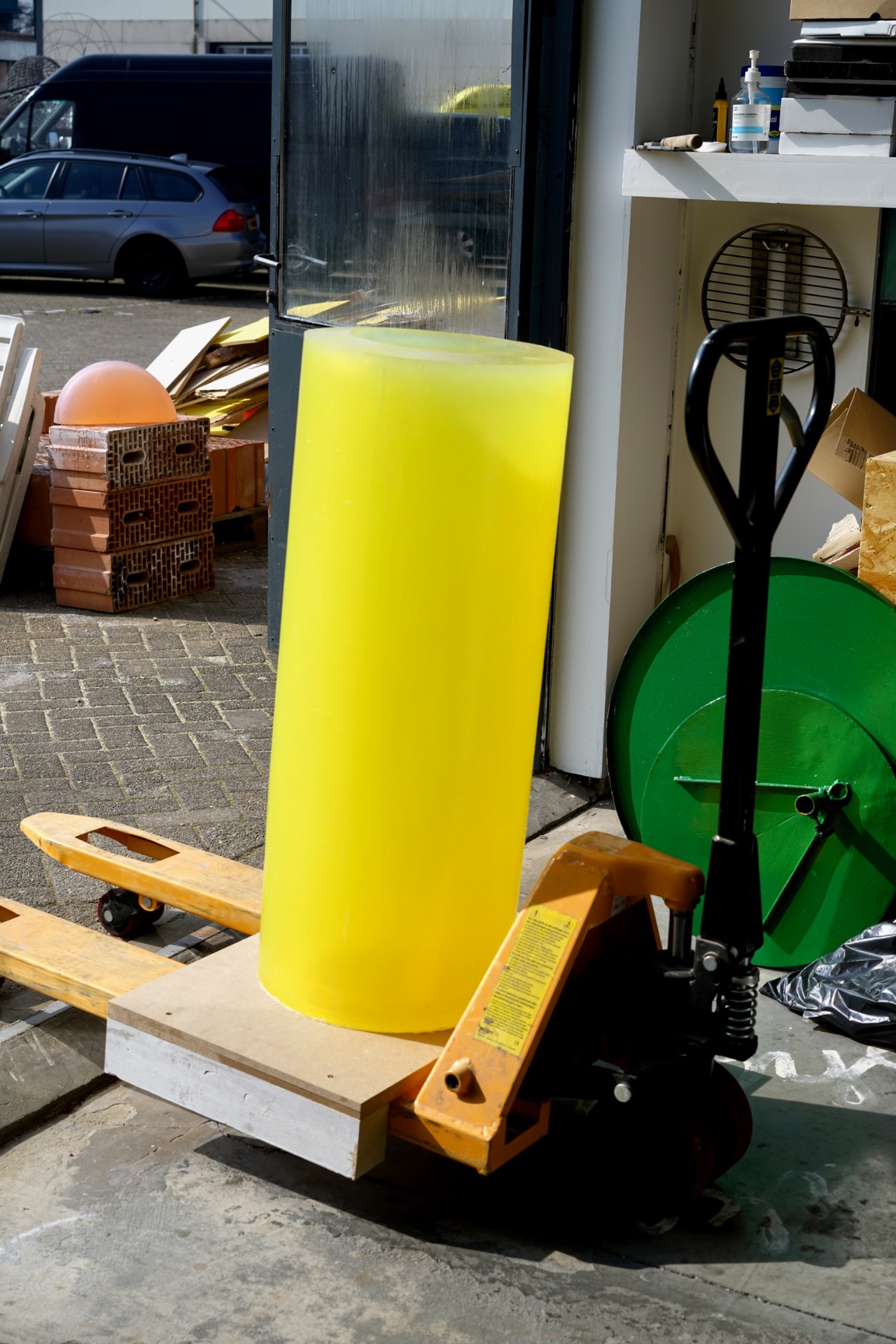
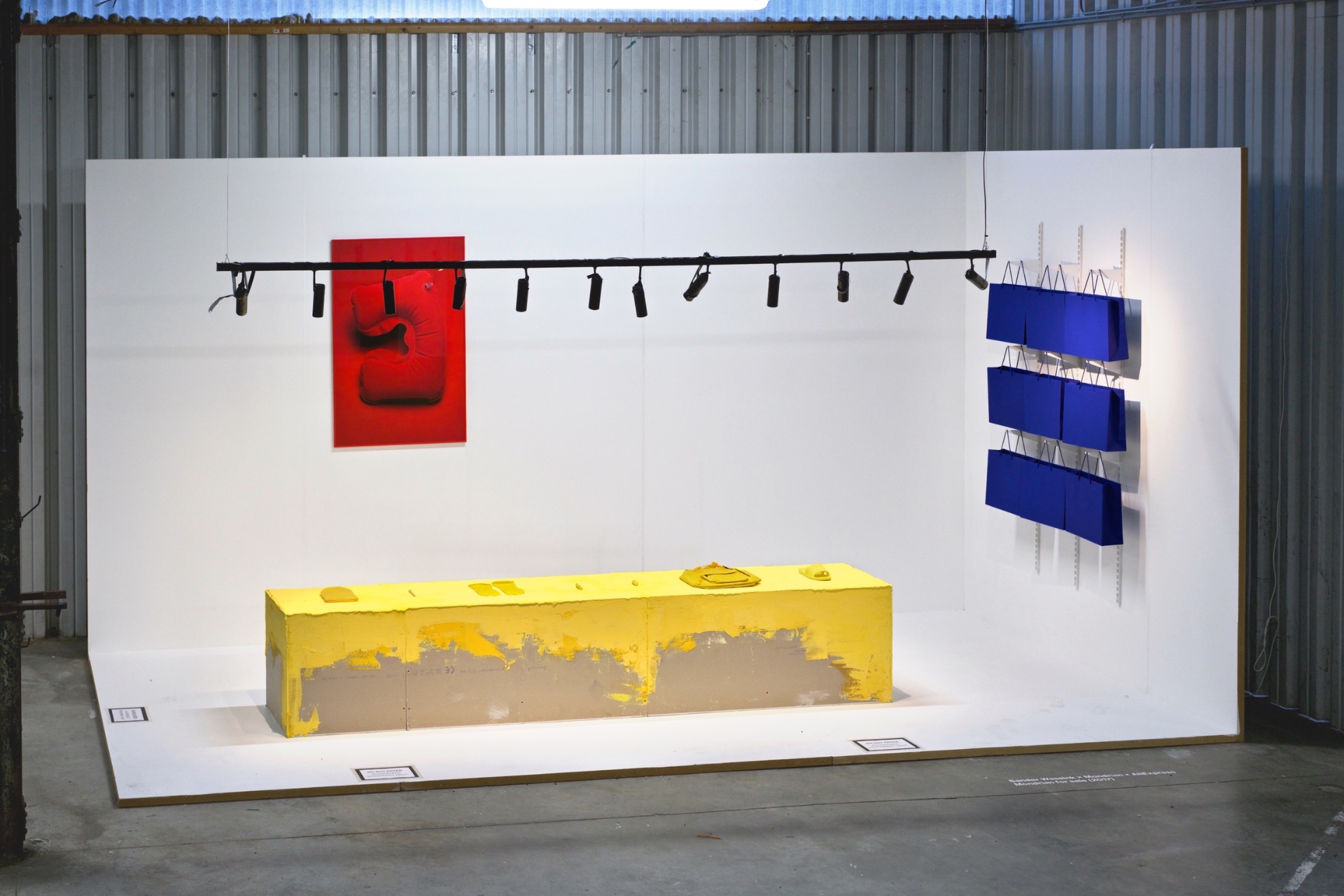
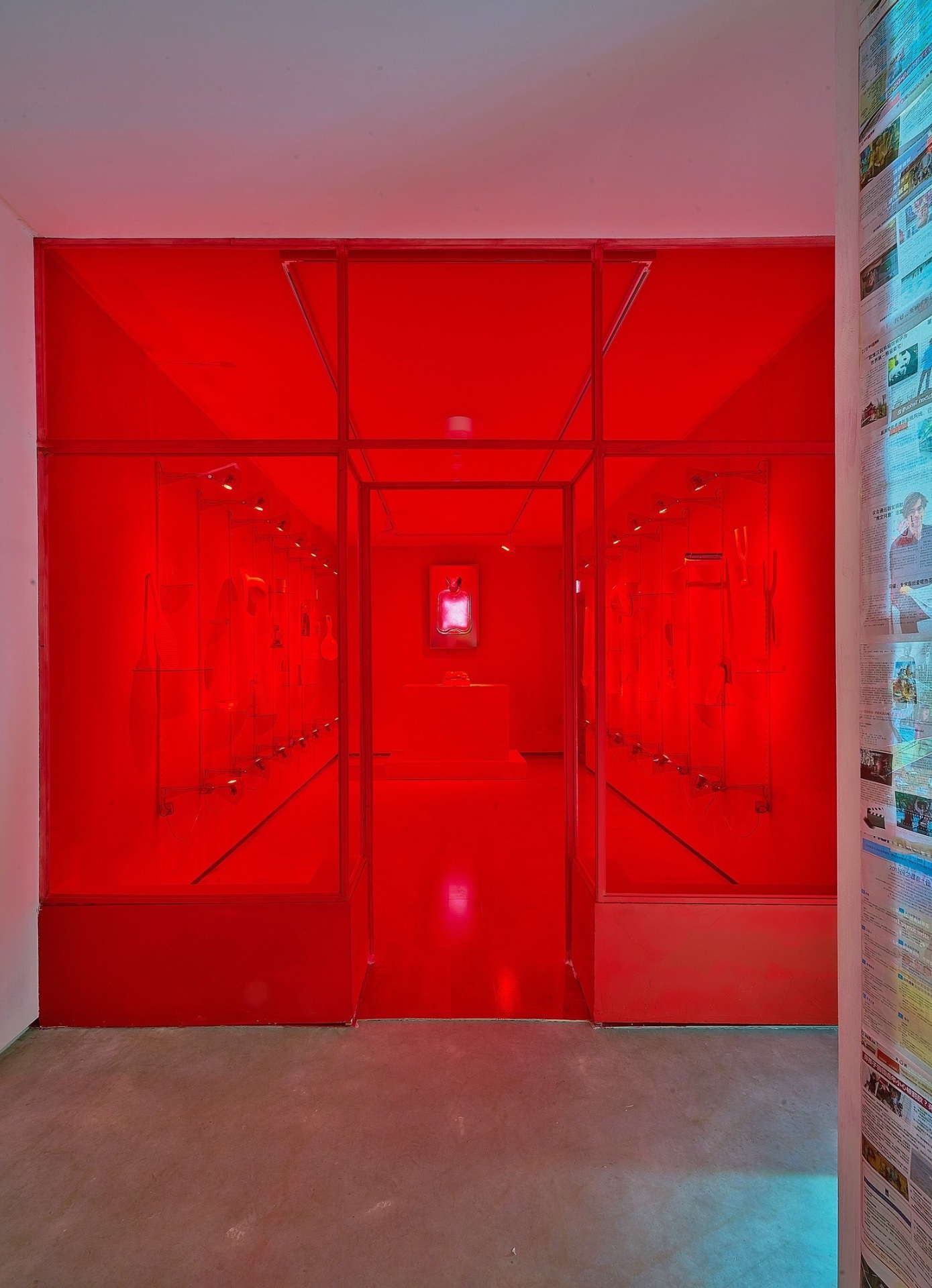
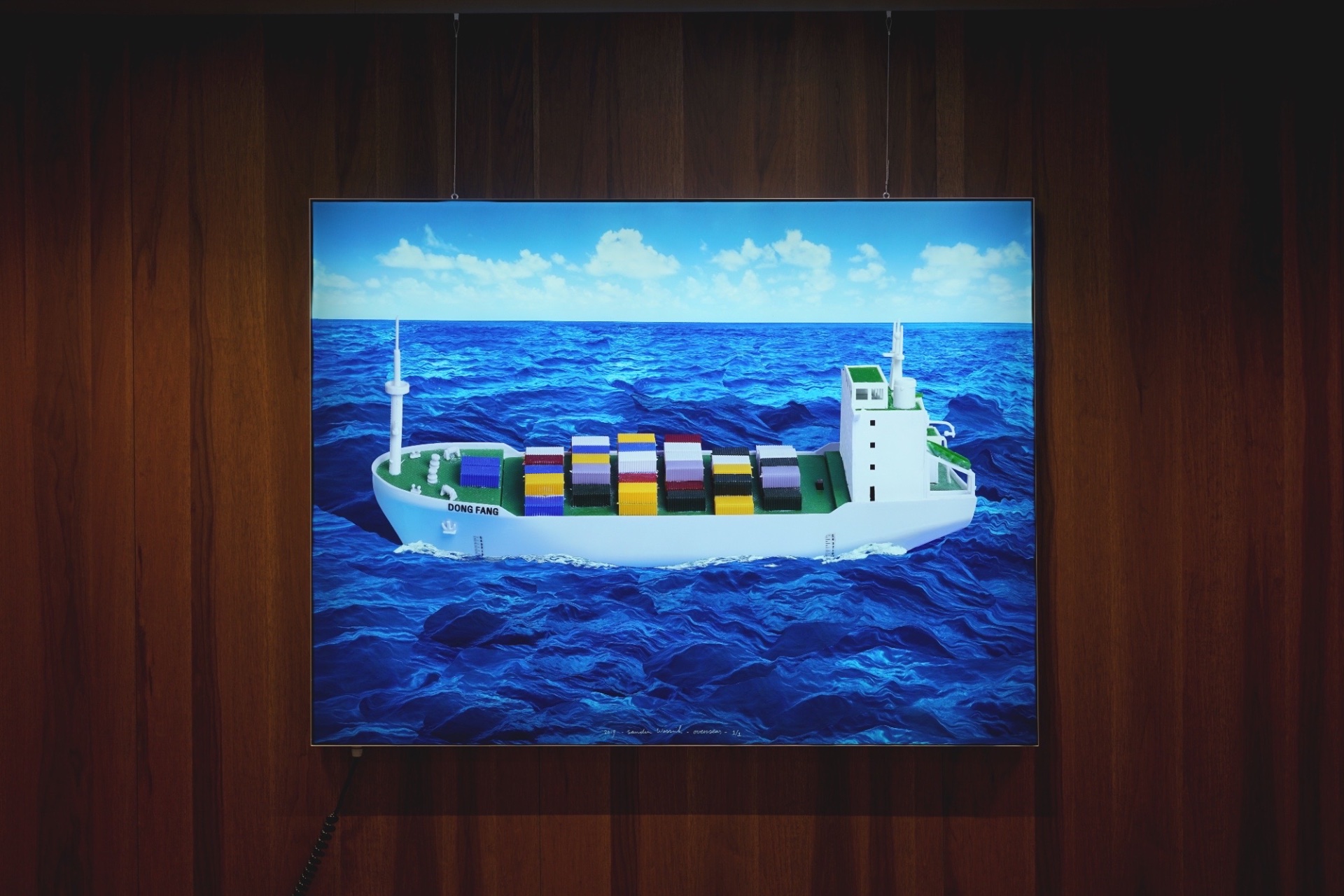
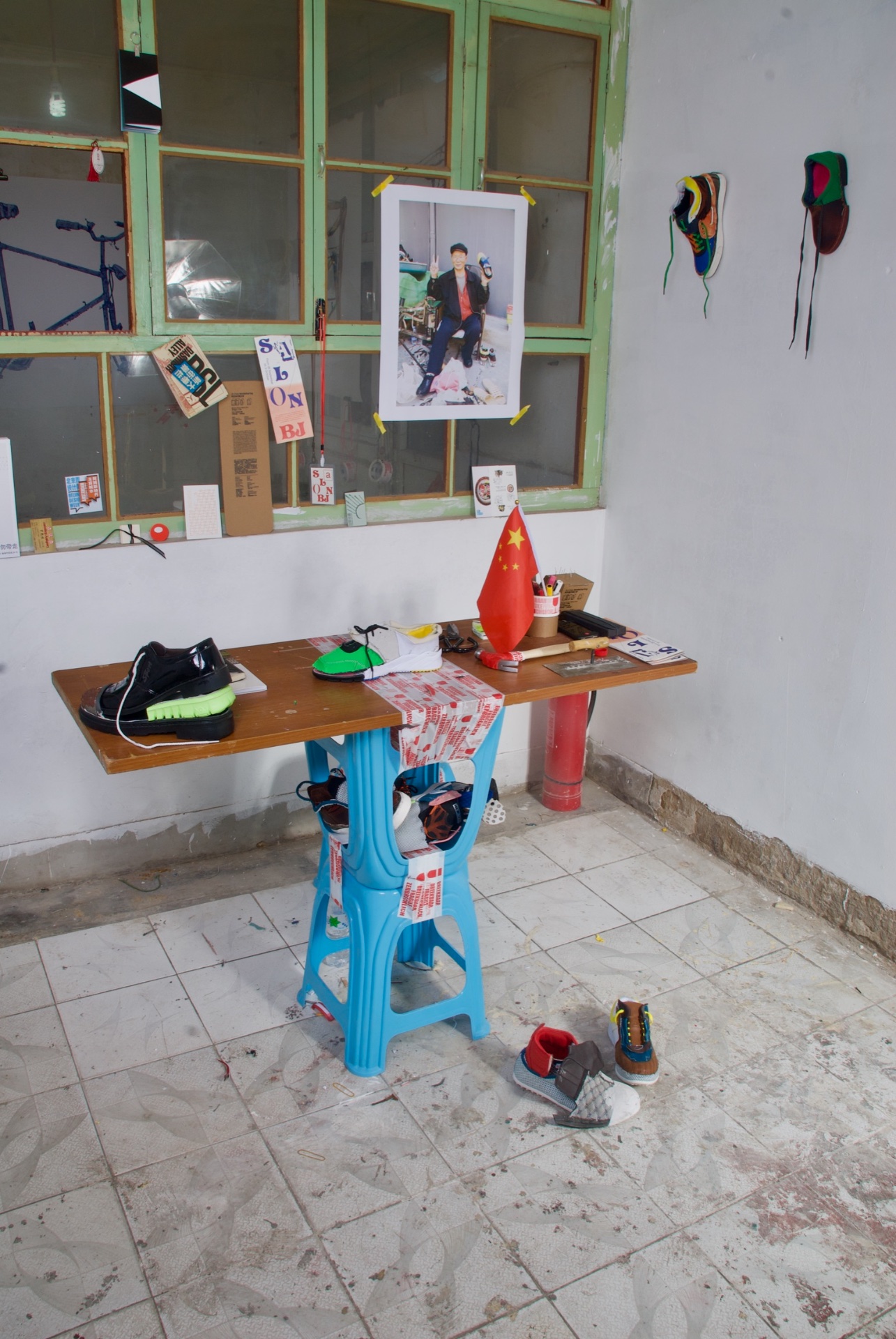
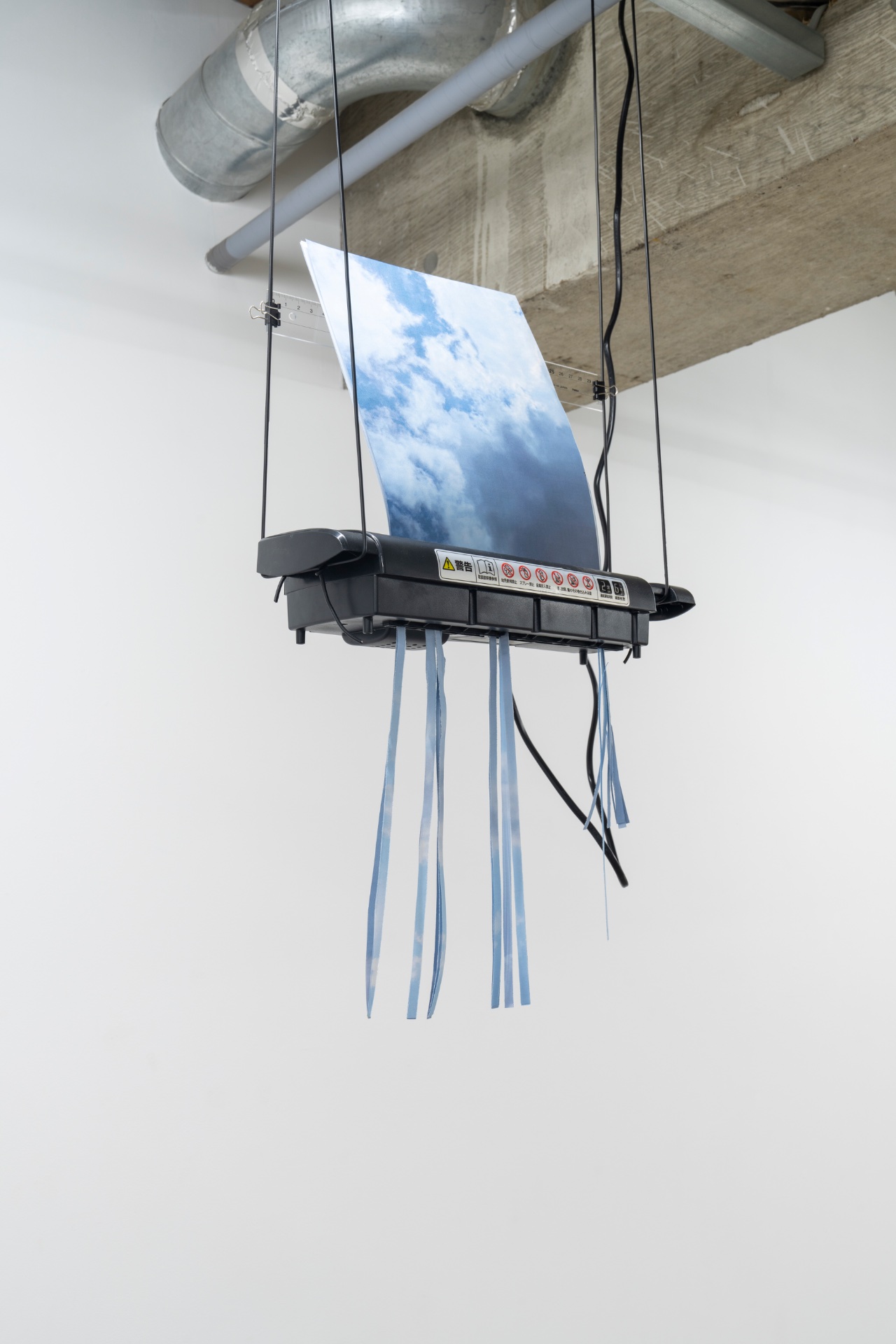
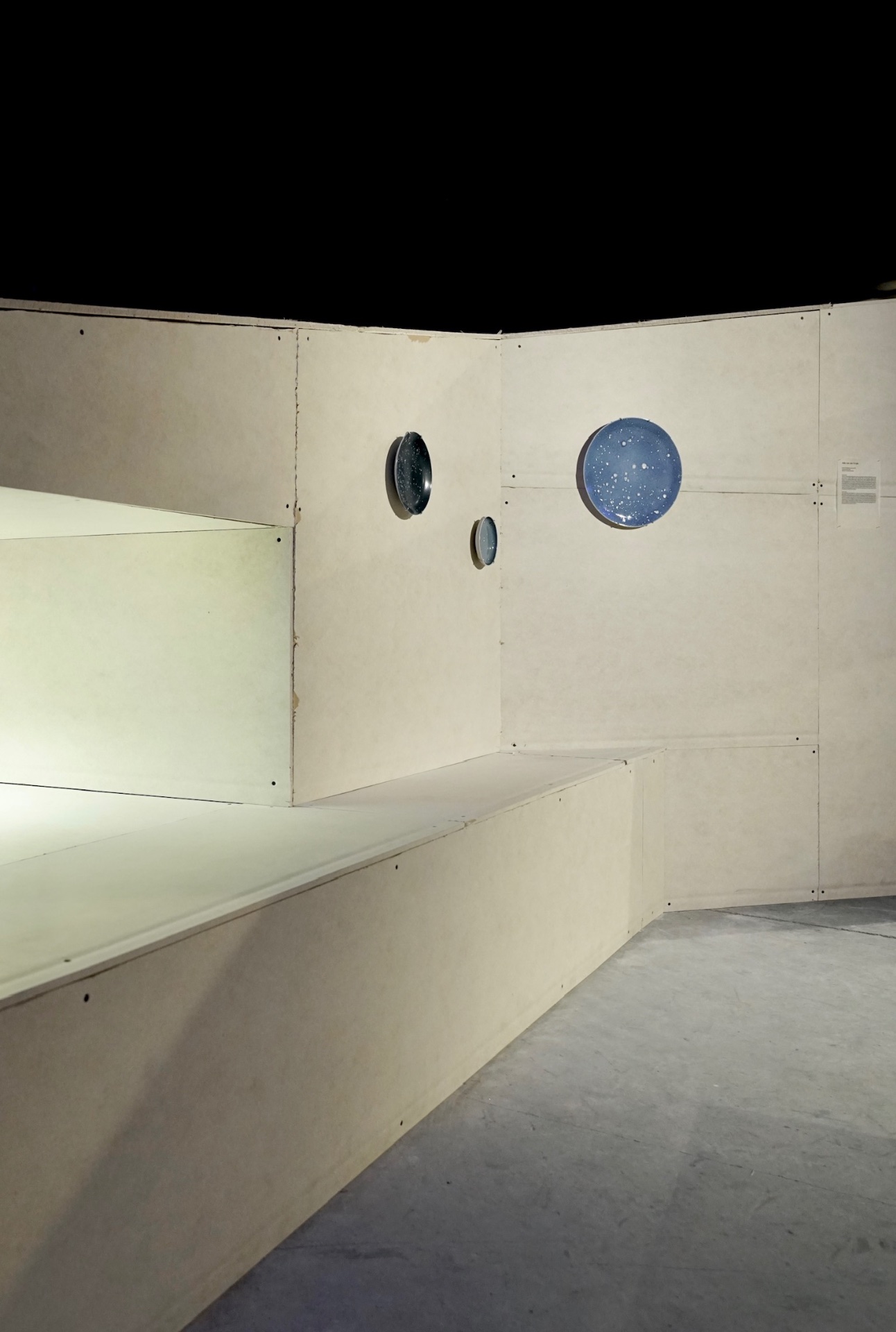
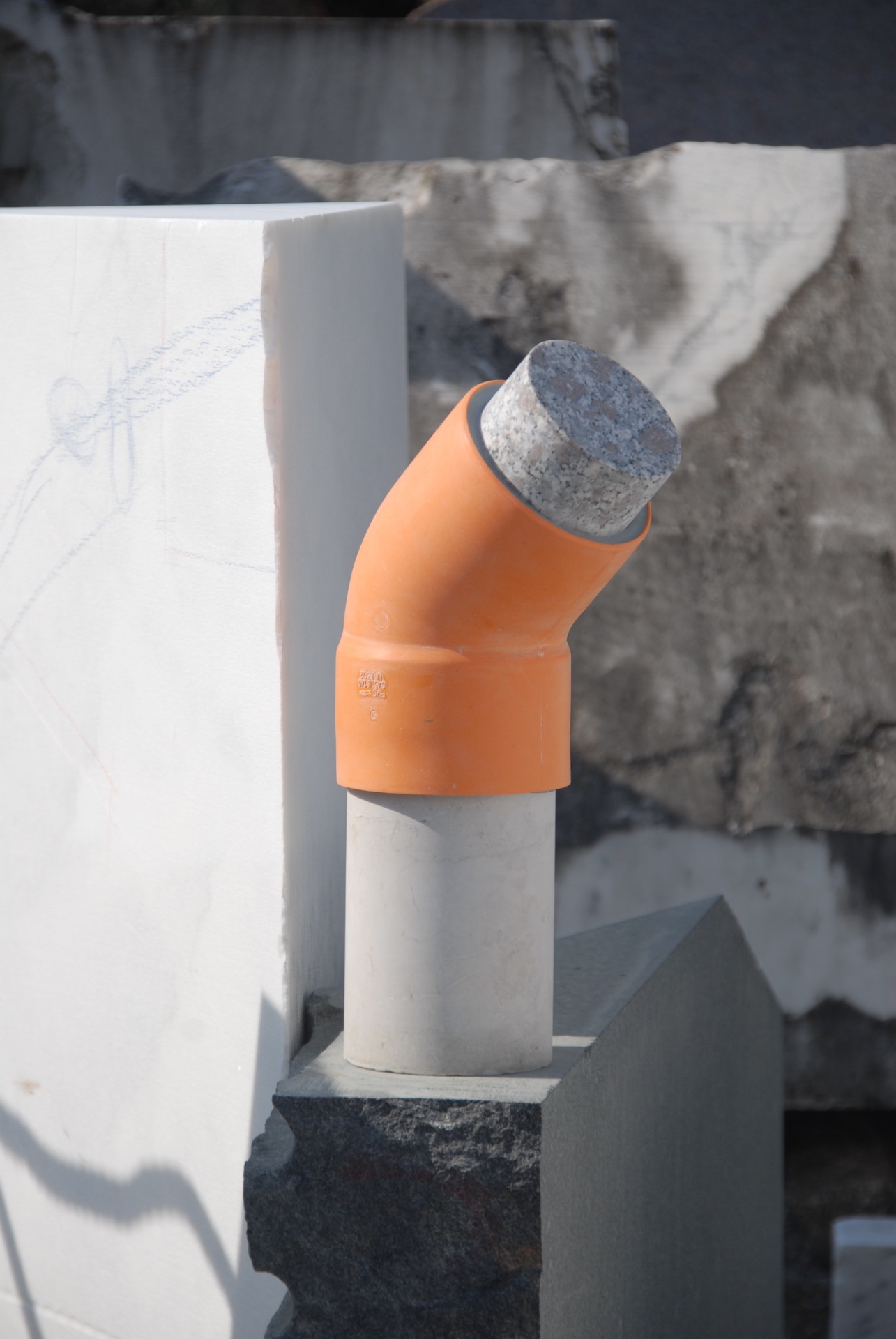
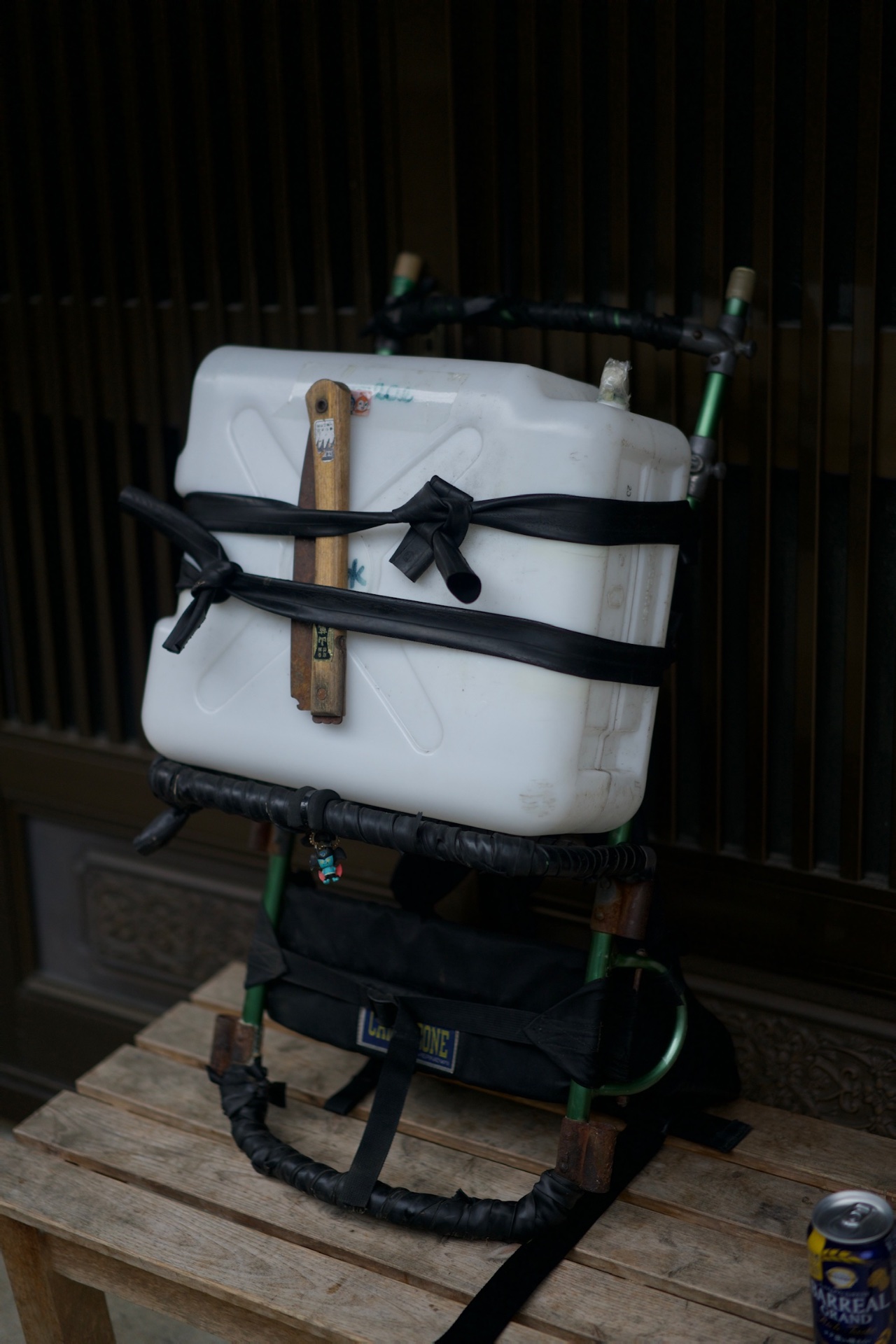
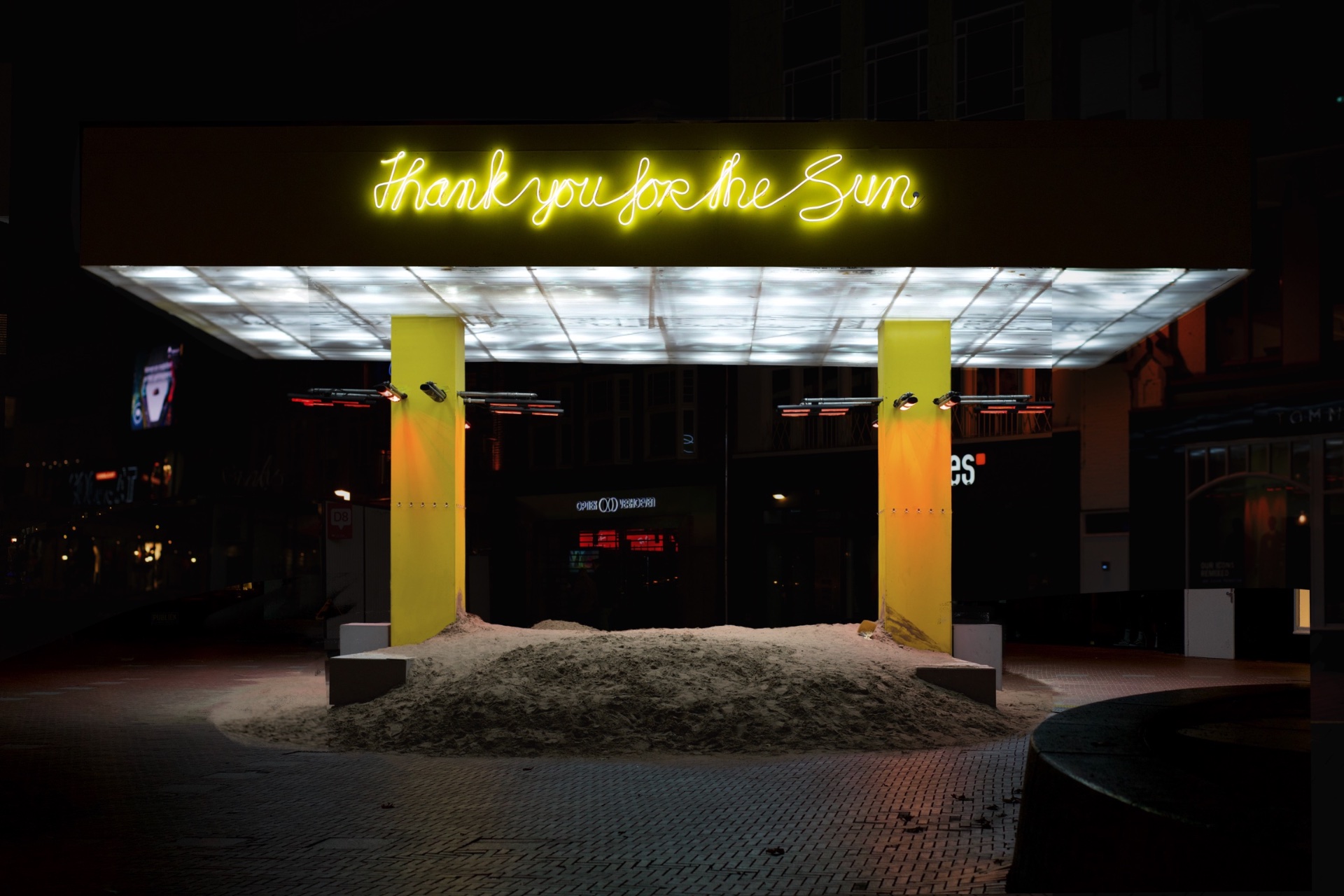
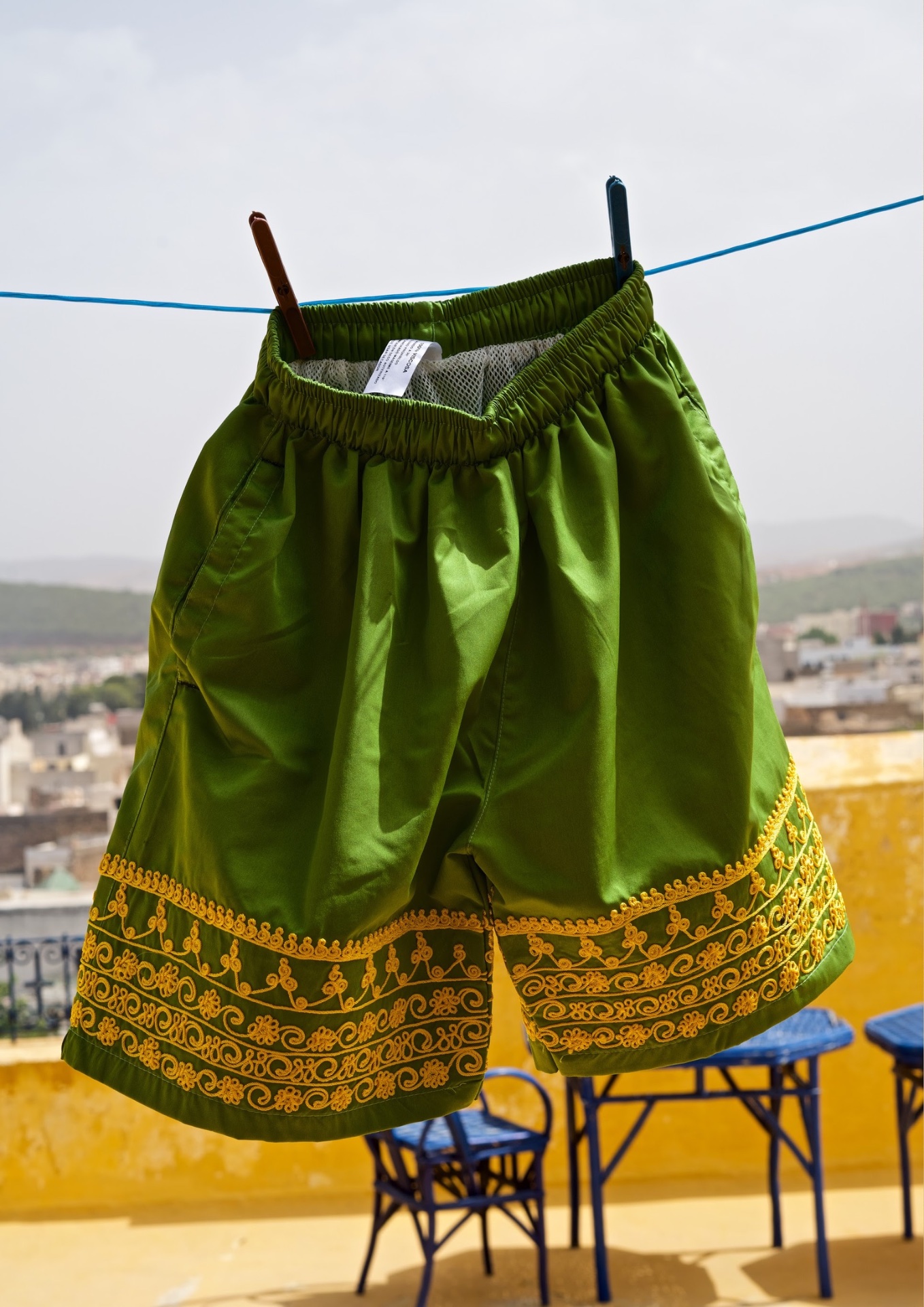
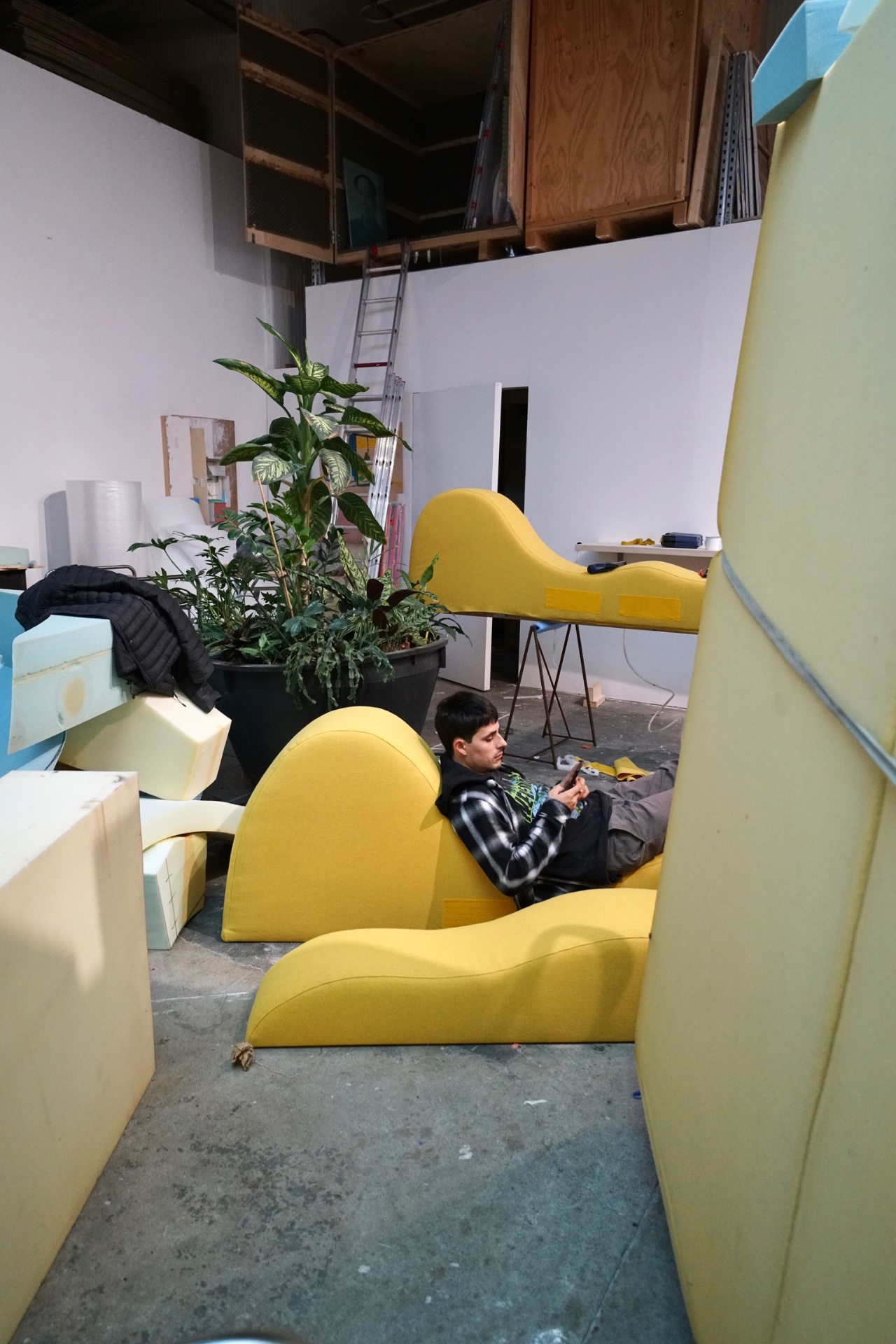
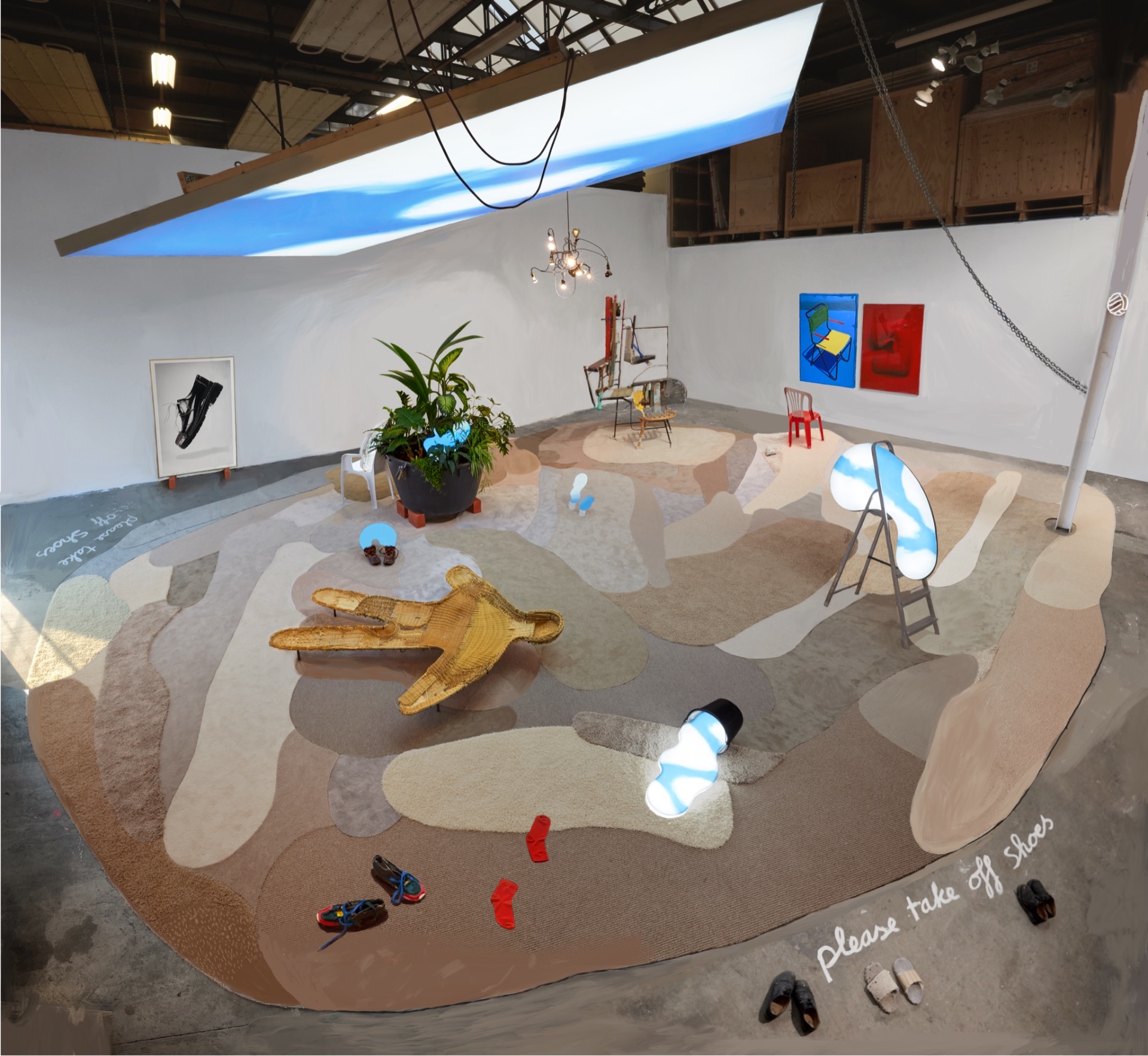
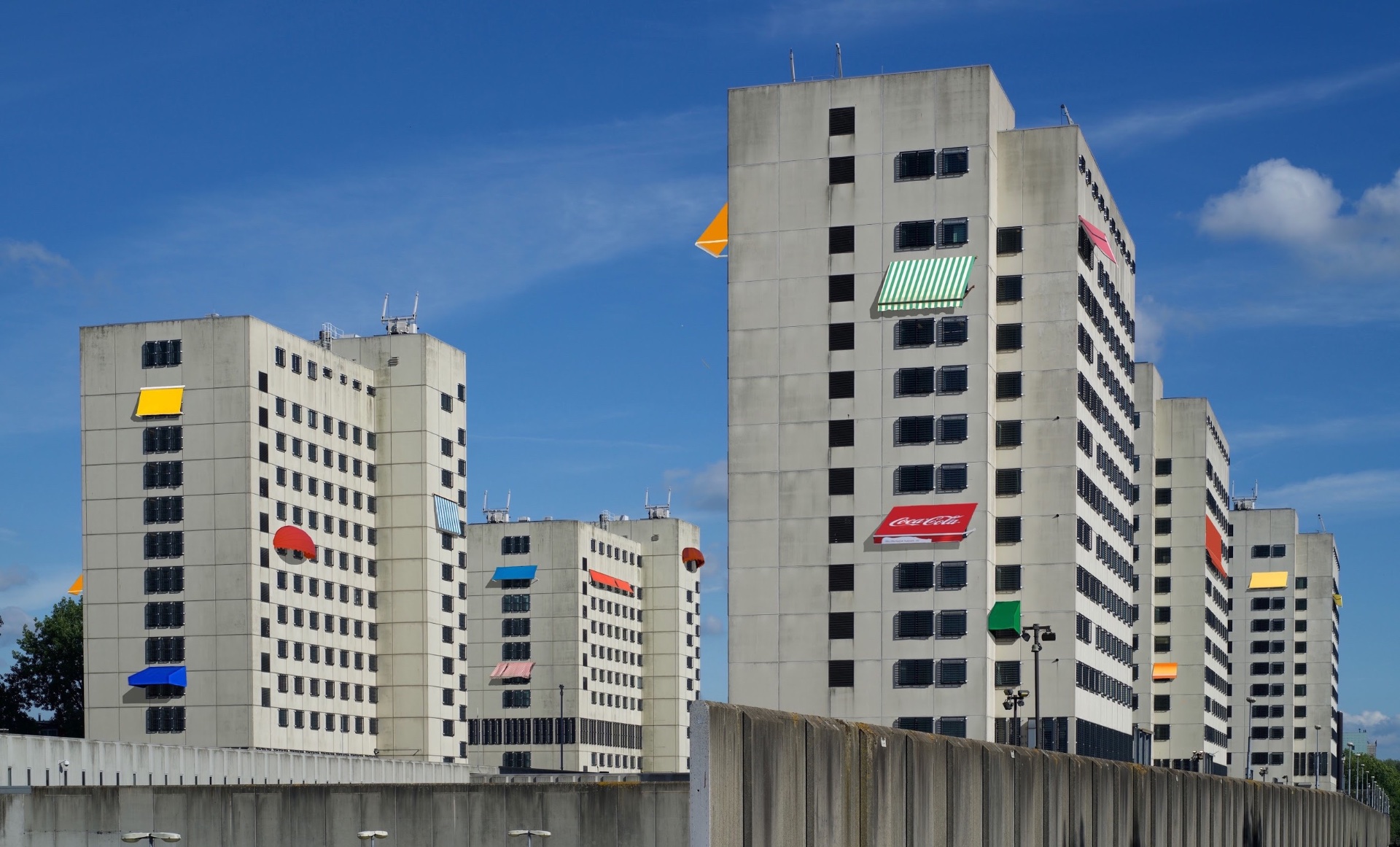
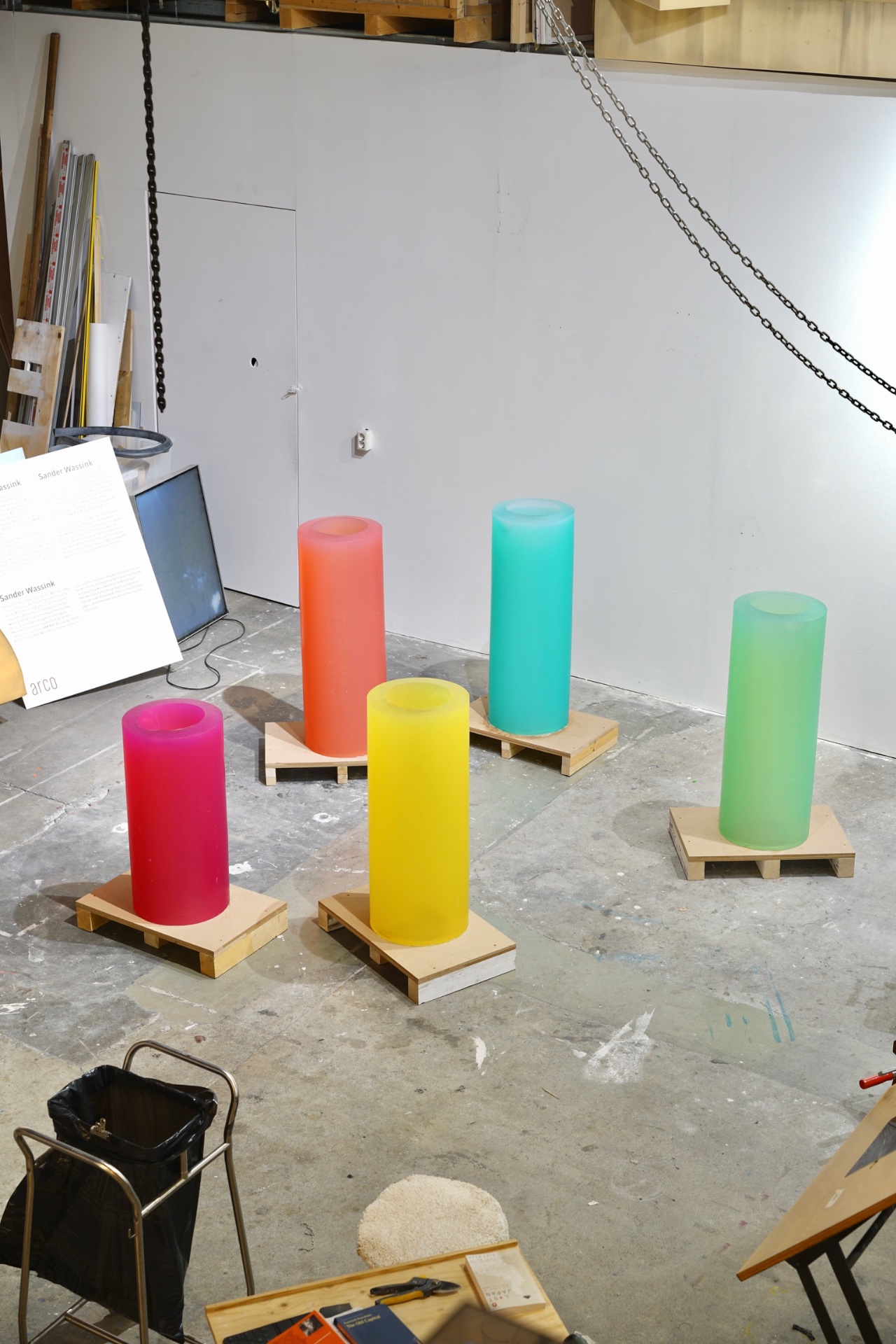
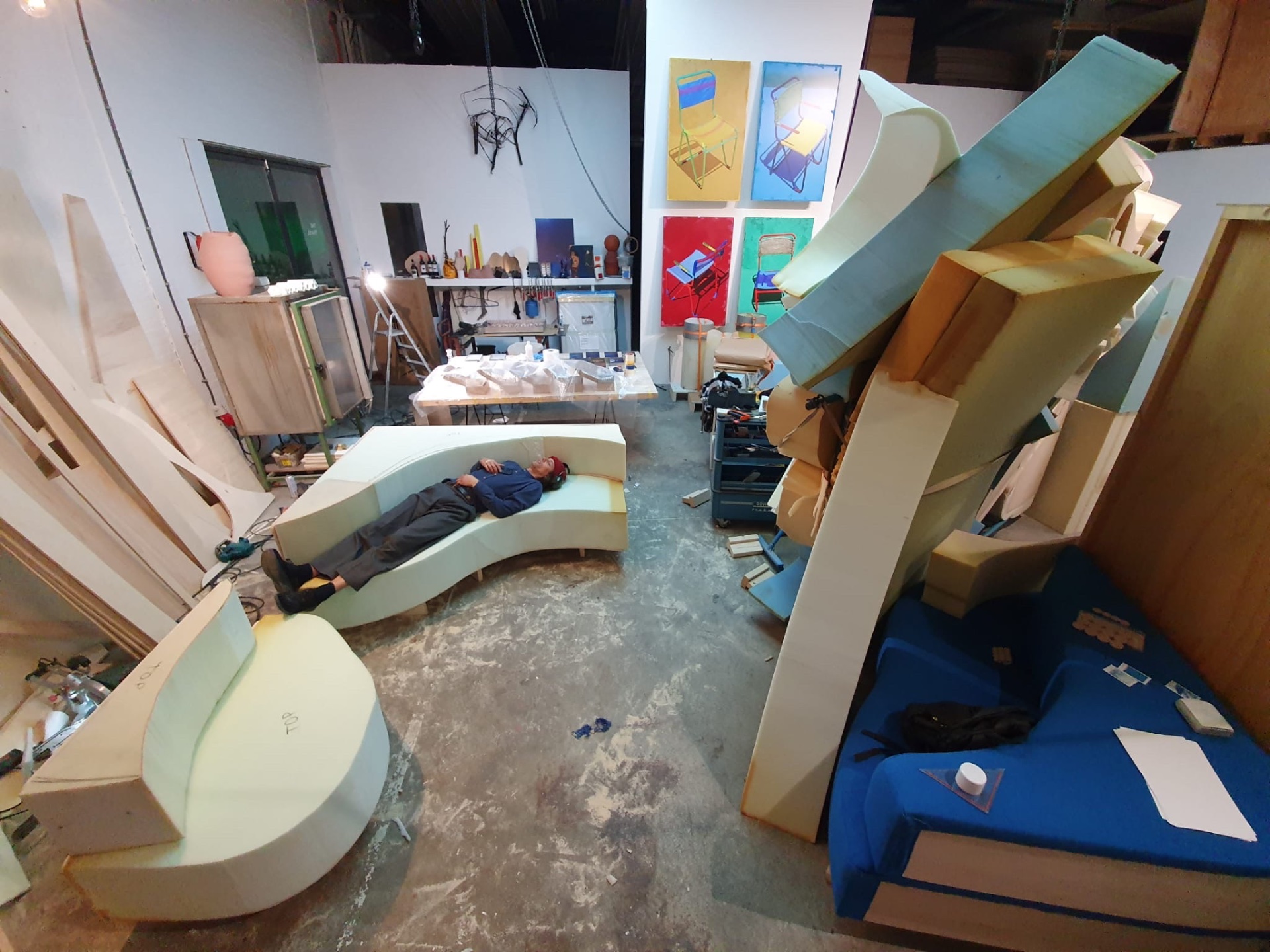
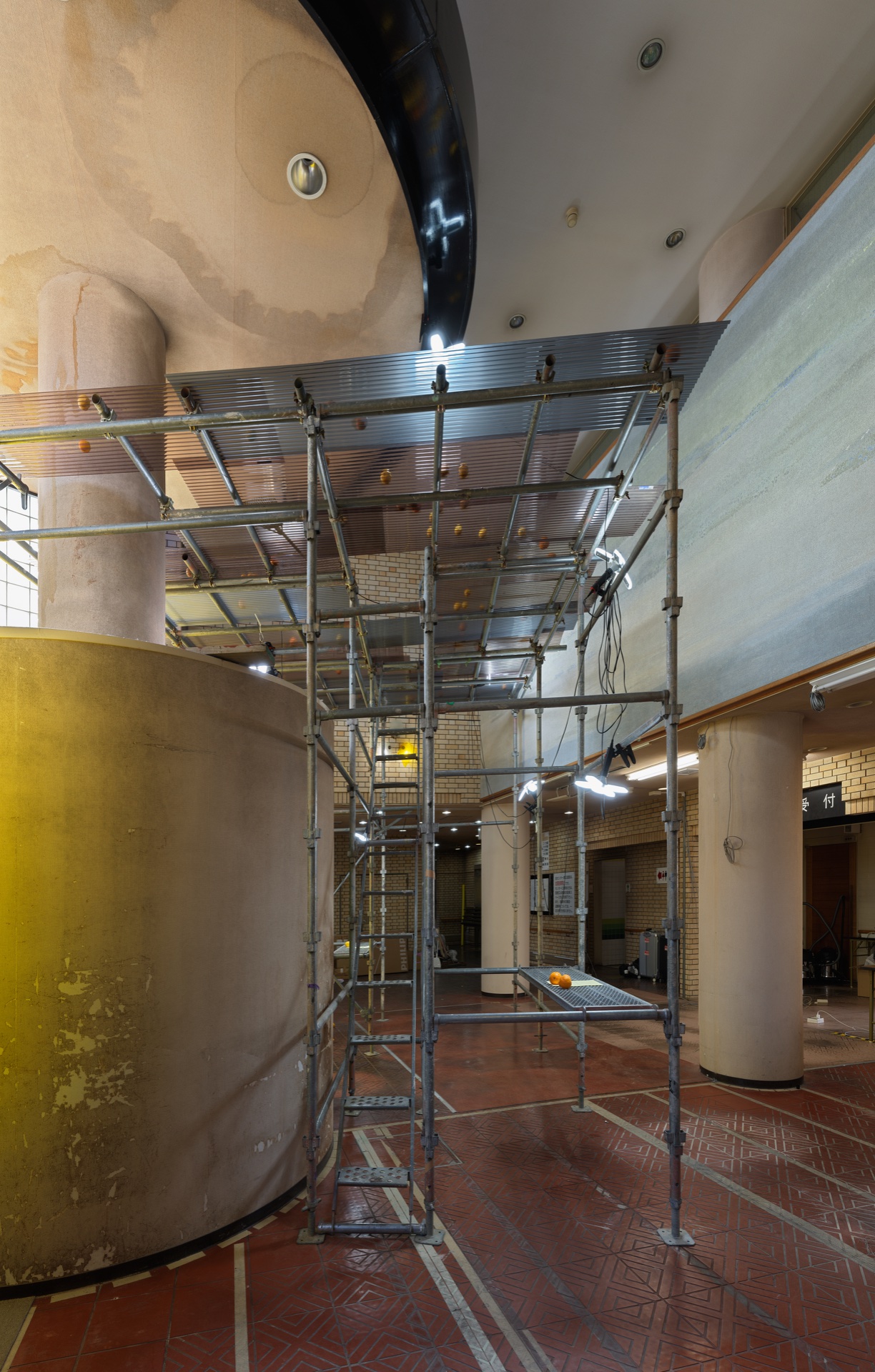
Permanent installation , a platform constructed from reclaimed bricks originating from the local soil. — Mirns — 2025 — Photo: Sander WassinkOutdoor residency space on a Japanese island, currently under development. — 2025 — Photo: Sander WassinkSolo exhibition exploring the relationship between digital and physical experience, presented at CONTRAST. — Tokyo — 2024 — Photo: Go ItamiDeveloped during the production of the solo exhibition DARK Tokyo, focused on researching outdoor insects. — Nara — 2025 — Photo: Sander WassinkKohnan pro Chair for World Expo Osaka — Nara — 2025 — Photo: Sander WassinkSkies collected from family and friends, forming a connected sky. — Eindhoven — 2020 — Photo: Sander WassinkResearch in the Mountains of Nagano — Nagano — 2024 — Photo: Yoriko IshizawaA 3D scan of a crashed Ferrari, exposing the complex forms created by collision and deformation. — Eindhoven — 2014 — Photo: Sander WassinkAdapted chair version transported back to the Netherlands. — 2016 — Photo: Sander WassinkSelection of leftover bisque-fired ceramic pieces prepared for repurposing. — 2019 — Photo: Sander WassinkSelection of leftover bisque-fired ceramic pieces prepared for repurposing. — Arita — 2019 — Photo: Sander WassinkSkies collected from family and friends, forming a connected sky. — Eindhoven — 2020 — Photo: Sander Wassink2024 — Photo: Sander WassinkOne of a series of 3D-printed vessels — Moss — 2015 — Photo: Ronald Smits3D model generated from natural input — 2015 — Photo: Sander WassinkTelevision screens limited to broadcasting their own brand slogans only. — Tokyo — 2024 — Photo: Sander WassinkShrine made from office objects and food commonly eaten by salarymen. — Tokyo — 2022 — Photo: Go ItamiPhotographs of shoes made from food — Amsterdam — 2019 — Photo: Sander WassinkA living space shaped by continuous additions and subtractions. — Eindhoven — 2012 — Photo: Sander WassinkSolo exhibition exploring the relationship between digital and physical experience — Tokyo — 2024 — Photo: Sander WassinkExhibition design for a textile brand from Fujiyoshida. — Tokyo — 2025 — Photo: Go ItamiChair made of trash, repeatedly photographed and rearranged. — Eindhoven — 2012 — Photo: Ronald SmitsChair made of trash, repeatedly photographed and rearranged. — Eindhoven — 2012 — Photo: Ronald SmitsInstallation, stacking of the materials that I own . — Eindhoven — 2022 — Photo: Sander WassinkTemporary installation made entirely from found objects from the building and surrounding streets. — Barcelona — 2015 — Photo: Sander WassinkTemporary installation made entirely from found objects from the building and surrounding streets. — Barcelona — 2015 — Photo: Jose HeviaAbandoned ceramic production molds in Arita. — 2019 — Photo: Ronald SmitsEntrance exhibition for Sectie C with everyday objects from 100 inhabitants. — Eindhoven — 2018 — Photo: Ronald SmitsLiving space on top of my stacked belongings — Eindhoven — 2022 — Photo: Sander Wassink“A space between the digital and the physical. — Tokyo — 2025 — Photo: Go ItamiLe Corbusier LC2 remade from street bricks. — Eindhoven — 2015 — Photo: Sander WassinkStones collected from rivers, displayed on video of their original flow. — Tokyo — 2022 — Photo: Go ItamiHuman-shaped lounge made from old baskets and tie wraps. — Eindhoven — 2014 — Photo: Sander WassinkRandomly found Ebisu cans, with sound recorded at the places where they were found. — Kyoto — 2022 — Photo: Go ItamiModel of soap on boenstoepjes. — Enkhuizen — 2021 — Photo: Sander WassinkTravelling reinterpretation of a Gispen chair, made in Sefrou, Morocco, for Museum Boijmans Van Beuningen. — Sefrou — 2015 — Photo: Sander WassinkContrabande, exhibition at Martin van Zomeren Gallery. — Amsterdam — 2020 — Photo: Sander WassinkView of my office in Eindhoven. — Eindhoven — 2018 — Photo: Sander WassinkTemporary installation made entirely from found objects from the building and surrounding streets. — Barcelona — 2015 — Photo: José HeviaScale model of a hotel interior project. — Eindhoven — 2019 — Photo: Sander WassinkOne of the soaps created for the Zuiderzeemuseum, initially beautiful but gradually dissolving in the elements of the Zuiderzee. — Enkhuizen — 2021 — Photo: Sander WassinkOne of the soaps created for the Zuiderzeemuseum, initially beautiful but gradually dissolving in the elements of the Zuiderzee. — 2021 — Photo: Sander WassinkInstallation for the Stijl Year, showing and selling AliExpress products in a shop fully produced in China. — Den Haag — 2017 — Photo: Sander WassinkInstallation of red objects made in China, purchased in shops around the museum and resold inside the museum — Winterswijk — 2017 — Photo: Sander WassinkVisualisation of a toy ship from China crossing the ocean. — The Hague — 2018 — Photo: Sander WassinkShop where fake-brand shoes were cut apart, reassembled by local shoemakers, and presented again in the shop. — Beijing — 2013 — Photo: Sander WassinkEach day I sent the gallery owner a photograph of the sky; it was printed and shredded at the end of the day. — Tokyo — 2022 — Photo: Go ItamiArita residency exhibition design and production, made entirely from plaster — the material used in ceramic production. — Eindhoven — 2022 — Photo: Sander WassinkAssemblies of found leftover marble and industrial parts. — Pietrasante — 2014 — Photo: Sander WassinkWater-carrying backpack for a mountain temple. — 2025 — Photo: Sander WassinkInstallation during Dutch Design Week that intentionally wastes energy. — Eindhoven — 2018 — Photo: Ronald SmitsFake-brand swimwear with hidden logos, adapted with local Moroccan craft to make them exportable to Europe. — Sefrou — 2016 — Photo: Sander WassinkSnapshot of the studio during production. — Eindhoven — 2021 — Photo: Sander WassinkInstallation at Dutch Design Week displaying various works on a large carpet made from leftover materials from Desso production. — Eindhoven — 2017 — Photo: Sander WassinkProposal opposing the legal battle to remove bars from the Bijlmer prison when it was used as a refugee center. — Amsterdam — 2016 — Photo: Sander WassinkSoap object — Eindhoven — 2021 — Photo: Sander WassinkSnapshot of the Eindhoven studio during production. — Eindhoven — 2021 — Photo: Sander WassinkKyoto — 2026 — Photo: Go Itami