LAND, LABOR, LOVE, 2025 — Mirns
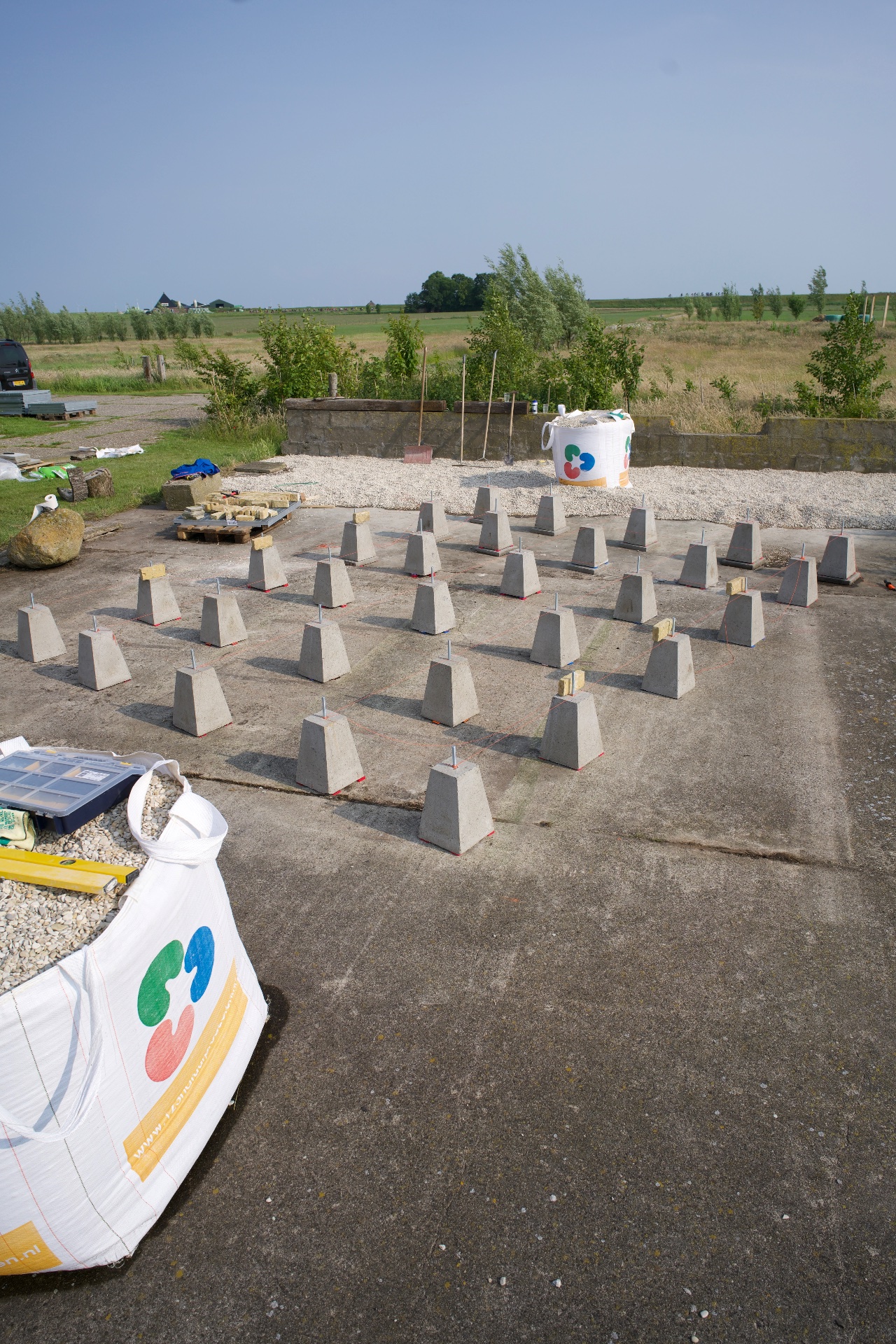
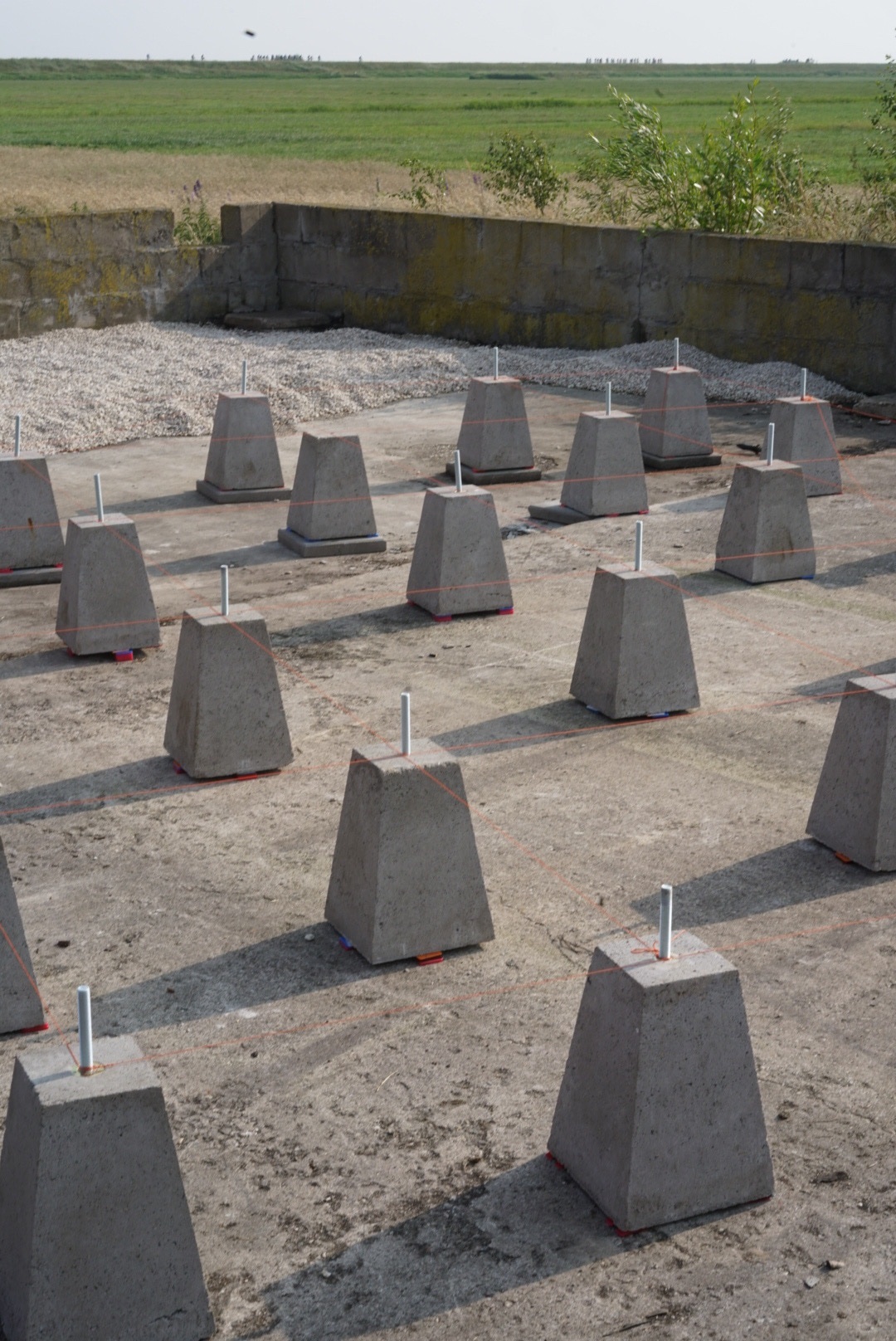
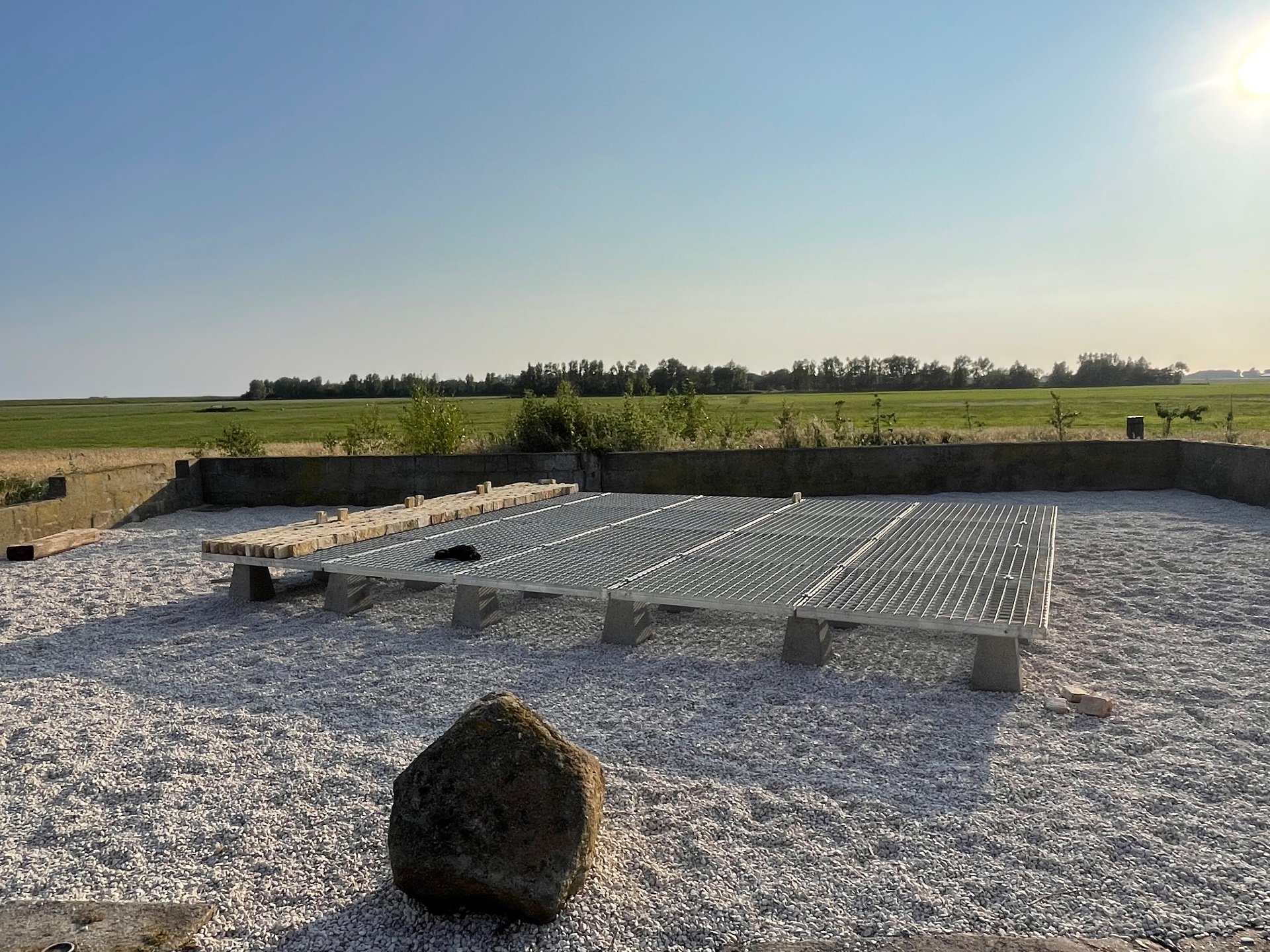
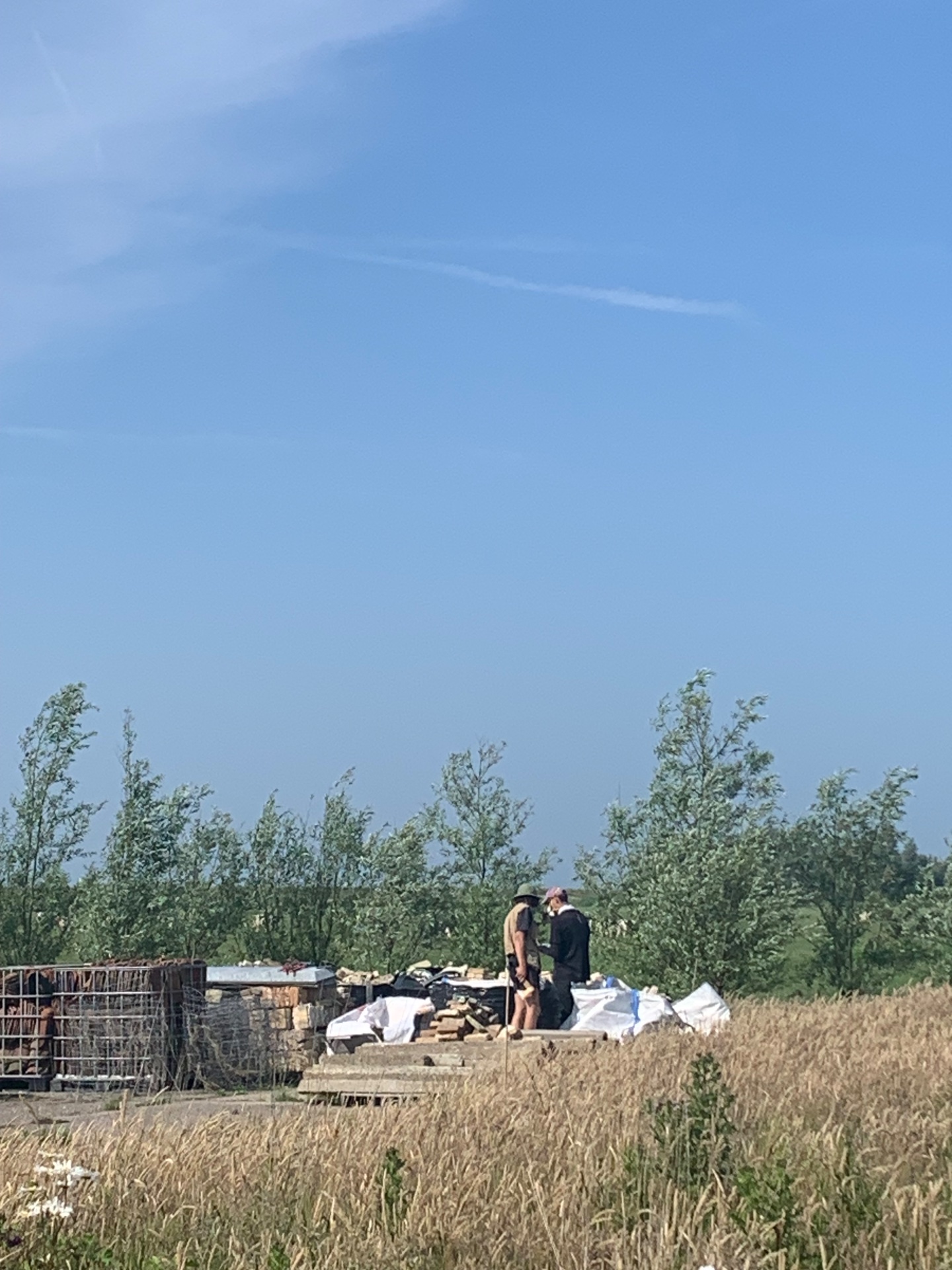
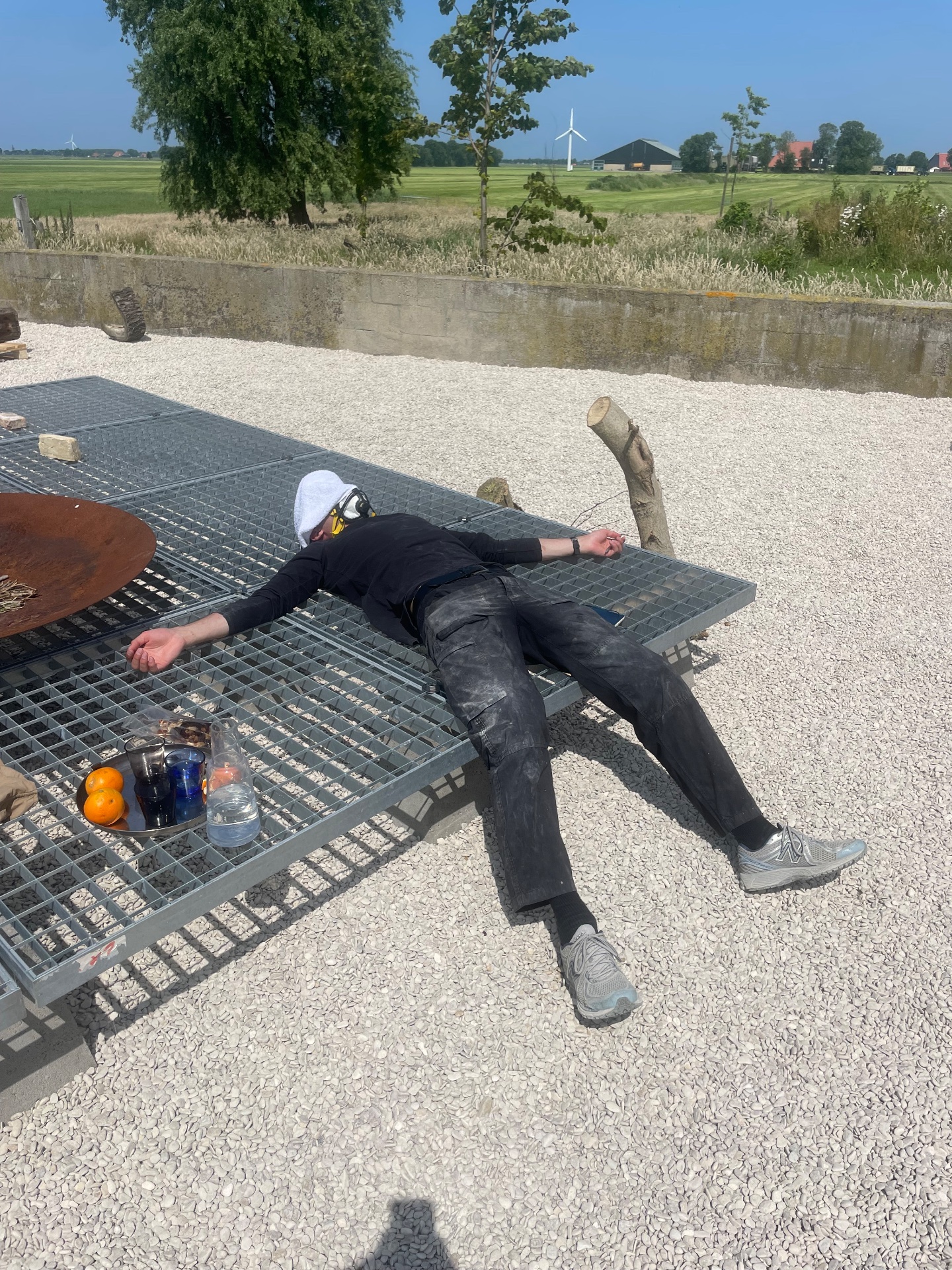
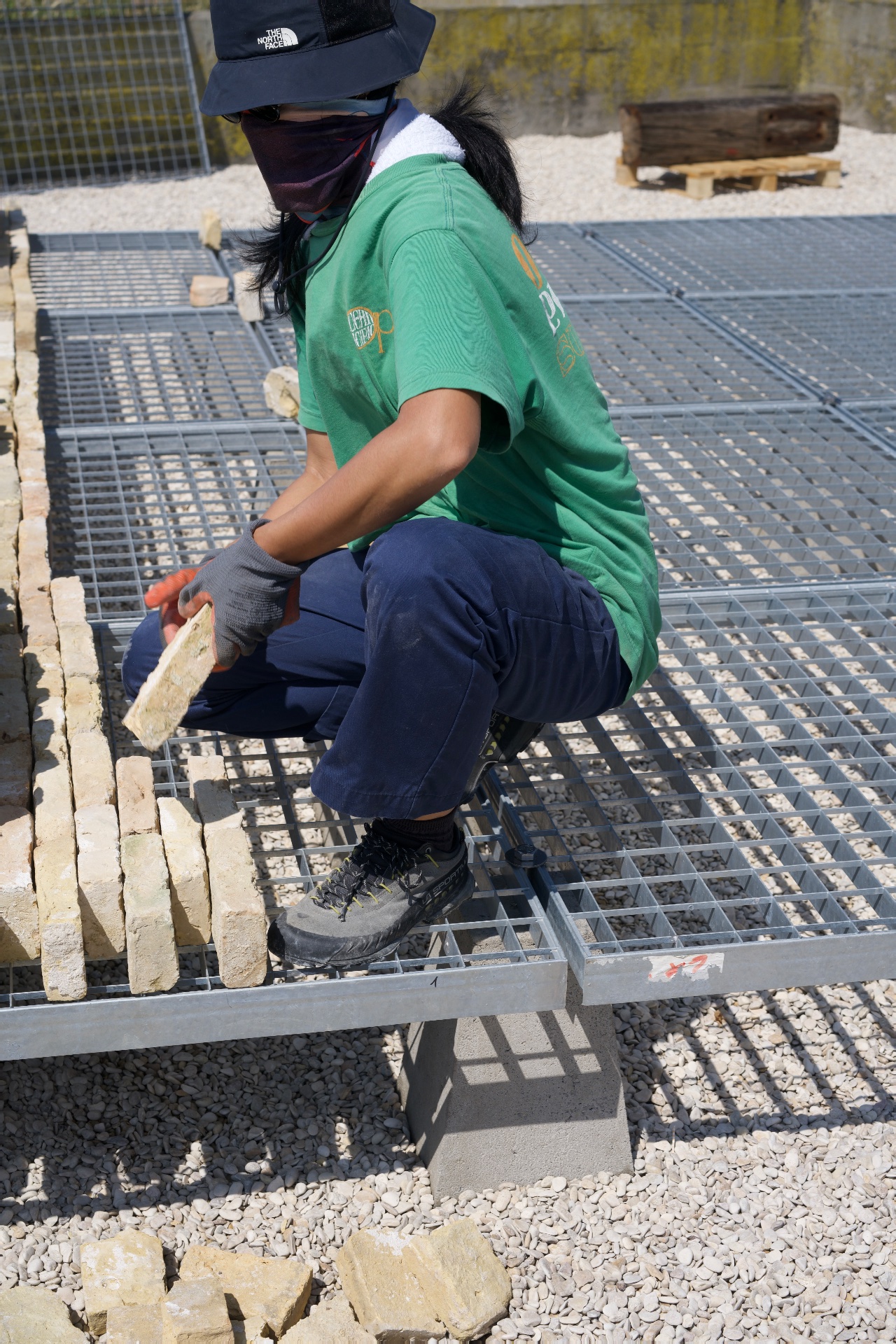
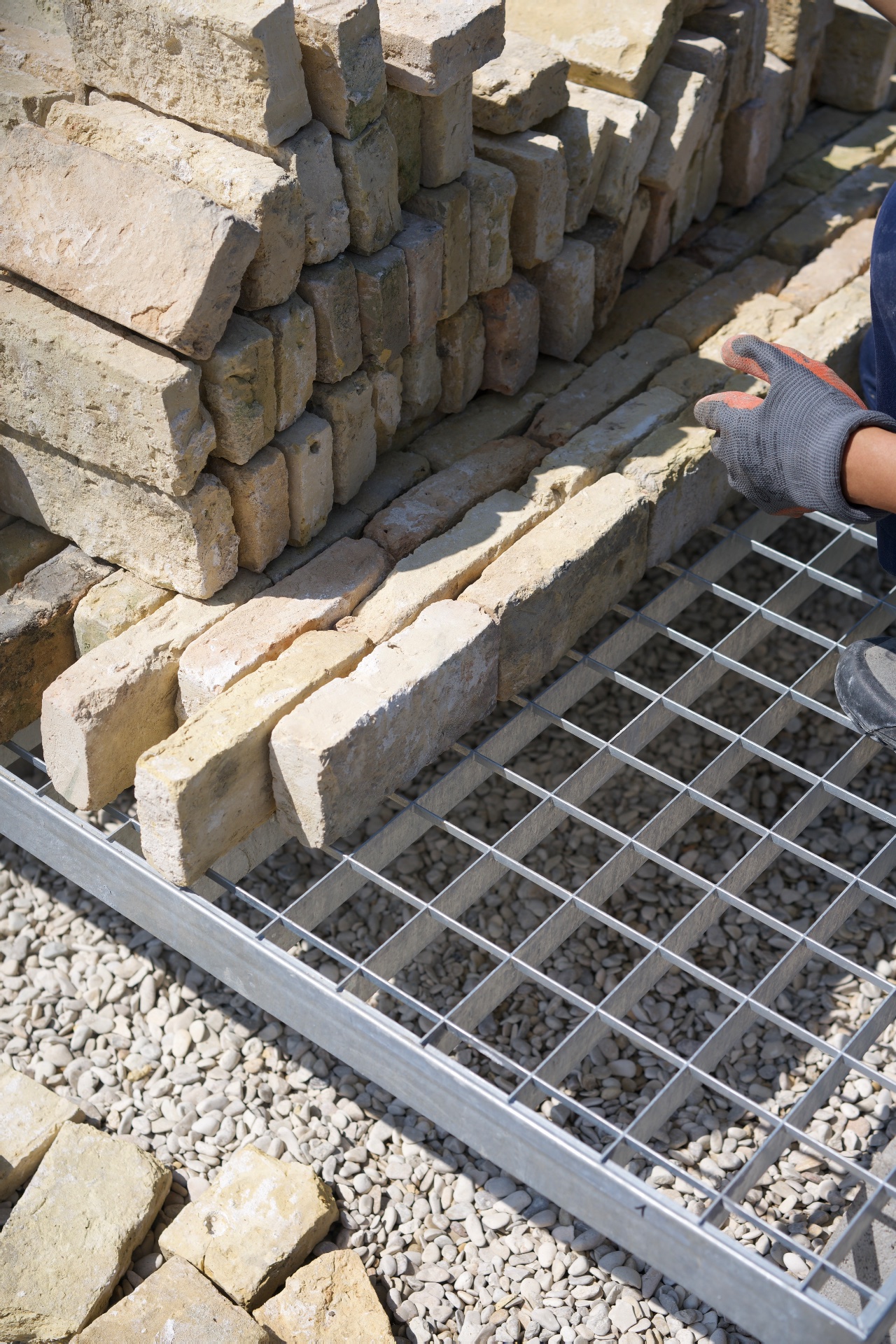
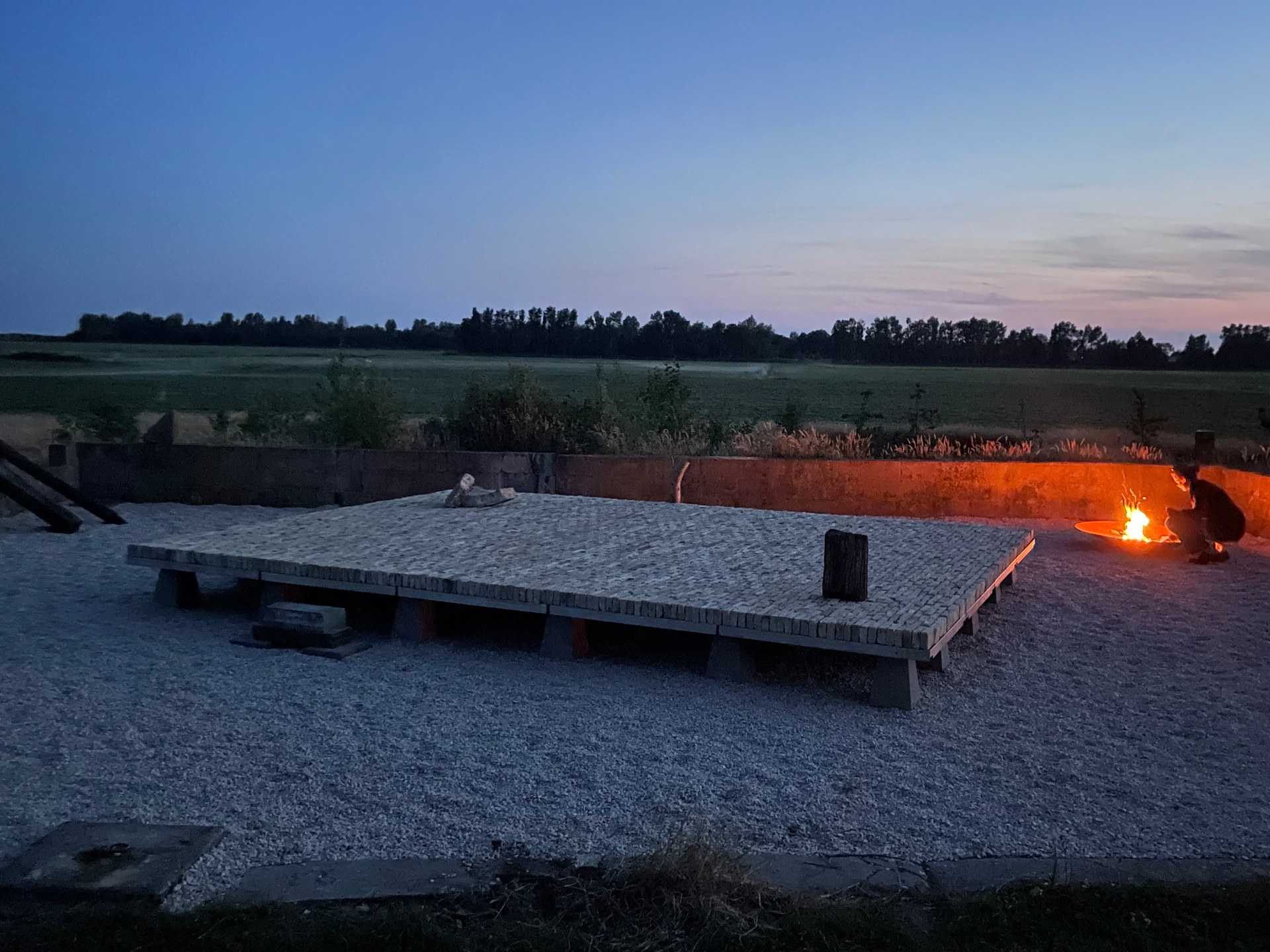
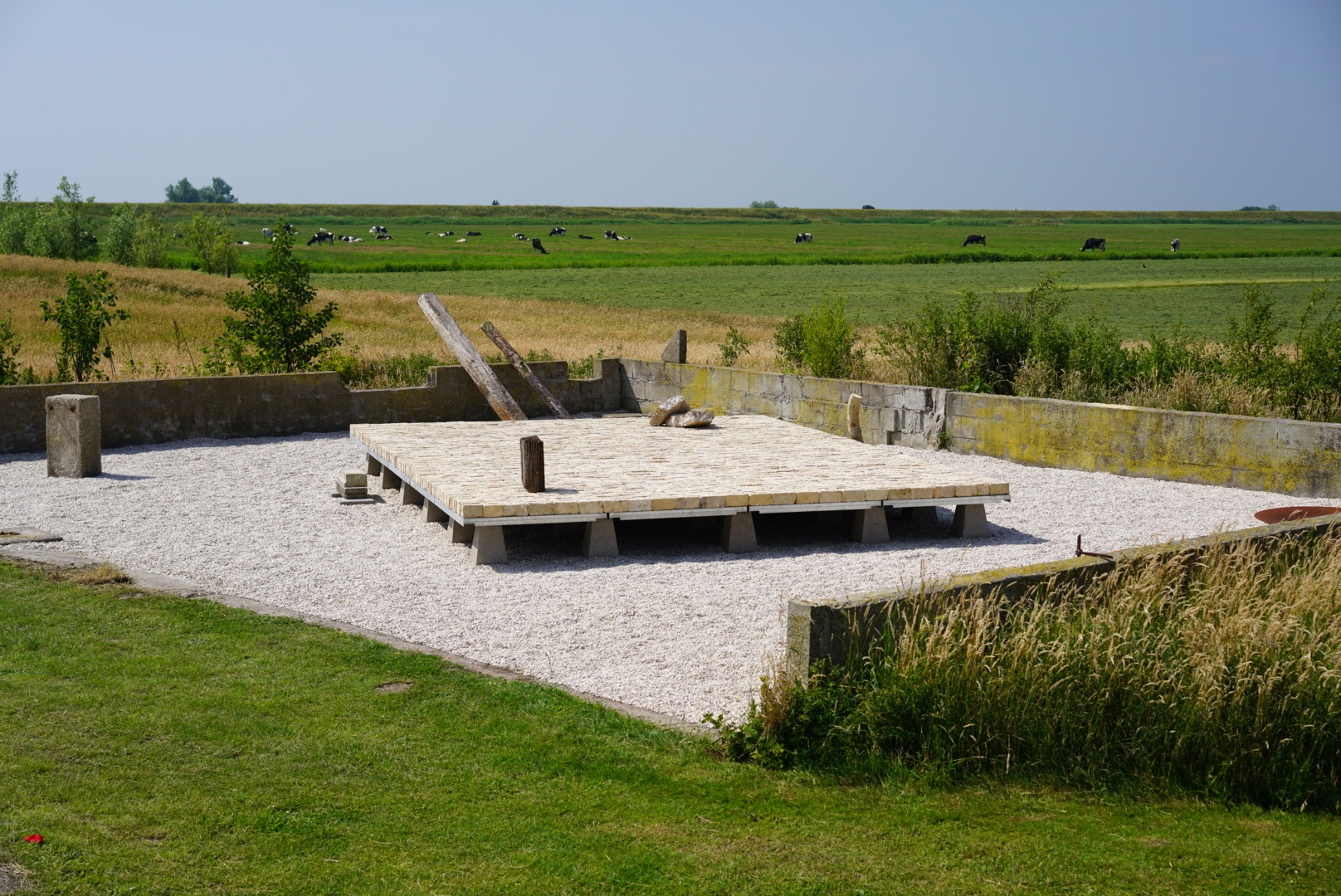
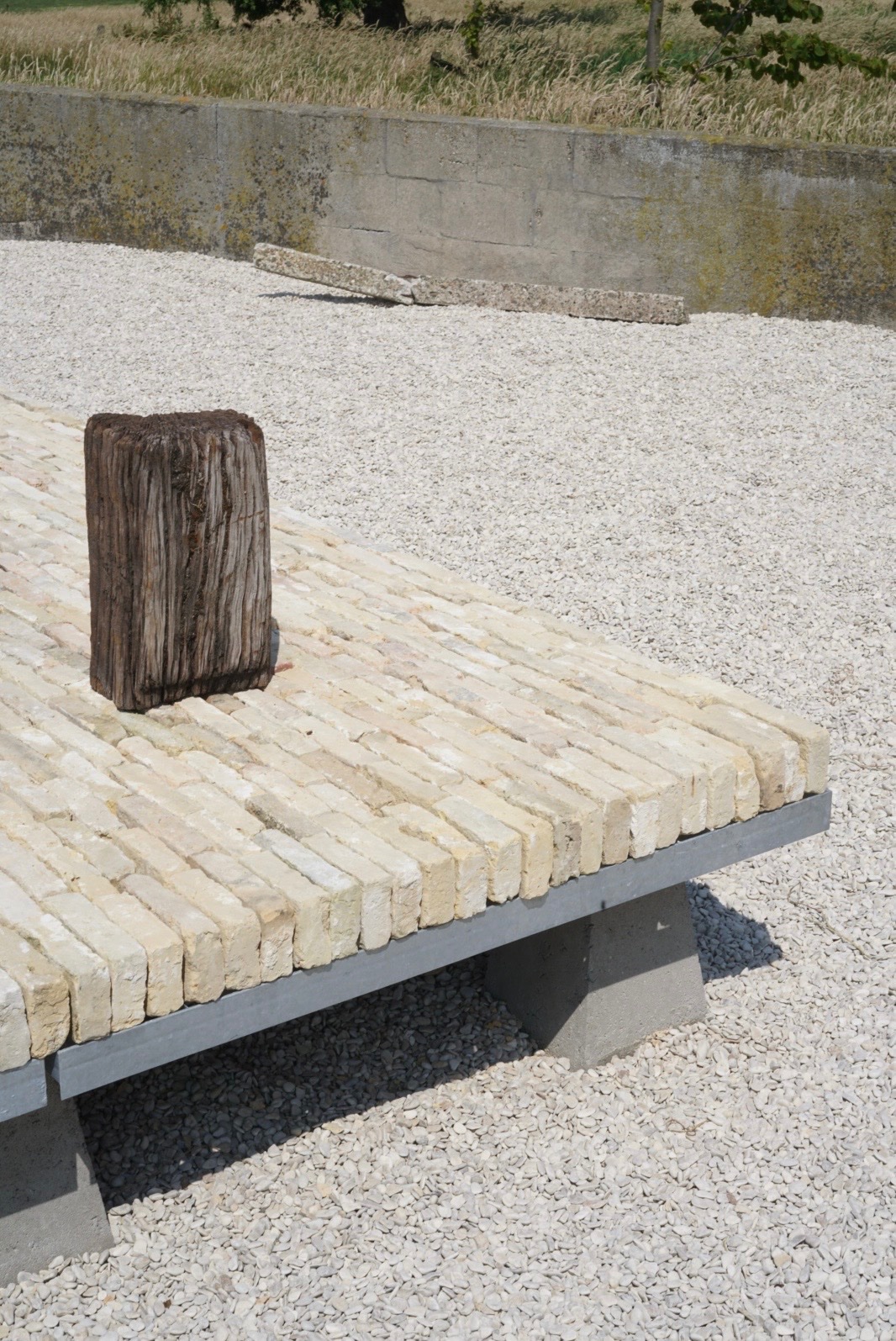
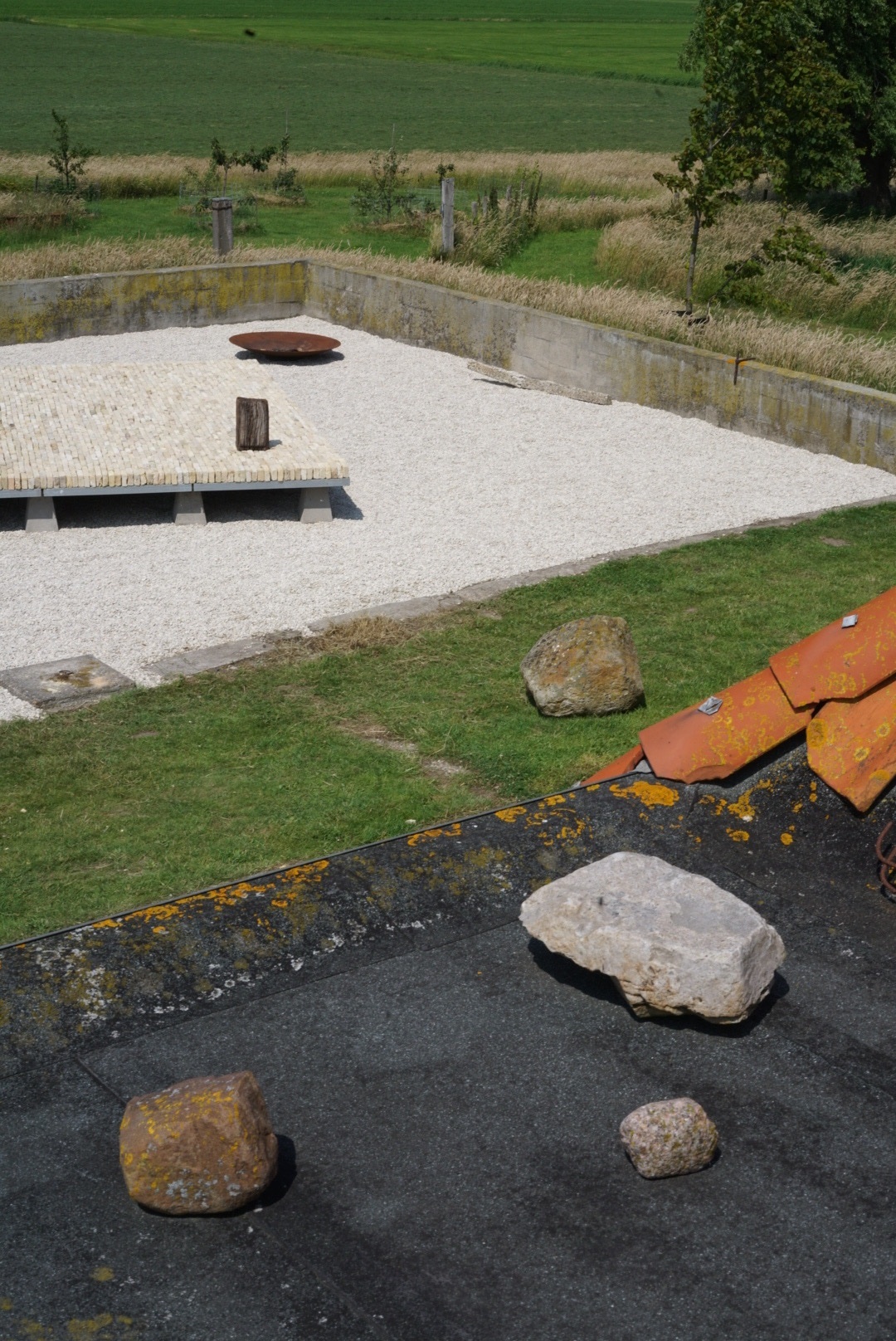
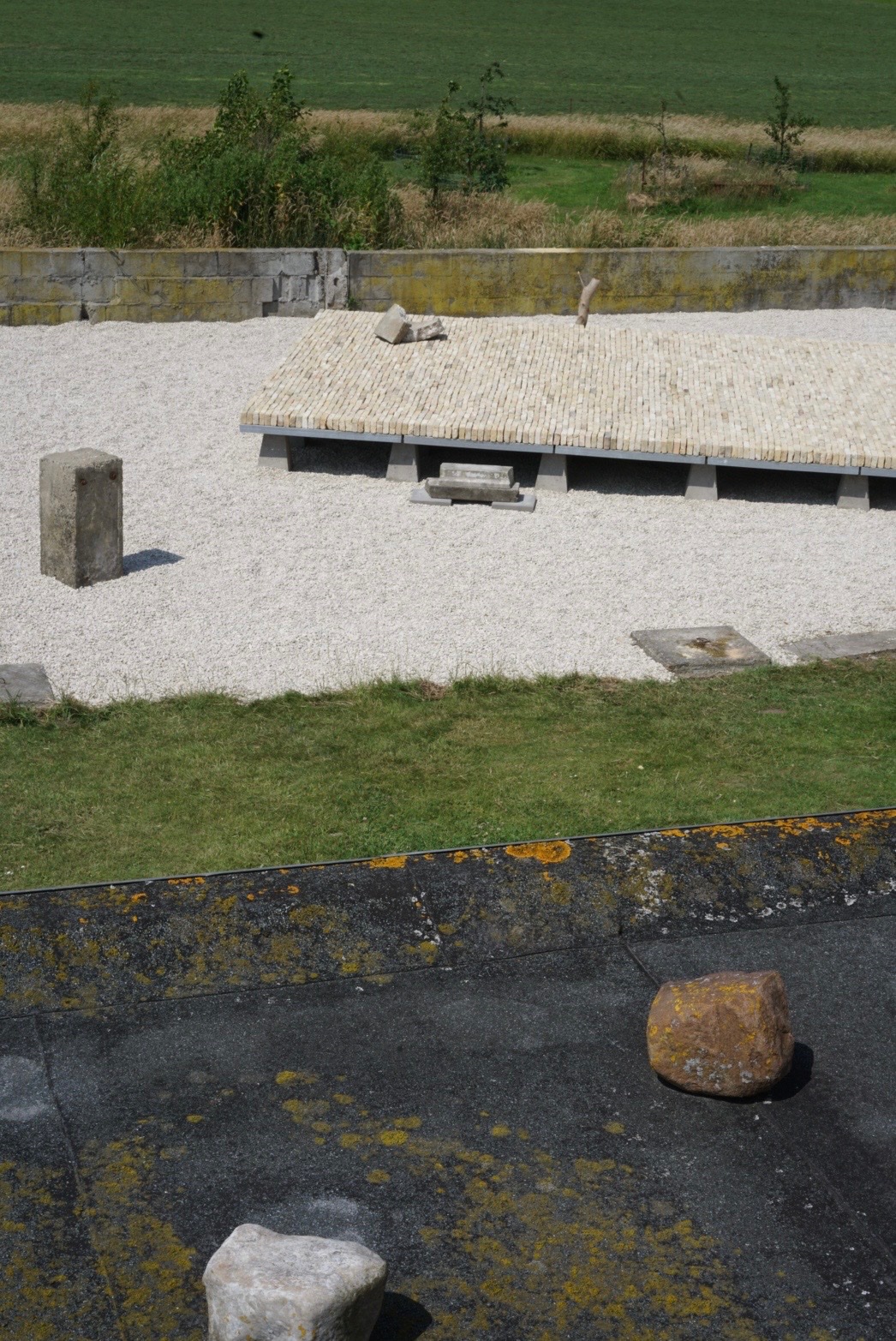
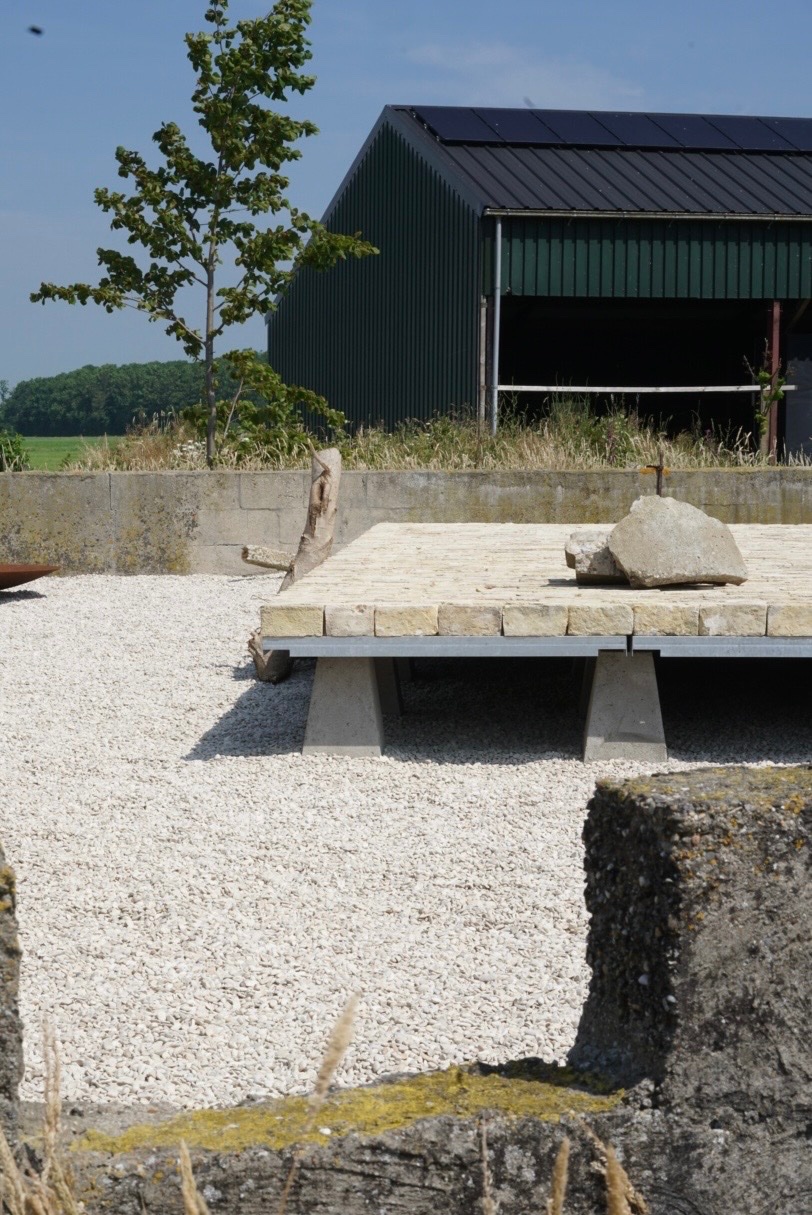
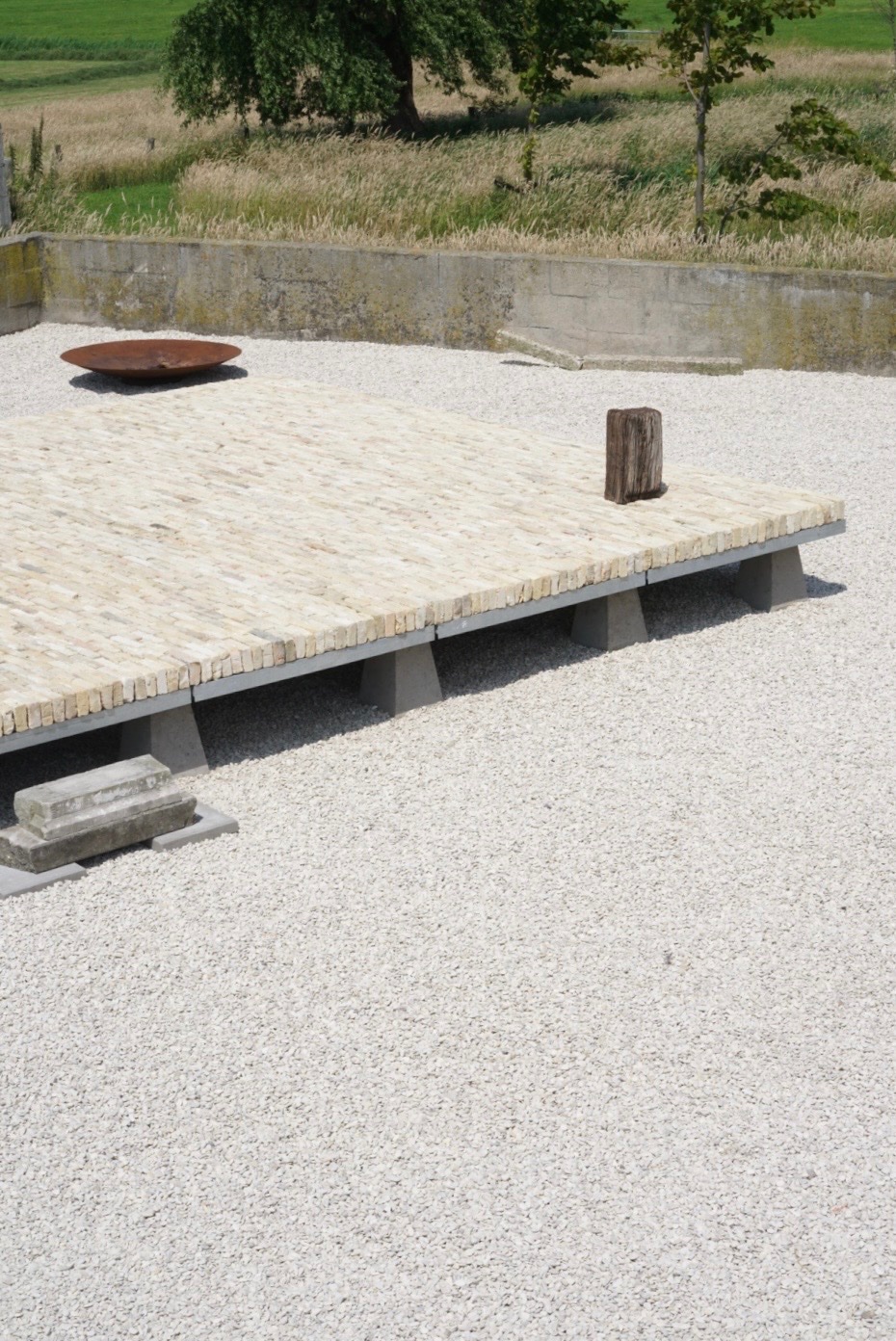
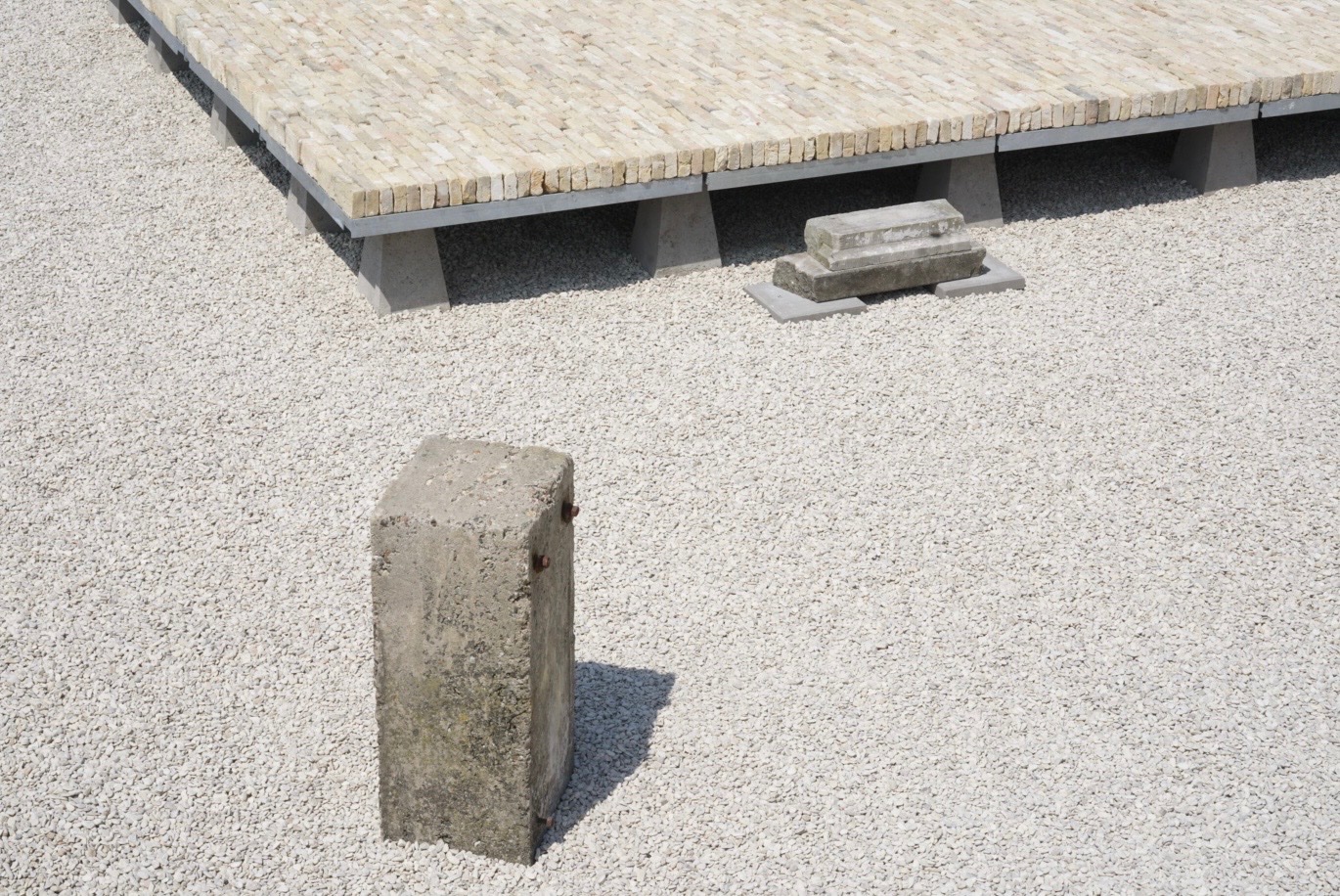
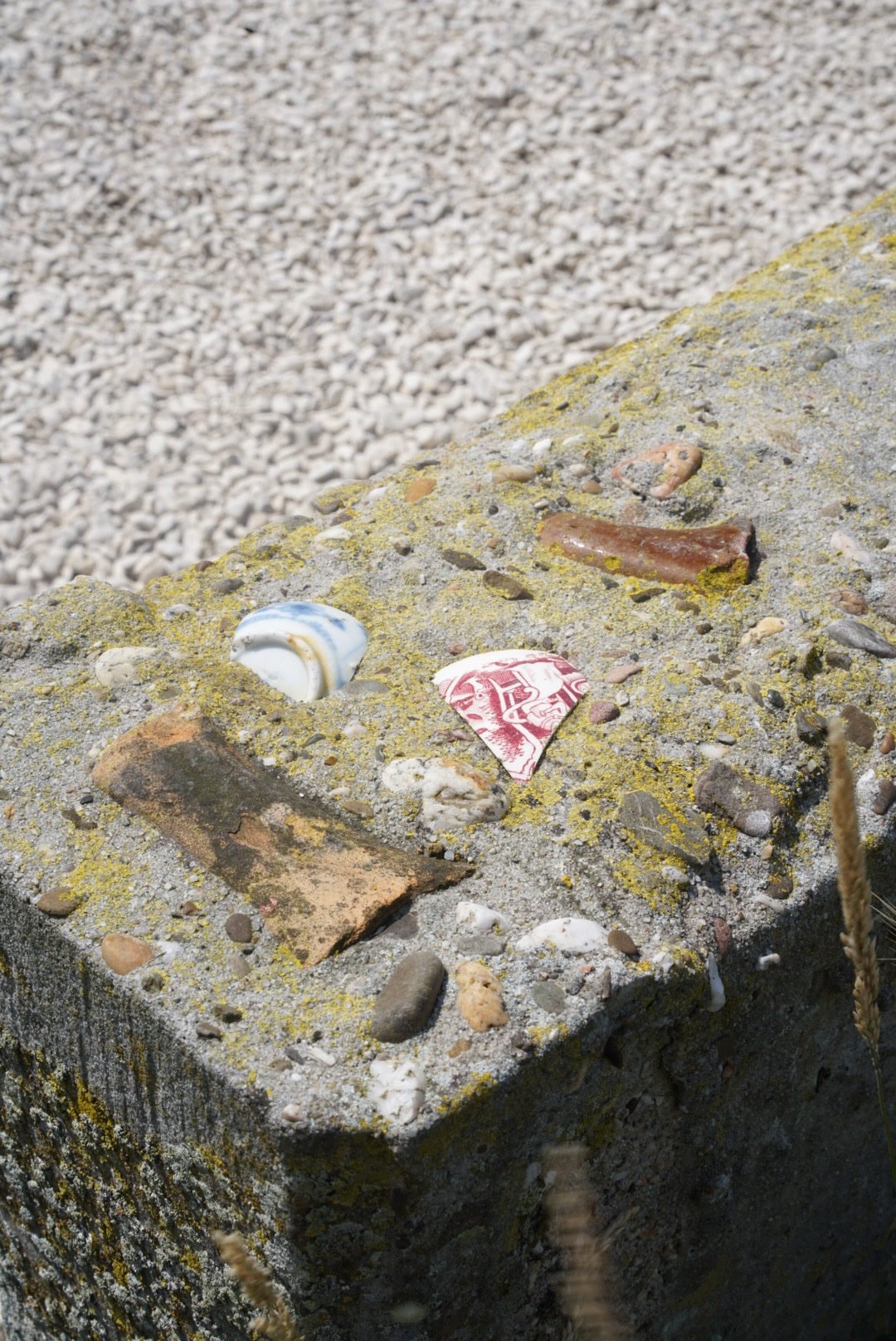
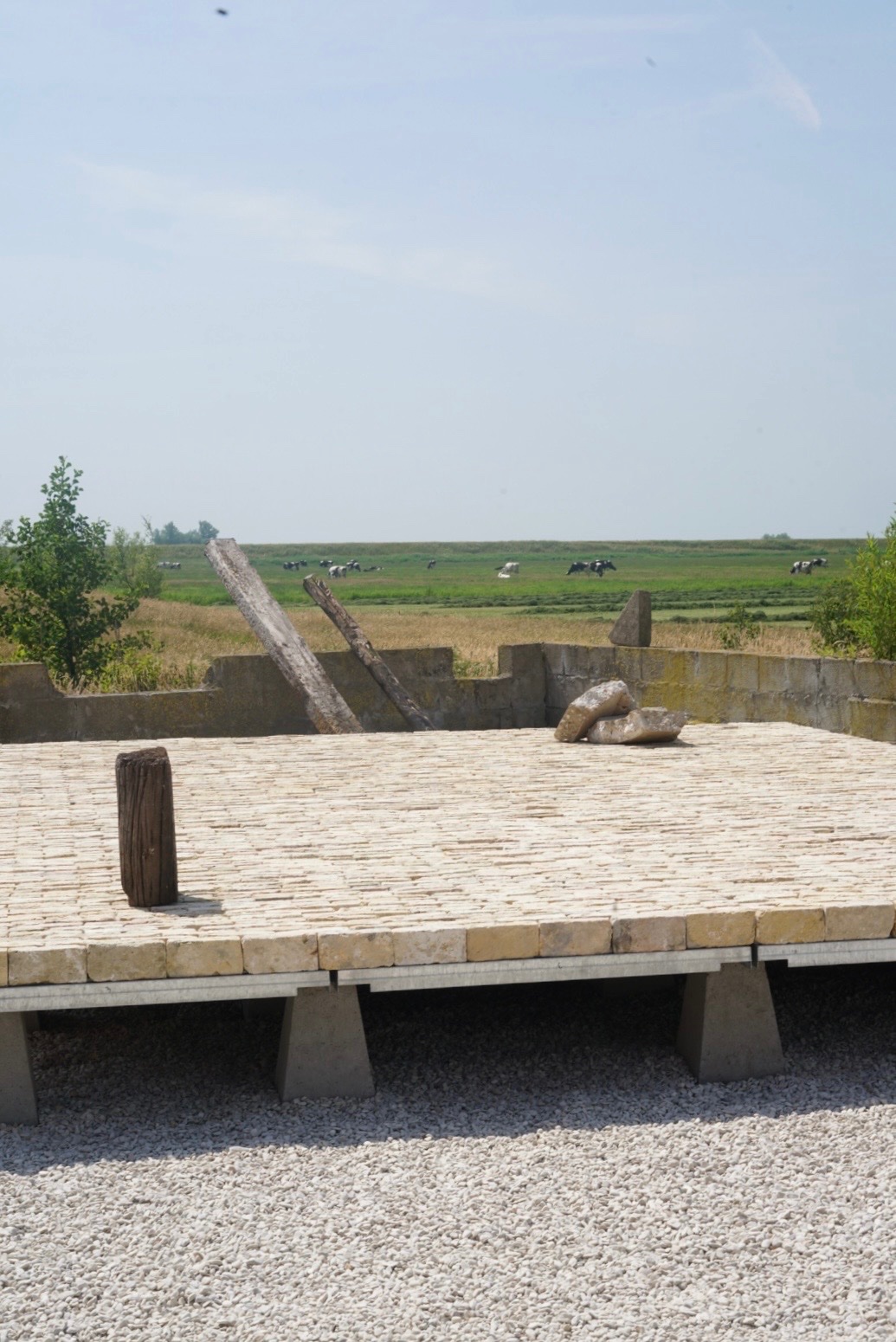
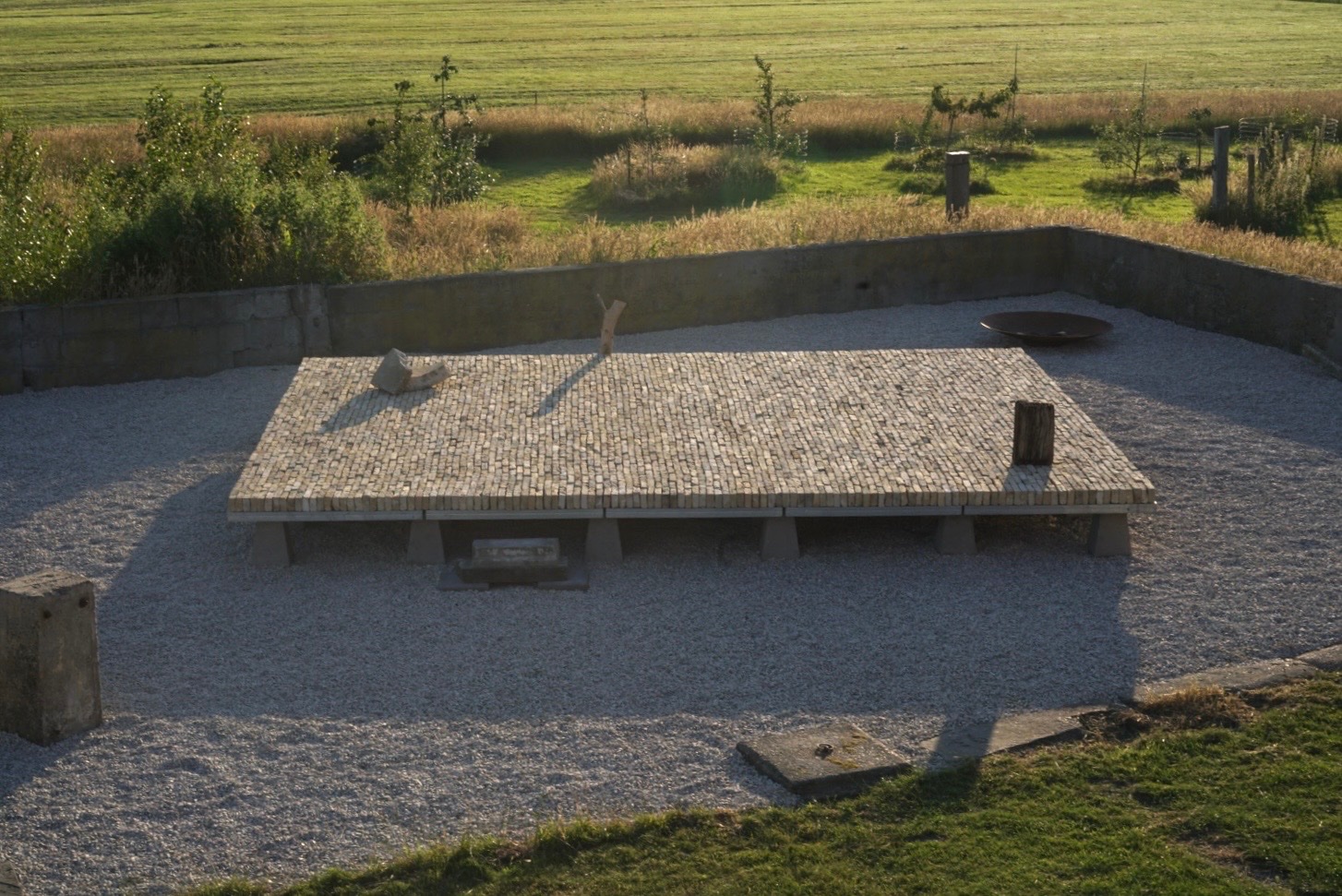
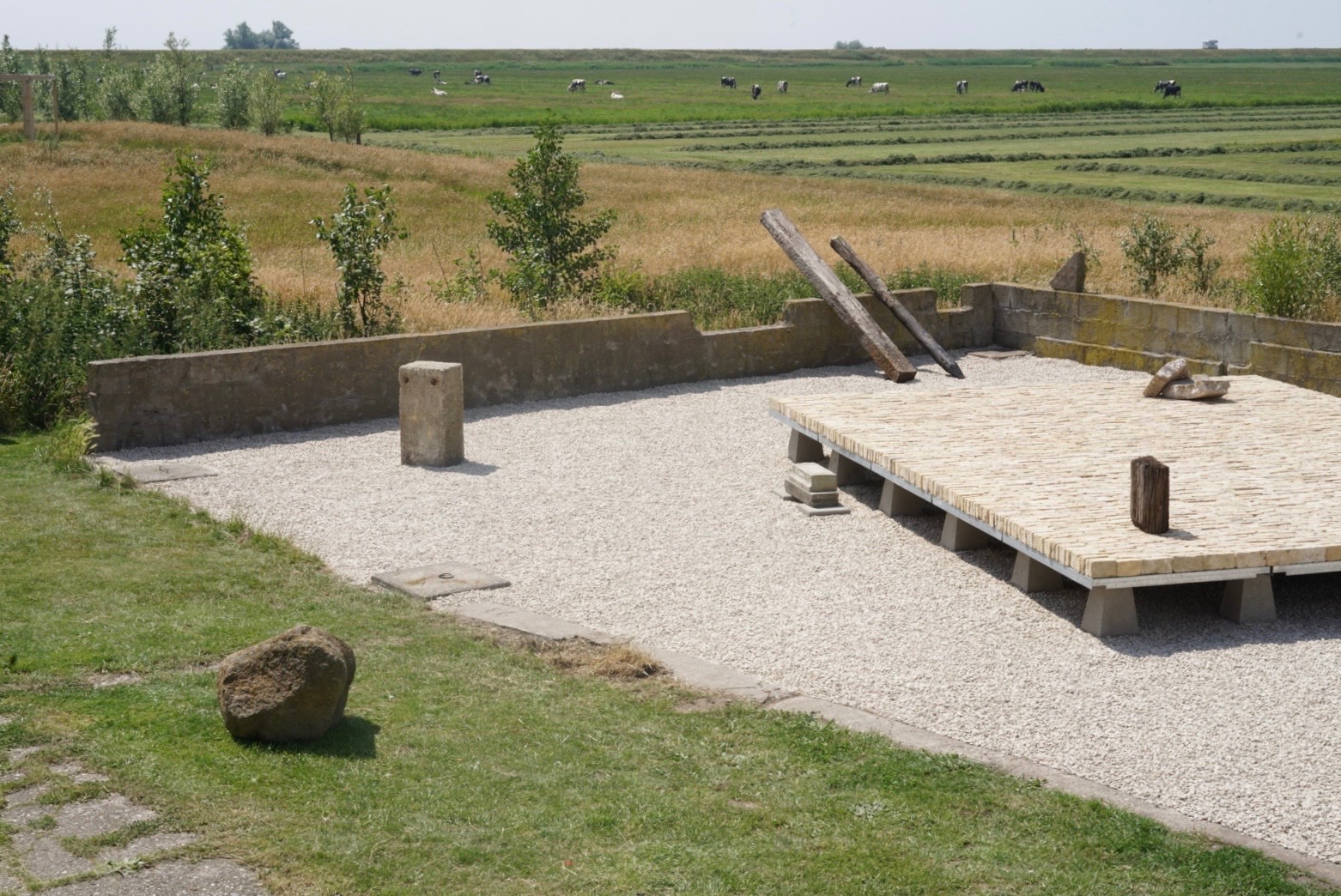
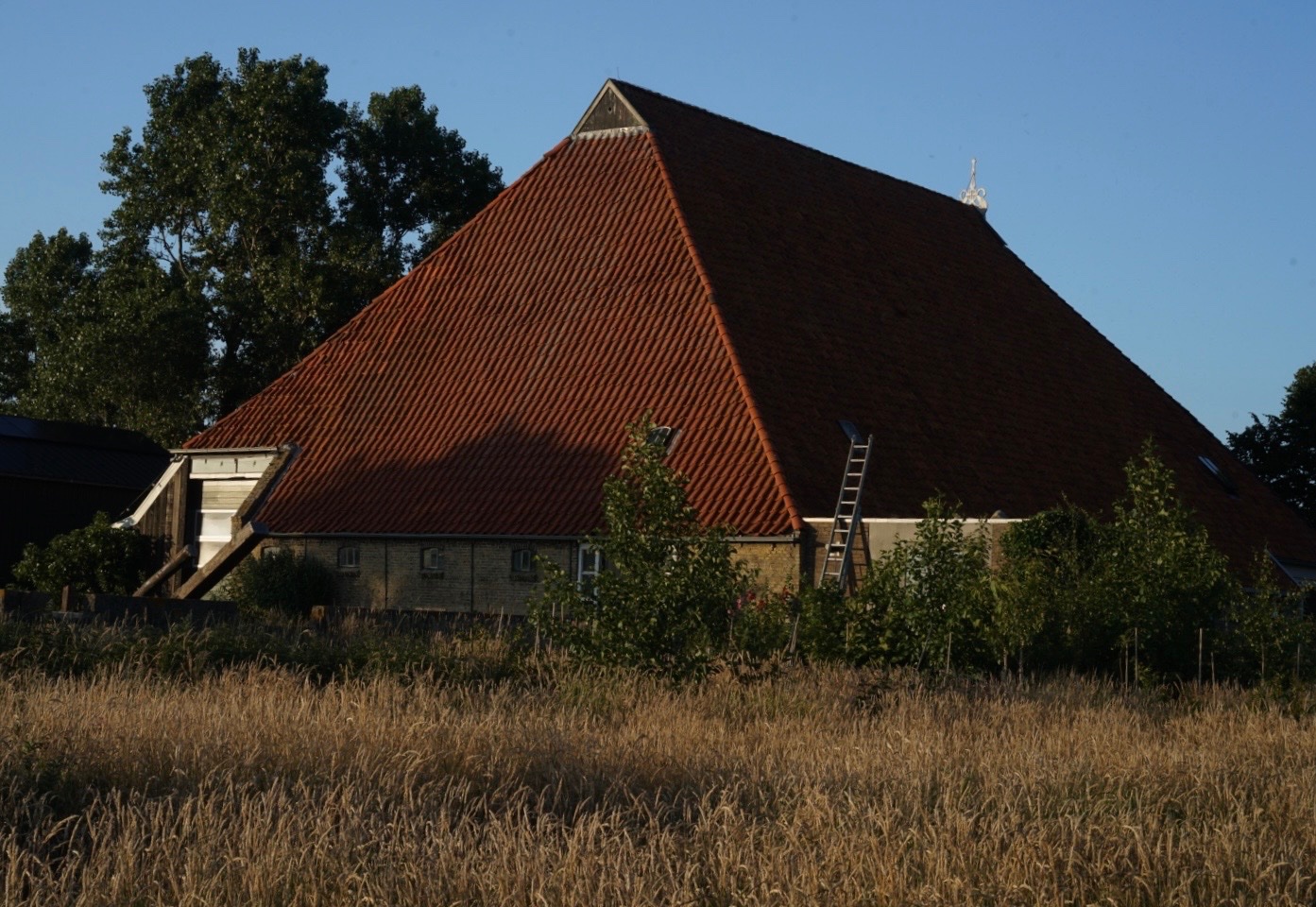
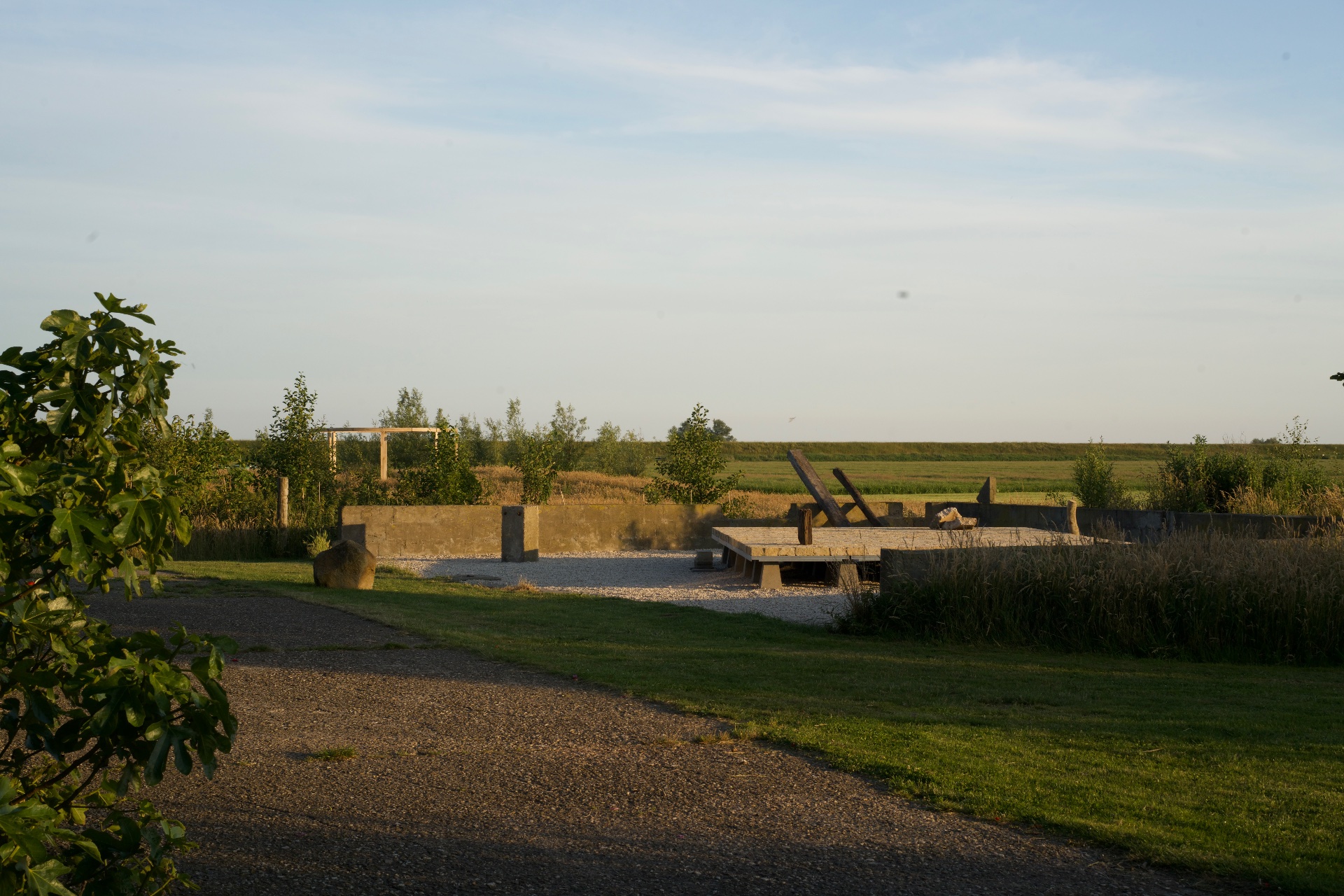
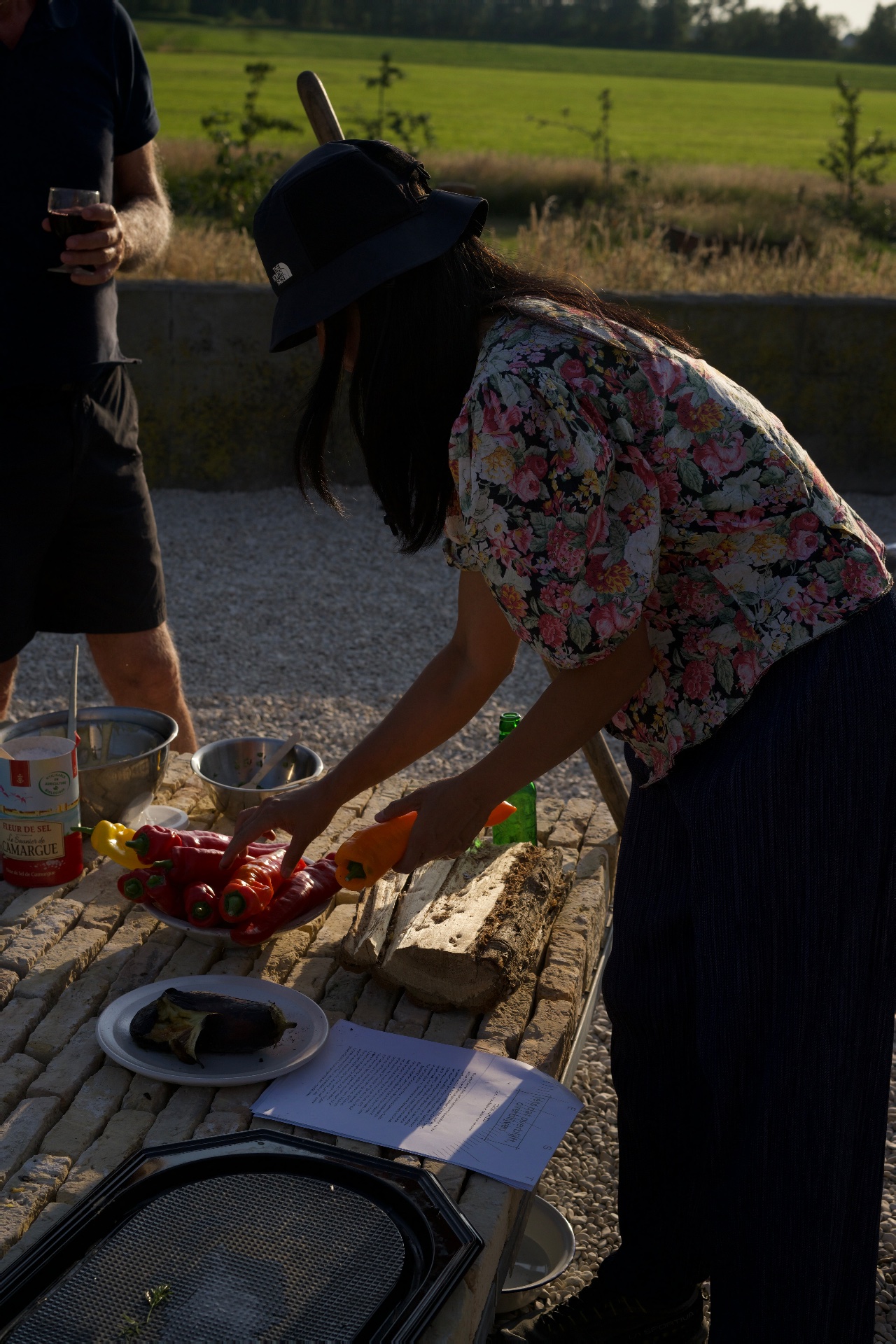
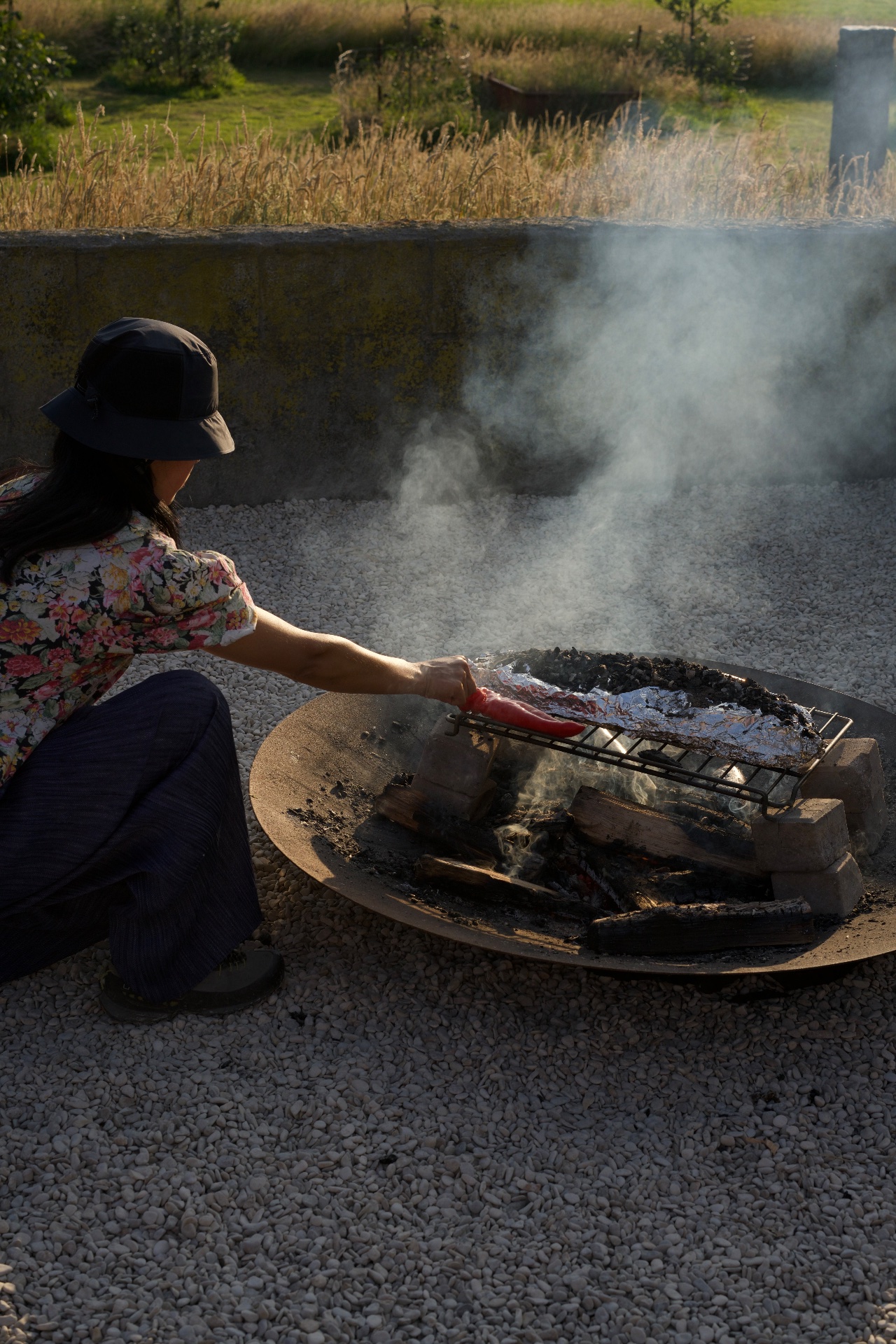
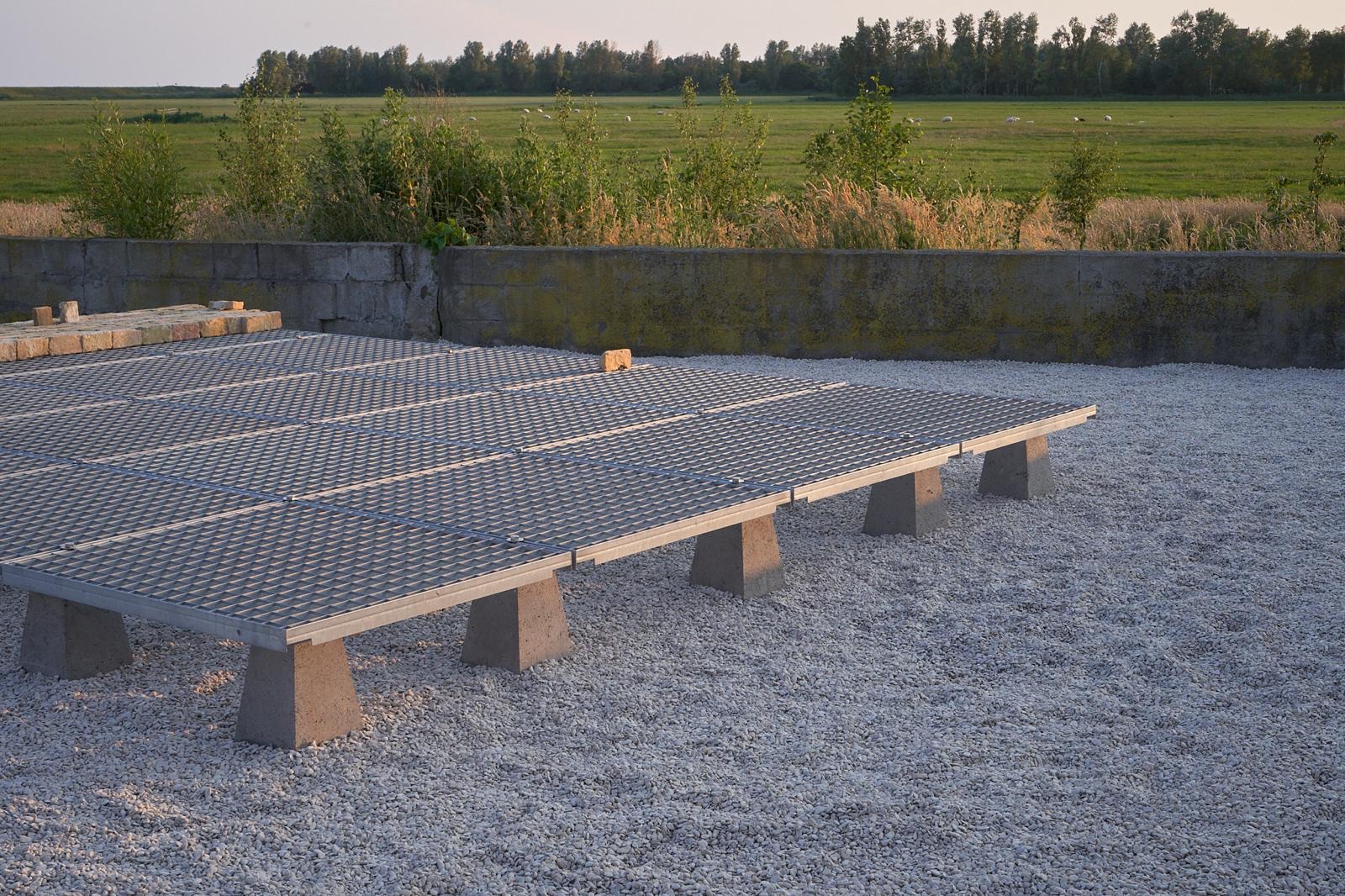
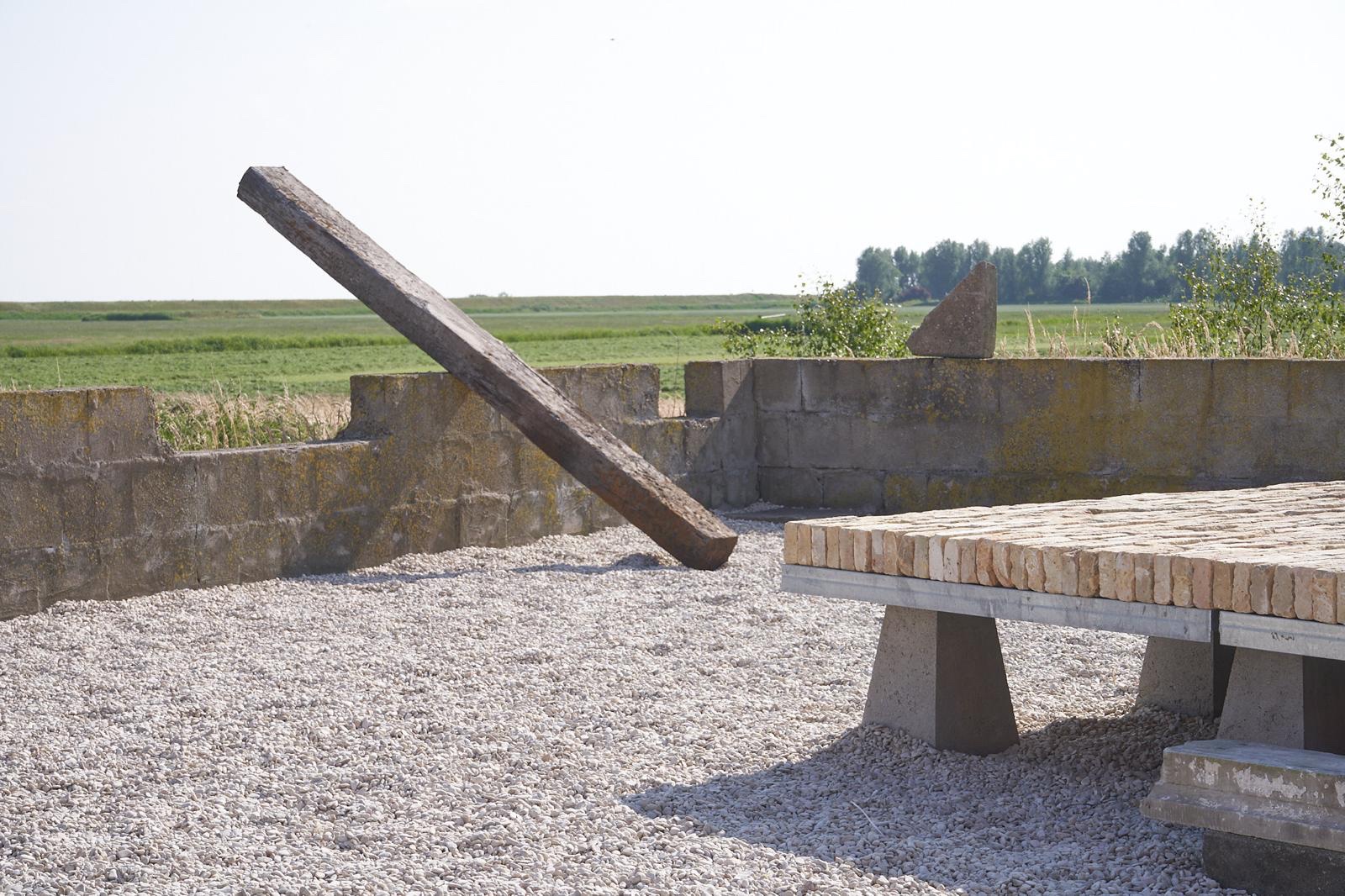
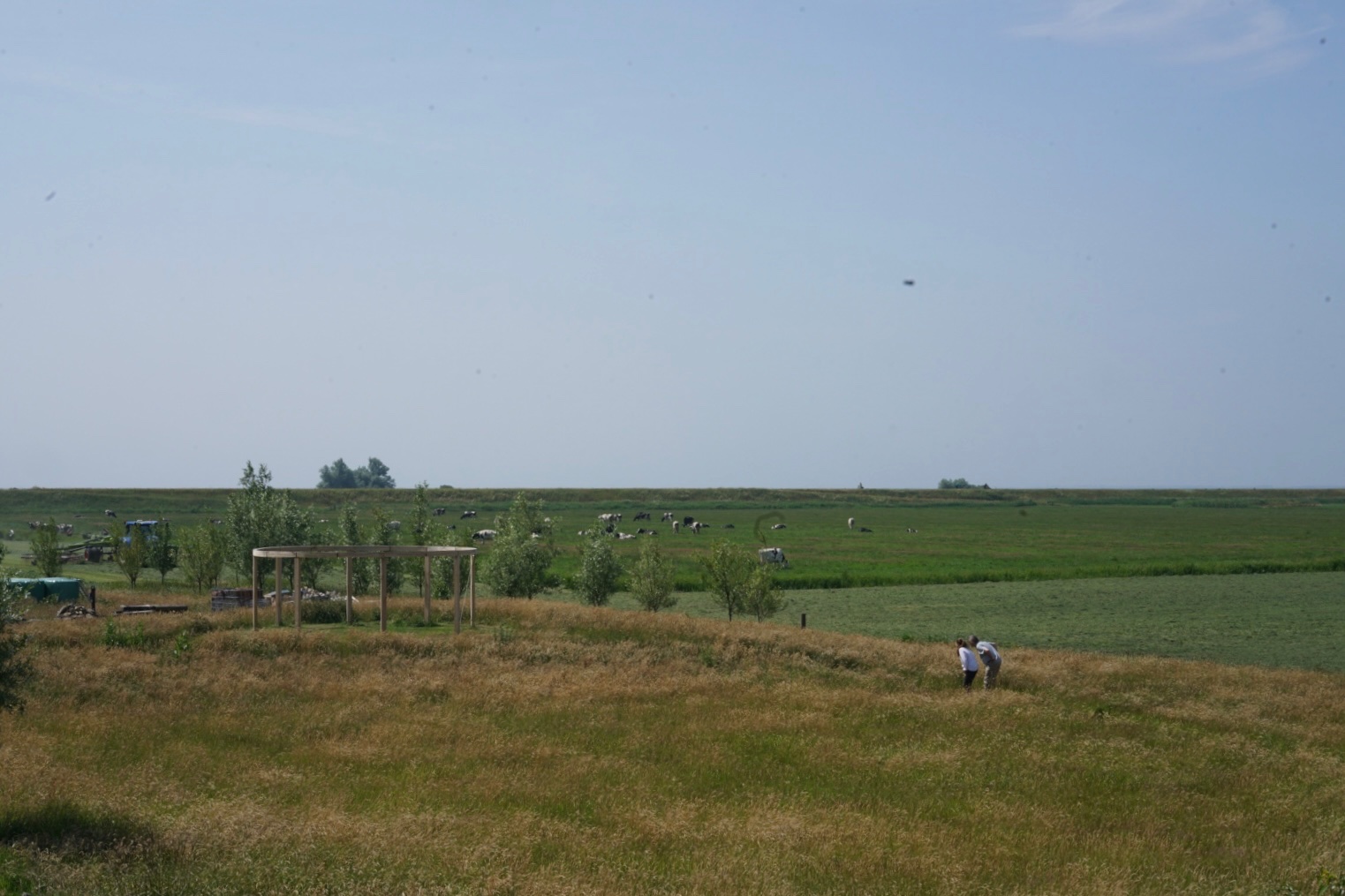
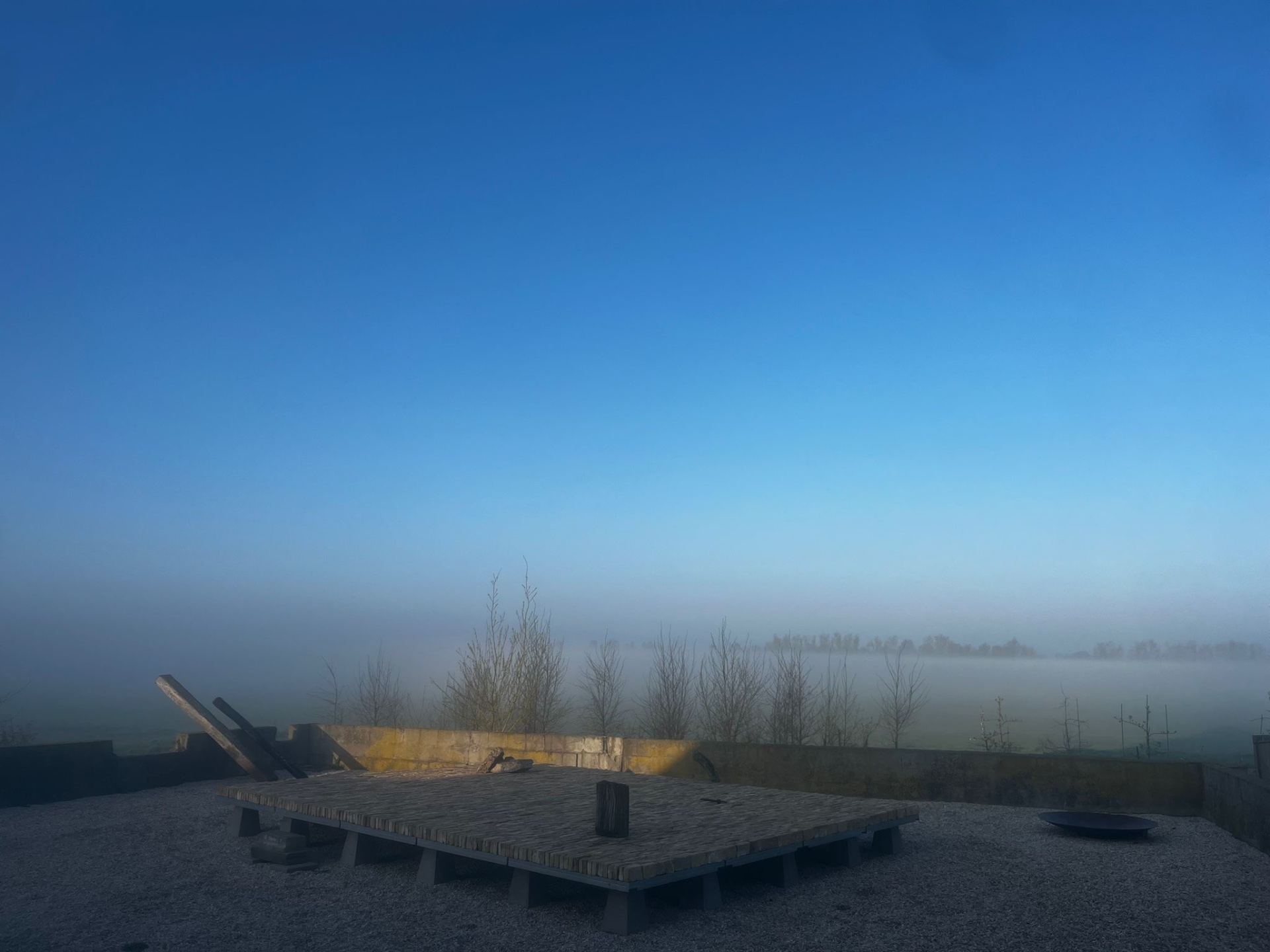
I was invited by Saskia Noor van Imhoff and Arnout Meijer to develop a work on their farm as part of REST, a project in which eight artists were asked to create site-specific works on their farmland in Mirns, near the IJsselmeer in the southeast of Friesland. My starting point was the old mestplaat, the former manure platform beside the farmhouse. Positioned at the edge of the yard, it overlooks the extremely flat Frisian landscape and the straight dyke that holds back the IJsselmeer and defines the low-lying land.[IMAGE:0.3341162754578261]The concrete slab remains as a geometric trace of former function. Until recently, it served as a storage surface for leftover materials. On farms such places often become repositories for what is no longer in use but not yet waste , matter held in suspension, awaiting another life on the land.[IMAGE:0.841402198777329][IMAGE:0.9283880688261548]When I began working on the project, I was drawn to the logic of provisional storage and to the way materials accumulate around sites of labor, where storage can shift between function and symbol. A list of materials remaining on the farm : timber, tiles, bricks, among them , became the starting point. Gradually, the focus narrowed to the Friese geeltjes: small yellow bricks traditionally made from clay taken from local riverbanks and low-lying fields. Their mineral composition gives them a specific tone and density, connecting them closely to the landscape from which they originate. These bricks once formed a separation wall and part of the foundation within the main farm building. [IMAGE:0.3358482048554816]Before they could be reused, each brick had to be cleaned of old mortar. We spent more than seven days with 2 people removing mortar, sorting, carrying, and laying the bricks. This repetitive labour became part of the work itself. The physical act of cleaning and repositioning was not merely preparation but a continuation, extending the life of the material through renewed attention. For this work, I arranged the yellow bricks as a flat horizontal surface, set on an industrial structure of metal grids resting on concrete foundation blocks. The construction is minimal yet deliberate: a layer of recovered matter slightly raised above the flat landscape from which it once originated. The logic of construction is reversed. What was once enclosed becomes open; what once stood vertically now lies flat; what once carried weight becomes the surface upon which one stands or sits. My interest lies in this inversion and in how a simple act of reordering can alter perception. A modest elevation , lifting something only a few centimetres , can shift attention and redefine presence. This sensibility informs the way the geeltjes are raised here: not monumental, but perceptible enough to be seen anew. [IMAGE:0.19059113986220366]The platform functions as both surface and record. It reuses materials from the site, giving them renewed visibility without transforming them. The geeltjes are not reworked, they are relocated, reoriented, and held temporarily in another relation to their surroundings.